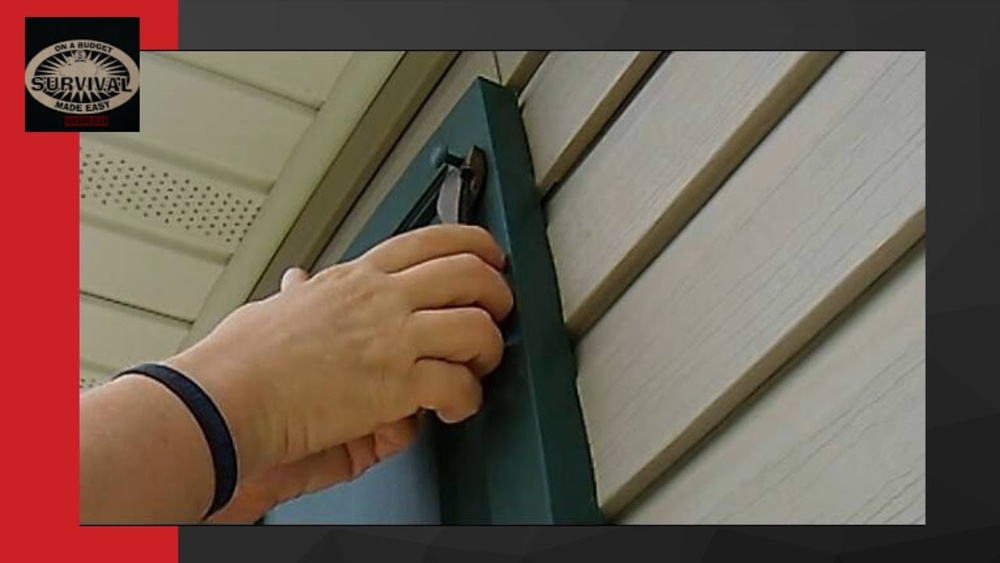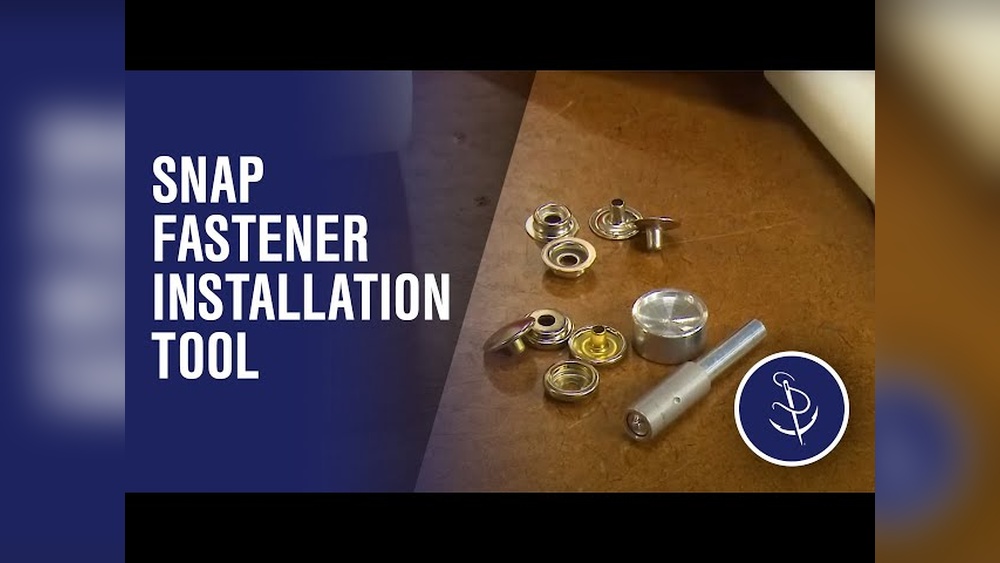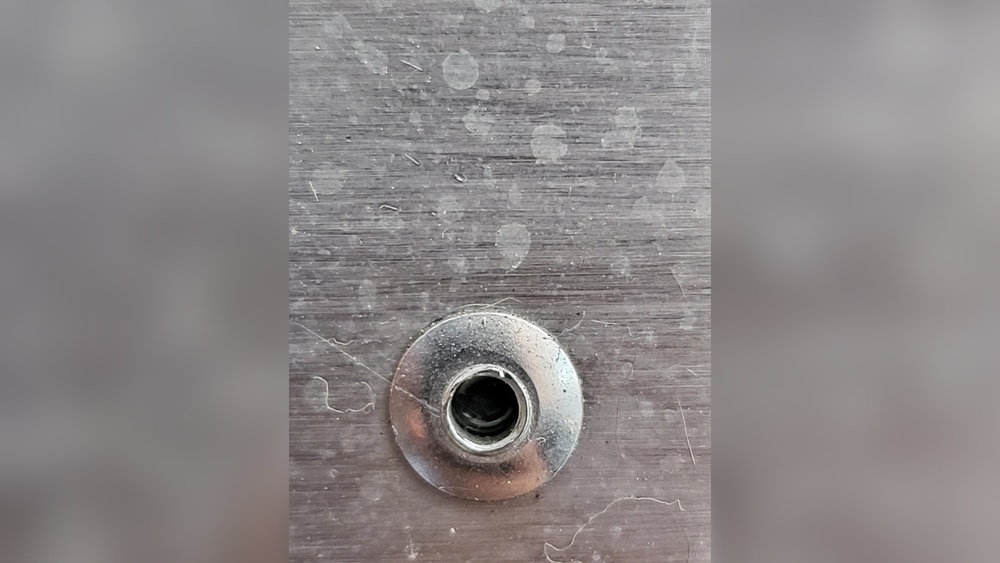
Are you struggling to remove stubborn fasteners that just won’t budge? Whether you’re fixing something at home or working on a project, knowing how to remove fasteners quickly and safely can save you time and frustration.
In this guide, you’ll discover simple, effective techniques to get those fasteners out without damaging your tools or materials. Keep reading to unlock tips that make your job easier and help you avoid common mistakes. Your next repair just got a whole lot smoother!

Credit: diy.stackexchange.com
Types Of Fasteners
Fasteners hold objects together in many projects and repairs. Knowing the types of fasteners helps remove them safely and quickly. Different fasteners need different tools and methods for removal. Understanding their types makes your work easier and prevents damage.
Common Fastener Varieties
Screws are one of the most common fasteners. They have threads that grip materials tightly. Nails are simple and quick to use. They are hammered into wood or other soft materials.
Bolts are stronger and need nuts to hold items firmly. Washers often go with bolts to spread pressure. Rivets join materials by deforming after insertion. Clips and clamps hold parts temporarily or permanently.
Materials And Uses
Fasteners come in different materials for specific jobs. Steel is strong and used for heavy-duty tasks. Stainless steel resists rust and suits outdoor use. Brass is good for decorative and electrical work.
Plastic fasteners work well in light tasks and electronics. Aluminum is light and resists corrosion. Each material fits certain needs and environments. Choosing the right fastener helps in easier removal later.

Credit: www.novafabrication.com
Essential Tools For Removal
Removing fasteners requires the right tools to make the job easier and safer. Using proper tools prevents damage to the material and the fastener itself. Different fasteners need different tools, so having a variety helps handle many situations.
Hand Tools
Hand tools work well for simple fasteners like screws and bolts. A screwdriver fits into the screw head and turns it out. Wrenches hold nuts and bolts to loosen or tighten them. Pliers grip fasteners tightly, especially if they are stuck or rusty. These tools do not need power and give good control.
Power Tools
Power tools save time on tough or many fasteners. Electric drills with screwdriver bits remove screws fast. Impact drivers add extra force for stubborn bolts. Cordless tools offer freedom to move without cords. Use power tools carefully to avoid stripping or breaking fasteners.
Specialty Tools
Some fasteners need special tools for removal. Bolt extractors pull out damaged bolts. Nut splitters cut nuts that cannot turn. Pry bars help lift or pry fasteners gently. Specialty tools solve hard problems that normal tools cannot handle.
Basic Removal Techniques
Removing fasteners is a common task in many projects. Knowing basic techniques helps avoid damage and saves time. These methods work for most screws, bolts, and nuts. Start with simple steps before using tools or chemicals.
Manual Loosening
Try turning the fastener by hand first. Use your fingers or a wrench for better grip. Sometimes, a little force is all it takes. Avoid using too much strength to prevent stripping.
Use the right tool size for the fastener. A loose or wrong tool can damage the head. Turn slowly and steadily. Stop if the fastener does not move.
Using Penetrating Oils
Penetrating oils help loosen rusty or stuck fasteners. Spray the oil directly on the fastener. Let it sit for 10 to 15 minutes. The oil seeps inside and breaks rust bonds.
After waiting, try manual loosening again. Repeat the process if needed. Use a cloth to wipe off excess oil. Penetrating oil makes removal easier and safer.
Applying Heat
Heat expands metal and can loosen tight fasteners. Use a heat gun or a small torch carefully. Heat the fastener, not the surrounding area. Keep the heat source moving to avoid damage.
After heating, try turning the fastener. Use gloves to protect your hands. Heat works well for bolts stuck by rust or paint. Do not use heat on plastic parts.
Removing Stripped Or Damaged Fasteners
Removing stripped or damaged fasteners can be tricky. These fasteners lose their grip, making removal difficult. Damaged heads or worn grooves stop tools from working properly. The right tools and methods can help you remove them safely. Avoid damaging the surrounding material while working on these fasteners.
Using Extractor Kits
Extractor kits are designed for tough fasteners. They have special bits that grip stripped heads. Insert the extractor bit into the damaged fastener. Turn it slowly with a wrench or drill. The extractor bites into the metal and helps pull the fastener out. These kits work well for screws and bolts. They save time and reduce extra damage.
Cutting And Drilling Methods
Cutting and drilling remove fasteners that won’t budge. Use a rotary tool to cut a new slot on the fastener head. This slot allows a flathead screwdriver to fit and turn the fastener. Drilling creates a small hole in the center of the fastener. Then use a screw extractor to remove it. Wear safety glasses during cutting or drilling. These methods work best on metal fasteners stuck tight.
Safety Tips During Removal
Removing fasteners can be tricky and sometimes risky. Safety is very important to avoid injuries. Taking simple safety steps protects your hands, eyes, and body. It also helps you finish the job faster and better. Follow these tips to stay safe while removing fasteners.
Protective Gear
Always wear safety goggles to protect your eyes from flying debris. Gloves shield your hands from sharp edges and pinches. Use sturdy shoes to guard your feet from heavy falling objects. Long sleeves and pants help stop cuts and scrapes. Wearing the right gear prevents many common injuries.
Proper Tool Handling
Use the correct tool for the fastener type and size. Hold tools firmly but not too tight to keep control. Keep tools clean and in good condition to avoid slips. Pull tools away from your body to prevent harm. Proper handling reduces accidents and makes removal easier.
Preventing Fastener Damage
Preventing fastener damage is important for easy removal and reuse. Damaged fasteners can cause delays and increase repair costs. Taking simple steps helps keep fasteners in good shape. This saves time and effort during projects.
Correct Tool Selection
Choose the right tool for each fastener type. Using the wrong tool can strip or break fasteners. Match the tool size exactly to the fastener head. Use screwdrivers, wrenches, or pliers designed for the fastener. Avoid using tools that slip or do not fit well. Proper tools apply force evenly and reduce damage risk.
Regular Maintenance
Keep fasteners clean and free of rust or dirt. Dirt can cause tools to slip and damage fasteners. Use lubricants like oil to prevent rust build-up. Check fasteners often for signs of wear or damage. Replace any fasteners that look weak or worn out. Well-maintained fasteners last longer and remove easily.
Troubleshooting Common Issues
Removing fasteners can sometimes be tricky. Common problems often slow down the process. Knowing how to handle these issues saves time and effort. This section covers easy fixes for common fastener problems. Follow these tips for smoother removal.
Dealing With Rust
Rust makes fasteners hard to turn or remove. Start by spraying a rust remover or penetrating oil. Let it sit for 10 to 15 minutes. This softens the rust and eases removal. Use a wire brush to clean off loose rust. Then try turning the fastener slowly. Repeat the process if needed. Avoid forcing it to prevent damage.
Handling Stuck Fasteners
Stuck fasteners resist normal turning. Tap the fastener gently with a hammer to loosen it. Use a wrench or pliers that fit well. Apply steady, even pressure while turning. Heat can help; use a heat gun or torch carefully. Heat expands metal and breaks the bond. Cool the fastener with a damp cloth afterward. Patience works best—avoid rushing or forcing.
Credit: www.youtube.com
Frequently Asked Questions
What Tools Are Needed To Remove Fasteners Safely?
Common tools include screwdrivers, pliers, wrenches, and fastener removal kits. Choose the right tool for the fastener type to avoid damage and ensure safety.
How Do I Remove Stuck Or Rusted Fasteners?
Apply penetrating oil and let it sit for 10-15 minutes. Use proper tools with steady force, and avoid stripping the fastener head.
Can I Reuse Fasteners After Removal?
Reusing fasteners is possible if they are undamaged. Inspect them closely for wear or deformation before reuse to ensure safety and reliability.
What Precautions Should I Take When Removing Fasteners?
Wear protective gloves and eye protection. Work in a well-lit area and apply steady pressure to avoid injury and fastener damage.
Conclusion
Removing fasteners can be simple with the right tools and steps. Choose the correct tool for each fastener type. Work slowly to avoid damage or injury. Practice makes the process easier and faster. Always keep safety in mind while working.
With patience, you can remove fasteners confidently. This skill helps in many repair and DIY tasks. Try these tips next time you need to remove fasteners.