Have you ever wondered how certain metals hold things together so firmly without rusting or losing strength? If you’re working on a project that needs reliable, long-lasting connections, understanding copper fastening could be your game-changer.
This method isn’t just about sticking pieces together; it’s about creating bonds that stand the test of time and tough conditions. Keep reading, and you’ll discover how copper fastening can make your work stronger, safer, and more durable than you ever imagined.
Basics Of Copper Fastening
Copper fastening is a method used to join materials using copper fasteners. It is common in construction, electrical work, and plumbing. Copper fasteners help connect parts securely and resist corrosion. This method lasts long and keeps joints strong.
Understanding copper fastening starts with knowing copper’s properties and the types of fasteners available. These basics help choose the right fastener for each job.
Properties Of Copper
Copper is a soft, flexible metal with a reddish color. It resists rust and corrosion well. Copper also conducts heat and electricity efficiently. This makes it useful in many industries. Copper fasteners do not weaken over time. They stay strong even in wet or salty environments.
Types Of Copper Fasteners
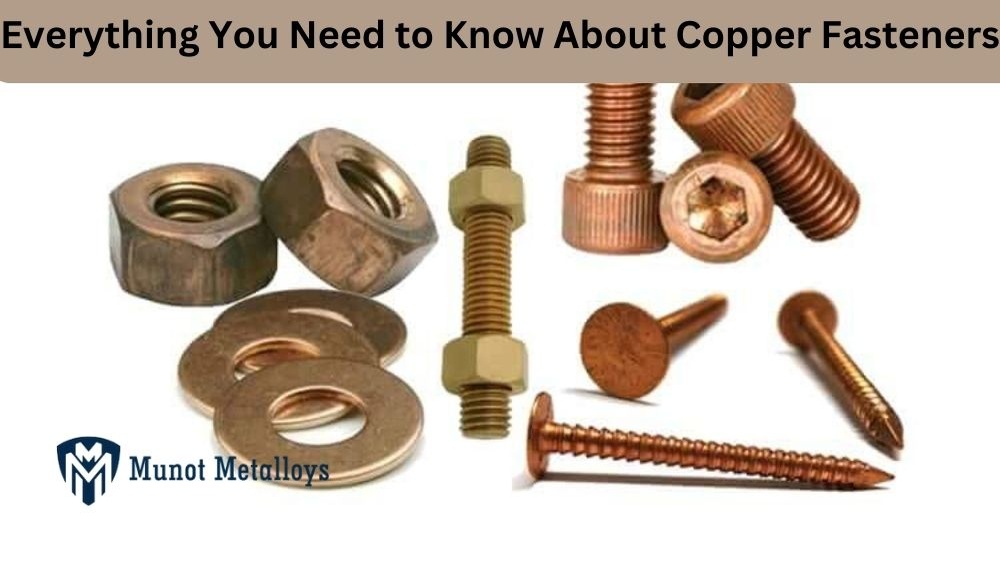
Copper fasteners include nails, screws, and rivets. Copper nails are easy to hammer into wood. Copper screws provide a tight hold with threads. Rivets join metal parts by being pressed or hammered. Each type fits different materials and uses. Choosing the right type ensures a secure and lasting connection.
Benefits Of Copper Fastening
Copper fastening offers many benefits that make it a preferred choice in construction and craftwork. It combines strength, beauty, and long-lasting qualities. These advantages help projects last longer and look better.
Corrosion Resistance
Copper fasteners resist rust and corrosion very well. They perform strongly in wet or salty environments. This makes copper perfect for outdoor use and marine projects. The natural protective layer on copper prevents damage over time. It keeps the fasteners strong and safe.
Strength And Durability
Copper fasteners provide reliable strength for many tasks. They hold materials tightly without breaking or bending easily. Copper’s durability means less maintenance is needed. Structures stay solid and secure for years. This saves money and effort in repairs.
Aesthetic Appeal
Copper adds a warm, attractive look to any project. Its natural color changes beautifully with age, creating a unique patina. This adds charm and character to buildings and crafts. Copper fasteners blend well with wood, stone, and metal. They improve the overall appearance quietly and elegantly.
Common Applications
Copper fastening is used in many fields. Its strength and resistance to corrosion make it popular. The ability to conduct electricity and heat adds to its value. Below are common areas where copper fasteners are often found.
Construction And Architecture
Copper fasteners hold materials in buildings and structures. They resist rust, lasting longer in outdoor use. Roofs, gutters, and flashing often use copper fasteners. These fasteners secure wood, metal, and other materials. Their durability helps maintain structural integrity over time.
Electrical And Plumbing
Copper fasteners are ideal for electrical work. They conduct electricity without corroding. This makes connections safer and more reliable. In plumbing, copper fasteners hold pipes and fittings firmly. They withstand moisture and prevent leaks effectively.
Art And Craft
Artists use copper fasteners in creative projects. Their warm color adds beauty to designs. Copper nails and rivets join pieces of metal or wood. They provide both function and decoration. Craftspersons value copper for its easy shaping and lasting strength.

Credit: www.asiadsteels.com
Techniques For Copper Fastening
Copper fastening involves joining copper pieces using various methods. These techniques ensure strong, durable connections. Each method suits different projects and needs. Understanding these techniques helps choose the right one for your work.
Soldering And Brazing
Soldering and brazing use heat to join copper parts. A filler metal melts and flows between the copper pieces. It cools and solidifies, creating a strong bond. Soldering uses lower temperatures than brazing. Both techniques offer leak-proof and clean joints.
Riveting
Riveting joins copper pieces by pressing a metal pin through holes. The pin’s ends are deformed to hold parts tightly. This method works well for thin copper sheets. Riveting is strong and does not require heat. It allows quick assembly and easy repairs.
Mechanical Fastening Methods
Mechanical fastening uses screws, bolts, or clamps to join copper parts. These fasteners hold pieces firmly without heat. This method allows easy disassembly if needed. It suits projects needing strong, adjustable connections. Mechanical fastening provides flexibility and reliability.
Choosing The Right Copper Fastener
Choosing the right copper fastener is essential for a secure and long-lasting hold. Copper fasteners come in various types and sizes. Each type suits different projects and conditions. Understanding key factors helps in making the best choice.
Material Compatibility
Copper fasteners work best with certain materials. They resist corrosion when paired with wood, especially cedar and redwood. Avoid mixing copper with steel or aluminum without proper insulation. This prevents rust and damage. Ensure the fastener matches the material to maintain strength.
Load Requirements
Consider the weight and pressure the fastener will hold. Heavy loads need thicker and stronger copper fasteners. Light loads can use smaller sizes. Choosing the right size prevents loosening or breaking. Always check the load capacity before selecting a fastener.
Environmental Factors
Weather affects copper fasteners’ performance. Copper resists moisture and salt, ideal for outdoor use. In coastal areas, copper fasteners last longer than steel. High humidity or rain requires corrosion-resistant fasteners. Match the fastener to the environment for durability.

Credit: www.vihasteel.com
Maintenance And Longevity
Maintaining copper fastening ensures it lasts longer and stays strong. Proper care helps prevent damage and keeps the metal looking good. Regular upkeep saves money by avoiding early replacements.
Preventing Tarnish
Copper tends to tarnish over time when exposed to air and moisture. Keep it dry to slow tarnish. Use protective coatings like clear lacquer for extra defense. Store copper fastening in a cool, dry place. Avoid contact with chemicals that cause corrosion.
Cleaning Methods
Clean copper fastening gently to avoid scratches. Use mild soap and warm water for regular cleaning. A soft cloth works well to wipe off dirt. For tougher stains, use a mixture of vinegar and salt. Rinse thoroughly and dry with a soft towel after cleaning.
Inspection Tips
Check copper fastening regularly for signs of wear or damage. Look for cracks, corrosion, or loose parts. Tighten any loose fasteners to maintain strength. Early detection of problems helps fix issues before they worsen. Keep a maintenance log to track inspections and repairs.

Credit: allpointsfasteners.com
Frequently Asked Questions
What Is Copper Fastening Used For?
Copper fastening is used to join materials in construction and manufacturing. It offers corrosion resistance and durability, making it ideal for marine and electrical applications.
How Does Copper Fastening Compare To Other Metals?
Copper fastening resists rust better than steel and aluminum. It also conducts electricity well, making it preferred in electrical and plumbing projects.
Are Copper Fasteners Suitable For Outdoor Use?
Yes, copper fasteners are excellent for outdoor use. They withstand weather and corrosion, ensuring long-lasting strength in exposed environments.
What Types Of Copper Fasteners Exist?
Common copper fasteners include nails, screws, bolts, and rivets. Each type suits different applications, from woodworking to electrical installations.
Conclusion
Copper fastening offers a strong and reliable way to join materials. It resists rust and lasts for many years. This method suits many projects, from construction to crafts. Copper’s natural properties make it easy to work with. Choosing copper fasteners helps ensure durability and quality.
Understanding this technique can improve your work results. Simple, effective, and trusted—copper fastening remains a smart choice.