Have you ever needed to join papers or materials quickly and securely without a hassle? Making your own brad fastener might be the simple solution you’re looking for.
It’s easier than you think, and once you know how, you’ll save time and money on organizing or crafting projects. In this guide, you’ll discover clear, step-by-step instructions to create a brad fastener that works perfectly every time. Ready to make your tasks smoother and more efficient?
Let’s get started!
Credit: www.walmart.com
Materials Needed
Gathering the right materials is key to making a strong brad fastener. Each item plays an important role in the process.
Having all supplies ready saves time and makes the project easier. Below are the essential materials you will need.
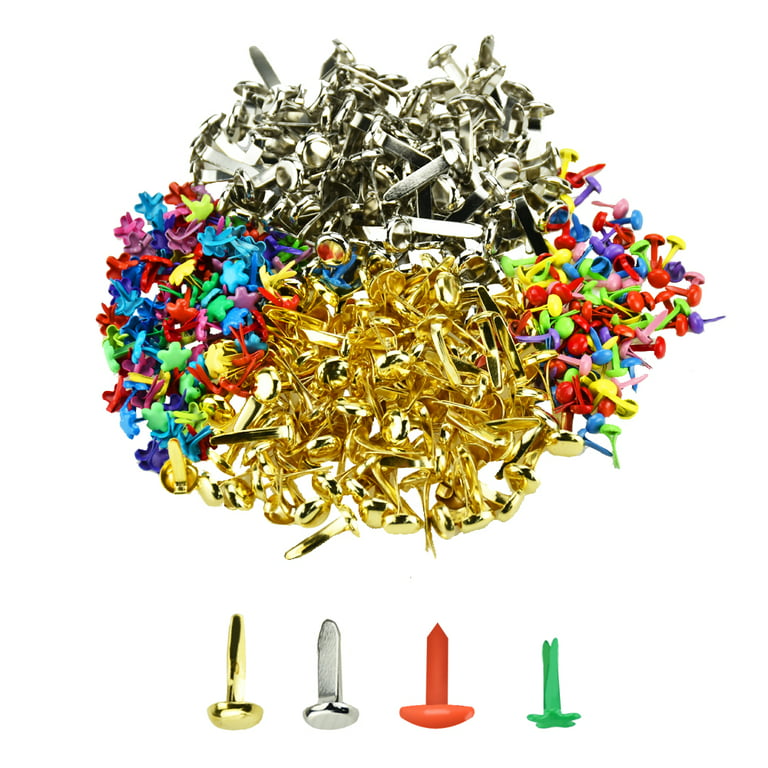
Brad Fastener Prongs
These are the metal pieces that hold papers together. Choose prongs made from sturdy metal to ensure durability.
Metal Washer
The washer secures the prongs in place. It helps keep the papers tightly fastened without slipping.
Paper Or Cardstock
Use paper or cardstock to create the parts you want to bind. Thicker paper works best for strength.
Scissors Or Paper Cutter
Sharp scissors or a paper cutter help cut the materials cleanly. Smooth edges make the fastener look neat.
Hole Punch
A hole punch makes the holes for the prongs. It ensures the holes are the right size and position.
Ruler And Pencil
Use a ruler and pencil to measure and mark where to punch holes. Accurate marks improve the fastener’s fit.

Credit: www.amazon.com
Tools Required
Making a brad fastener requires some simple tools. These tools help you work quickly and neatly. Using the right equipment makes the process easier and the result stronger.
Prepare all tools before you start. This saves time and avoids frustration. Below are the main tools needed to make a brad fastener at home.
Brad Fastener Punch
This tool creates holes in paper or thin material. It makes a clean, round hole for the fastener’s prongs. Using a punch helps avoid tearing the paper.
Brad Fastener Prongs
Prongs are metal pieces that hold papers together. They come with a flat head and two thin legs. Choose prongs that fit your paper thickness.
Cutting Tool
Use scissors or a craft knife to trim paper or adjust fastener length. Sharp blades give precise cuts. Handle carefully to avoid accidents.
Flat Surface
A sturdy table or board supports your work. It keeps paper steady when punching holes or folding prongs. A flat surface improves accuracy.
Optional: Ruler And Pencil
These help mark where to punch holes. Measuring ensures even spacing and neat appearance. Mark lightly to avoid visible lines.
Preparing The Wire
Preparing the wire is a key step in making a brad fastener. The wire must be right for strength and size. Getting this step right helps the fastener work well and last longer.
Focus on choosing the correct wire type and cutting it to the right length. Both parts need care and attention. This section shows how to prepare the wire for the best results.
Choosing The Right Wire
Select wire made of steel or brass for strength. These metals bend without breaking. Avoid soft or thin wire that may snap easily.
Pick wire with a thickness around 1mm to 1.5mm. Thicker wire is harder to shape. Thinner wire may not hold papers tightly.
Make sure the wire is smooth and free from rust. Rough wire can damage the papers or your tools.
Cutting To Size
Cut the wire into small pieces about 6 to 8 cm long. This length fits most brad fastener needs.
Use wire cutters for a clean cut. Jagged ends can be hard to work with.
Hold the wire steady while cutting. This prevents the wire from bending or slipping.
Shaping The Fastener
Shaping the fastener is a key step in making a brad fastener. This step gives the fastener its form and functionality. It involves crafting the prongs and creating the head. Each part must be shaped carefully for the fastener to work well.
Forming The Prongs
Start by cutting the metal strip to the needed length. Then, split one end into two thin prongs. These prongs need to be straight and even. Use pliers to shape them carefully. The prongs must be flexible enough to bend around papers.
Creating The Head
The other end of the strip forms the fastener’s head. Flatten this end using a small hammer or press. The head should be round and smooth. It holds the prongs together and stops them from pulling through paper. Make sure the head is strong but not too thick.
Finishing Touches
Finishing touches make your brad fastener safe and reliable. These final steps improve both function and look. Careful work here prevents problems later. Focus on two key areas: smoothing edges and testing the fastener.
Smoothing Edges
Use fine sandpaper or a file to smooth all sharp parts. Rough edges can cause paper tears or hurt fingers. Take your time to create soft, rounded edges. A smooth fastener is easier to handle and lasts longer.
Testing The Fastener
Check the fastener by folding and unfolding the prongs several times. Ensure it opens and closes smoothly without bending out of shape. Test with some paper to see if it holds well. A well-tested fastener stays secure and works every time.

Credit: www.youtube.com
Tips For Efficiency
Making a brad fastener can be simple and quick with the right methods. Efficiency saves time and effort. Using smart techniques helps keep your work neat and steady.
Follow these tips to work faster and better. Small changes can make a big difference. Focus on preparation and tools to improve your process.
Prepare All Materials Before Starting
Gather paper, brad fasteners, and tools first. This avoids stopping work to find things. Keep everything close and organized. Preparation helps maintain a smooth workflow.
Use The Right Tools
Choose a sharp hole punch or awl to make holes. A good tool makes clean holes fast. Avoid forcing tools that slow your work. Use pliers to bend brads easily and securely.
Create Consistent Holes
Mark hole spots clearly on papers. Use a ruler or template for accuracy. Consistent holes make the fastener fit better. This prevents paper damage or misalignment.
Work In Small Batches
Handle a few sheets at once, not many. Small groups are easier to punch and fasten. This reduces mistakes and keeps papers neat. Avoid overloading to keep control.
Practice Proper Folding Techniques
Bend the brad legs flat against paper carefully. Press firmly for a tight hold. Smooth folds stop edges from catching or tearing. Proper folding keeps fasteners strong and tidy.
Common Mistakes To Avoid
Making a brad fastener can be simple but mistakes often happen. These errors can cause weak binding or damage your materials. Avoiding common mistakes saves time and effort. It also helps create a neat, strong fastener.
Choosing The Wrong Size Brad
Using a brad too short or too long affects the hold. Too short won’t secure papers well. Too long may poke through and damage the surface. Always measure your paper stack thickness. Pick a brad size slightly longer than that.
Incorrect Folding Of The Legs
Folding the brad legs unevenly weakens the grip. Legs must fold flat and spread wide. Press them gently against the back. Avoid sharp bends that can break the brad or tear paper.
Not Aligning Holes Properly
Misaligned holes cause trouble inserting the brad. Papers may tear or crumple. Use a hole punch or sharp tool. Make sure holes line up straight on all sheets.
Using Low-quality Materials
Cheap brads or thin paper can ruin your project. Low-quality brads bend or break easily. Thin paper tears under pressure. Choose strong brads and sturdy paper for best results.
Frequently Asked Questions
What Materials Are Needed To Make A Brad Fastener?
To make a brad fastener, you need metal strips or brads, a punch tool, a hammer, and a metal file. These tools help shape and secure the fastener properly. Using quality materials ensures durability and smooth operation.
How Do You Shape The Prongs Of A Brad Fastener?
First, cut metal strips into prong shapes. Then, use a hammer and punch tool to flatten and round the tips. This prevents paper damage and ensures easy insertion through documents.
Can I Make A Brad Fastener Without Special Tools?
Basic tools like scissors, a hammer, and nails can work for simple brad fasteners. However, specialized tools provide better precision and durability. DIY methods may suit light, occasional use.
How Do You Secure Papers With A Homemade Brad Fastener?
Punch holes through papers and insert the prongs of the brad fastener. Spread the prongs flat on the back to hold papers tightly. This method keeps documents organized and easy to flip.
Conclusion
Making a brad fastener is simple with the right steps. You can save money by creating your own fasteners. Practice helps improve your technique and speed. Use basic tools found at home or in stores. Remember to work carefully for a strong hold.
This skill is useful for organizing papers neatly. Try making different sizes to fit your needs. Enjoy the process and keep your workspace tidy. Now, you have the know-how to make a brad fastener easily.