Have you ever wondered why some shoes fit just right and stay secure all day? The secret often lies in the type of fastening they use.
Lace up fastening is one of the most common and effective ways to keep your footwear snug and comfortable. But what exactly is lace up fastening, and why does it matter to you? Understanding this simple yet clever design can change the way you choose and wear your shoes, making every step feel better.
Keep reading to discover how lace up fastening works and why it might be the perfect fit for your needs.
Lace Up Fastening Basics
Lace up fastening is a popular method to secure shoes, boots, and clothing. It uses laces threaded through eyelets or hooks to tighten and hold the item in place. This style offers adjustability, comfort, and a classic look. Simple but effective, lace up fastening suits many different designs and uses.
Types Of Lace Up Fastenings
There are several types of lace up fastenings. The most common is the criss-cross pattern, where laces cross over each other. Another type is the straight bar lacing, which creates a clean, neat look. Some shoes use loop lacing or zipper lacing for added style and function. Each type changes the shoe’s fit and appearance.
Materials Used In Laces
Laces come in many materials, each with unique benefits. Cotton laces are soft and easy to tie. Polyester laces are strong and resist water well. Leather laces provide a stylish, durable option for boots. Nylon laces offer flexibility and strength. Choosing the right material affects comfort and durability.
Common Eyelet Styles
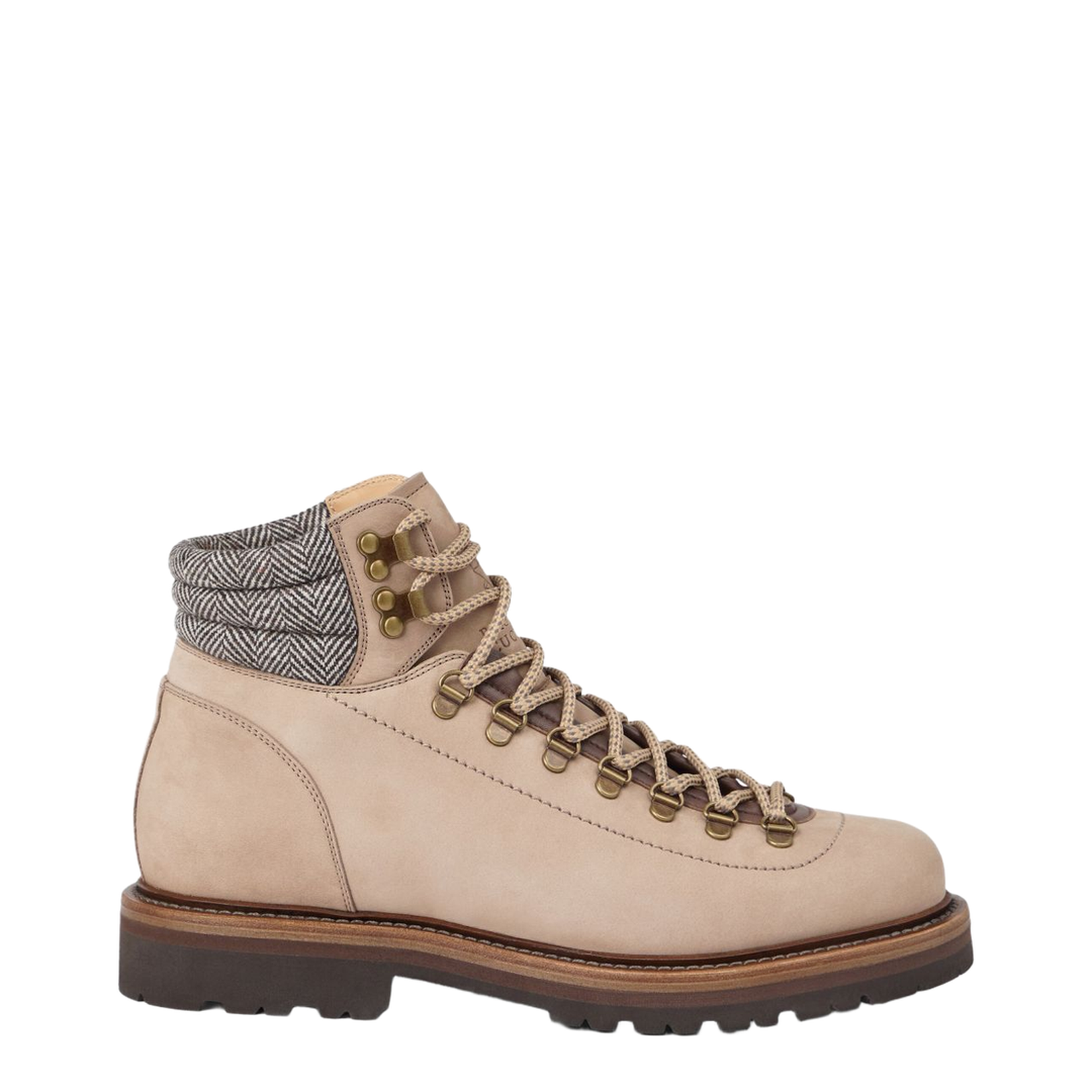
Eyelets hold the laces in place and come in various styles. Metal eyelets are durable and prevent lace wear. Fabric eyelets are sewn directly into the shoe for a smooth look. Some shoes use hooks or D-rings instead of eyelets for quick lacing. The style of eyelet impacts both function and fashion.
Credit: mayfeyr.com
History And Evolution
The history and evolution of lace-up fastening reveal its lasting impact on fashion and function. This simple method of securing shoes and clothing has a rich past. It has adapted through centuries to meet changing needs and styles.
From ancient times to today, lace-up designs have shown creativity and practicality. Understanding their journey helps appreciate their role in everyday wear.
Origins Of Lace Up Designs
Lace-up fastening began thousands of years ago. Early humans used leather strips or plant fibers to tie footwear. These laces helped keep sandals and boots secure on rough terrain.
Archaeologists found laced shoes in Europe dating back to 3,000 BC. The design allowed easy adjustment and better fit than slip-on shoes.
Cultural Significance Over Time
Lace-up fastenings gained symbolic meaning in many cultures. In medieval Europe, laced boots showed social status. Tight lacing often signaled wealth or fashion sense.
In Asia, lace-up closures appeared in traditional garments and armor. The method combined utility with decorative patterns.
Over time, laces became part of uniforms, sportswear, and everyday clothing worldwide. They reflected identity and practicality.
Modern Adaptations
Today, lace-up fastening remains popular for shoes, corsets, and bags. Designers use various materials like nylon, cotton, and leather.
Innovations include elastic laces and quick-release systems. These add comfort and convenience without losing style.
Lace-up designs now blend tradition with modern needs. They offer a customizable fit and timeless appeal.
Style Variations
Lace up fastening offers many style variations. It suits different looks and occasions. The way laces are tied changes the whole outfit’s feel. Laces bring charm to casual, formal, and trendy styles. Each style uses laces in unique ways. This section explains popular lace up style variations.
Casual Looks With Laces
Laces add a relaxed touch to casual wear. Sneakers and boots use simple lacing styles. Loose or crisscross laces create a laid-back vibe. Casual laces often have bright or neutral colors. They make everyday clothes look fresh and fun. Perfect for jeans, shorts, and casual jackets.
Formal And Elegant Uses
Formal shoes use neat, tight lace patterns. Straight or bar lacing adds a clean look. Dark, thin laces suit suits and dress shoes. Laces here are subtle and classic. They highlight elegance and neatness. Great for weddings, offices, and formal events.
Trendy Patterns And Colors
Laces come in many patterns and colors now. Bright shades and prints add bold style. People mix colors for a unique look. Patterns like stripes and polka dots stand out. Trendy laces give shoes a modern edge. Perfect for fashion lovers who want to experiment.

Credit: shoesandsox.com.au
Functional Advantages
Lace-up fastening offers several key benefits that improve how shoes and other items fit and feel. These advantages make laces a popular choice for many types of footwear and gear.
They help users get the right fit, provide good support, and last a long time with proper care. Let’s explore these benefits in detail.
Adjustability And Fit
Laces allow precise control over tightness. You can easily loosen or tighten them.
This adjustability helps shoes fit different foot shapes and sizes. It also helps avoid pressure points and discomfort.
Lace-up fastening adapts well to swelling feet or changing activity levels.
Support And Comfort
Laces offer strong support by holding the foot securely. This reduces slipping inside the shoe.
Good support prevents injuries and improves balance. It also makes walking or running more comfortable.
The even pressure of laces spreads across the foot, reducing strain on specific areas.
Durability Factors
Laces are usually made from tough materials like nylon or cotton blends. These resist wear and tear.
They can handle repeated tying and untying without breaking easily.
Replacing laces is simple and inexpensive, extending the life of shoes or gear.
How To Lace Up Correctly
Lacing up shoes correctly makes them comfortable and secure. It helps avoid foot pain and slipping. Learning the right way improves shoe fit and style. This section shows basic and creative lacing methods. It also shares tips to keep laces neat and long-lasting.
Basic Lacing Techniques
Start with even lace ends. Put the lace through the bottom eyelets from outside in. Pull the laces up and cross them over. Thread each lace end through the opposite eyelet. Tighten gently to avoid pressure on your foot. Repeat until you reach the top. Tie a simple bow to finish. This method works for most shoes and boots.
Creative Lacing Patterns
Try different styles to change your shoe’s look. Straight bar lacing gives a clean, neat appearance. Criss-cross lacing is classic and strong. Ladder lacing adds extra support for hiking or sports. Use colored laces to brighten plain shoes. Creative lacing can fit different foot shapes better. Experiment with patterns for comfort and style.
Tips For Maintenance
Keep laces clean by washing them gently. Replace worn or frayed laces quickly. Avoid pulling laces too tight to prevent damage. Store shoes with laces tied loosely. Check laces regularly for signs of wear. Proper care helps laces last longer. Neat laces improve your shoe’s overall look.
Credit: lisasdanceandexercise.com
Lace Up Fastening In Different Footwear
Lace up fastening is one of the most common ways to secure shoes. It uses strings or laces threaded through eyelets. This method lets you adjust tightness for comfort and fit. Different types of footwear use lace up fastening in unique ways.
Each shoe style has a purpose and design that suits different needs. The way laces work also changes depending on the shoe type. This section explains how lace up fastening appears in various footwear categories.
Sneakers And Sports Shoes
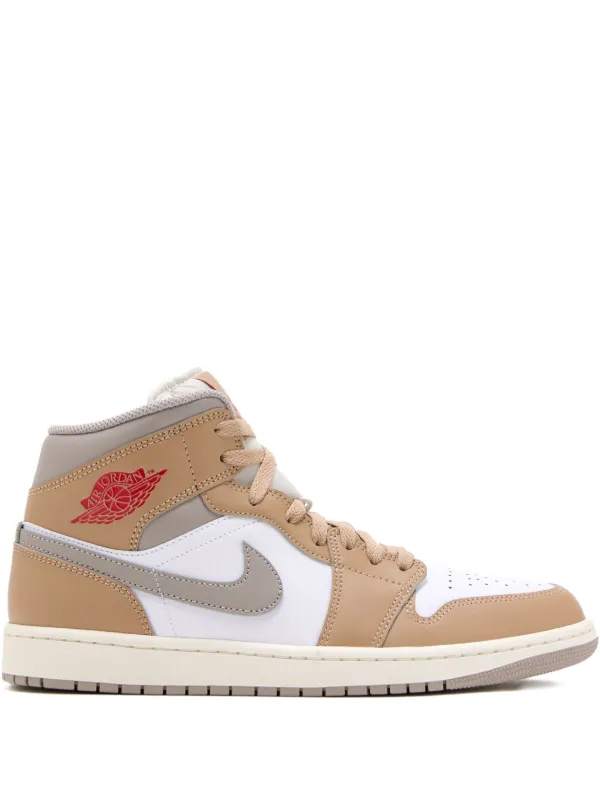
Sneakers and sports shoes often rely on lace up fastening for a snug fit. Laces help keep feet stable during movement. They allow quick tightening or loosening before or after exercise. Breathable materials and flexible soles make them perfect for active use. Lace ups add to the comfort and support needed for sports.
Boots And Outdoor Shoes
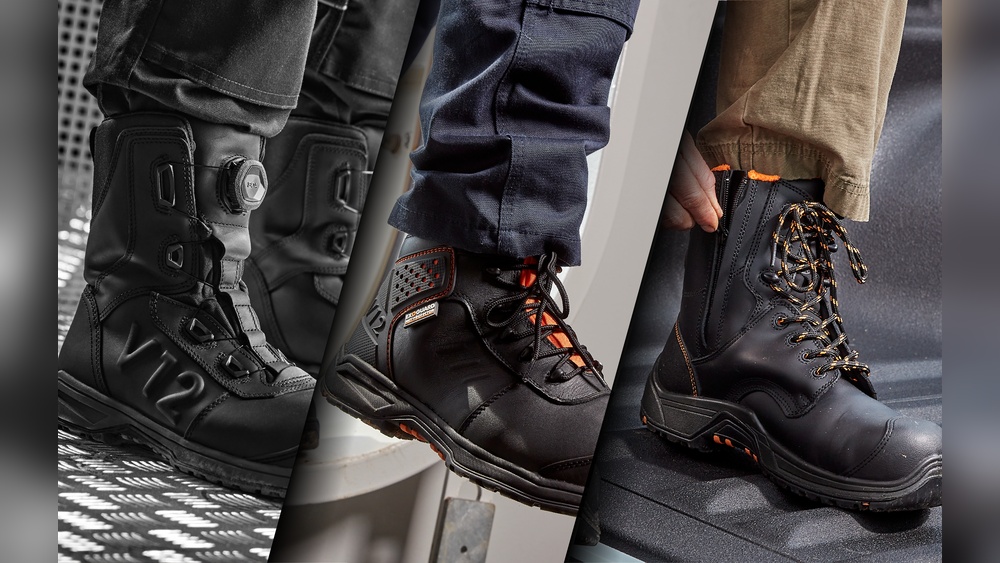
Boots and outdoor shoes use lace up fastening for strong hold and protection. Thick laces and durable eyelets secure the shoe around the ankle. This prevents dirt, water, and debris from entering. The lace system supports rough terrain walking and keeps feet steady. Lace up boots are common for hiking, work, and cold weather.
Dress Shoes And Formal Footwear
Dress shoes often feature lace up fastening for a classic, polished look. Thin laces and neat eyelets create a tidy appearance. The laces adjust tightness for comfort during long wear. Lace up formal shoes suit business and special occasions. They combine style with practicality for everyday use.
Care And Replacement
Lace up fastenings need care to last longer and work well. Proper cleaning keeps laces strong and looking good. Replacing old laces helps keep your shoes safe and comfortable. Choosing the right replacement lace makes a big difference in fit and style.
Cleaning Laces
Remove laces from shoes before cleaning. Use warm water and mild soap to wash them. Gently scrub with a soft brush or cloth. Rinse well and air dry completely. Avoid harsh chemicals that can damage the material.
When To Replace Laces
Replace laces if they fray or break easily. If knots don’t hold, laces may be too worn. Color fading is also a sign to replace. Strong, intact laces keep your shoes secure and comfortable.
Choosing The Right Replacement
Match lace length to your shoe’s eyelets. Pick a lace material that fits your shoe type. Cotton laces work well for casual shoes. Synthetic laces suit sports shoes and outdoor boots. Choose a color that matches or contrasts nicely.
Frequently Asked Questions
What Is Lace Up Fastening Used For?
Lace up fastening secures shoes, boots, and garments tightly. It offers adjustable fit and support for comfort and stability.
How Does Lace Up Fastening Work?
Lace up fastening works by threading laces through eyelets or hooks. Tightening the laces adjusts the fit to the wearer’s preference.
Are Lace Up Fastenings Better Than Zippers?
Lace up fastenings provide customizable tightness and flexibility. Zippers offer quick closure but less adjustability and support.
What Materials Are Used In Lace Up Fastening?
Lace up fastenings use materials like cotton, polyester, or leather laces. Eyelets are often metal or reinforced fabric for durability.
Conclusion
Lace up fastening offers a simple and effective way to secure shoes and clothes. It allows easy adjustment for comfort and fit. This method has been used for many years and remains popular today. You can find it in various styles and materials.
Understanding lace up fastening helps you choose the right option for your needs. It combines function and style in one easy design. A small detail with big impact on daily wear.