Are you wondering if rivets are really fasteners? You’re not alone.
If you’ve ever worked on a project or looked at how things are held together, you might have seen rivets and asked yourself what exactly they do. Understanding rivets can change the way you approach your work or repairs. This article will clear up the mystery and show you why rivets are essential fasteners you should know about.
Keep reading to discover how rivets work and why they might be the perfect choice for your next project.
Credit: www.scottsdalesteelframes.com
What Rivets Are
Rivets are small metal fasteners used to join two or more pieces of material. They create a strong, permanent bond. These fasteners have been used for centuries in construction, manufacturing, and repair work.
Rivets work by passing through pre-drilled holes in the materials. Then, the tail end is deformed to hold the pieces tightly together. This process does not require threads or adhesives.
Definition Of Rivets
A rivet is a cylindrical metal pin. It has a head on one end. The opposite end is called the tail. When installed, the tail is pressed or hammered to form a second head. This locks the materials firmly.
Materials Used For Rivets
Rivets come in many metals, including steel, aluminum, copper, and brass. Each metal suits different uses. Steel rivets offer high strength. Aluminum rivets resist rust and are lightweight.
Common Shapes Of Rivets
Rivets have various shapes and sizes. The most common is the round head rivet. Others include countersunk, pan head, and flat head rivets. Shape depends on the application and appearance needed.
After insertion, the rivet’s tail is deformed. This deformation creates a second head. It clamps the materials tightly together. This creates a strong, vibration-resistant joint.
Credit: www.kdfasteners.com
Types Of Rivets
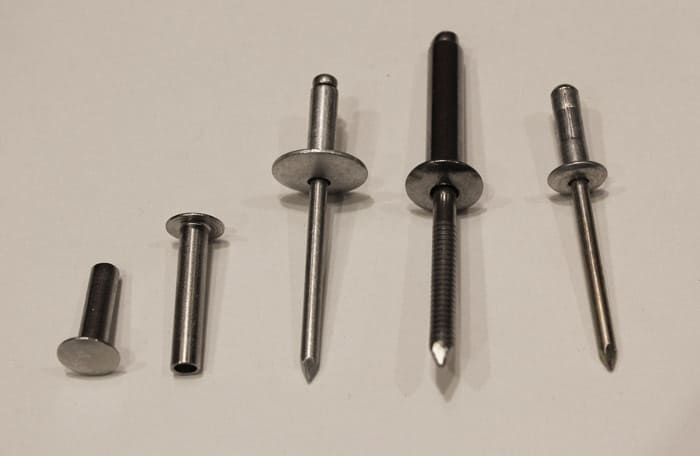
Rivets are simple yet strong fasteners used in many projects. They join two or more pieces of material tightly. Different types of rivets suit different needs. Each type works best for specific jobs and materials. Understanding these types helps choose the right rivet for your work.
Solid Rivets
Solid rivets are the oldest and most common type. They consist of a solid metal shaft with a head. To install, the end is hammered or pressed to form a second head. This creates a strong, permanent bond. They are widely used in construction and aircraft.
Blind Rivets
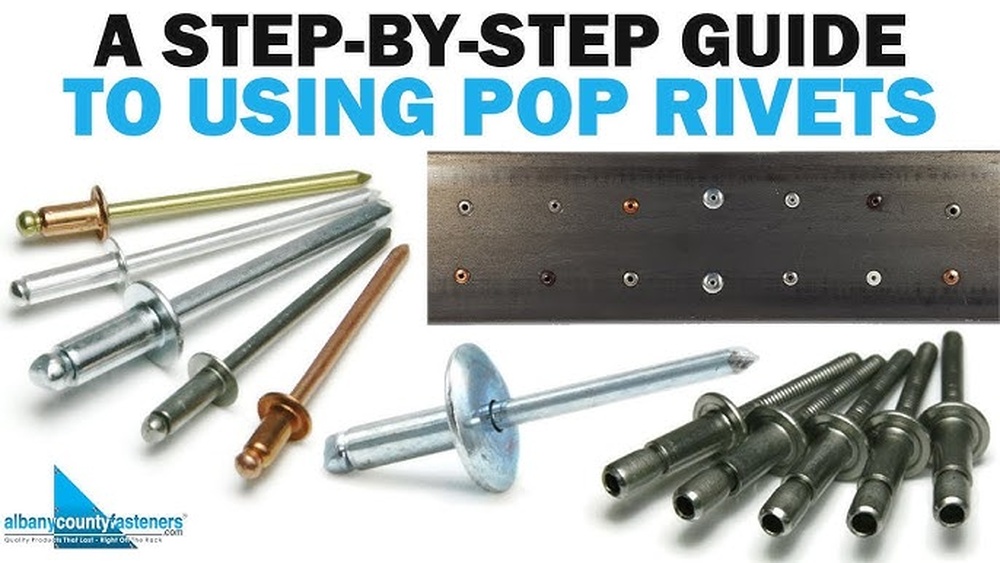
Blind rivets are also called pop rivets. They work when you can only access one side of the material. A mandrel pulls through the rivet body to expand it and hold materials together. They are easy to install with special tools. Common in automotive and home repairs.
Semi-tubular Rivets
Semi-tubular rivets have a hollow end. This design allows easier deformation during installation. They need less force to set compared to solid rivets. Used often in electronics and light machinery. Ideal for thin materials.
Drive Rivets
Drive rivets have a long mandrel that is driven into the rivet body. This expands the rivet and fastens materials securely. They do not require special tools. Often used for attaching nameplates or light fixtures. Quick and simple to use.
Flush Rivets
Flush rivets, also called countersunk rivets, sit flat with the surface. This creates a smooth finish. Common in aircraft and automotive industries. They reduce air resistance and improve appearance. Installed by countersinking a hole before setting the rivet.
How Rivets Work
Rivets are simple but strong fasteners used in many industries. They join two or more pieces of material firmly. Understanding how rivets work helps to see why they are reliable. They create lasting bonds that do not loosen over time. This makes them ideal for permanent connections.
Rivet Installation Process
First, a hole is drilled through the materials to join. The rivet is then inserted into this hole. One end of the rivet is flat and holds it in place. The opposite end is deformed to secure the rivet tightly. Tools like a hammer or a rivet gun shape this end. This process clamps the materials together firmly.
Creating Permanent Joints
Once installed, the rivet forms a solid joint. The deformed end expands inside the hole. This stops the rivet from moving or pulling out. The joint remains strong even under stress or vibration. Unlike screws, rivets do not back out or loosen easily. This makes rivets perfect for long-lasting assemblies.
Advantages Of Rivet Fasteners
Rivet fasteners offer many benefits in various industries. They provide reliable and long-lasting connections. These fasteners are simple to install and maintain. Their design suits many materials and applications. Here are some key advantages of rivet fasteners.
Strength And Durability
Rivets create strong joints that hold materials tightly. They resist pulling and shear forces well. This strength makes them ideal for heavy-duty use. Rivets do not loosen over time easily. Their durability ensures structures stay secure for years.
Resistance To Vibration
Vibration can loosen many types of fasteners. Rivets, however, remain firmly in place. Their fixed shape absorbs vibration without damage. This quality is essential in machines and vehicles. It keeps connections safe and stable during movement.
Cost-effectiveness
Rivets are affordable compared to many other fasteners. They require less maintenance and replacement. Installation is quick and needs basic tools. This saves time and labor costs. Using rivets reduces overall project expenses effectively.
Common Applications
Rivets are simple yet strong fasteners used in many fields. They join materials securely without screws or bolts. Their design suits different shapes and materials well. Industries rely on rivets for lasting connections. The following sections explain where rivets are most often used.
Aerospace Industry
Rivets hold aircraft parts tightly together. They join metal sheets and structural parts. Rivets handle stress and vibration during flights. Their lightweight nature helps keep planes efficient. Safety depends on strong rivet connections in aircraft.
Automotive Sector
Car manufacturers use rivets to attach panels and frames. Rivets keep parts aligned and secure under pressure. They resist heat and movement from the engine. Rivets help build cars that last longer on roads. Maintenance is easier with riveted parts.
Construction Projects
Buildings and bridges use rivets for steel framework. Rivets connect beams and metal plates firmly. They offer strength where welding is difficult. Rivets help structures resist wind and weight. Construction crews prefer rivets for quick, reliable fastening.
Consumer Products
Many everyday items use rivets for assembly. Rivets appear in furniture, electronics, and appliances. They provide durable joints that withstand daily use. Rivets keep parts from loosening over time. Their simple design suits mass production well.
Comparing Rivets With Other Fasteners
Rivets are a common type of fastener used in many industries. They join materials by creating a permanent bond. Comparing rivets with bolts, screws, and welding helps to understand their best uses. Each fastener has its strengths and weaknesses. This guide shows how rivets stand against other options.
Rivets Vs Bolts
Rivets create a fixed joint that does not loosen easily. Bolts can be removed and reused many times. Rivets work well for joining thin materials and large surfaces. Bolts are better for heavy loads and parts that may need repair. Rivets require less space because they do not need a nut. Bolts need more room to tighten and hold parts firmly.
Rivets Vs Screws
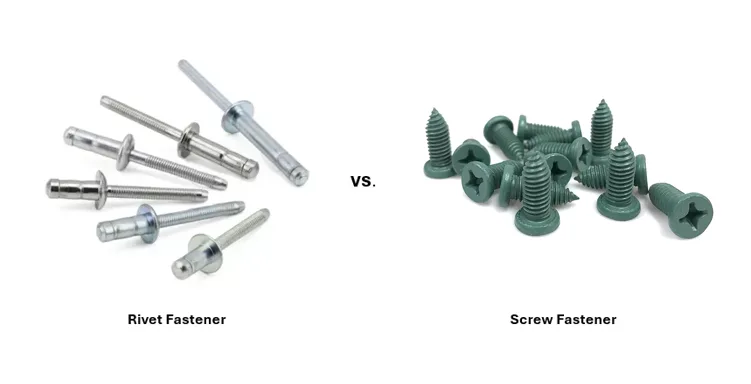
Screws are easier to install and remove than rivets. Rivets provide a stronger, more permanent hold. Screws work best for light to medium loads. Rivets are preferred where vibration or movement might loosen screws. Screws can damage thin materials by pulling through. Rivets spread force over a larger area, reducing damage.
Rivets Vs Welding
Welding fuses metal parts into one piece. Rivets join parts mechanically without heat. Welding is stronger but needs skilled workers and special equipment. Rivets are faster to install and safer for thin materials. Welding can cause warping or weaken metal near the joint. Rivets avoid heat damage and keep materials intact.
Selecting The Right Rivet
Selecting the right rivet is key to a strong, lasting hold. Rivets come in many types and sizes. Each fits different jobs and materials. Choosing the correct rivet ensures safety and durability. It also saves time and money on repairs.
Material Considerations
Choose rivet material to match the workpieces. Aluminum rivets suit light metals and plastics. Steel rivets offer high strength for tough jobs. Copper rivets resist corrosion and conduct electricity. Consider if metals may react with each other. Avoid rust by picking compatible materials.
Size And Strength
Pick rivet size based on material thickness. Too small rivets may fail under stress. Too large rivets can damage thin materials. Check the grip range to match the parts. Strength ratings help select rivets for heavy loads. Use proper tools for correct rivet installation.
Environmental Factors
Consider where the rivet will be used. Outdoor or marine settings need corrosion-resistant rivets. High heat areas require rivets that tolerate temperature. Choose rivets that resist vibration if parts move often. The right rivet keeps joints safe in harsh conditions.

Credit: baitalnuhas.com
Tools For Riveting
Riveting requires the right tools to join materials firmly. Tools for riveting help make strong, lasting connections. They come in different types depending on the job size and material. Choosing the right tool ensures efficiency and good results. Below are common riveting tools used in many projects.
Hand Rivet Guns
Hand rivet guns are simple and easy to use. They work well for small jobs and light materials. These tools use manual force to pull the rivet and fasten parts. Hand rivet guns are portable and cost-effective. Perfect for DIY, crafts, and small repairs.
Pneumatic Riveters
Pneumatic riveters use compressed air to operate. They make work faster and require less effort than hand tools. Ideal for medium to large projects where many rivets are needed. Pneumatic riveters provide consistent pressure for strong joints. Common in automotive and construction industries.
Hydraulic Riveters
Hydraulic riveters use fluid pressure for powerful riveting action. They handle heavy-duty tasks and thick materials easily. These tools deliver high force with minimal user effort. Used in aerospace, shipbuilding, and industrial manufacturing. Hydraulic riveters ensure secure and durable fastening.
Common Riveting Mistakes
Riveting is a common method to join materials. Many people make simple mistakes that weaken the joint. Avoiding these errors ensures strong, lasting results. Understanding common riveting mistakes helps improve your work quality.
Incorrect Rivet Size
Choosing the wrong rivet size is a frequent error. A rivet too small may not hold parts tightly. A rivet too large can damage the materials. Measure the thickness of materials accurately. Select a rivet size that fits snugly.
Poor Hole Preparation
Holes must be clean and the right size. A hole too large causes loose joints. A hole too small makes insertion hard. Remove dirt and burrs before riveting. Proper hole preparation prevents weak connections.
Improper Installation Technique
Riveting requires correct tools and steady hands. Using the wrong tool can deform the rivet. Not applying enough pressure leads to loose joints. Practice proper technique for firm fastening. Follow manufacturer guidelines to install rivets correctly.
Maintaining Riveted Joints
Maintaining riveted joints is essential for strong, lasting connections. Proper care prevents failures and extends the life of structures. Regular checks and timely repairs keep rivets secure and functional. Understanding key maintenance steps helps avoid costly damage and ensures safety.
Inspection Tips
Check riveted joints often for cracks or loose rivets. Look for any movement or gaps between materials. Use a magnifying glass to spot small cracks or rust. Tap rivets gently with a hammer to hear if they are loose. Note any unusual wear or damage on surrounding areas.
Repair Methods
Replace damaged or loose rivets immediately to maintain strength. Drill out old rivets carefully before inserting new ones. Use the same type and size of rivet for repairs. Tighten rivets properly to avoid weak joints. For minor cracks, apply metal filler or welding if possible.
Preventing Corrosion
Apply protective coatings like paint or sealant on riveted joints. Keep joints dry and clean to stop rust from forming. Use corrosion-resistant rivets such as aluminum or stainless steel. Avoid exposing riveted areas to harsh chemicals or moisture. Regularly inspect protective layers and reapply as needed.
Frequently Asked Questions
What Are Rivets Used For In Fastening?
Rivets are used to permanently join two or more materials. They provide strong, reliable fastening in metal, plastic, and wood. Rivets are common in construction, automotive, and aerospace industries due to their durability and resistance to vibration.
How Do Rivets Differ From Screws And Bolts?
Rivets create a permanent joint, unlike screws or bolts which can be removed. They do not require threads and are installed by deforming the tail end. Rivets are ideal for applications needing strong, lasting connections without loosening.
Are Rivets Considered Mechanical Fasteners?
Yes, rivets are mechanical fasteners. They physically hold materials together by deforming the rivet body. This mechanical action ensures a secure and vibration-resistant joint, commonly used in structural and industrial applications.
Can Rivets Be Reused After Removal?
No, rivets cannot be reused once removed. They are designed for permanent fastening and deform during installation. Removing rivets usually damages them, requiring replacement with new rivets for reliable fastening.
Conclusion
Rivets are simple, strong fasteners used in many projects. They hold materials tightly without screws or nails. You can find rivets in cars, airplanes, and buildings. They last long and resist vibration well. Choosing the right rivet helps your work stay secure.
Knowing how rivets work makes fixing things easier. They are a reliable choice for many tasks. Simple, strong, and easy to use—rivets do the job.