Have you ever wondered what fasteners really look like up close? You probably use them every day without even noticing.
These small but mighty pieces hold things together, from your furniture to your car. Understanding what fasteners look like can help you choose the right one for your project and avoid costly mistakes. Keep reading, and you’ll discover the different shapes, sizes, and types of fasteners that make your world stick together.
This simple knowledge could save you time and frustration in your next DIY or repair task.
Credit: www.fusiondesigninc.com
Common Fastener Shapes
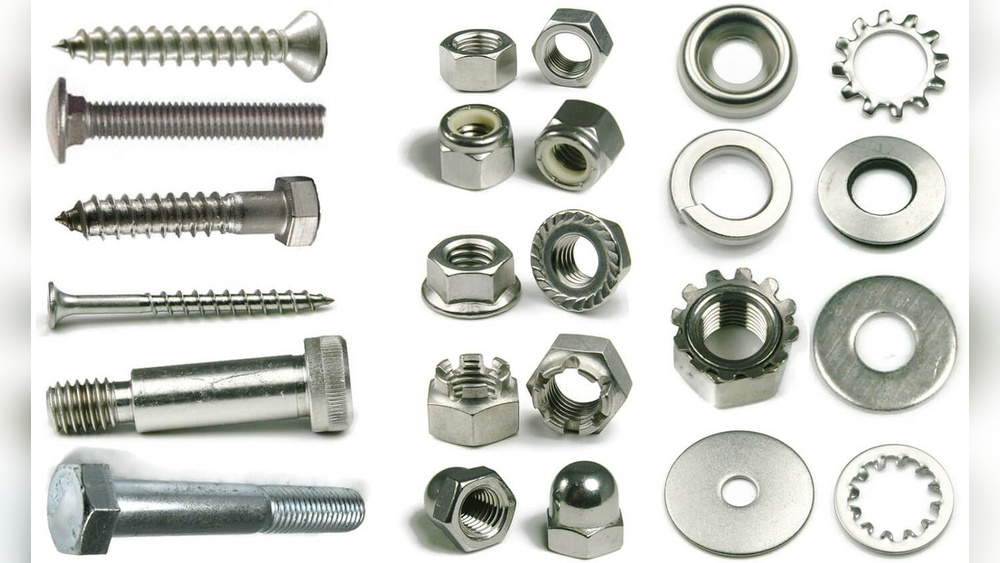
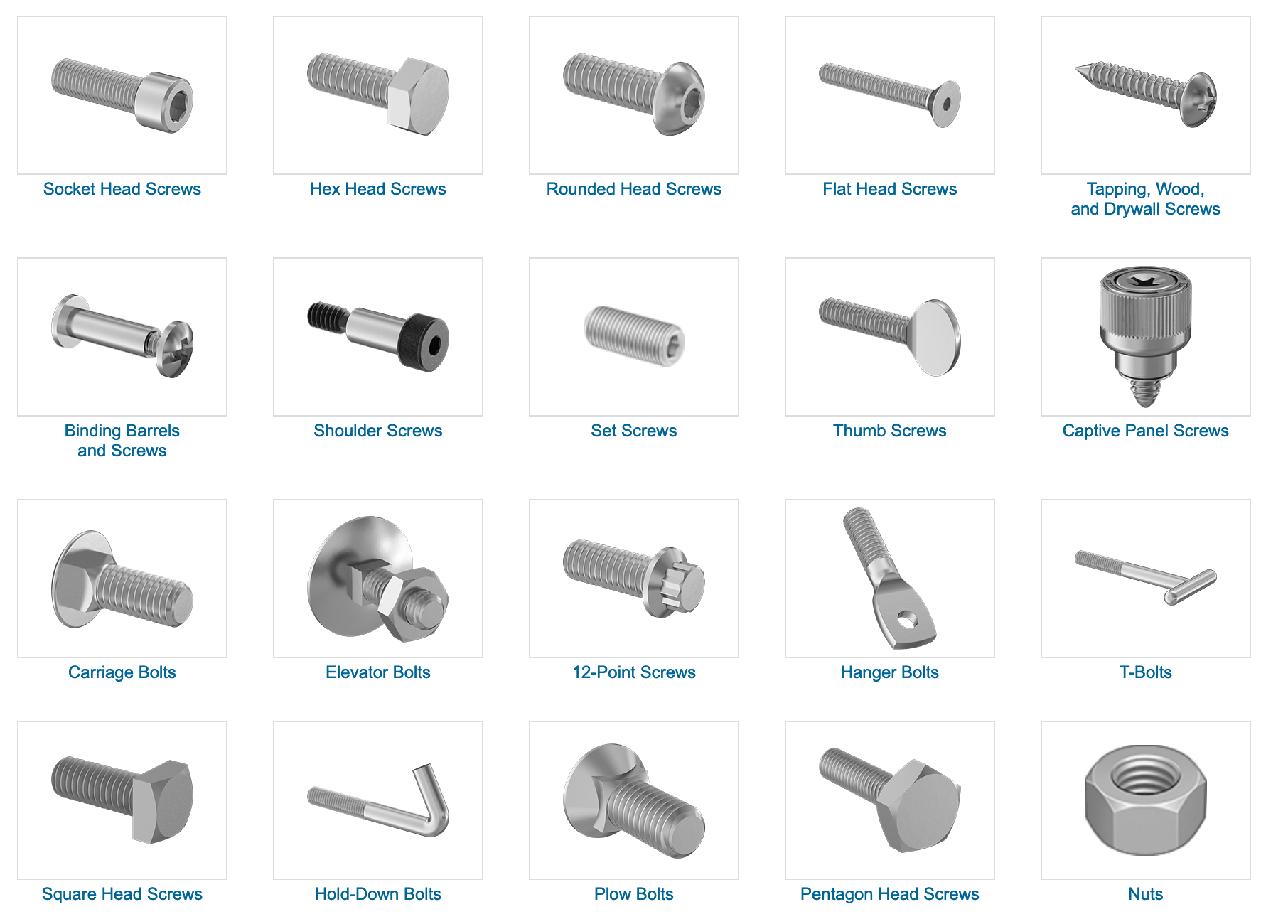
Fasteners come in many shapes. Each shape serves a different purpose. Knowing common fastener shapes helps in choosing the right one. This section explains the basic shapes you often see.
Screws
Screws have a spiral thread around a cylinder. They usually have a pointed tip. The head can be flat, round, or oval. Screws hold materials by digging into them.
Nails
Nails are smooth or slightly ridged metal pins. One end is pointed, the other has a flat head. Nails are hammered into materials to hold them. They rely on friction and force to stay.
Bolts
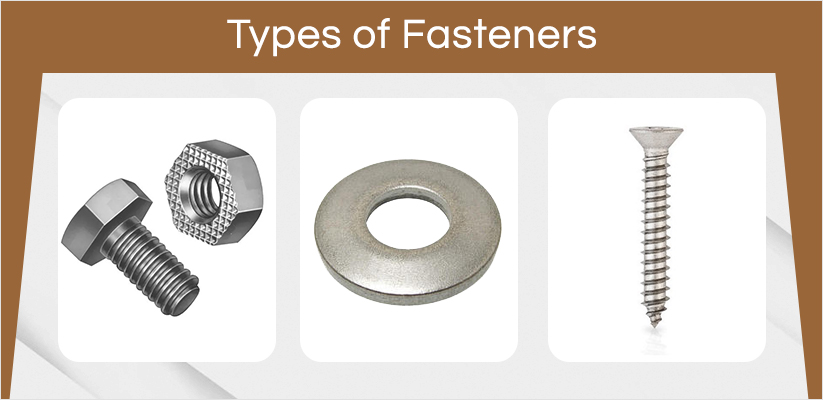
Bolts look like screws but have a flat tip. They need a nut to fasten securely. The head is often hexagonal for wrench use. Bolts provide strong, removable joints.
Washers
Washers are flat, thin discs with a hole in the center. They fit around bolts or screws. Washers spread the load and prevent damage. They help keep fasteners tight over time.
Credit: mccoymart.com
Specialty Fastener Designs
Specialty fasteners serve unique purposes beyond standard bolts and screws. They come in many shapes and sizes. Each design fits specific jobs. These fasteners hold materials in ways regular fasteners cannot.
They offer strong, reliable connections. Some are permanent, while others allow easy removal. Understanding these fasteners helps in choosing the right one for each project.
Rivets
Rivets join two or more materials tightly. They look like small metal pins with a flat head. Rivets are pushed through holes and then deformed to hold parts together. They are often used in metalwork and construction. Rivets do not loosen easily and provide lasting strength.
Anchors
Anchors secure fasteners into soft or hollow materials like drywall or concrete. They look like small plugs or sleeves. When a screw is inserted, the anchor expands to grip the material firmly. Anchors prevent screws from pulling out. They come in plastic, metal, and other materials.
Clips
Clips hold objects together by gripping or snapping into place. They often have flexible arms or hooks. Clips are used in automotive, electronics, and furniture assembly. They allow quick attachment and removal without tools. Clips come in various shapes to fit different applications.
Pins
Pins are simple fasteners that fit into holes to hold parts together. They often look like thin rods with a head on one end. Pins can be straight, curved, or have locking features. They provide alignment or keep pieces from moving apart. Pins are easy to install and remove.
Head Styles And Their Uses
Fasteners come with different head styles. Each head type serves a specific purpose. Knowing these styles helps in choosing the right fastener for a job. The shape of the head affects how the fastener sits on or in the material.
Flat Head
Flat head fasteners have a flat top and a conical shape underneath. They sit flush with the surface once installed. This style is ideal for wood or metal projects needing a smooth finish. It prevents snagging or catching on other objects.
Round Head
Round head fasteners have a domed, smooth top. They stand out above the surface after installation. This type is common in decorative or light-duty work. It allows easy gripping for manual tightening or loosening.
Pan Head
Pan head fasteners feature a flat top with rounded edges. They have a slightly raised profile. This head style offers a good balance between appearance and strength. It works well for attaching thin materials.
Hex Head
Hex head fasteners have six flat sides for wrench use. They provide strong grip and high torque. This style suits heavy-duty construction and machinery. It allows easy tightening with tools like sockets or spanners.
Thread Types And Patterns
Fasteners come with different thread types and patterns. These threads help fasteners hold materials tightly. They also affect how easy it is to screw or unscrew them. Understanding thread types helps you pick the right fastener for your project.
Coarse Thread
Coarse threads have fewer threads per inch. They are thick and spaced far apart. This makes them strong and less likely to strip. Coarse threads work well in soft materials like wood or plastic. They are easier to install quickly.
Fine Thread
Fine threads have more threads per inch than coarse threads. They are thinner and closer together. Fine threads hold better in metal and hard materials. They provide more grip and resist loosening from vibration. These threads require more turns to fasten tightly.
Self-tapping Thread
Self-tapping threads cut their own path in materials. They do not need pre-drilled holes. These threads are common in thin metals and plastics. Self-tapping fasteners save time and effort during assembly. They create strong joints without extra tools.
Materials And Finishes
Fasteners come in many materials and finishes. These choices affect their strength, look, and where they can be used. Each material offers different benefits for specific tasks. Finishes help protect fasteners from rust and wear. They also change the color and texture.
Steel And Stainless Steel
Steel is common for strong fasteners. It holds up well under pressure. Stainless steel does not rust easily. It works well outdoors and in wet places. These fasteners often have a shiny silver look. Steel fasteners can be heavy but very tough.
Brass And Copper
Brass fasteners have a yellow-gold color. They resist corrosion and look decorative. Copper fasteners have a reddish tone. Both are softer than steel but good for light tasks. They are often used in electrical and plumbing jobs. Brass and copper add style and function.
Plastic Fasteners
Plastic fasteners are lightweight and resist rust. They come in many colors and shapes. Plastic is less strong than metal but good for light fixing. These fasteners do not conduct electricity. Ideal for electronics and items needing non-metal parts.
Coatings And Platings
Fasteners often get coatings to stop rust. Zinc plating is common and shiny. It protects steel from water damage. Black oxide gives a dark, smooth finish. Some have chrome or nickel for extra shine and durability. Coatings improve life and look of fasteners.

Credit: en.wikipedia.org
Choosing Fasteners By Appearance
Choosing fasteners by appearance helps ensure they fit both function and style. Fasteners come in many shapes, sizes, and finishes. These visual details affect strength, durability, and how well they blend with materials. Picking the right fastener by look is key for projects needing both strength and good design.
Matching Fastener To Application
Fasteners must suit the materials they join. Wood screws have coarse threads for gripping wood tightly. Machine screws use fine threads for metal parts. The head shape also matters. Flat heads sit flush, while round heads stand out. Choose a finish that resists rust if used outdoors. Correct matching avoids damage and improves hold.
Visual Identification Tips
Notice the fastener’s head style first. Phillips heads have a cross shape, slotted heads have a single groove. Thread type shows its use—coarse threads for soft materials, fine threads for hard ones. Length and thickness affect strength. Color and coating tell about rust resistance. These visual clues help pick fasteners quickly and confidently.
Frequently Asked Questions
What Do Common Fasteners Look Like?
Common fasteners like screws, bolts, and nails have a cylindrical shape with threading or smooth shafts. Screws have helical threads, bolts have flat heads with nuts, and nails have pointed tips for penetrating materials.
How Can You Identify Different Fastener Heads?
Fastener heads vary by shape: flat, Phillips, hex, or Torx. Each type fits specific tools, making identification easy and ensuring proper installation.
What Materials Are Fasteners Made From?
Fasteners are made from steel, stainless steel, brass, aluminum, and plastic. Material choice affects strength, corrosion resistance, and application suitability.
Are There Visual Differences Between Screws And Bolts?
Yes, screws usually have pointed ends and threading along the shaft. Bolts have flat ends and require nuts for fastening.
Conclusion
Fasteners come in many shapes and sizes. Each type serves a clear purpose. Screws have threads, while nails are smooth and straight. Bolts use nuts to hold parts tightly. Washers spread pressure evenly. Knowing what fasteners look like helps in choosing the right one.
This makes projects easier and stronger. Next time you build or fix, you will recognize these small but important pieces. Understanding fasteners saves time and effort. Simple tools and parts can create big results.