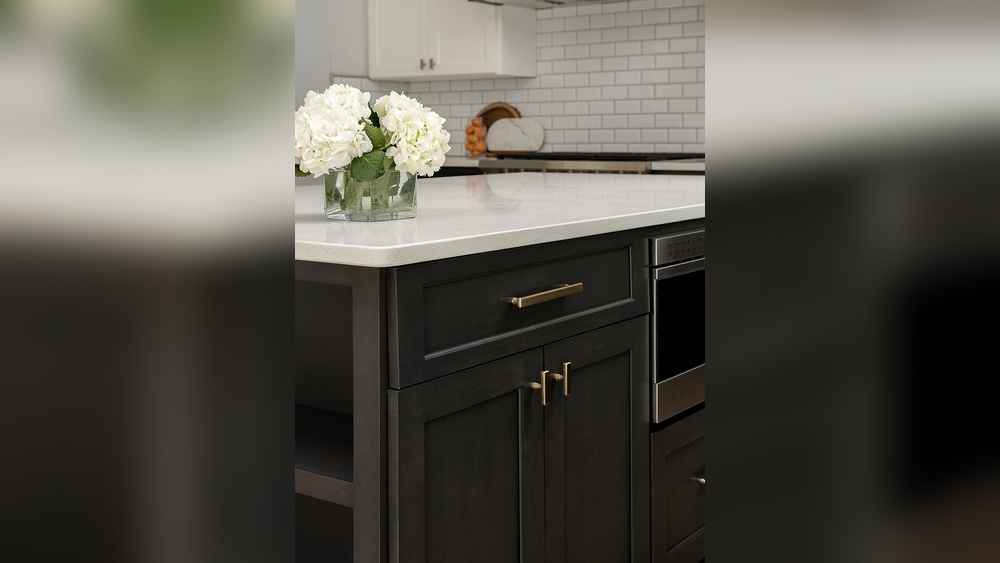
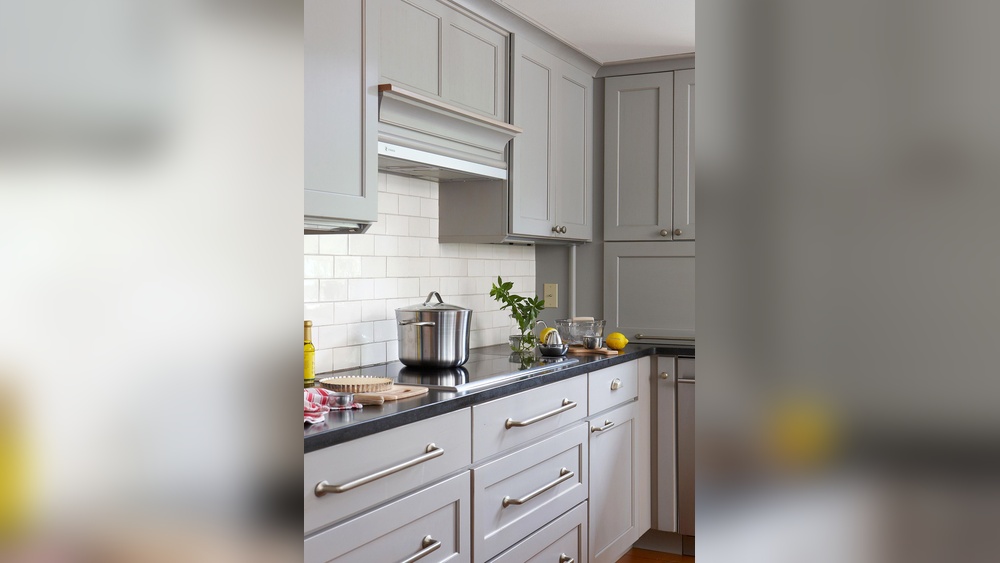
Are you looking to give your cabinet hardware a charming, vintage look without spending a fortune? Making your knobs and handles look old can instantly add character and warmth to your space.
Imagine turning plain, new hardware into pieces that tell a story—without having to replace them entirely. In this guide, you’ll discover simple, effective techniques that anyone can try at home. Ready to transform your cabinets and impress everyone who sees them?
Keep reading to learn how easy it is to make your cabinet hardware look old and full of personality.
Credit: decorcabinets.com
Choosing The Right Hardware
Selecting the right cabinet hardware plays a big role in creating an old, vintage feel. The material and style affect how well the hardware ages and fits your space. Some metals develop a natural patina, giving them character and charm over time.
Picking hardware that matches the vintage style of your cabinets helps make the whole look believable. The right choices make cabinets stand out and feel warm and inviting. Focus on materials and designs that show history and wear beautifully.
Materials That Age Well
Brass is a classic choice. It darkens and gains a rich, warm patina. Bronze also ages nicely, showing soft, earthy tones after years. Iron and steel can rust slightly, creating a rugged, antique look. Copper changes color over time, turning greenish or brown.
These metals do not just wear out. They gain personality and beauty. Avoid shiny, modern metals like chrome or polished nickel. They stay bright and do not give the aged effect you want.
Styles That Suit Vintage Looks
Old-fashioned styles work best for vintage cabinet hardware. Think simple shapes and classic details. Cup pulls, bail handles, and drop pulls bring traditional charm. Ornate designs with soft curves or floral patterns add old-world elegance.
Choose hardware that looks hand-forged or handmade. This adds to the authentic feel. Small imperfections and rough edges tell a story. Avoid sleek, minimalist styles. They clash with the aged, cozy vibe you want to create.
Preparing Hardware For Aging
Preparing cabinet hardware for aging is the first step to achieve an authentic old look. Proper preparation makes the aging process more effective and natural. It helps the finish stick better and creates a true vintage feel. Start by cleaning and sanding to remove dirt and shine. Then, remove any protective coatings that block aging effects.
Cleaning And Sanding Tips
Clean hardware thoroughly using mild soap and warm water. Remove all dust, grease, and grime. Dry pieces completely before sanding. Use fine-grit sandpaper to gently roughen surfaces. Focus on edges and raised parts where wear naturally appears. Avoid sanding too hard to keep details intact. Sanding helps the aging finish grab onto the metal better.
Removing Protective Coatings
Many hardware pieces have clear coatings to prevent rust. These coatings stop aging products from working. Use a chemical paint stripper or rubbing alcohol to remove them. Apply carefully in a well-ventilated area. Use a soft cloth or brush to wipe off loosened coatings. Rinse with water and dry fully before aging. Removing these layers lets the hardware age naturally and look truly old.
Simple Aging Techniques
Simple aging techniques give new cabinet hardware an old, worn look. These methods are easy and affordable. You do not need special tools or skills. Just a few household items and some time. Each method creates a unique vintage effect. Try these to make your cabinets feel warm and charming.
Using Vinegar And Salt
Vinegar and salt create a natural patina on metal hardware. Soak the hardware in a mix of vinegar and salt for a few hours. The salt helps speed up the aging process. After soaking, rinse and dry the hardware well. You will see a dull, aged finish that looks authentic.
This method works best on brass, copper, and iron pieces. Avoid soaking aluminum or stainless steel, as vinegar may harm them. This simple soak gives a nice, old-fashioned texture.
Applying Paint And Distressing
Painting and distressing add character to plain hardware. Choose a matte or chalk paint color that suits your style. Paint the hardware evenly and let it dry. Next, gently sand edges and raised areas with fine sandpaper.
This reveals the metal beneath and creates a worn look. Focus on spots that would wear naturally, like edges and handles. This technique works well for wood and metal hardware. The result looks like years of use and adds charm to any room.
Creating Rust Effects
Rust effects give hardware a strong vintage feel. Start by lightly sanding the surface to help paint stick. Apply a rust-colored paint base. While it is still wet, sprinkle some salt or baking soda on top.
Once dry, spray with a mixture of vinegar and water. The salt reacts with the paint to form rust-like textures. Let it dry completely before handling. This method works best on iron or steel hardware. It adds a bold, weathered look perfect for rustic styles.
Credit: www.elizabethburnsdesign.com
Advanced Diy Aging Methods
Advanced DIY aging methods give cabinet hardware an authentic old look. These techniques go beyond simple painting or sanding. They change the metal’s surface chemically or with heat. The results are natural and unique finishes. Perfect for vintage or rustic décor styles. Below are two effective ways to age your hardware at home.
Chemical Patinas
Chemical patinas create color changes on metal surfaces. They work by reacting with the metal to form a thin layer. This layer looks like natural aging or rust. Common chemicals include vinegar, salt, and ammonia. Apply the solution with a brush or soak the hardware briefly. Watch as colors shift from shiny silver to green, blue, or brown. Let the patina dry fully before sealing it with clear wax or lacquer. This method works best on copper, brass, and bronze.
Heat Aging Process
Heat aging uses fire or a hot tool to change metal color and texture. Heat alters the metal’s surface, producing dark or rainbow-like tones. Use a small torch or heat gun carefully on the hardware. Move the flame evenly and avoid overheating, which can damage the metal. The process creates a weathered look similar to years of use. After heating, cool the hardware naturally. Finish with a protective coat to keep the look lasting longer.
Sealing And Protecting Finished Hardware
Sealing and protecting finished cabinet hardware is key to keeping its old, worn look. Without protection, the hardware can lose its charm quickly. Dirt, moisture, and daily use can damage the finish. A good sealant locks in the aged appearance and adds durability. It also stops rust and fading. This step ensures your hardware stays beautiful for a long time.
Choosing The Right Sealant
Select a sealant that matches the hardware’s material. Clear matte sealants work best to keep the vintage feel. Avoid glossy finishes that look too new or shiny. Water-based sealants dry fast and have low odor. Oil-based sealants offer stronger protection but take longer to dry. Use a small brush to apply thin, even coats. Let each coat dry fully before adding another. Test the sealant on a hidden spot first. This prevents unwanted changes to color or texture.
Maintaining The Aged Look
Clean the hardware gently with a soft cloth. Avoid harsh chemicals or abrasive pads that strip the finish. Wipe off dust and grease regularly. Reapply the sealant every year or after heavy use. This keeps the protection strong and the look fresh. Handle the hardware with care to prevent scratches. Light wear adds character but deep damage can ruin the effect. Small touch-ups keep the hardware looking old and charming over time.
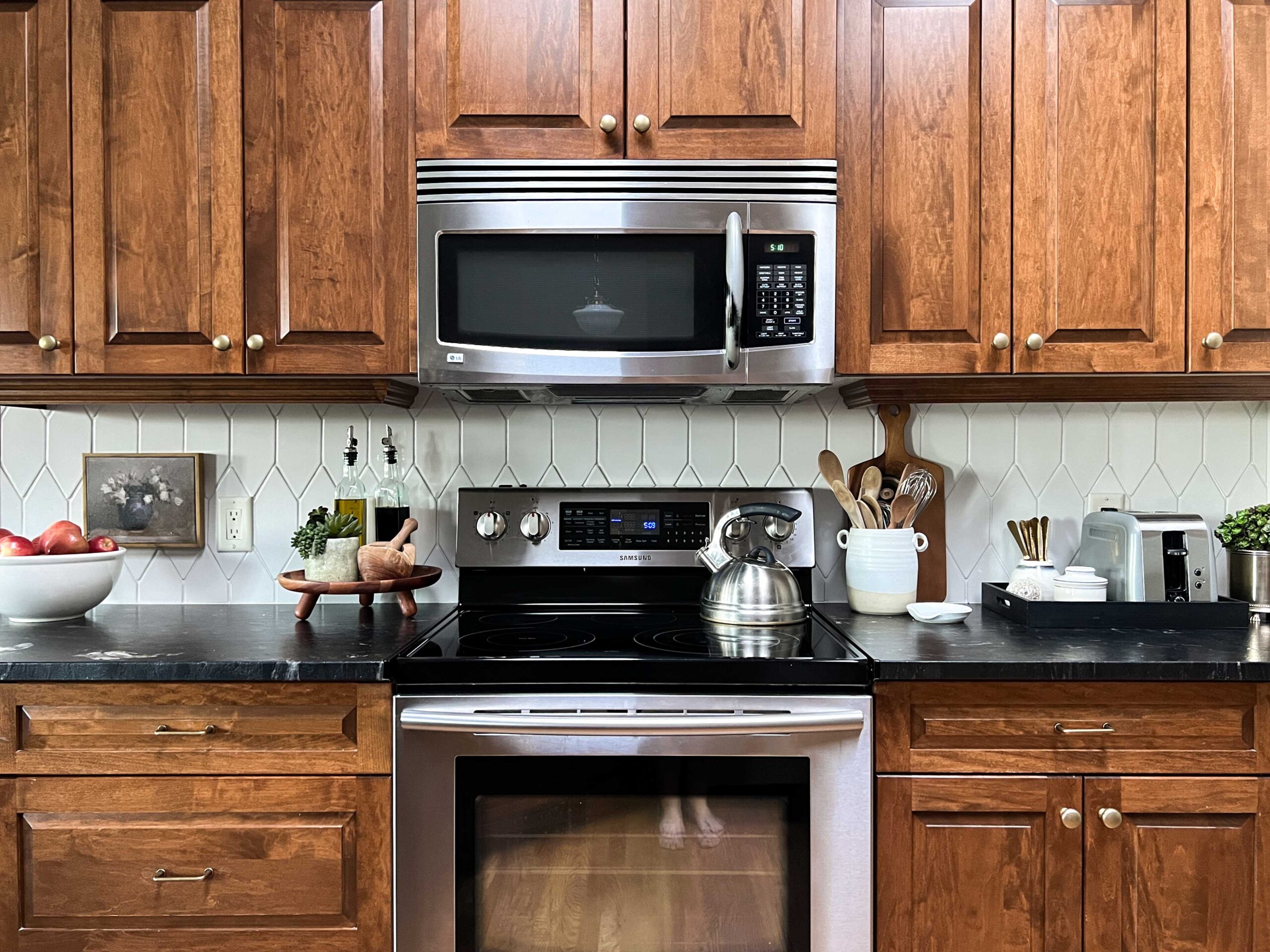
Credit: erinzubotdesign.com
Common Mistakes To Avoid
Making cabinet hardware look old can add charm and character to your space. Yet, some common mistakes can ruin the effect. Avoiding these errors will help you achieve a natural, vintage look that lasts. Below are key mistakes to watch out for during the aging process.
Over-aging Hardware
Too much aging makes hardware look fake or damaged. Dark stains and heavy rust can seem forced. Aim for subtle wear that mimics natural use. Light sanding and gentle paint distressing often work best. Stop early and check your work regularly to keep it realistic.
Using Harsh Chemicals
Strong chemicals can ruin the metal’s texture and color. They may cause unwanted corrosion or uneven patches. Choose mild solutions like vinegar or baking soda instead. These options create softer, more authentic aging effects. Always test on a small area before treating the whole piece.
Inspiring Ideas For Aged Cabinet Hardware
Giving cabinet hardware an aged look can change the entire room’s feel. Old-style hardware adds charm and character. It makes kitchens and bathrooms feel warm and lived-in. There are many ways to achieve this look without buying new hardware.
Simple techniques and thoughtful choices bring out that vintage appeal. Some ideas mix old and new styles for a unique touch. Others focus on matching hardware with the cabinet finish. These approaches help create a balanced and inviting design.
Mixing New And Old Styles
Combine modern and vintage hardware for a fresh look. Use old-style knobs with sleek, new handles. This contrast highlights both styles nicely. It keeps your space from feeling too old-fashioned.
Try pairing antique brass knobs with stainless steel pulls. The mix creates interest and depth. Change just a few pieces, so the look stays subtle. This approach adds personality without overwhelming the room.
Matching Hardware With Cabinet Finish
Choose hardware that complements your cabinet color. Dark wood cabinets look great with bronze or black hardware. Light cabinets work well with brushed nickel or aged silver.
Consider the cabinet’s texture too. Rough, rustic wood pairs well with rugged, worn hardware. Smooth, painted cabinets suit softer, matte finishes. Matching hardware and finish ties the whole look together.
Frequently Asked Questions
How Can I Make Cabinet Hardware Look Old?
To make cabinet hardware look old, use techniques like sanding, applying patina, or using paint and glaze. These methods create a worn, vintage appearance that adds character to your cabinets.
What Materials Create An Antique Finish On Hardware?
Materials like vinegar, baking soda, and steel wool help create an antique finish. These react chemically with metal, producing a natural aged patina on cabinet hardware.
Is Spray Paint Effective For Aging Cabinet Hardware?
Yes, spray paint with a matte or hammered finish can simulate an aged look. Use layers and distress edges for a realistic antique effect.
How Long Does It Take To Age Cabinet Hardware Naturally?
Natural aging can take weeks or months depending on conditions. Accelerate the process by using chemical patinas or exposing hardware to moisture and air.
Conclusion
Making cabinet hardware look old adds charm and character to any space. You only need a few simple tools and some patience. Try different techniques to find the style you like best. A little effort can change the whole look of your cabinets.
Enjoy the process and personalize your home with this easy project. Old-looking hardware can bring warmth and history to your kitchen or bathroom. Give your cabinets a fresh, vintage feel today.