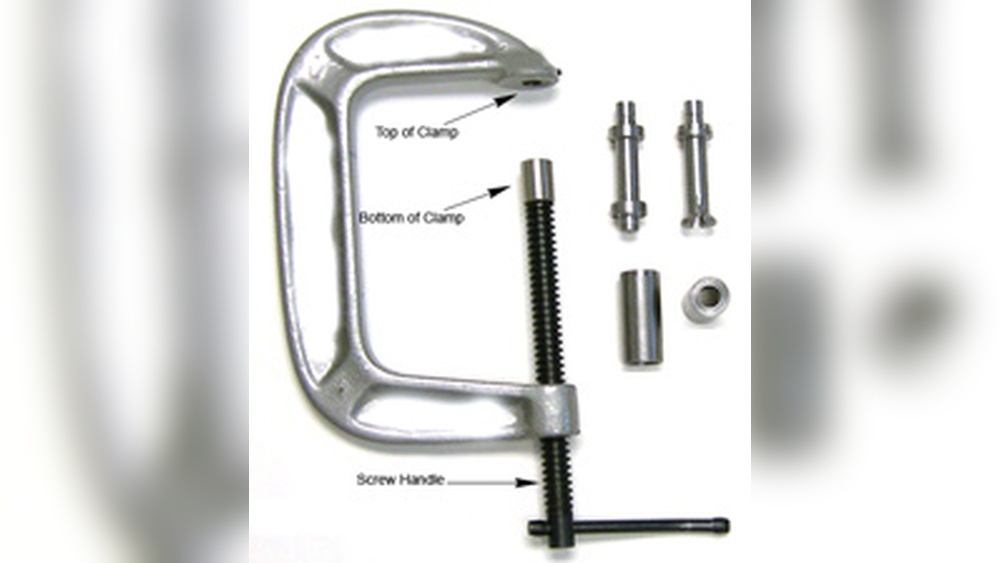
Have you ever wondered how the lid on an open-head drum stays securely fastened? Whether you’re handling chemicals, storing bulk materials, or shipping goods, knowing how these lids lock in place can save you time and prevent spills.
You’ll discover the simple yet effective ways these lids are sealed tight, ensuring safety and reliability every time. Keep reading to learn exactly how the fastening works and why it matters for your work or storage needs.
Credit: megamorebroadband.com
Types Of Open-head Drum Lids
Open-head drums use lids that can be removed and secured easily. These lids protect the contents while allowing quick access. The type of lid affects the drum’s safety and usability. Understanding the common types helps choose the right drum for any job.
Drum lids vary in materials and designs. Each type offers different benefits for storage and transport. The right lid keeps the drum sealed and prevents leaks or contamination.
Materials Used For Drum Lids
Steel is the most common material for open-head drum lids. It provides strong protection and resists damage. Steel lids often have coatings to prevent rust and corrosion.
Plastic lids are lighter and resist chemicals well. They suit drums holding less harsh materials. Plastic lids are easier to handle but less strong than steel.
Aluminum lids combine light weight and durability. These lids resist corrosion and are common in food and chemical industries. Aluminum lids offer a balance between steel and plastic.
Common Lid Designs
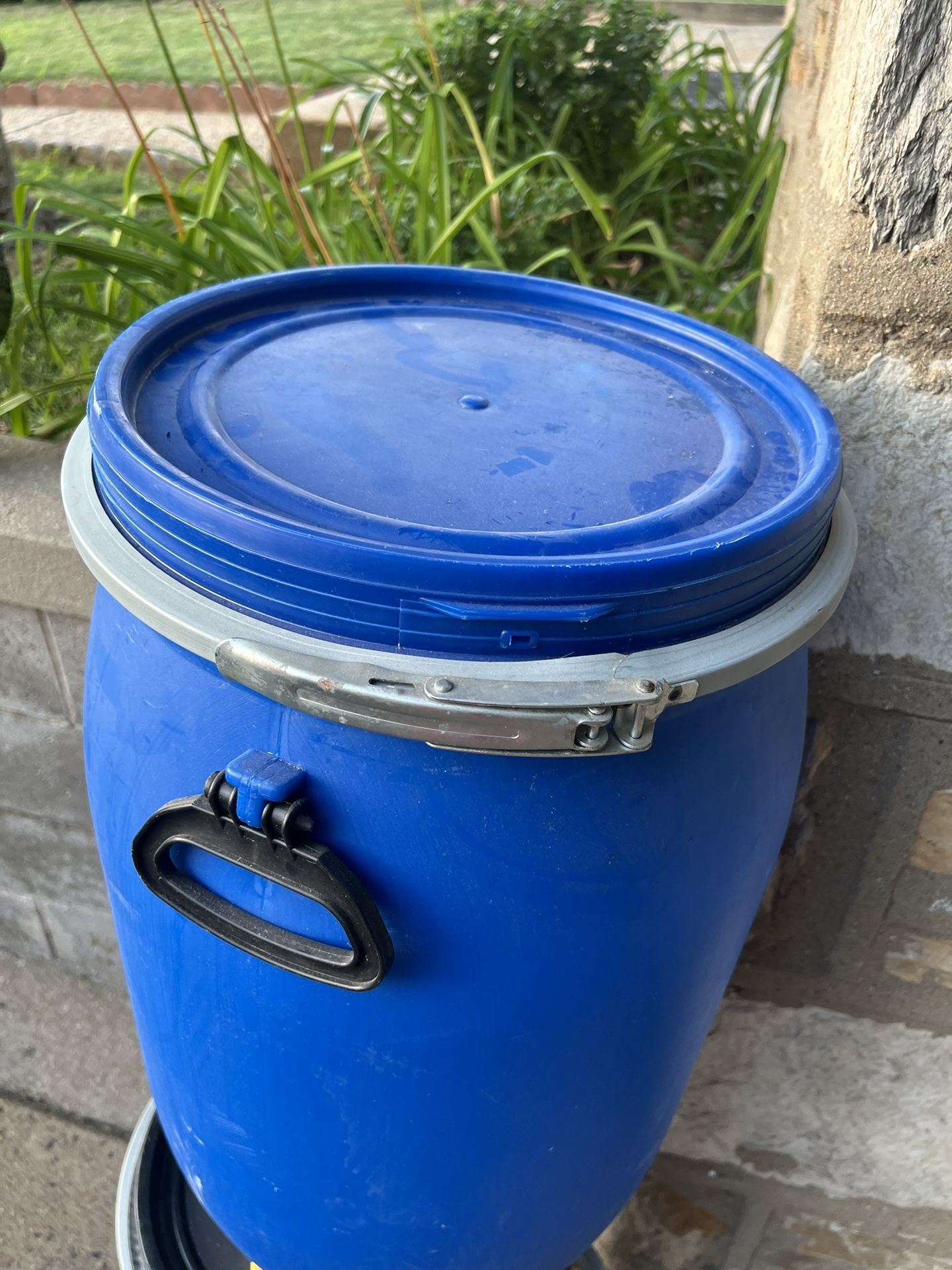
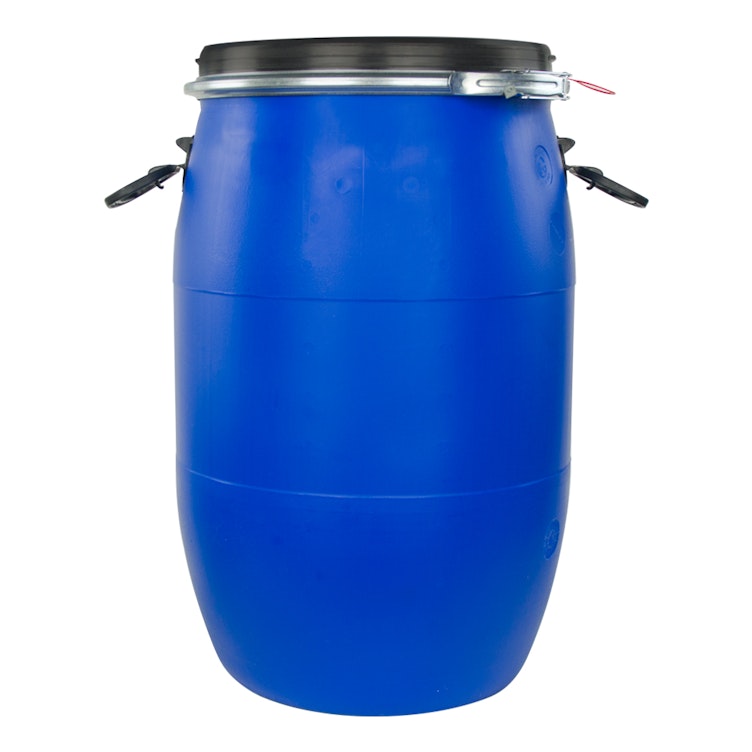
Ring-lock lids use a metal ring to fasten the lid tightly. This ring clamps around the drum’s rim for a secure seal. Ring-lock lids are popular for their reliability and ease of use.
Bolt-ring lids use bolts to tighten the ring around the lid. This design offers extra security for heavy or hazardous materials. Bolt-ring lids require tools to open and close.
Lever-lock lids use a lever mechanism to fasten the lid quickly. These lids allow fast access without tools. Lever-lock lids balance security and convenience well.
Credit: www.studocu.com
Clamping Mechanisms
The lid on an open-head drum must be securely fastened. This keeps the contents safe and prevents leaks. Clamping mechanisms hold the lid tightly in place. They allow easy opening and closing while ensuring a strong seal. Two common types of clamps are bolt ring clamps and lever lock rings.
Bolt Ring Clamps
Bolt ring clamps use a metal ring that fits around the drum’s lid. The ring tightens with a bolt and nut system. Turning the bolt pulls the ring tight, locking the lid firmly. This method offers strong pressure and is very secure. It works well for heavy or thick materials inside the drum. Bolt ring clamps require a tool to tighten and loosen the bolt. This adds extra safety by preventing accidental opening.
Lever Lock Rings
Lever lock rings use a lever to secure the drum lid. The lever fits into a latch on the ring. Pushing the lever down tightens the ring around the lid. It creates a strong seal quickly and without tools. Lever lock rings are easy to use and save time. They are ideal for frequent access or fast sealing needs. The locking mechanism keeps the lid firmly in place during transport and storage.
Sealing Techniques
Sealing techniques play a key role in fastening the lid on an open-head drum. They keep the contents safe from air, water, and dust. A good seal stops leaks and protects the material inside. Choosing the right sealing method is important for drum performance and safety.
Gasket Materials
Gaskets are the soft materials placed between the lid and the drum. They fill any gaps and create a tight seal. Common gasket materials include rubber, neoprene, and cork. Rubber gaskets resist water and chemicals well. Neoprene offers good flexibility and durability. Cork gaskets compress easily to fit uneven surfaces. The choice depends on the drum’s use and the type of contents.
Ensuring Airtight Seals
Airtight seals keep air from entering or escaping the drum. Proper gasket placement is essential. The gasket must cover the whole lid edge evenly. The lid’s clamp or ring should be tightened firmly but not too tight. Over-tightening can damage the gasket. Inspect the seal regularly for cracks or wear. Replace the gasket if it shows signs of damage to maintain airtight protection.
Credit: www.usplastic.com
Tools For Fastening Drum Lids
Fastening the lid on an open-head drum requires the right tools. These tools help secure the lid tightly to prevent spills and contamination. Using proper tools ensures safety and ease during the process.
Different tools suit different needs. Some work best for light jobs, others for heavy-duty tasks. Knowing these tools helps in choosing the right one for your drum.
Manual Tightening Tools
Manual tools are simple and easy to use. A common tool is the drum wrench. It fits on the drum ring bolt and allows hand tightening. This tool offers control and precision.
Another tool is the lever clamp. It uses a lever to tighten the ring around the lid. It needs no power and works well for small jobs. Manual tools are affordable and reliable for many users.
Power Tools For Efficiency
Power tools speed up the fastening process. An electric drum ring clamp is one option. It tightens the ring quickly and with less effort. This tool suits high-volume work environments.
Air-powered wrenches are also common. They use compressed air to tighten bolts fast. These tools reduce worker fatigue and improve productivity. Power tools offer consistent and strong fastening every time.
Safety Precautions When Securing Lids
Securing the lid on an open-head drum requires careful attention to safety. Proper safety precautions help avoid accidents and damage. Handling the lid and fasteners with care ensures a tight and secure fit. Below are key safety tips to follow during this process.
Proper Handling
Always wear gloves to protect your hands. Lift the lid evenly to avoid dropping it. Check the drum and lid for any damage before sealing. Place the lid gently on the drum rim. Use tools designed for drum lids to prevent injury. Keep your work area clean and free of obstacles.
Avoiding Over-tightening
Fasten the lid firmly but do not over-tighten. Over-tightening can damage the sealing gasket. It may also cause the clamp ring to bend or break. Use a torque wrench if possible to control tightness. Stop tightening once the lid feels secure. Proper tension keeps the drum sealed without risk.
Maintenance And Inspection
Maintaining and inspecting the lid of an open-head drum is vital for safety and performance. Regular checks prevent leaks and damage. Proper care extends the drum’s life and protects its contents. Follow these simple steps to keep the lid secure and in good condition.
Checking For Wear And Tear
Look closely at the drum lid and its fastening parts. Check for cracks, dents, or rust on the lid. Inspect the clamp or ring for any bending or breaks. Make sure the gasket is not dry, cracked, or missing. Replace worn parts immediately to avoid failure. Clean all parts to spot hidden damage better.
Replacing Components
Remove the old gasket and clamp carefully. Use parts designed for your drum model. Fit the new gasket evenly around the lid edge. Tighten the clamp or ring firmly but do not over-tighten. Check that the lid seals tightly without gaps. Dispose of old parts properly to avoid contamination.
Frequently Asked Questions
How Is The Lid Secured On An Open-head Drum?
The lid is secured using a clamp ring or lever lock ring. This ring tightly fastens around the drum’s rim, ensuring a secure seal to prevent leaks and contamination.
What Tools Are Used To Fasten The Drum Lid?
A drum lever or bolt tensioning tool is commonly used. These tools help tighten or loosen the clamp ring for easy lid removal or secure fastening.
Can The Lid Be Resealed After Opening?
Yes, the clamp ring can be loosened and retightened multiple times. This allows for safe resealing of the drum lid without damaging the container.
Why Is A Clamp Ring Important For Drum Lids?
The clamp ring ensures the lid stays tightly closed during transport. It prevents spills, contamination, and maintains the integrity of the drum’s contents.
Conclusion
Securing the lid on an open-head drum keeps its contents safe. The right fastening method stops leaks and contamination. Tightening a clamp ring or bolt seal works well. These methods ensure the drum stays closed during transport or storage. Always check the seal before moving the drum.
Proper fastening protects both the product and the environment. Understanding how the lid fastens helps in handling drums safely. Simple steps make a big difference in drum security and safety.