Have you ever wondered what holds your favorite gadgets, furniture, or even vehicles together? The answer lies in something small but powerful: mechanical fasteners.
These tiny components play a huge role in keeping everything secure and stable. Whether you’re a DIY enthusiast, a professional, or just curious, understanding mechanical fasteners can save you time, money, and frustration. Keep reading, and you’ll discover how these simple tools make a big difference in your everyday life.
Credit: adhesives.org
Basics Of Mechanical Fasteners
Mechanical fasteners are essential in building and fixing things. They hold parts together securely. Understanding their basics helps in choosing the right type for any project.
Definition And Function
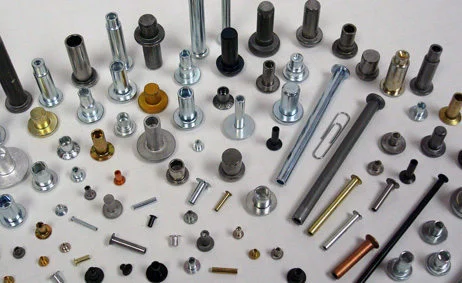
Mechanical fasteners join two or more parts by applying pressure or locking them. They are removable or permanent. Common examples include screws, bolts, nuts, and rivets. Fasteners keep structures strong and safe.
Common Materials Used
Most fasteners are made from metals like steel, stainless steel, and aluminum. Steel offers high strength and durability. Stainless steel resists rust and corrosion. Aluminum is light and easy to handle. Some fasteners use plastics for light loads and special uses.
Advantages Over Other Joining Methods
Mechanical fasteners allow easy assembly and disassembly. They do not need heat or chemicals. This means less damage to parts. Fasteners also provide strong joints that can handle stress and vibration. Repairs and replacements become simpler and faster.
Types Of Mechanical Fasteners
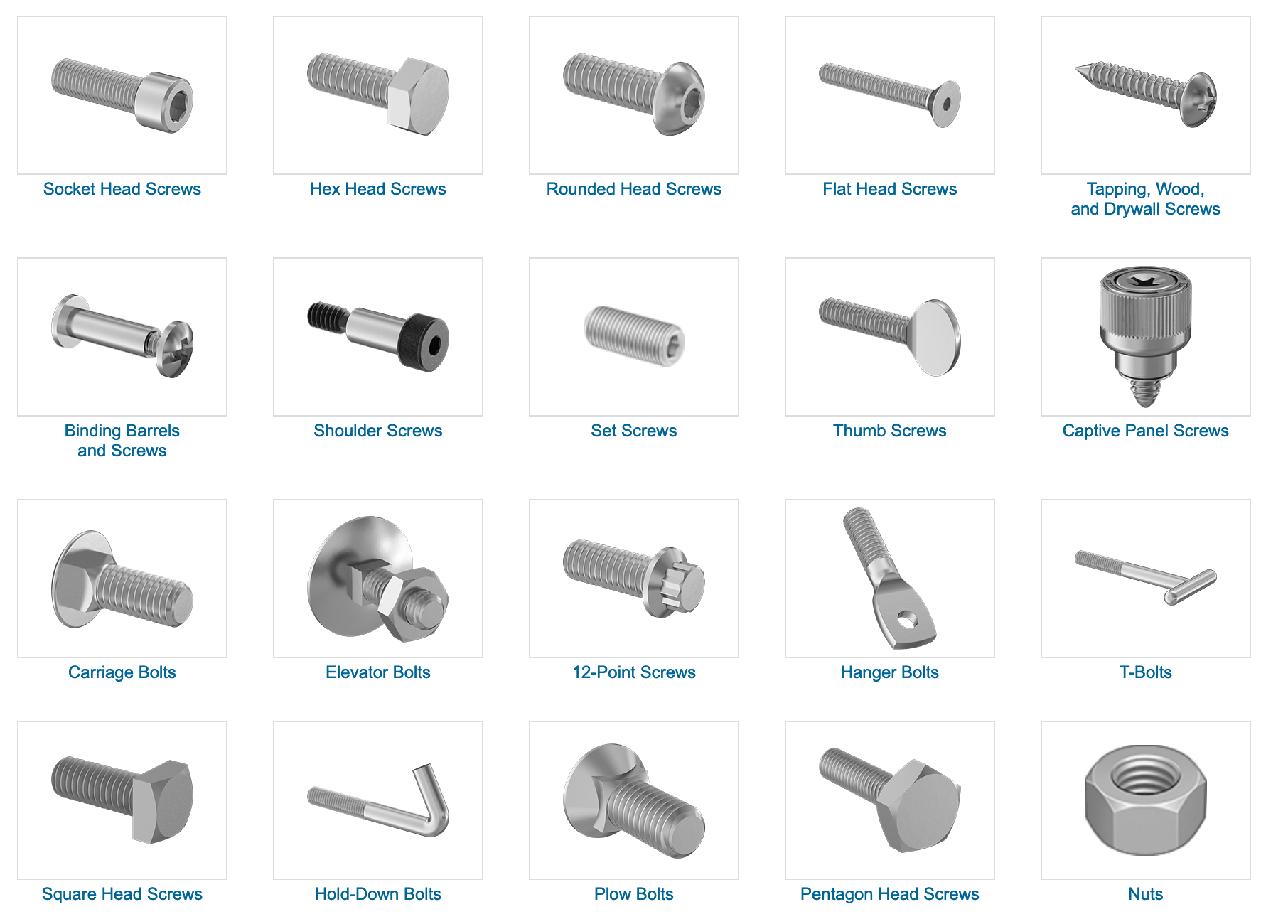
Mechanical fasteners join two or more objects together. They hold parts in place to create strong, stable connections. Various types of mechanical fasteners exist. Each type serves a unique purpose in construction and manufacturing. Understanding these types helps choose the right fastener for any project.
Bolts And Screws
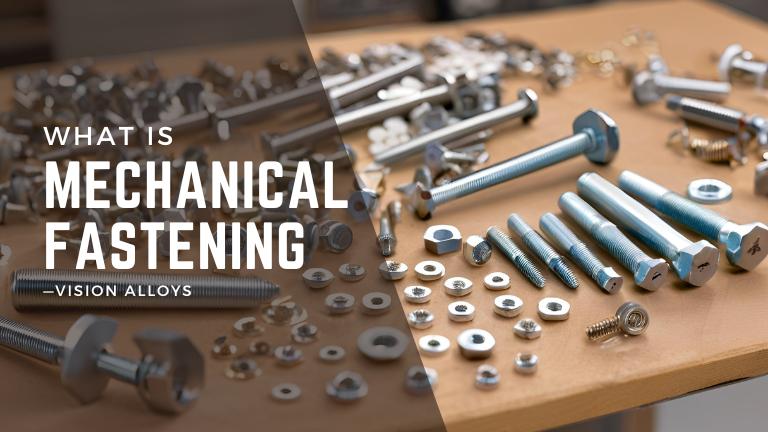
Bolts and screws are common fasteners with threads. Bolts usually need a nut to secure parts. Screws cut their own threads into materials. Both provide strong, removable joints. They come in many sizes and shapes.
Nuts And Washers
Nuts are paired with bolts to lock them in place. Washers sit under nuts or bolt heads. They spread pressure and protect surfaces from damage. Washers also stop nuts from loosening during use.
Rivets
Rivets create permanent joints. They are metal pins pushed through holes in parts. The ends are then deformed to hold the rivet tight. Rivets are common in aircraft and bridges. They offer strong, long-lasting connections.
Pins And Clips
Pins hold parts together temporarily or allow movement. Clips snap into place to secure pins or parts. These fasteners are easy to install and remove. They are useful for quick assembly and repairs.
Anchors
Anchors fix fasteners into walls or concrete. They expand inside holes to hold tight. Anchors support heavy loads and prevent fasteners from pulling out. They are essential for secure mounting in hard materials.
Applications In Various Industries
Mechanical fasteners are essential in many industries. They join parts together securely and allow easy assembly and repair. Different industries use fasteners to meet specific needs. Each industry demands unique strength, size, and material for fasteners.
Automotive Uses
Cars rely heavily on mechanical fasteners. They hold engines, wheels, and body parts in place. Fasteners must withstand vibration and heat. Bolts, screws, and nuts are common in car assembly. Fasteners also allow quick repairs and part replacements.
Construction Applications
Construction uses fasteners to join wood, metal, and concrete. Nails, screws, and anchors provide stability to buildings. Fasteners help create strong frames and secure roofing. They make building assembly faster and safer. Proper fasteners improve the lifespan of structures.
Electronics Assembly
Electronics require small and precise fasteners. Screws and clips hold circuit boards and components. Fasteners protect sensitive parts from damage. They also allow easy opening for repairs or upgrades. Using correct fasteners keeps devices compact and reliable.
Furniture Manufacturing
Furniture depends on fasteners for stability and design. Screws, dowels, and bolts join wood and metal pieces. Fasteners enable flat-pack furniture assembly at home. They ensure the furniture is strong and long-lasting. Fasteners also allow easy disassembly for moving.
Credit: www.visionalloys.com
Selection Criteria For Fasteners
Selecting the right mechanical fastener is crucial for any project. The choice affects the strength and durability of the assembly. Fasteners must meet specific criteria to work well in their application. Understanding these factors helps in choosing the best fastener for your needs.
Load And Strength Requirements
Fasteners must handle the forces they face. These include tension, shear, and compression loads. The fastener’s strength should match or exceed the load. Using a weak fastener can cause failure and damage. Always check the load capacity before selecting a fastener.
Environmental Considerations
Fasteners often face harsh conditions. They might be exposed to moisture, heat, or chemicals. Choose fasteners that resist corrosion and rust in such environments. Stainless steel or coated fasteners work well outdoors. The right fastener lasts longer and keeps the joint secure.
Material Compatibility
Fasteners must fit well with the materials joined. Different metals can react and cause corrosion. Use compatible materials to avoid damage. For example, aluminum fasteners suit aluminum parts better than steel. Proper compatibility ensures a strong, lasting hold.
Ease Of Installation And Removal
Fasteners should be easy to install and remove. This saves time and reduces errors during assembly. Consider the tools needed and access to the fastener location. Some fasteners allow quick removal for maintenance. Choose ones that fit your skill level and project needs.
Installation And Maintenance Tips
Mechanical fasteners hold parts together in machines and structures. Proper installation and care keep them strong and safe. Follow clear steps to install and maintain fasteners correctly. This prevents damage and extends their life.
Proper Tools And Techniques
Use the right tools for each type of fastener. Wrenches, screwdrivers, and torque tools must fit well. Tighten fasteners to the correct torque. Too loose or too tight can cause failure. Follow manufacturer instructions for best results.
Inspection And Replacement
Check fasteners regularly for signs of wear or damage. Look for cracks, rust, or looseness. Replace any fastener that shows problems immediately. Old fasteners can break and cause accidents. Keep a schedule for inspections to avoid surprises.
Preventing Loosening And Corrosion
Use thread lockers or lock washers to stop fasteners from loosening. Clean fasteners before installation to remove dirt and oil. Apply anti-corrosion sprays or coatings in humid or wet areas. Proper protection helps fasteners last longer and stay secure.
Credit: www.fusiondesigninc.com
Frequently Asked Questions
What Are Mechanical Fasteners Used For?
Mechanical fasteners join two or more parts securely. They provide a removable or permanent connection in assemblies. Common uses include construction, machinery, and electronics, ensuring stability and strength.
What Types Of Mechanical Fasteners Exist?
Common mechanical fasteners include bolts, screws, nuts, washers, rivets, and clips. Each type serves specific functions based on load, material, and application requirements.
How Do Mechanical Fasteners Differ From Adhesives?
Mechanical fasteners provide a physical bond using pressure or threading. Adhesives rely on chemical bonding. Fasteners allow easy disassembly, while adhesives often create permanent joints.
Why Choose Mechanical Fasteners Over Welding?
Mechanical fasteners are quicker to install and allow part replacement. They don’t require heat, reducing material stress. Fasteners also enable easier maintenance and adjustments.
Conclusion
Mechanical fasteners hold parts tightly together. They come in many types like screws, bolts, and nails. Each type fits a specific job or material. Choosing the right fastener helps build strong and safe structures. Simple tools can install most fasteners quickly.
Understanding these basics saves time and effort. Fasteners play a key role in everyday objects. Knowing their use makes repair and building easier. Keep these points in mind for your next project.