Choosing the right fasteners for your pressure treated wood project can make all the difference between a sturdy structure and one that falls apart too soon. If you’ve ever wondered which nails, screws, or bolts work best with this type of wood, you’re not alone.
Using the wrong fasteners can cause rust, weaken your build, and waste your time and money. You’ll discover exactly what types of fasteners will keep your wood strong and your project lasting for years. Keep reading to avoid common mistakes and get your job done right the first time.
Why Fastener Choice Matters
Choosing the right fastener for pressure treated wood is very important. The wood is treated with chemicals to resist rot and insects. Some fasteners react badly with these chemicals. This can cause the fasteners to weaken and fail. Picking the wrong fastener can shorten the life of your project. Good fastener choice helps keep the wood strong and safe for years.
Effects Of Pressure Treatment Chemicals
Pressure treated wood holds chemicals like copper to stop decay. These chemicals protect the wood well. But they also cause metal fasteners to corrode faster. Plain steel nails and screws can rust quickly. Rust makes the fastener weak and breaks the wood connection. Special fasteners resist the chemical effects better. Using the right metal helps keep the wood stable and secure.
Corrosion Risks And Wood Longevity
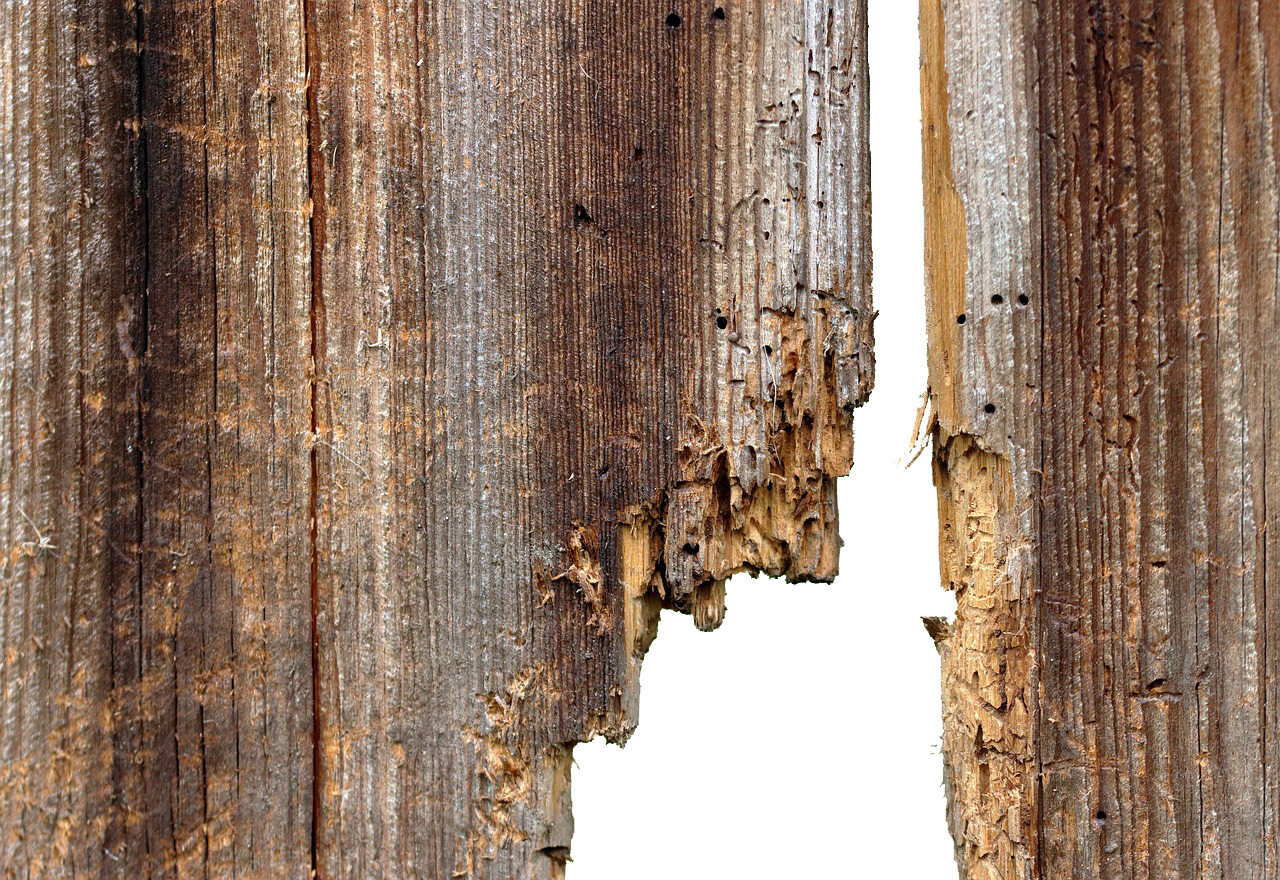
Corrosion eats away metal fasteners over time. Rusted fasteners lose grip and can break easily. This damages your wood structure. Stainless steel and hot-dipped galvanized fasteners last longer. They fight rust and hold strong in the treated wood. Using corrosion-resistant fasteners makes your project last. It saves money and effort by avoiding repairs later.
Credit: ozcobp.com
Common Fastener Materials
Choosing the right fasteners is key for pressure treated wood projects. Fasteners must resist corrosion caused by chemicals in the wood. Different materials offer different levels of protection and strength. Understanding common fastener materials helps pick the best option for durability and safety.
Stainless Steel Fasteners
Stainless steel fasteners resist rust and corrosion very well. They work great in wet or outdoor environments. These fasteners last long and keep structures strong. They cost more but offer excellent durability. Ideal for decks, fences, and outdoor furniture.
Hot-dipped Galvanized Fasteners
Hot-dipped galvanized fasteners have a thick zinc coating. This coating protects metal from rust. They are cheaper than stainless steel but still offer good resistance. Suitable for most pressure treated wood projects. They balance cost and corrosion protection.
Electro-galvanized Fasteners
Electro-galvanized fasteners have a thin zinc layer. They resist rust but less than hot-dipped types. These fasteners are best for indoor or dry use. Not ideal for areas exposed to moisture. Use only if cost is a major concern.
Silicon Bronze And Copper Fasteners
Silicon bronze and copper fasteners resist corrosion naturally. They are popular in marine or coastal areas. These fasteners avoid staining wood and look attractive. Copper is softer, while silicon bronze is stronger. Both provide long-term protection in harsh environments.
Fastener Types For Different Applications
Choosing the right fasteners for pressure treated wood is important. Different projects need different types of fasteners. The right fastener makes the wood last longer and stay strong. Some fasteners work well for framing, while others suit decks or fences. Understanding the best fastener for each job saves time and effort.
Nails And Their Uses
Nails are common for pressure treated wood. They hold pieces together quickly and easily. Galvanized or stainless steel nails resist rust from the wood chemicals. Ring shank nails provide extra grip. They work well for framing and decking. Avoid plain steel nails; they rust fast and weaken joints.
Screws For Pressure Treated Wood
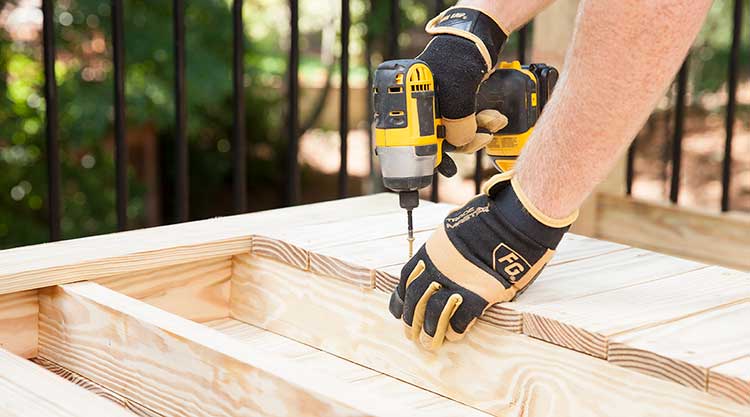
Screws offer strong, lasting holds. They resist pulling out better than nails. Use stainless steel or coated screws to prevent corrosion. Deck screws have sharp points for easy driving. They reduce wood splitting. Screws suit decks, railings, and outdoor furniture. Pre-drilling can help avoid wood damage.
Bolts And Other Connectors
Bolts create very strong joints for heavy loads. Use stainless steel or hot-dipped galvanized bolts to avoid rust. Washers and nuts secure bolts tightly. Bolts are ideal for large beams and posts. Metal connectors like joist hangers add extra support. They must match the wood’s treatment to prevent corrosion.
Credit: www.yellawood.com
Choosing Fasteners For Outdoor Projects
Choosing the right fasteners for outdoor projects ensures durability and safety. Pressure treated wood contains chemicals that prevent decay and insect damage. These chemicals can cause metal fasteners to corrode quickly. Picking fasteners that resist rust and corrosion helps your project last longer. Stainless steel and coated fasteners work best with pressure treated wood. Each outdoor project needs specific fasteners based on its use and exposure to weather.
Decking And Fencing
Decks and fences face constant exposure to rain and sun. Use stainless steel or hot-dipped galvanized nails and screws. These resist rust and stay strong in wet conditions. Avoid plain steel fasteners because they rust fast and weaken wood joints. Choose fasteners with corrosion-resistant coatings for extra protection. Structural screws provide better hold and reduce wood splitting.
Pergolas And Gazebos
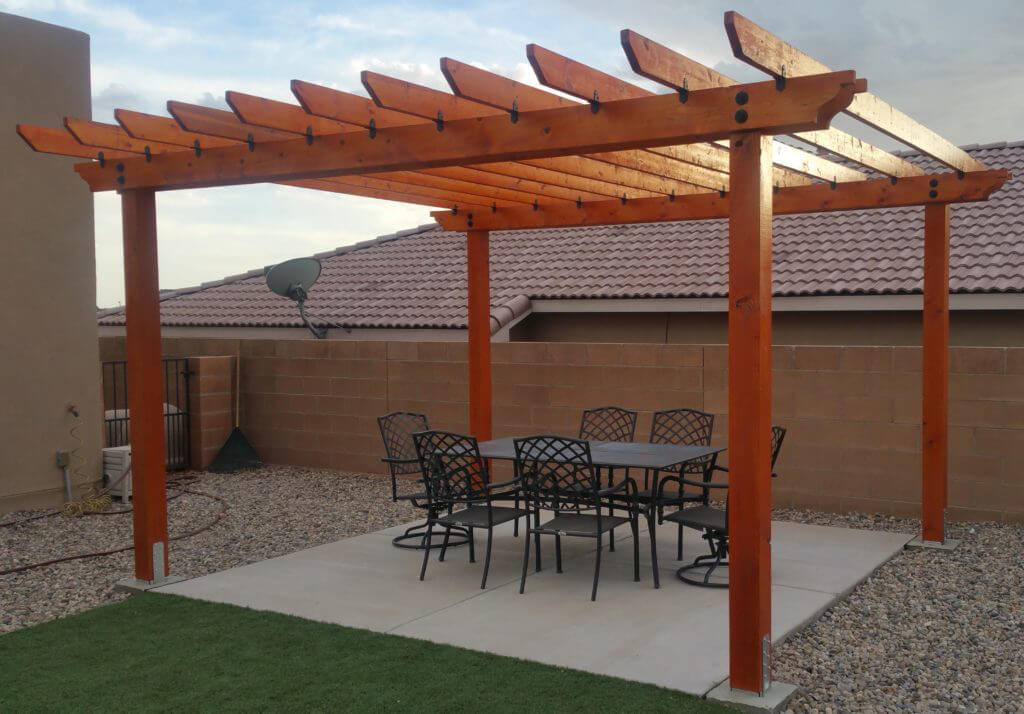
Pergolas and gazebos carry heavy loads and face wind pressure. Use heavy-duty stainless steel or coated bolts and screws. These hold wood parts tightly and resist corrosion. Lag screws and carriage bolts work well for strong connections. Make sure fasteners are long enough to go deep into the wood. This increases stability and safety of the structure.
Garden Structures And Planters
Garden structures and planters stay near soil and moisture. Use stainless steel or ceramic-coated fasteners to avoid rust. These fasteners last longer in damp conditions. Avoid nails that can loosen over time. Screws offer better grip and easy removal for repairs. Choose sizes that fit wood thickness and project size.
Installation Tips For Durability
Using the right fasteners with pressure treated wood is just the start. Proper installation plays a big role in how long your project will last. Following simple tips during installation helps prevent damage and keeps the wood strong. This section shares easy steps to improve durability and avoid common problems.
Pre-drilling And Fastening Techniques
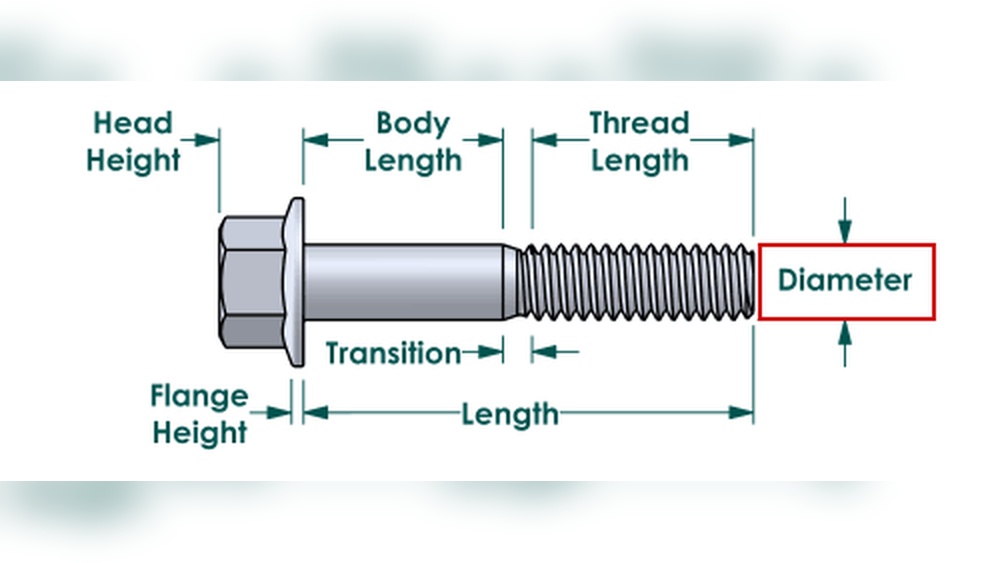
Pre-drilling holes before inserting screws or nails helps prevent the wood from splitting. Use a drill bit slightly smaller than the fastener’s diameter. Drive the fastener slowly and straight to keep the wood intact. Choose corrosion-resistant fasteners like stainless steel or coated screws. These resist rust and last longer in pressure treated wood.
Avoiding Common Mistakes
Never use plain steel nails or screws with pressure treated wood. They will rust quickly and weaken the structure. Avoid over-tightening fasteners, which can crush the wood fibers. Ensure fasteners are flush with the surface but do not sink them too deep. Avoid mixing different metals, as this can cause corrosion.
Maintenance And Inspection
Check fasteners regularly for signs of rust or loosening. Tighten loose screws and replace rusty ones immediately. Clean the wood surface and remove debris to prevent moisture buildup. Regular inspections help catch problems early and extend your project’s life.
Cost Vs. Performance Considerations
Choosing the right fasteners for pressure treated wood involves balancing cost and performance. Fasteners must resist corrosion caused by chemicals in the wood. Selecting cheaper fasteners may save money upfront but lead to rust and failure. Spending more on quality fasteners can increase durability and reduce maintenance. Understanding this balance helps make smart decisions for your project.
Budget-friendly Options
Galvanized nails and screws are common budget choices. They have a zinc coating that offers some rust protection. These fasteners work well for small projects or indoor use. Avoid plain steel fasteners; they rust quickly with treated wood. Stainless steel fasteners cost more but last longer in wet conditions. For limited budgets, galvanized fasteners provide basic corrosion resistance.
Long-term Value And Warranty
Stainless steel fasteners provide the best resistance to corrosion. They do not rust or stain wood over time. This durability reduces repair and replacement costs. Many stainless steel fasteners come with long warranties. These warranties protect your investment and prove product quality. Investing in stainless steel fasteners often saves money over years of use.
Credit: us.sfs.com
Frequently Asked Questions
What Fasteners Resist Corrosion In Pressure Treated Wood?
Stainless steel and hot-dipped galvanized fasteners resist corrosion well. They prevent rust caused by chemicals in pressure treated wood. Using these materials extends the durability of outdoor wood projects. Avoid plain steel fasteners as they quickly corrode and weaken joints.
Can I Use Regular Nails With Pressure Treated Wood?
Regular nails are not recommended for pressure treated wood. Chemicals in the wood cause standard nails to rust and fail. Use stainless steel or hot-dipped galvanized nails for better longevity and strength. This ensures your woodwork remains secure and safe over time.
Why Choose Stainless Steel Fasteners For Treated Wood?
Stainless steel fasteners offer superior corrosion resistance against chemicals in treated wood. They last longer outdoors and prevent staining of the wood surface. While costlier, they provide the best protection for decks, fences, and other projects exposed to moisture.
Are Galvanized Screws Suitable For Pressure Treated Lumber?
Yes, hot-dipped galvanized screws are suitable and cost-effective for treated lumber. They resist rust better than regular screws. Choose screws with a thick galvanization layer for maximum protection. This helps maintain strong, long-lasting wood connections in outdoor environments.
Conclusion
Choosing the right fasteners keeps pressure-treated wood strong and safe. Use corrosion-resistant screws or nails made for outdoor use. Stainless steel or coated fasteners work best to stop rust. Avoid regular steel fasteners that can break down quickly. Good fasteners help your wood last longer and hold tight.
This small step saves money and effort over time. Trust the right materials for sturdy, lasting projects. Simple choices make a big difference in woodwork quality.