Have you ever wondered how papers stay neatly together without a bulky clip? Or how important documents get fastened securely without damaging them?
That’s where a prong fastener comes in. If you want a simple, reliable way to organize your papers, understanding what a prong fastener is can save you time and frustration. Keep reading, and you’ll discover how this small tool can make a big difference in your everyday tasks.
Prong Fastener Basics
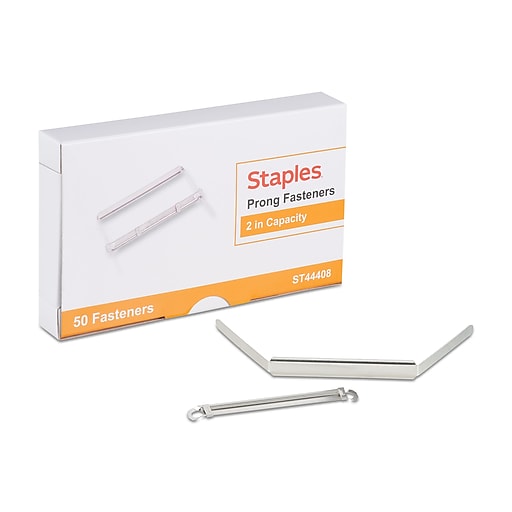
Prong fasteners are simple tools used to hold papers together. They are common in offices and schools. These fasteners keep documents neat and organized. Understanding their basics helps in choosing the right type for your needs.
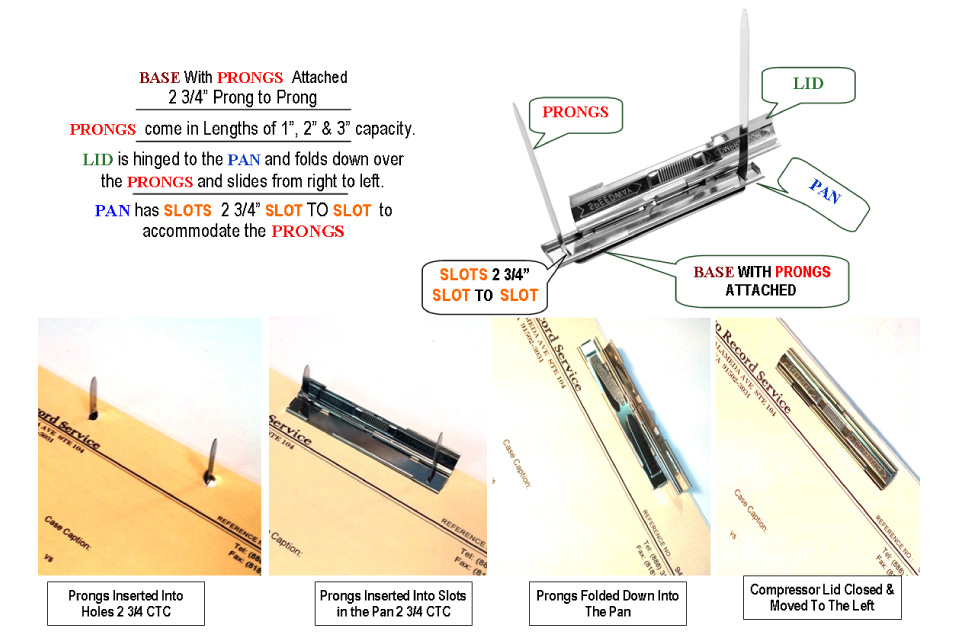
Prong fasteners work by piercing through paper stacks and folding to secure them. They are easy to use and reusable. Their design makes them strong and reliable for various tasks.
Design And Components
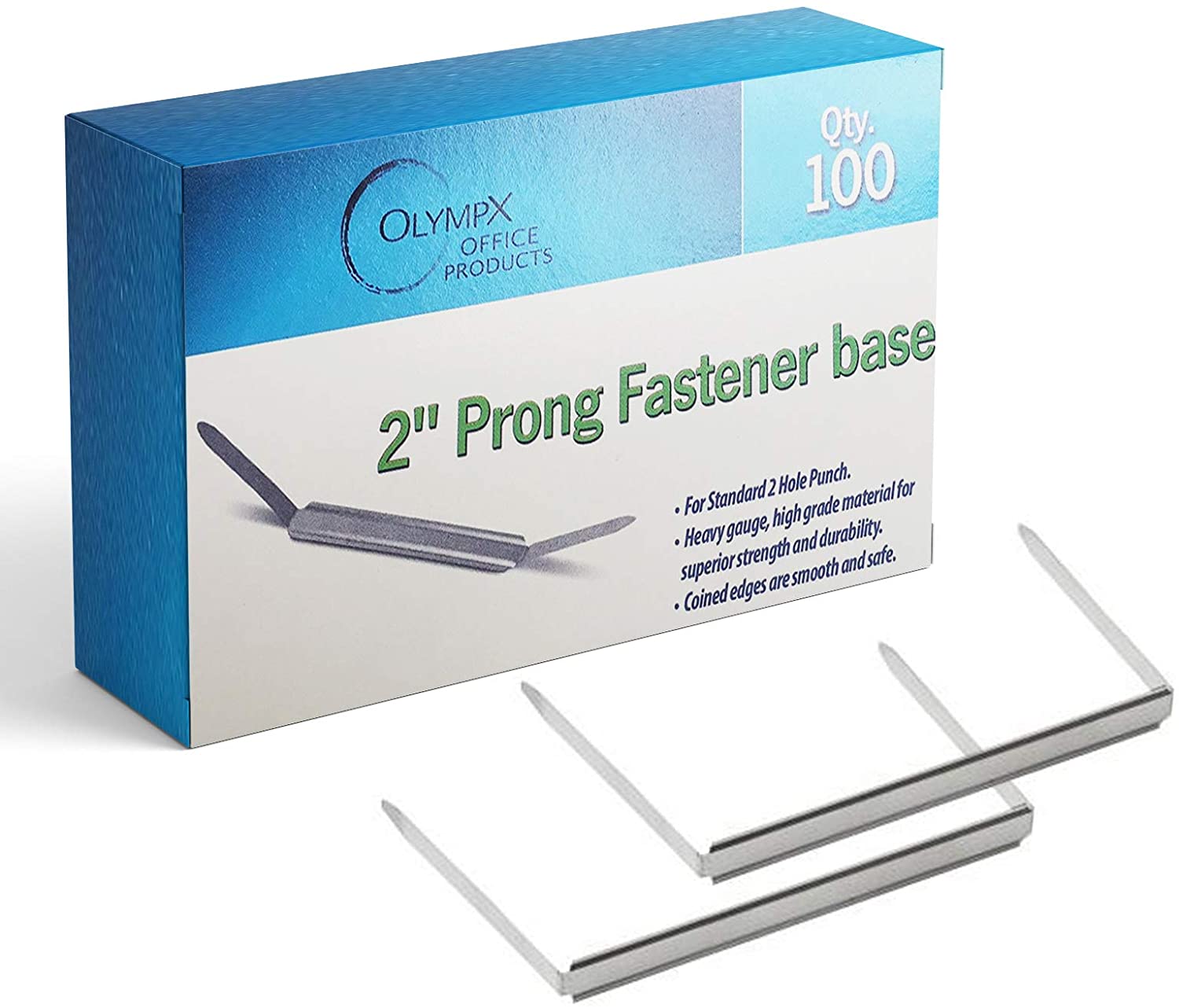
Prong fasteners have two main parts. The first is the base plate, which lies flat under the papers. The second part is the prongs, which stick up through holes in the paper. After inserting, the prongs bend to hold papers tightly.
The prongs are thin metal strips. They are flexible but strong. The base plate often has small holes or slots to keep the prongs steady. This design stops papers from slipping out.
Common Materials
Prong fasteners are mostly made of metal. Steel is popular because it is strong and lasts long. Some fasteners have a coating to stop rust and wear.
Plastic versions exist too. They are lighter and sometimes cheaper. Plastic fasteners suit smaller paper stacks and light use. Metal fasteners handle heavier documents better.
Credit: www.staples.com
Types Of Prong Fasteners
Prong fasteners come in several types, each designed for specific uses and materials. Understanding these types helps choose the right fastener for your project. The main types include two-prong variants, four-prong variants, and specialty styles.
Two-prong Variants
Two-prong fasteners are simple and effective. They have two metal prongs that pierce through papers or fabric. These prongs then bend to secure the material in place. This type works well for light to medium tasks. It is common in office and craft supplies.
Four-prong Variants
Four-prong fasteners offer extra strength and stability. They have four thin metal prongs instead of two. These prongs provide a firmer grip on thicker stacks of paper. They are ideal for documents that need more secure fastening. Four-prong fasteners also reduce the chance of tearing.
Specialty Styles
Specialty prong fasteners serve unique purposes. Some have extra-wide prongs for heavy materials. Others include adjustable prongs for flexible use. These styles fit specific industries or creative projects. They offer tailored solutions beyond standard prong fasteners.
Applications Across Industries
Prong fasteners are versatile tools used in many fields. Their design allows for easy binding and organizing of papers and materials. These fasteners fit into holes and fold to secure documents tightly. This simple mechanism supports a variety of tasks across industries.
Office And Filing Use
Prong fasteners help keep office papers neat and secure. They organize files by holding multiple sheets together. This makes document storage efficient and tidy. Offices use them for reports, invoices, and contracts. They replace staples when documents need to stay intact longer.
Crafts And Diy Projects
Craft lovers find prong fasteners useful for art projects. They hold paper, fabric, and light materials firmly. These fasteners allow easy changes and adjustments. DIY enthusiasts use them for scrapbooks and handmade books. They provide a simple way to bind without glue or sewing.
Industrial And Commercial
In industries, prong fasteners secure packaging and manuals. Factories use them to bundle instruction sheets and parts lists. They resist easy removal, keeping important documents safe. Commercial businesses rely on them for product documentation. Their durability suits heavy-duty and repeated use.
Benefits Of Using Prong Fasteners
Prong fasteners offer many benefits for organizing and securing documents. They provide a reliable way to hold papers together without damage. These fasteners suit offices, schools, and personal use.
Durability And Strength
Prong fasteners are strong and last long. They hold large stacks of paper firmly in place. The metal prongs resist bending and breaking. This durability ensures documents stay organized over time.
Cost-effectiveness
These fasteners cost less than many other binding options. Their simple design keeps prices low. Buying prong fasteners saves money, especially for bulk needs. They deliver value without sacrificing quality.
Ease Of Use And Reusability
Prong fasteners are easy to use and remove. Papers stay intact without tearing or damage. You can reuse the fasteners multiple times. This makes them practical for frequent document handling.
Choosing The Right Prong Fastener
Choosing the right prong fastener matters for your project’s success. The right fastener holds materials firmly and lasts longer. Selecting the correct type saves time and effort. It ensures the fastener fits well and works as needed.
Size And Length Considerations
Size matters for prong fasteners. Pick a size that fits the material thickness. A fastener too short will not hold well. Too long may damage the material. Measure the thickness carefully before choosing the length.
Material Compatibility
Match the fastener material with your project’s materials. Some fasteners work best with paper or fabric. Metal fasteners suit thicker or tougher materials. Using the right material avoids rust and damage. It also improves the fastener’s grip and durability.
Load And Weight Factors
Think about the weight the fastener must hold. Light materials need small, simple fasteners. Heavy materials require strong, sturdy fasteners. Consider the load to prevent slipping or breaking. Choose fasteners that support the weight safely.
Installation Tips And Tricks
Installing a prong fastener correctly ensures your documents stay secure and neat. Small steps can make a big difference in the final look and function. Follow these simple tips and tricks for a smooth installation process.
Tools Needed
- Prong fastener set
- Hole punch or paper drill
- Flathead screwdriver or prong setter
- Ruler or measuring tape
- Marker or pencil
Step-by-step Process
- Measure and mark the spots for the holes on your paper.
- Use the hole punch to create clean holes on the marks.
- Insert the prongs through the holes from the front side.
- Place the metal backing plate over the prongs at the back.
- Bend the prongs outward flat using a flathead screwdriver.
- Check that the fastener holds the papers tightly without tearing.
Common Mistakes To Avoid
- Not measuring holes evenly can cause misalignment.
- Punching holes too close to the edge weakens the paper.
- Forcing prongs without backing can tear the document.
- Bending prongs unevenly may cause the fastener to loosen.
- Using the wrong size fastener for the paper stack.
Maintenance And Storage
Proper care extends the life of prong fasteners. Regular maintenance keeps them working well. Safe storage prevents damage and loss.
Cleaning Guidelines
Clean prong fasteners with a soft cloth. Avoid harsh chemicals that may rust the metal. Use mild soap and warm water for dirt. Dry them completely to stop moisture damage. Check for bent prongs and straighten carefully if needed.
Proper Storage Methods
Store prong fasteners in a dry place. Use small boxes or containers to keep them organized. Keep them away from heavy items that cause bending. Label containers for easy finding. Store in a cool area to avoid rust and wear.
Credit: www.speedwayfilefasteners.com
Alternatives To Prong Fasteners
Prong fasteners work well to hold papers or materials together. Sometimes, other options fit better for specific jobs or materials. These alternatives provide different ways to join items firmly and neatly.
Staples And Clips
Staples are small metal pieces that quickly bind papers. They are easy to use and remove with a staple remover. Clips, like binder clips or paper clips, hold papers without damage. Clips are reusable and come in various sizes and colors.
Screws And Rivets
Screws fasten materials tightly with a twisting motion. They work well for wood, metal, or plastic. Rivets join materials by creating a permanent bond. They are strong and used in machines or construction. Both offer sturdy and lasting connections.
Adhesive Solutions
Glue and tape stick materials together without holes. Adhesives come in many types for different surfaces. They keep items flat and smooth. Some adhesives dry quickly, while others remain flexible. Adhesive solutions are clean and quiet to use.
Credit: ringbinderdepot.com
Frequently Asked Questions
What Is A Prong Fastener Used For?
A prong fastener is used to securely bind papers or documents. It holds stacks tightly and allows easy adding or removing pages. It is commonly used in offices for organizing reports, files, and presentations efficiently.
How Does A Prong Fastener Work?
A prong fastener works by inserting metal prongs through punched holes. The prongs are then bent to lock papers in place. This simple mechanism keeps documents neat and prevents them from slipping or falling apart.
What Materials Are Prong Fasteners Made From?
Prong fasteners are typically made from durable metals like steel or aluminum. These materials ensure strength and longevity. Some fasteners have a plastic coating for added protection and ease of use.
Can Prong Fasteners Be Reused?
Yes, prong fasteners can be reused multiple times. Simply unbend the prongs to remove documents and straighten them for the next use. This makes them cost-effective and environmentally friendly.
Conclusion
Prong fasteners hold papers and materials firmly together. They work by piercing holes and bending prongs to secure items. These fasteners come in various sizes and shapes for different needs. Using prong fasteners keeps documents neat and organized. They are simple tools found in offices and schools.
Understanding how they function helps you choose the right fastener. Try them for easy, reliable paper binding anytime. Simple, effective, and widely used.