Have you ever wondered what holds things together in your daily life? From the buttons on your shirt to the screws in your furniture, fastenings play a crucial role in keeping everything secure and functioning.
Understanding what fastenings are and how they work can save you time, money, and frustration. Whether you’re fixing something at home or just curious about these small but mighty components, this article will give you clear answers and useful insights.
Keep reading to discover the secrets behind fastenings and how they impact your world.

Credit: www.youtube.com
Types Of Fastenings
Fastenings hold things together. They play a big role in everyday objects. Different fastenings serve different purposes. Some are strong, others easy to use. Understanding types of fastenings helps in choosing the right one.
Mechanical Fasteners
Mechanical fasteners join parts using physical force. Screws, bolts, and nails are common examples. They create a firm hold that can often be undone. These fasteners work well for heavy or metal objects. They are reliable and easy to find.
Adhesive Fasteners
Adhesive fasteners stick items with glue or tape. They bond surfaces without holes or damage. These fastenings are ideal for light materials like paper or plastic. They provide a clean look without screws or nails. Some adhesives are strong, others temporary.
Magnetic Fasteners
Magnetic fasteners use magnets to hold parts together. They work well for metal objects or tools. These fastenings allow quick attachment and removal. Magnets are useful in cases needing frequent access. They offer a simple and flexible solution.
Sewing Fasteners
Sewing fasteners connect fabrics with thread or yarn. Buttons, zippers, and hooks fall into this group. They keep clothes and textiles secure and adjustable. Sewing fasteners combine strength with style. They are essential in fashion and upholstery.
Common Mechanical Fasteners
Common mechanical fasteners are essential in many projects and repairs. They hold parts together securely. These fasteners come in various shapes and sizes. Each type has a specific use and strength level. Understanding them helps in choosing the right one for your task.
Screws And Bolts
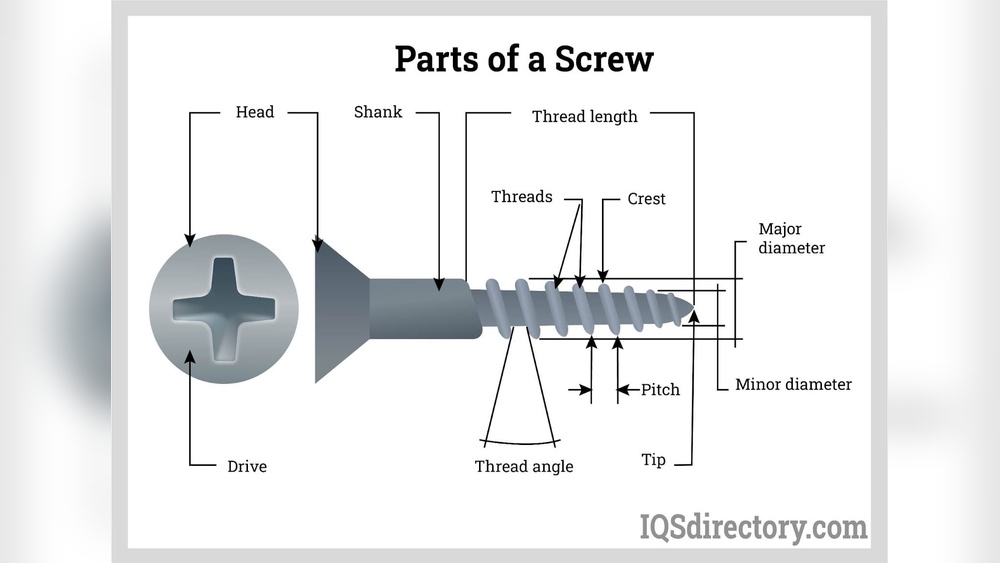
Screws and bolts are popular fasteners. Screws have threads that cut into the material. Bolts usually need a nut to secure them. Both provide strong and reliable joints. They work well with wood, metal, and plastic.
Nails And Pins
Nails and pins are simple and quick to use. Nails are hammered into materials to hold them. Pins are smaller and often used for delicate tasks. These fasteners work best with wood and light materials.
Rivets
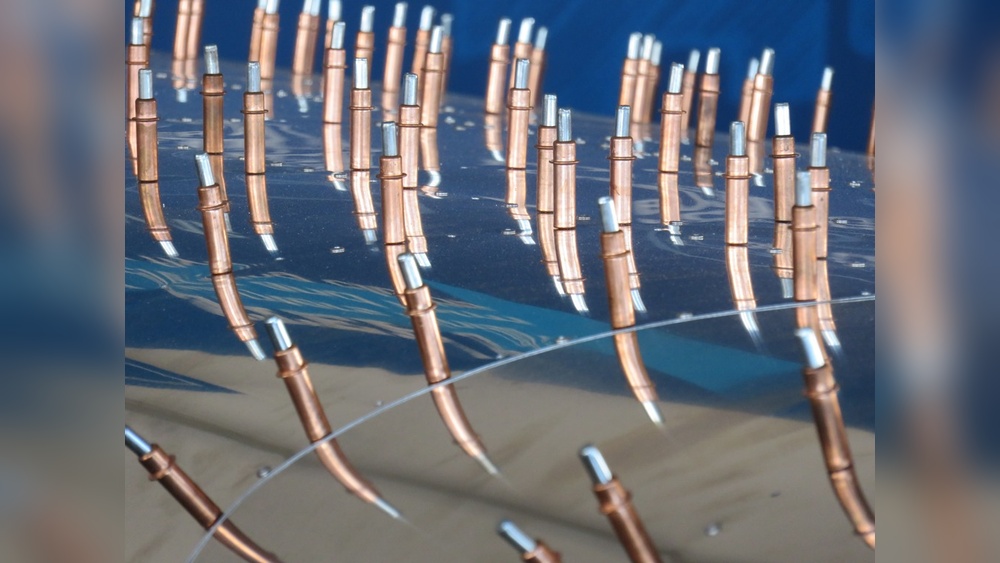
Rivets create permanent joints. They are inserted into pre-drilled holes. A special tool deforms the rivet, locking parts firmly. Rivets are common in metalwork and construction. They resist vibration and heavy loads well.
Clips And Clamps
Clips and clamps hold parts without drilling or hammering. Clips snap parts together easily. Clamps apply pressure to keep pieces tight. These fasteners are ideal for temporary holds or delicate materials.
Adhesive Fasteners And Their Uses
Adhesive fasteners join objects using sticky materials. They are easy to use and save time. Many types of adhesive fasteners exist. Each type suits different tasks and surfaces. These fasteners do not require holes or tools. They are common in homes, offices, and industries.
Glue And Epoxy
Glue and epoxy are liquid adhesives. They bond surfaces by hardening after application. Glue works well on paper, wood, and fabric. Epoxy is stronger and sticks to metal and plastic. Both provide a permanent bond. Use them for repairs, crafts, and building projects.
Double-sided Tapes
Double-sided tapes have sticky layers on both sides. They attach two surfaces invisibly and neatly. These tapes work on walls, glass, and plastics. They hold posters, decorations, and light objects. Removing them leaves little or no residue. They offer a quick and clean solution.
Velcro And Hook-and-loop
Velcro consists of two fabric strips. One has tiny hooks; the other has loops. Pressing them together creates a strong hold. They are easy to open and close many times. Velcro suits clothing, shoes, and bags. It also attaches items without damage to surfaces.
Specialty Fastenings
Specialty fastenings are unique closures designed for specific uses. They combine function with style and ease of use. These fastenings appear in clothing, bags, and even furniture. Their design helps secure items quickly and safely. Below are some common types of specialty fastenings.
Magnetic Closures
Magnetic closures use small magnets to hold two parts together. They are easy to open and close. These fastenings do not wear out like buttons or zippers. Magnets keep items secure without extra effort. They often appear in handbags and jewelry.
Zippers And Snaps
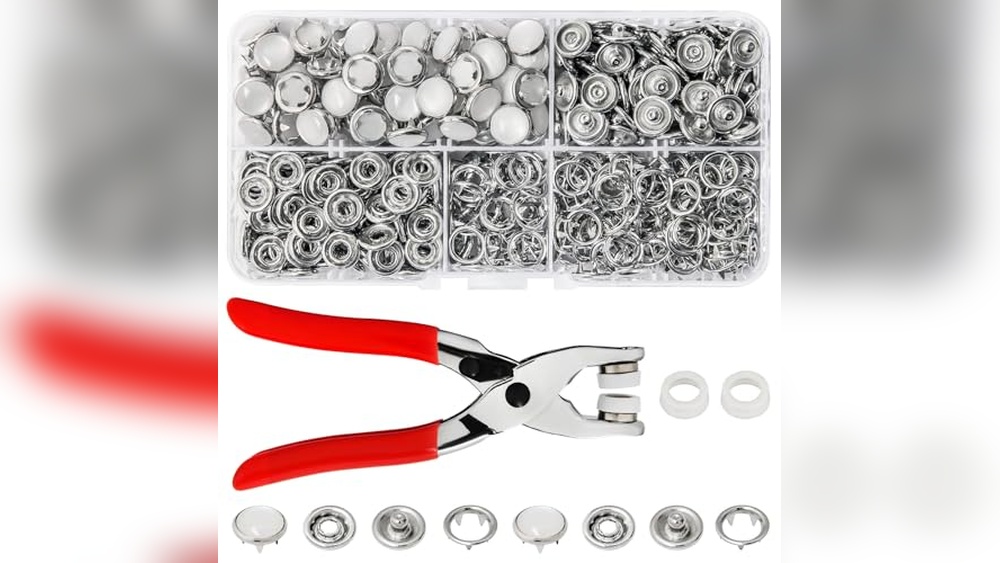
Zippers join two edges by sliding a small chain together. They provide a strong hold and quick access. Snaps are small discs that click into place. Both zippers and snaps offer convenience and durability. They suit clothing, bags, and outdoor gear well.
Buckles And Clasps
Buckles adjust the length of straps and secure them tightly. Clasps lock two parts with a simple hook or latch. Both fastenings allow easy adjustment and release. They are common in belts, shoes, and backpacks. Buckles and clasps balance strength with style.
Choosing The Right Fastening
Choosing the right fastening is important for a strong and lasting hold. Different projects need different types of fastenings. Picking the correct one helps avoid damage and saves time. Consider several key points before selecting a fastening.
Material Compatibility
Fastenings must match the materials being joined. Wood needs different fasteners than metal or plastic. Using the wrong type can cause slipping or breakage. Check if the fastening will react with the material. Some metals can rust or weaken when paired with certain fasteners.
Strength Requirements
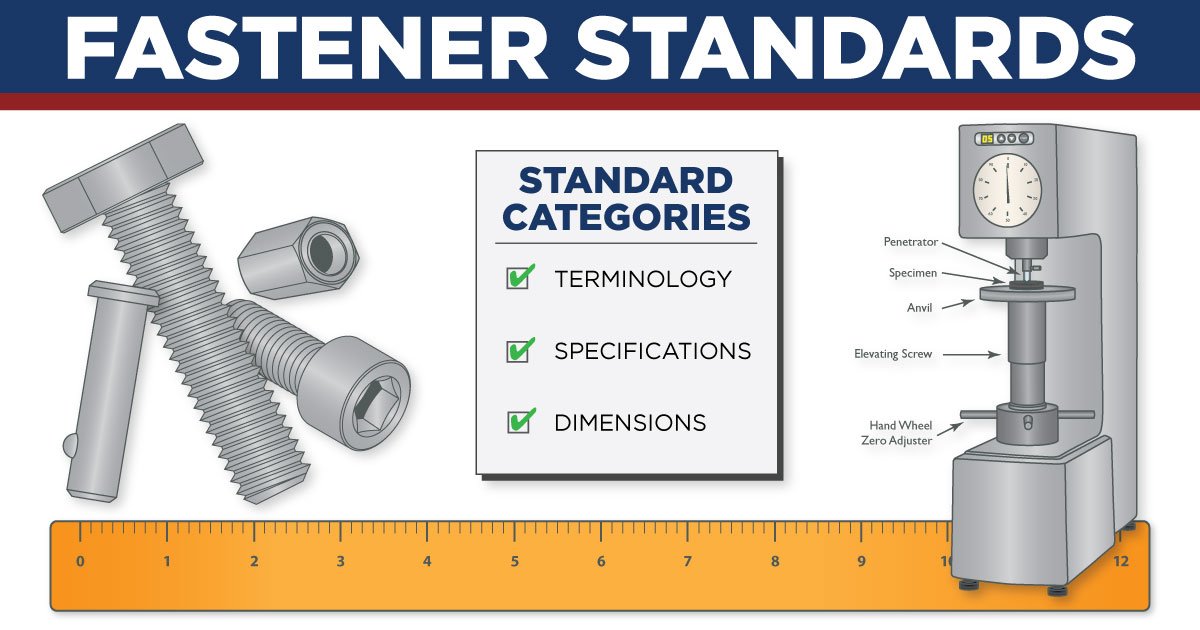
Think about how much weight or pressure the fastening must hold. Heavy loads need stronger fastenings like bolts or screws. Light tasks may only require nails or clips. Overloading a weak fastening can cause failure. Always match the fastening strength to the job demands.
Environmental Factors
Consider where the fastening will be used. Outdoor fastenings should resist rust and weather damage. Moist or humid places need corrosion-resistant types. Extreme temperatures may affect the fastening’s durability. Choose materials that hold up well in the environment.
Ease Of Use
Some fastenings are easier to install than others. Screws and nails are quick for basic tasks. Clips or snaps can be handy for temporary holds. Think about the tools available and your skill level. Simple fastenings save time and reduce mistakes.
Credit: www.huyett.com
Applications Across Industries
Fastenings play a crucial role in many industries. They hold parts together, ensuring strength and safety. Different industries require different types of fastenings. These fastenings must meet specific needs like durability, flexibility, or ease of use. Below are some common industries where fastenings are essential.
Construction And Engineering
Fastenings in construction secure beams, panels, and frameworks. Bolts and screws keep structures stable. Nails and anchors attach materials to walls and floors. Quality fastenings ensure buildings stand strong against weather and time.
Fashion And Textiles
In fashion, fastenings join fabrics and add style. Buttons, zippers, and hooks are common choices. They allow clothes to fit well and be easy to wear. Fastenings also help designers create unique looks and designs.
Automotive And Aerospace
Vehicles and aircraft use fastenings to hold parts safely. Screws, rivets, and clips keep engines and body parts in place. These fastenings must withstand heat, vibration, and pressure. Reliable fastenings support safety and performance in travel.
Electronics And Appliances
Fastenings in electronics keep components fixed inside devices. Small screws and clips hold circuit boards and batteries. They allow easy assembly and repair. Fastenings help appliances work properly and last longer.
Maintenance And Safety Tips
Fastenings hold parts together in many structures and machines. Keeping them well-maintained ensures safety and long life. Proper care prevents accidents and costly repairs. Follow these easy tips to maintain fastenings effectively.
Inspection Practices
Check fastenings regularly for signs of wear or damage. Look for rust, cracks, or loose parts. Use a flashlight to see hidden areas clearly. Tighten any loose screws or bolts carefully. Note any parts that look weak or bent.
Replacement Guidelines
Replace fastenings that show serious damage immediately. Do not try to fix broken or bent fastenings. Use the correct size and type for replacements. Always choose high-quality fastenings for safety. Keep a record of replacement dates for future checks.
Handling And Storage
Store fastenings in a dry, clean place to avoid rust. Keep them organized by size and type for easy access. Handle fastenings gently to prevent bending or damage. Use containers or bins to separate different fastenings. Avoid dropping or throwing fastenings during handling.

Credit: blog.treasurie.com
Frequently Asked Questions
What Are Fastenings Used For In Construction?
Fastenings are used to join materials securely in construction. They ensure stability and durability in structures. Common fastenings include nails, screws, bolts, and rivets. They prevent movement and maintain alignment of components. Proper fastenings improve safety and structural integrity.
Which Types Of Fastenings Are Most Common?
The most common fastenings are screws, nails, bolts, and rivets. Screws provide strong, removable joints. Nails are quick and economical. Bolts offer high strength for heavy loads. Rivets create permanent, vibration-resistant connections. Each type suits specific materials and applications.
How Do Fastenings Differ From Adhesives?
Fastenings mechanically join materials using physical force or threading. Adhesives bond surfaces chemically without penetration. Fastenings allow easy disassembly; adhesives usually create permanent joints. Fastenings are preferred for strength and reusability. Adhesives are ideal for smooth or delicate surfaces.
Can Fastenings Affect Structural Durability?
Yes, fastenings directly impact a structure’s durability. Using the right fastening type prevents loosening and corrosion. Poor-quality fastenings can cause joint failure. Proper installation ensures long-lasting stability. Regular inspection of fastenings maintains structural safety.
Conclusion
Fastenings hold things firmly and keep them in place. They come in many types like screws, nails, and clips. Each type has its own use and strength. Choosing the right fastening helps build strong and safe structures. Understanding fastenings can save time and money.
Simple tools and fastenings can fix many problems quickly. Remember, good fastenings make everything last longer and work better.