Are you struggling to attach press fasteners neatly and securely? Using pliers for press fasteners might seem tricky at first, but once you get the hang of it, it becomes quick and easy.
In this guide, you’ll learn simple steps to handle your pliers like a pro, avoid common mistakes, and get perfect results every time. Keep reading, and you’ll discover how a small tool can make a big difference in your sewing or crafting projects.
Your next project is about to become much easier!
Choosing The Right Pliers
Choosing the right pliers is important for using press fasteners correctly. The right tool makes the job easier and gives better results. Different pliers suit different fasteners. Knowing which pliers to use helps avoid damage and saves time.
Types Of Pliers For Fasteners
There are various pliers designed for press fasteners. Common types include snap fastener pliers, hand press pliers, and multi-tool pliers. Snap fastener pliers are simple and fit most fasteners. Hand press pliers offer more control and pressure. Multi-tool pliers work with different fastener sizes and types. Choose pliers based on the fastener style and how often you will use them.
Material And Size Considerations
Pliers come in different materials like steel, alloy, or plastic handles. Steel pliers are strong and last long. Alloy pliers are lightweight but still sturdy. Plastic handles provide comfort and reduce hand fatigue. Size matters too. Small pliers fit tiny fasteners and tight spaces. Large pliers give more grip and power for bigger fasteners. Pick pliers that feel comfortable and match the fastener size.

Credit: www.amazon.com
Selecting Press Fasteners
Selecting the right press fasteners is essential for a strong and neat finish. Choosing the correct type makes installation easier and ensures durability. This step helps you avoid damage to fabric or tools. Focus on fastener style and fabric type. These two factors guide your choice for the best results.
Common Fastener Styles
Press fasteners come in many styles. Snap fasteners are popular and simple to use. They click together for a secure hold. Eyelets and studs add a classic look. They work well on thicker materials. Ring snaps offer a solid grip and are easy to open. Choose the style that fits your project’s needs and appearance.
Matching Fasteners To Fabric
Not all fasteners suit every fabric. Lightweight fabrics need small, delicate fasteners. Heavy fabrics require larger, stronger fasteners. Avoid using large fasteners on thin fabric to prevent tearing. Thick fabrics like denim or leather need sturdy fasteners. Test on a scrap piece before final use. This ensures the fastener holds without damage.
Preparing Your Workspace
Preparing your workspace is the first step to using pliers for press fasteners. A clean and organized area helps you work faster and avoid mistakes. It also keeps small parts safe and easy to find.
Taking time to set up your space properly makes the task more enjoyable. You will feel more confident and focused on your project.
Organizing Tools And Materials
Gather all tools needed for the job. This includes pliers, press fasteners, and any extra parts. Place them close to each other. Keep small items in containers to stop them from rolling away. Arrange tools by size or use for easy access. A neat setup saves time and reduces stress.
Setting Up A Stable Surface
Choose a flat, steady surface to work on. A table or workbench works best. Avoid soft or uneven places like couches or beds. A solid surface helps press fasteners correctly without slipping. Make sure your work area has enough light. Good lighting helps you see details clearly and avoid errors.

Credit: www.amazon.com
Positioning The Fasteners
Positioning the fasteners correctly is key to a neat, strong finish. It ensures the parts fit well and the fabric holds together. This step requires care and patience to avoid mistakes. Proper placement helps the fasteners work smoothly and last longer.
Marking Placement On Fabric
Start by deciding where to place the fasteners on your fabric. Use a fabric pencil or chalk to mark the exact spots. Make small, clear marks that won’t show after attaching the fasteners. Check both sides of the fabric to ensure marks align perfectly.
Measure twice before marking to avoid errors. Keep marks close to the edge but with enough fabric to hold the fastener firmly. This simple step saves time and prevents holes or tears.
Aligning Fastener Components
Fasteners come in pairs: a male and a female part. Place the male part on the fabric’s front side. The female part goes on the back side, directly behind the male. Make sure both parts line up exactly over your marks.
Hold the components steady before pressing them with pliers. Misalignment can cause the fastener to not close properly. Take time to check the fit by gently pressing the parts together before fixing them permanently.
Using Pliers To Attach Fasteners
Using pliers to attach press fasteners is simple and effective. Pliers give you control and help secure fasteners tightly. They work well on fabric, leather, and other materials. This method saves time and avoids damage to your project.
Step-by-step Attachment Process
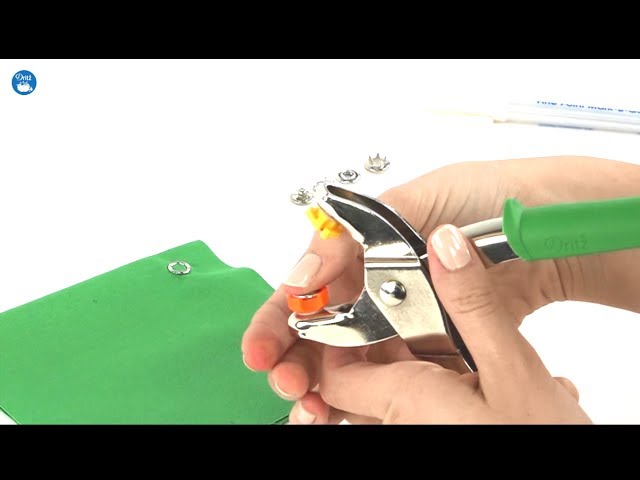
Start by placing the fastener parts correctly. Hold the fabric between the fastener pieces. Position the fastener in the pliers’ jaws. Squeeze the pliers firmly to join the parts. Check if the fastener is secure and aligned. Repeat for all fasteners needed on your item.
Applying Proper Pressure
Use steady pressure to avoid bending or breaking the fastener. Too much force can damage your material or the fastener. Too little pressure will make the fastener loose. Press slowly and evenly until the fastener sets. Practice on scrap fabric to find the right force.
Troubleshooting Common Issues
Troubleshooting is key when using pliers for press fasteners. Small problems can stop your work. Fixing these issues quickly saves time and effort. Understanding common problems helps you keep your project on track.
Fixing Misaligned Fasteners
Misaligned fasteners cause uneven pressure. This can damage fabric or weaken the hold. Check the fastener and fabric position carefully. Adjust the fastener to sit straight before pressing.
Use gentle pressure to avoid bending the fastener. Reposition the pliers to align parts properly. Press slowly to keep control and accuracy. Repeat if needed until the fastener fits well.
Dealing With Loose Attachments
Loose attachments mean the fastener does not hold tight. Check if the pliers apply enough pressure. Increase force slightly but avoid crushing the fastener.
Inspect the fastener parts for damage or dirt. Clean or replace parts if necessary. Press the fastener again to secure it firmly. Test the hold by gently pulling to ensure strength.
Maintaining Your Pliers
Maintaining your pliers ensures they work well and last longer. Taking care of them is simple. Regular attention keeps the tool sharp and easy to use. Clean pliers prevent rust and damage. Proper storage protects the tool from wear and tear.
Cleaning Tips
Clean pliers after every use. Wipe off dirt, grease, and dust with a dry cloth. For stubborn grime, use a mild soap and warm water. Dry the pliers thoroughly to avoid rust. Apply a small amount of oil to the joints to keep them moving smoothly.
Storage And Care
Store pliers in a dry place. Avoid leaving them in damp or humid areas. Use a toolbox or a drawer with compartments. Keep pliers separate from other tools to prevent damage. Check for loose parts before storage and tighten if needed. Proper care extends the life of your pliers.
Credit: www.youtube.com
Frequently Asked Questions
What Type Of Pliers Work Best For Press Fasteners?
Specialized snap or press fastener pliers are ideal. They ensure proper pressure and alignment for secure fastening. Using the right pliers prevents damage to fabric and fasteners.
How Do I Align Press Fasteners Correctly?
Align the male and female parts carefully on fabric. Use the pliers’ guides or dies to position fasteners accurately. Proper alignment ensures a strong, lasting hold.
Can I Use Regular Pliers For Press Fasteners?
Regular pliers can damage fasteners or fabric due to uneven pressure. It’s best to use pliers designed for press fasteners. This ensures professional, secure attachments without harm.
How Much Pressure Should I Apply With Pliers?
Apply firm but controlled pressure until fasteners snap together. Too little pressure may cause loose fasteners; too much can damage them. Practice helps achieve the perfect balance.
Conclusion
Using pliers for press fasteners is simple and effective. Choose the right pliers for your fastener type. Align the fastener parts carefully before pressing them together. Apply steady pressure to avoid damage. Practice on scrap material to gain confidence. This tool saves time and creates strong, neat fastener connections.
Keep your pliers clean and store them safely. With patience, your projects will look professional and last longer. Try these tips for easier and better fastener installation.