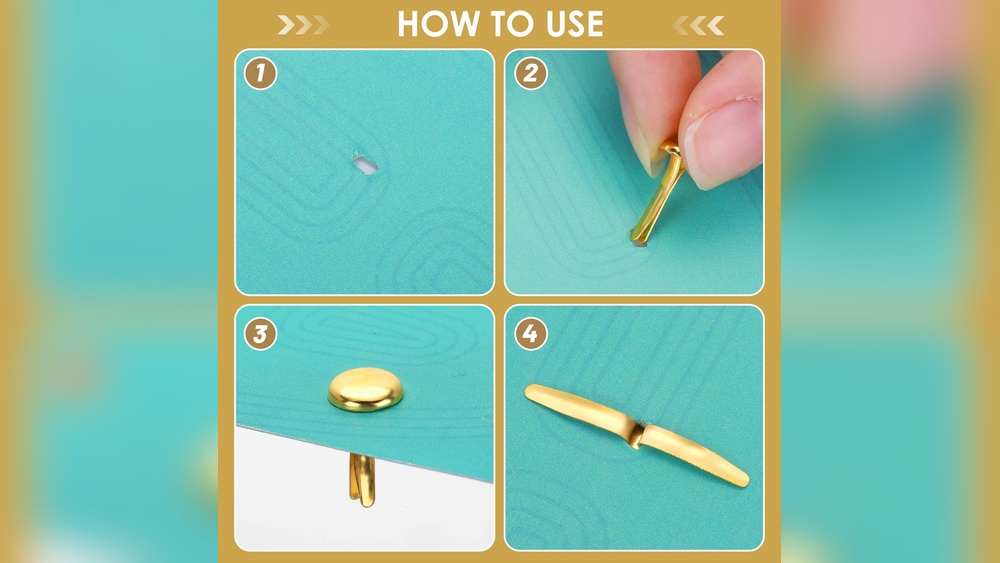
Are you working on a project and realize you don’t have a brass fastener on hand? Maybe you want something stronger, cheaper, or simply more available.
Finding the right alternative can be tricky, but it doesn’t have to be. You’ll discover easy and effective substitutes that will keep your work secure and looking great. Keep reading to find the perfect option for your needs and avoid those frustrating delays.
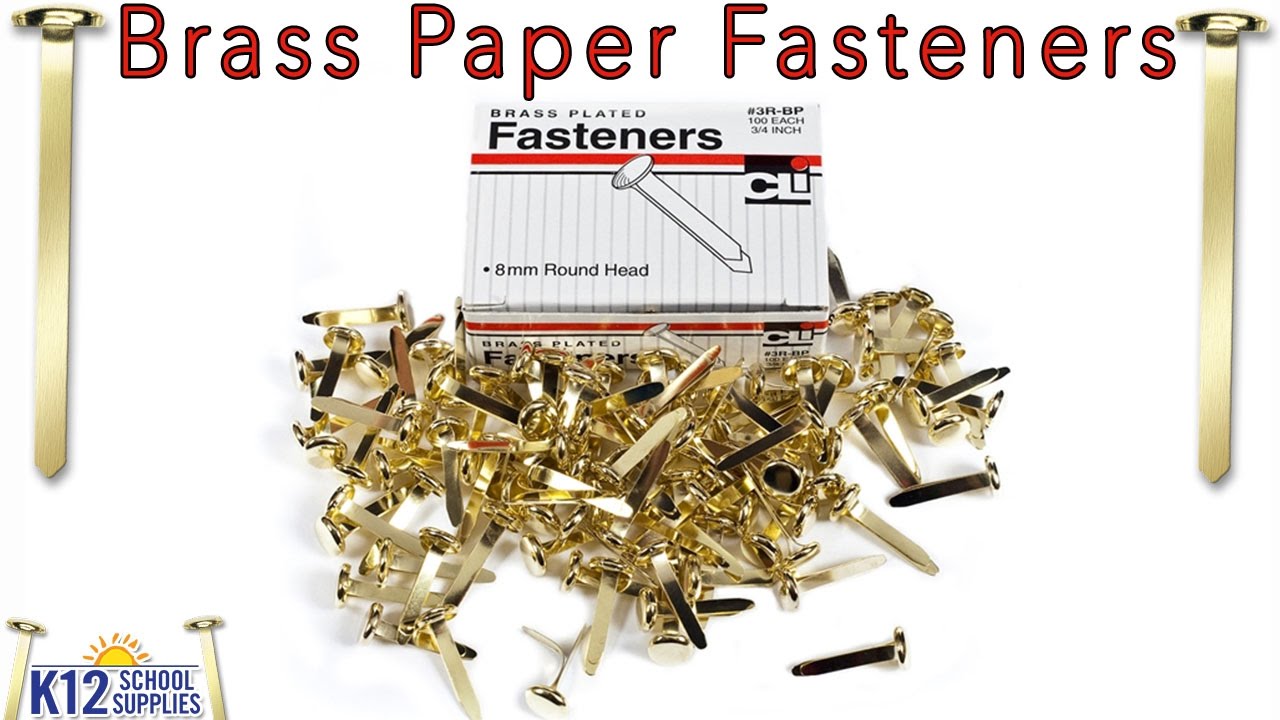
Credit: www.youtube.com
Common Brass Fastener Uses
Brass fasteners are popular for many tasks because of their durability and shine. They hold papers, craft pieces, and light materials firmly without damage. These fasteners come in various sizes and styles, making them flexible for different needs.
Many people use brass fasteners in offices, schools, and home projects. They join papers, create moving parts in crafts, and attach lightweight items. Their smooth finish and resistance to rust make them reliable for long-term use.
Paper Binding And Organization
Brass fasteners keep groups of papers together. They allow pages to turn easily without falling apart. Teachers and students use them to organize reports and assignments.
Crafts And Diy Projects
Crafters use brass fasteners to connect parts that need to move. They are ideal for making paper dolls, wheels, and other movable craft pieces. Their smooth finish prevents tearing or damage to delicate materials.
Lightweight Material Assembly
Brass fasteners work well for joining thin materials like cardstock and fabric. They hold parts together while allowing some flexibility. This makes them useful for creating models and decorations.

Credit: www.walmart.com
Limitations Of Brass Fasteners
Brass fasteners are common in many projects. They hold papers and materials together. Yet, brass fasteners have some limits that affect their use. Understanding these limits helps choose better options for certain tasks.
Brass is soft metal. This softness can cause fasteners to bend or break easily. For heavy or thick materials, brass fasteners may not hold well. They can lose grip under pressure.
Another issue is corrosion. Brass can tarnish over time. This changes its appearance and weakens the metal. In wet or humid places, brass fasteners may rust faster than expected.
Brass fasteners also have size limits. Large projects need stronger, bigger fasteners. Brass does not always meet these strength needs. This limits its use in heavy-duty jobs.
Cost is another factor. Brass fasteners often cost more than steel or plastic. This can add up in large projects. Budget-conscious users might seek cheaper alternatives.
Durability Concerns
Brass fasteners wear down with frequent use. Moving parts or repeated opening can damage them. They may loosen or break after time. This reduces their lifespan in active projects.
Limited Load Capacity
Brass fasteners cannot hold very heavy materials. They bend under strong pressure. For thick papers or boards, brass is not ideal. Stronger metals perform better in these cases.
Vulnerability To Corrosion
Brass tarnishes when exposed to moisture. This dulls its shine and weakens the metal. Outdoor or damp environments speed this process. Corroded fasteners lose their strength and look.
Cost Compared To Alternatives
Brass fasteners often cost more than other types. Steel and plastic options are cheaper. This affects budgets, especially for large orders. Cheaper fasteners may provide better value.
Stainless Steel Alternatives
Stainless steel is a strong and durable alternative to brass fasteners. It resists rust and corrosion well. This makes it a smart choice for many projects. It works well in many environments, even outdoors or in damp places.
Stainless steel fasteners come in different shapes and sizes. They fit various needs and tasks. Their strength holds materials firmly. This helps keep things together for a long time without damage.
Benefits Of Stainless Steel
Stainless steel does not rust easily. It stays shiny and clean for years. It holds up well against chemicals and water. This makes it perfect for wet or harsh places. It also has high strength and can hold heavy loads.
It requires little maintenance. This saves time and effort. It also has a smooth surface that does not scratch easily. Stainless steel is safe for many uses. It does not react with most materials.
Applications
Stainless steel fasteners work well in construction. They secure metal, wood, and plastic parts. Many use them in kitchens and bathrooms. These places often have moisture and heat.
People use stainless steel fasteners in boats and vehicles. They resist saltwater and tough conditions. These fasteners also suit electronic devices. They hold parts without causing damage or rust.
Craft projects and home repairs benefit from stainless steel. It provides a clean, strong hold. Its long life means less worry about replacements.

Credit: www.knifekits.com
Aluminum Fasteners
Aluminum fasteners offer a reliable alternative to brass fasteners. They are widely used in many industries due to their unique properties. Aluminum combines light weight with good strength. This makes it a practical choice for many projects. Below, we explore the key features and uses of aluminum fasteners.
Strength And Weight
Aluminum fasteners are strong yet lightweight. They weigh less than steel and brass. This reduces the overall weight of assemblies. Despite being light, they hold up well under stress. They resist corrosion, which extends their lifespan. Aluminum fasteners do not rust like steel. Their strength supports many structural needs. These fasteners are ideal for applications where weight matters.
Where To Use Aluminum
Use aluminum fasteners in outdoor and indoor projects. They are perfect for aerospace and automotive parts. Boats and marine equipment benefit from their corrosion resistance. Aluminum fasteners suit electrical devices due to non-magnetic properties. Use them in lightweight furniture and appliances. They work well in places exposed to moisture. Aluminum fasteners fit many applications requiring strength and lightness.
Plastic And Nylon Options
Plastic and nylon fasteners offer a practical alternative to traditional brass fasteners. They provide lightweight and cost-effective solutions for many fastening needs. These materials resist corrosion and moisture better than metal options, making them ideal for certain environments.
Plastic and nylon fasteners come in various shapes and sizes. They can flex under pressure without breaking easily. Their versatility suits many craft and office projects.
Durability And Flexibility
Plastic and nylon fasteners resist rust and corrosion. They work well in damp or humid places. These fasteners bend slightly without snapping, providing flexibility for different uses.
Their strength varies by type, but many offer lasting hold. They do not conduct electricity, which adds safety in some cases. Plastic and nylon fasteners handle repeated opening and closing smoothly.
Best Use Cases
Use plastic or nylon fasteners for paper, fabric, or lightweight materials. They suit school projects, crafts, and office documents. These fasteners work well where metal might stain or damage surfaces.
Choose them for outdoor items exposed to moisture. They fit well in electronics or items needing non-metal parts. Plastic and nylon fasteners offer a simple, reliable option for many everyday tasks.
Copper Fasteners
Copper fasteners offer a strong and reliable alternative to brass fasteners. They provide good durability and a natural resistance to wear. Copper’s warm color also adds a unique look to projects. These fasteners work well in many different settings.
Corrosion Resistance
Copper fasteners resist corrosion better than many metals. They handle moisture and air without rusting quickly. This makes them ideal for outdoor and damp environments. Over time, copper forms a protective layer called patina. This layer helps keep the fastener safe from damage.
Suitability
Copper fasteners suit many types of materials. They work well with wood, leather, and fabric. Their flexibility makes installation easier without breaking. Copper also conducts heat and electricity, useful in certain applications. These fasteners are common in crafts, furniture, and marine uses.
Titanium Fasteners
Titanium fasteners offer a strong and durable alternative to brass fasteners. They resist rust and corrosion well, making them suitable for many projects. These fasteners are lightweight yet tough, ideal for tasks requiring reliable hold and longevity.
High Strength
Titanium fasteners provide excellent strength. They can handle heavy loads without bending or breaking. This makes them perfect for construction and mechanical uses. Their strength surpasses that of brass, ensuring a secure fit for various materials.
Cost Considerations
Titanium fasteners cost more than brass options. The price reflects their durability and strength. While the initial cost is higher, their long life reduces replacement expenses. Choosing titanium can save money over time in maintenance and repairs.
Choosing The Right Alternative
Choosing the right alternative to a brass fastener matters for your project’s success. Different materials work better for different needs. Understanding what each option offers helps you pick the best one. Think about the material’s strength and how it fits your project. This way, you avoid problems later and get a strong hold.
Material Properties
Different materials have unique qualities. Steel is strong and resists bending. Plastic is light and won’t rust. Aluminum is soft but resists corrosion well. Wood fasteners blend well with wooden projects. Knowing these traits helps you match the fastener to your work. Choose a material that fits the environment and use.
Project Requirements
Think about what your project needs. Does it need to hold heavy weight? Will it face wet or dry conditions? Is appearance important? Fasteners for paper crafts differ from those for furniture. Match the fastener to the job for a clean, lasting result. Consider size, strength, and look before deciding.
Frequently Asked Questions
What Are Common Alternatives To Brass Fasteners?
Common alternatives include paper clips, binder clips, split pins, rivets, and plastic fasteners. Each offers different strengths and uses for securing papers or materials.
Can I Use Paper Clips Instead Of Brass Fasteners?
Yes, paper clips are a simple, reusable option for holding papers together. However, they offer less stability than brass fasteners.
Are Plastic Fasteners A Good Replacement For Brass Fasteners?
Plastic fasteners are lightweight and rust-resistant. They work well for lightweight materials but may not hold heavy documents securely.
How Do Binder Clips Compare To Brass Fasteners?
Binder clips provide a strong grip and are easy to remove. They are ideal for thick stacks but bulkier than brass fasteners.
Conclusion
Choosing the right alternative to a brass fastener depends on your project needs. Paper clips, staples, and binder clips work well for simple tasks. For stronger holds, try rivets or screws. Each option offers different strength and style. Test a few to find what fits best.
This helps keep your work neat and secure. Experimenting can lead to better results and less frustration. Your choice can make a big difference in the final outcome. Simple tools often solve common fastening problems.


