
Are you struggling to get your projects just right because your fastener screws won’t hold? Knowing how to use fastener screws properly can make all the difference.
Whether you’re fixing furniture, assembling a shelf, or working on a DIY project, the right technique can save you time, effort, and frustration. You’ll discover simple steps and insider tips that will help you master fastener screws quickly. Ready to make your work stronger and smoother?
Keep reading—you’re about to unlock the secret to perfect fastening every time.
Types Of Fastener Screws
Fastener screws come in many types. Each type serves a specific purpose. Choosing the right screw helps your project hold strong and last longer.
Understanding different types of screws makes your work easier. Here are some common fastener screws you should know about.
Wood Screws
Wood screws are designed to join pieces of wood together. They have sharp threads that grip the wood firmly. These screws often have a tapered shaft to prevent splitting. Use wood screws for furniture, framing, and woodworking projects.
Machine Screws
Machine screws are made for metal parts and machinery. They have a uniform diameter and fit into threaded holes or nuts. These screws are usually smaller and require a screwdriver or wrench. Use machine screws in engines, appliances, and electronics.
Sheet Metal Screws
Sheet metal screws fasten thin metal sheets or attach metal to other materials. They have sharp threads that cut into the metal surface. These screws often have a pointed tip for easy starting. Use them in HVAC, roofing, and metal fabrication.
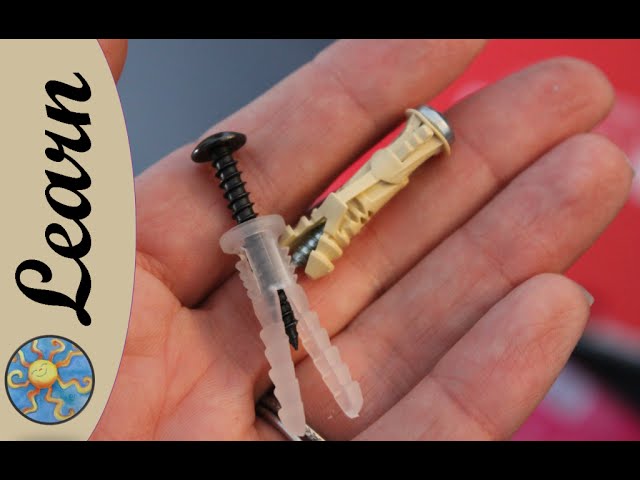
Self-tapping Screws
Self-tapping screws create their own thread as they are driven in. They save time by eliminating the need for pre-drilling. These screws work well in metal, plastic, and wood. Use self-tapping screws for quick repairs and light construction.
Credit: www.youtube.com
Choosing The Right Screw
Choosing the right screw is important for a strong and lasting hold. Different projects need different screws. Picking the correct screw makes your work easier and safer. Consider the material you will fasten and the conditions it will face. This helps avoid mistakes and damage.
Material Compatibility
Screws come in various materials like steel, brass, and stainless steel. Match the screw material with the material you are fastening. For example, use stainless steel screws for outdoor wood. This prevents rust and corrosion. Using the wrong screw material can weaken your project.
Screw Size And Length
Size matters for holding power and fit. The screw should fit the hole snugly. Choose a length that goes deep enough into the material. Too short screws don’t hold well. Too long screws may damage the surface or pass through.
Thread Type And Pitch
Threads grip the material tightly. Coarse threads work well on soft wood and drywall. Fine threads are best for metal and hard wood. The pitch is the distance between threads. Pick the right thread type to avoid stripping or loosening.
Tools Needed For Screw Installation
Using screws correctly requires the right tools. These tools help you install screws smoothly and securely. Choosing the right tool makes your work easier and prevents damage to the material or screw.
Screwdrivers And Drivers
Screwdrivers fit into the screw head to turn it. They come in many types: flathead, Phillips, and more. Use the correct size and type for each screw. Drivers are power tools that speed up screw insertion. They save time and reduce hand strain.
Drills And Drill Bits
Drills create holes for screws in hard materials. Pick a drill bit size slightly smaller than the screw’s diameter. This helps the screw hold tightly. Drills make installation faster and prevent splitting wood or cracking plastic.
Countersinks And Taps
Countersinks make a small angled hole for the screw head. This allows the screw to sit flush with the surface. Taps create threads inside a hole for machine screws. They ensure the screw fits snugly and holds strong.
Credit: bdnfasteners.com
Preparing The Work Surface
Preparing the work surface is the first step to using a fastener screw correctly. It helps ensure the screw fits well and holds tightly. A clean and marked surface reduces mistakes and saves time. Follow clear steps to get the surface ready before screwing.
Marking Screw Locations
Start by marking where each screw will go. Use a pencil or marker for clear spots. Measure carefully to keep screws evenly spaced. Marking guides your drill and avoids slipping. This simple step helps keep your work neat and strong.
Drilling Pilot Holes
Next, drill small pilot holes at the marked points. Pilot holes guide the screw and prevent wood from splitting. Use a drill bit slightly smaller than the screw’s diameter. Drill straight and steady for best results. Pilot holes make screwing easier and faster.
Clearing Debris
Remove all dust and wood chips from the pilot holes. Use a small brush or blow air to clean the holes. Debris can block the screw and weaken the hold. A clean hole allows the screw to fit tightly. This step improves the final strength of your project.
Step-by-step Screw Insertion
Inserting a screw correctly is important for a strong, lasting hold. Follow these simple steps to screw in fasteners safely and efficiently. Each step helps avoid damage and ensures the screw stays tight.
Aligning The Screw
Start by placing the screw at the hole’s edge. Hold it straight, not tilted. A straight screw fits better and grips tightly. This reduces slipping and damage to the material.
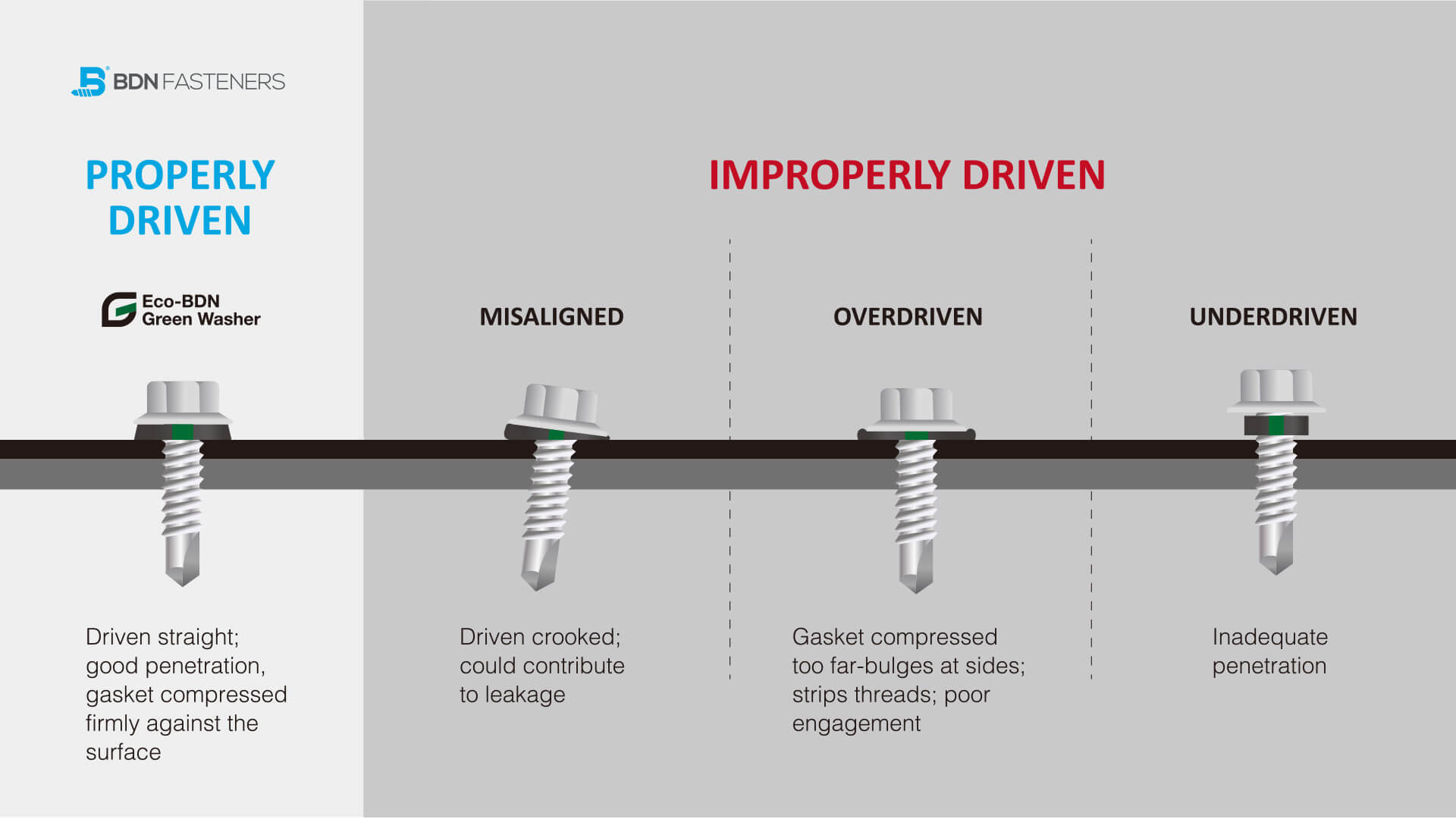
Applying Proper Torque
Use a screwdriver or drill with steady pressure. Turn slowly to feel the resistance. Stop applying force once the screw sits flush. Correct torque keeps the screw secure without damaging the surface.
Avoiding Over-tightening
Do not force the screw past its tight point. Over-tightening can strip the screw head or ruin the material. Tighten until firm, then stop to protect both screw and project.
Tips For Secure Assembly
Secure assembly is key for strong and lasting joints. Using the right methods helps prevent loosening and damage. Small details make a big difference in fastening strength. Follow these tips to ensure your screws hold tight and your project stays solid.
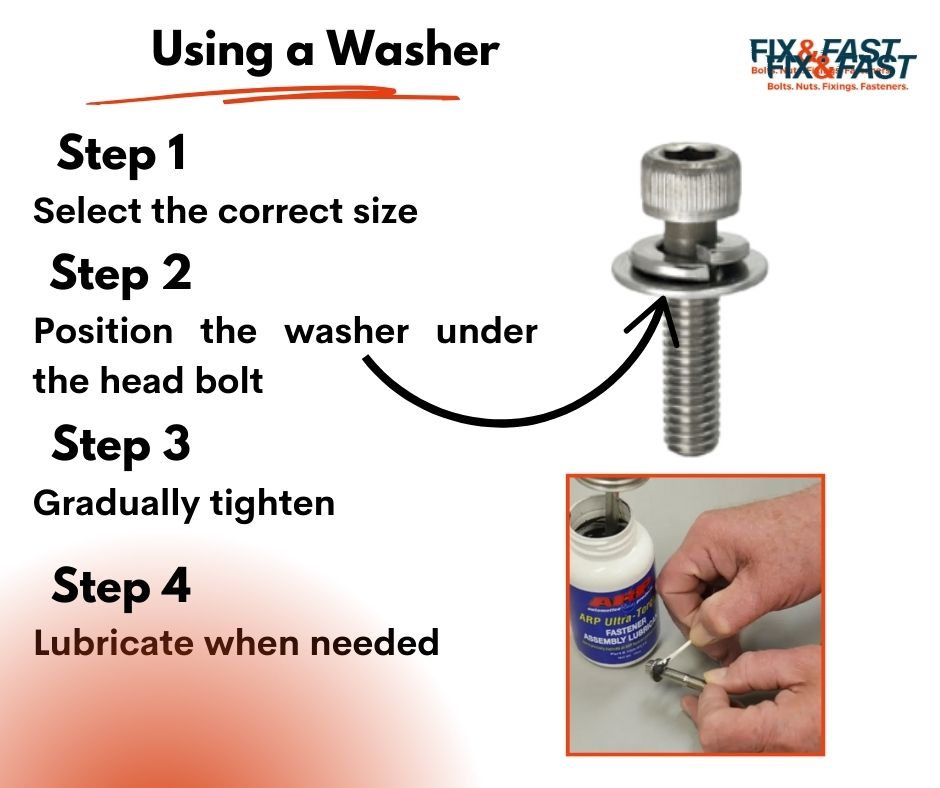
Using Washers And Nuts
Washers spread the load from the screw head. They protect surfaces from damage. Nuts lock screws in place on the opposite side. Use washers under both screw heads and nuts. This stops movement and reduces wear over time.
Choosing The Right Screw Head
Select screw heads that match your tools and materials. Flat heads sit flush with surfaces for a neat finish. Phillips heads reduce slipping during tightening. Torx heads provide strong grip and less wear on the driver. The right head makes installation easier and stronger.
Ensuring Proper Thread Engagement
Thread engagement means how much the screw threads grip the material. Aim for at least half the screw length inside the material. Too little engagement weakens the hold. Too much can split the wood or strip the threads. Check the depth before tightening fully.
Common Mistakes To Avoid
Using fastener screws correctly is important for strong and safe connections. Many people make simple mistakes that cause damage or weak joints. Avoiding these common errors will help your projects last longer and work better.
Cross-threading
Cross-threading happens when a screw is forced at the wrong angle. It damages the threads on both the screw and the hole. This makes it hard to screw in or remove the fastener later. Always start screws by hand and keep them straight.
Do not rush. Align the screw carefully before turning it. This prevents thread damage and keeps the connection strong.
Using Incorrect Screw Types
Not all screws fit every job. Using the wrong screw type can cause loose or weak joints. Choose screws made for the material and purpose of your project.
Wood screws, machine screws, and sheet metal screws all have different shapes and threads. Using the right type ensures a tight and durable hold.
Ignoring Material Strength
Materials have different strength levels. Using screws that are too weak or too strong can cause problems. Weak screws may break. Strong screws can crack soft materials.
Match the screw size and strength to the material. This balance helps avoid damage and keeps the connection secure.
Credit: www.fixandfast.co.uk
Maintenance And Inspection
Regular maintenance and inspection keep fastener screws strong and safe. Small problems can grow if left unchecked. Simple checks help avoid failures and costly repairs. Follow these steps to maintain your screws properly.
Checking For Looseness
Check screws often for any signs of looseness. Loose screws can cause parts to move or fall apart. Use a screwdriver or wrench to test each screw. Tighten screws that feel loose but avoid overtightening. Overtightened screws may strip or break.
Replacing Damaged Screws
Look closely for screws with rust, cracks, or worn threads. Damaged screws lose strength and can fail suddenly. Replace any screws that appear damaged. Use screws that match the size and type needed. Proper replacements keep the structure safe and steady.
Preventing Corrosion
Corrosion weakens screws over time. Keep screws dry and clean to reduce rust. Apply a thin coat of oil or anti-rust spray on metal screws. Use stainless steel or coated screws in wet or outdoor areas. These steps help screws last longer and stay strong.
Frequently Asked Questions
What Is The Main Purpose Of A Fastener Screw?
A fastener screw joins materials securely by threading into surfaces. It provides strong, removable connections in wood, metal, or plastic.
How Do I Choose The Right Fastener Screw?
Select screws based on material type, length, diameter, and head design. Match screw type to the project for durability and strength.
Can Fastener Screws Be Reused Safely?
Reusing fastener screws is possible but not always ideal. Inspect for wear or damage before reuse to maintain secure fastening.
What Tools Are Needed To Use Fastener Screws?
Common tools include screwdrivers, drills, or impact drivers. Choose the correct driver bit matching the screw head for efficient installation.
Conclusion
Fastener screws hold things tightly and safely. Choose the right screw for each job. Always use the correct tools to avoid damage. Tighten screws firmly but do not overdo it. Check screws regularly to keep structures strong. Simple steps make your work neat and secure.
Practice helps you gain confidence and skill. Using fastener screws correctly saves time and effort. Keep these tips in mind for better results every time.


