Have you ever struggled to secure materials quickly and firmly without the hassle of complicated tools? Using corrugated fasteners with a hammer might be the simple solution you need.
Imagine finishing your project faster, with strong, reliable results every time. You’ll discover exactly how to use these fasteners effectively, step by step. By the end, you’ll feel confident tackling your next task and saving time and effort. Keep reading to unlock the easy way to get the job done right.
Choosing The Right Corrugated Fasteners
Choosing the right corrugated fasteners is key for a strong, lasting hold. These fasteners connect materials like wood, metal, and plastic. Picking the correct type helps prevent damage and ensures safety. Understanding the types, materials, and sizes makes the process easier. This section guides you through the basics of selecting the best fasteners for your project.
Types Of Corrugated Fasteners
There are several types of corrugated fasteners. Common kinds include nails, clips, and staples. Nails are popular for heavy-duty tasks. Clips hold thin materials tightly. Staples work well for lighter jobs. Each type serves a different purpose. Choose the type that matches your material and job needs.
Materials And Sizes
Corrugated fasteners come in various materials like steel, aluminum, and plastic. Steel fasteners offer strength and durability. Aluminum fasteners resist rust and corrosion. Plastic fasteners are lightweight but less strong. Sizes vary from small to large. Pick a size that fits the thickness of your materials. Using the right size avoids splitting or bending.
When To Use Each Type
Use nails for thick, heavy materials like wood or metal sheets. Clips fit best for thin, flexible materials needing firm grip. Staples work well with light materials such as fabric or thin plastic. Match the fastener type to the material thickness and weight. Correct use helps secure materials safely and firmly.
Preparing For Installation
Preparing for installation is an important step before using corrugated fasteners with a hammer. It helps ensure the fasteners hold well and the project lasts longer. Proper preparation reduces mistakes and saves time during installation.
Follow these simple steps to get ready for using corrugated fasteners correctly and safely.
Gathering Tools And Safety Gear
Start by collecting all necessary tools. You need a hammer and corrugated fasteners. A measuring tape and pencil help with marking. Safety gear like gloves and eye protection is crucial. Gloves protect your hands from sharp edges. Eye protection keeps debris out of your eyes. Having everything ready avoids interruptions later.
Surface Preparation Tips
Check the surface where you will install the fasteners. It must be clean and dry. Remove dirt, dust, and loose material. A smooth surface helps fasteners hold firmly. If the surface is rusty, sand it down. Avoid placing fasteners on soft or damaged areas. This ensures a strong, lasting connection.
Marking Fastener Placement
Mark spots for each fastener before starting. Use a pencil or marker for clear marks. Space marks evenly for balanced support. Follow manufacturer guidelines for exact spacing. Marking first saves time and keeps fasteners in the right place. It also helps avoid mistakes during hammering.
Hammering Techniques
Using corrugated fasteners with a hammer requires good technique. Proper hammering helps you drive the fasteners securely. It prevents damage and makes your work easier. Here are key hammering techniques to follow.
Proper Hammer Grip And Stance
Hold the hammer near the end of the handle. This grip gives you better control and power. Stand with your feet shoulder-width apart. Keep your body balanced and relaxed. Position yourself so you can swing the hammer straight down.
Aligning The Fastener Correctly
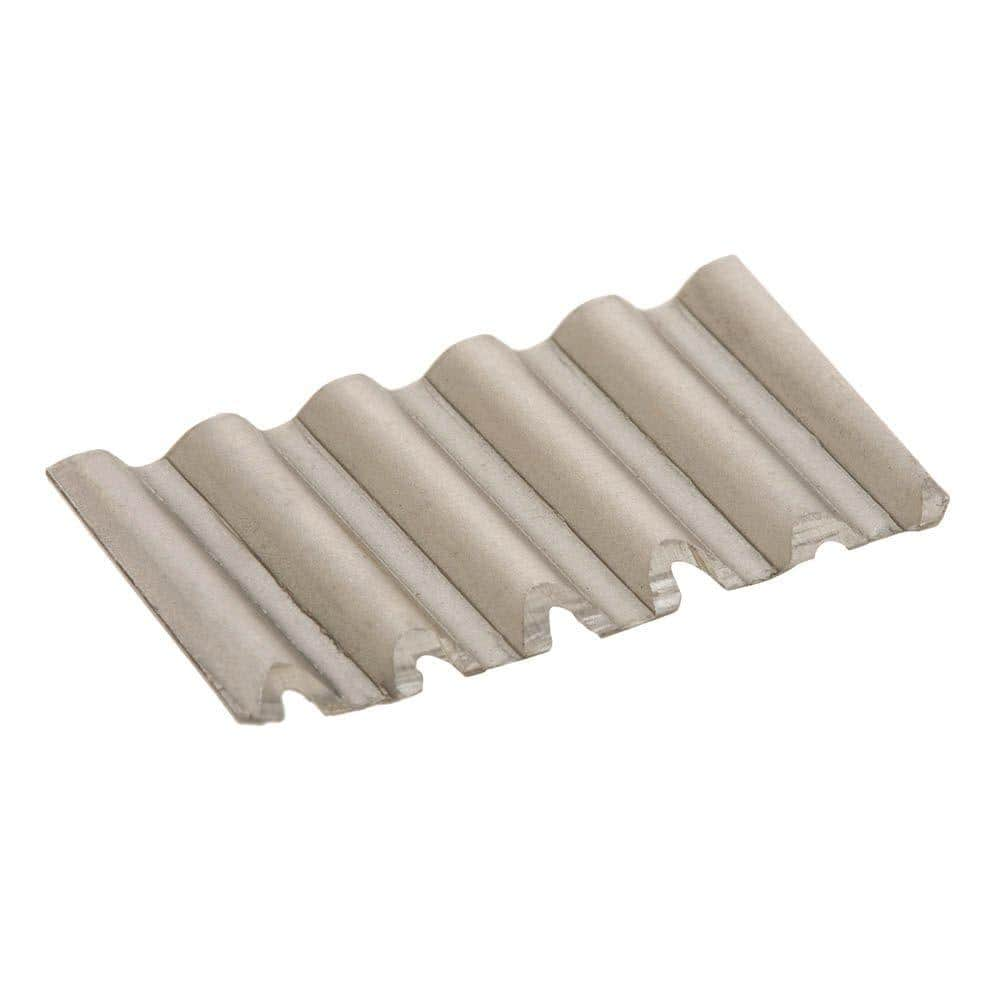
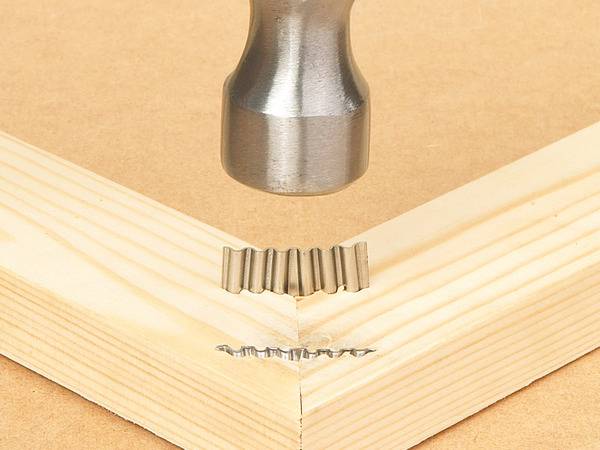
Place the fastener flat against the wood surface. Make sure it lines up with the corrugated edges. Hold it steady with your fingers at first. Aim the hammer head squarely on the fastener’s top. This helps prevent bending or slipping.
Controlling Hammer Force
Start with light taps to set the fastener in place. Increase force gradually with each hit. Avoid hitting too hard at once. Hard swings can bend the fastener or damage the wood. Keep your hits firm but controlled for best results.
Credit: www.homedepot.com
Common Mistakes To Avoid
Using corrugated fasteners with a hammer needs care. Small errors can cause big problems. Avoid common mistakes to save time and effort. It also helps keep your work strong and neat. Let’s look at some key errors to watch out for.
Overdriving Or Underdriving Fasteners
Driving fasteners too deep can damage the material. It weakens the hold and ruins the surface. On the other hand, not hitting them hard enough leaves them loose. Loose fasteners can cause parts to shift or fall apart. Aim for a firm, flush fit. Not too deep, not too shallow.
Misalignment Issues
Fasteners must line up with the corrugated material’s grooves. Misaligned fasteners do not hold well and may bend. Bent fasteners lose strength and look messy. Check the position before hammering. A small adjustment saves you from redoing the job.
Using Incorrect Hammer Types
Not all hammers work well with corrugated fasteners. A hammer that is too heavy can damage the fastener. A light hammer may not drive it in fully. Choose a hammer with a smooth face and medium weight. This helps control each strike and keeps the fastener intact.
Finishing Touches
Finishing touches complete the process of using corrugated fasteners with a hammer. They ensure the fasteners hold tight and last long. Careful attention during this stage prevents future problems.
Taking time to check and fix issues at the end saves effort later. It also makes the work look neat and strong. The following steps help you finish well.
Inspecting Fastener Security
Check each fastener after hammering. Make sure they sit flush against the surface. Loose fasteners can cause instability. Tap gently to tighten any that are not secure. Avoid over-hammering, as it may damage the fastener or material.
Dealing With Bent Or Damaged Fasteners
Bent or damaged fasteners weaken the hold. Remove any that look crooked or broken. Replace them with new ones to keep strength. Use a pair of pliers to pull out bad fasteners carefully. Hammer in new fasteners straight and firm.
Maintenance Tips For Longevity
Check fasteners regularly for rust or loosening. Clean the surface around fasteners to prevent dirt buildup. Use rust-resistant fasteners in humid areas. Store unused fasteners in a dry place. Regular care extends the life of your project.
Credit: www.ironwirenails.com
Credit: www.betcofasteners.com
Frequently Asked Questions
What Are Corrugated Fasteners Used For?
Corrugated fasteners join plywood or panel materials securely. They provide strong, durable connections in woodworking and construction projects.
How Do You Position Corrugated Fasteners?
Align the fastener over the joint or seam. Ensure it lies flat and covers the materials to be joined.
Can You Drive Corrugated Fasteners With A Hammer?
Yes, use a hammer to drive them. Tap gently at first, then apply firm, even strikes until flush.
What Hammer Type Is Best For Corrugated Fasteners?
A claw or framing hammer works best. It offers control and enough force to secure the fastener properly.
Conclusion
Using corrugated fasteners with a hammer is simple and effective. Hold the fastener firmly in place. Tap it gently at first to set it. Then, use stronger hits to secure it well. Make sure the fastener lies flat on the wood.
This helps keep your materials tight and steady. Practice steady, controlled strikes for best results. With care, your project will stay strong and last longer. Small steps lead to great outcomes. Try it yourself and see the difference.