
Are you struggling to attach press fasteners neatly and securely? Using pliers for press fasteners can make your projects easier and more professional-looking.
But if you’re not sure how to use them the right way, you might end up with crooked snaps or damaged fabric. In this guide, you’ll discover simple steps to master pliers for press fasteners quickly. By the end, you’ll feel confident handling your tools and giving your clothes or crafts that perfect finish every time.
Keep reading to unlock the secrets that will save you time and frustration!

Credit: www.amazon.com
Choosing The Right Pliers
Choosing the right pliers for press fasteners is important for a smooth and secure installation. The correct tool ensures the fasteners fit well and stay in place. Using the wrong pliers can damage the fasteners or the material. It saves time and effort to pick pliers designed for your specific fasteners.
Types Of Pliers For Fasteners
Press fasteners need special pliers for best results. Snap fastener pliers are common and designed to press snaps firmly. Anvil pliers have a flat base that supports the fastener during pressing. Pliers with interchangeable dies work well for different fastener sizes and styles. Each type fits certain fasteners better, so choose based on your fastener type.
Material And Size Considerations
Good pliers are made of strong, durable metal like steel. The handles should be comfortable and offer a good grip. Small pliers suit small fasteners for delicate work. Larger pliers handle bigger fasteners or thicker materials. Match the plier size with your fastener size for the best hold and pressure. Proper size keeps fasteners intact and avoids material damage.
Credit: www.youtube.com
Selecting Press Fasteners
Selecting the right press fasteners is key for a strong and neat finish. Fasteners come in many styles and sizes. Choosing the correct type helps your project last longer and look better.
Common Fastener Styles
Press fasteners include snaps, rivets, and eyelets. Snaps are the most popular and easy to use. Rivets provide a firm hold for heavy fabrics. Eyelets allow laces or cords to pass through. Each style serves a different purpose.
Matching Fasteners To Fabric
Light fabrics need small, delicate fasteners. Thick fabrics require larger, stronger fasteners. Metal fasteners suit denim or canvas well. Plastic ones work better on lightweight or stretchy fabrics. Picking the right fastener prevents damage and ensures a clean look.
Preparing Your Workspace
Preparing your workspace is the first step to using pliers for press fasteners well. A clean and organized area helps you work faster and safer. It also makes the process less frustrating. Setting up the right space lets you focus on your task and get better results.
Essential Tools And Materials
Gather all necessary tools before starting. You need a pair of pliers designed for press fasteners. Keep the fasteners close by for easy access. A small container can hold the fasteners and prevent them from rolling away. A flat surface helps you apply even pressure. Have a soft cloth or mat to protect your work area and the fabric you work on.
Setting Up A Comfortable Area
Choose a well-lit spot to see details clearly. Good light reduces eye strain and mistakes. Use a sturdy table or desk at a comfortable height. Sit on a chair that supports your back. Keep your arms and hands relaxed to avoid fatigue. Arrange tools within easy reach to save time. A calm, quiet space helps you stay focused and patient.
Marking Fastener Placement
Marking fastener placement is a crucial step before using pliers for press fasteners. It helps ensure the fasteners align perfectly and hold firmly. Accurate marking prevents mistakes and saves time during installation.
Measuring And Aligning
Start by measuring the exact spot for each fastener. Use a ruler or measuring tape for precision. Mark the spot lightly with a pencil or fabric chalk. Align both sides of the fabric or material carefully. Double-check measurements before pressing the fastener. Correct alignment ensures the fasteners work smoothly and look neat.
Using Templates Or Guides
Templates or guides make marking fastener spots easier. They keep the distance between fasteners even. Place the template on your material and mark each hole. This method saves time and improves accuracy. Templates work well for multiple fasteners on the same project. Use a plastic or cardboard guide for best results.
Attaching Fasteners With Pliers
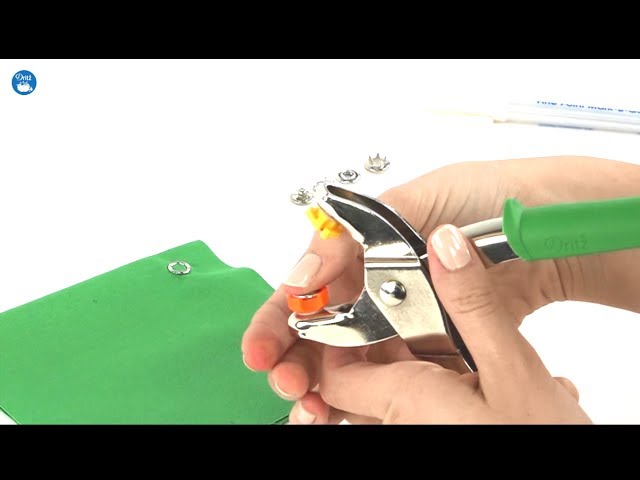
Attaching fasteners with pliers is a simple process that anyone can learn. Using pliers helps you fix press fasteners tightly on fabric or leather. It makes your projects look neat and professional. This section explains how to position, press, and check fasteners using pliers.
Positioning The Fastener Pieces
Start by separating the two parts of the fastener. Place the socket piece on the top side of the fabric. Then, position the stud piece on the bottom side. Make sure both parts line up exactly. Misalignment can cause the fastener to not close properly. Hold the fabric steady while positioning the pieces.
Applying Pressure Correctly
Use the pliers to grip the fastener pieces firmly. Press the handles slowly and steadily. Avoid using too much force at once. Too much pressure can damage the fastener or fabric. A steady squeeze helps the fastener parts lock tightly. Release the pliers slowly after pressing.
Checking For Secure Attachment
After pressing, check if the fastener is secure. Pull gently on both sides of the fabric. The fastener should stay in place without moving. Test by opening and closing it a few times. If it feels loose, press again carefully. A secure fastener ensures your project lasts long.
Troubleshooting Common Issues
Troubleshooting common problems with press fasteners can save time and materials. Small errors affect the final look and function of your project. Knowing how to fix these issues improves your confidence and results.
Fasteners Not Closing Properly
Fasteners that do not close fully often need more pressure. Check if the pliers are aligned correctly before pressing. Sometimes the fastener parts are dirty or bent. Clean or replace them to ensure a tight fit. Also, use the right size fastener for your fabric thickness.
Damage To Fabric Or Fasteners
Damage happens when too much force is applied. Protect delicate fabrics by placing a cloth between pliers and fabric. Avoid pushing too hard or using pliers on thick areas. Replace bent or cracked fasteners to prevent fabric tears. Use pliers designed for your fastener type to reduce damage.
Adjusting Pliers For Better Results
Adjust pliers to match your fastener size. Most pliers have removable or changeable dies. Check the user guide to switch dies properly. Tighten screws to keep dies stable during use. Test on scrap fabric to ensure the right pressure and alignment. Adjustments improve the look and strength of fasteners.
Maintaining Your Pliers
Maintaining your pliers ensures they work well and last longer. Proper care keeps the tool safe and ready for use. Small actions help avoid damage and improve performance. Learn simple tips to clean and store pliers correctly. Also, know when to repair or replace them to stay efficient.
Cleaning And Storage Tips
After using pliers, wipe off dirt and grease. Use a clean cloth to remove grime from joints. Lightly oil the moving parts to stop rust. Store pliers in a dry place away from moisture. Keep them in a toolbox or hang on a pegboard. Avoid leaving pliers in damp or dusty areas. Proper storage prevents rust and keeps pliers sharp.
When To Replace Or Repair
Check pliers regularly for cracks or loose parts. If the jaws are bent or worn, repair or replace them. Loose joints make the tool unsafe and less effective. Handles with broken grips can cause injury. Repair small issues like loose screws quickly. Replace pliers if damage affects safety or function. Using good condition pliers makes pressing fasteners easier.

Credit: www.amazon.com
Frequently Asked Questions
What Type Of Pliers Are Best For Press Fasteners?
The best pliers for press fasteners are hand-held snap fastener pliers. They provide precise pressure to secure fasteners without damage.
How Do You Align Press Fasteners Using Pliers?
Align the male and female parts of the fastener carefully. Position them in the pliers’ jaws before squeezing to ensure proper attachment.
Can Press Fasteners Be Removed With Pliers?
Yes, press fasteners can be gently removed using pliers. Use slow, steady pressure to avoid damaging the fabric or fastener.
How Much Pressure Is Needed When Using Pliers?
Apply firm but controlled pressure. Excessive force can damage the fastener or material, while too little may cause loose attachment.
Conclusion
Using pliers for press fasteners is simple and effective. Choose the right pliers for your fastener type. Align the fastener parts carefully before pressing. Apply steady pressure to secure the fastener in place. Avoid forcing the pliers to prevent damage.
Practice a few times to gain confidence and skill. This tool helps you fix clothes and crafts quickly. Enjoy the ease of attaching fasteners with your pliers. Keep your tools clean and store them safely after use.
