Have you ever wondered what holds things together in your everyday life? Whether it’s the furniture in your home or the gadgets you use daily, metal fasteners play a hidden but crucial role.
Understanding what a metal fastener is can help you make smarter choices when fixing, building, or buying products. You’ll discover the basics of metal fasteners, why they matter, and how they impact the strength and durability of what you use.
Keep reading to unlock the secret behind these small but powerful pieces that keep everything connected.

Credit: www.engineeringexpress.com
Metal Fasteners Basics
Metal fasteners are small but important parts used in many projects. They hold pieces of metal or other materials together. Fasteners help build strong and safe structures. Understanding their basics is useful for anyone working with tools or materials.
Fasteners come in many shapes and sizes. Each type serves a specific purpose. Knowing the basics helps you choose the right fastener for the job.
Definition And Purpose
Metal fasteners are devices used to join two or more objects. They keep parts tightly connected. Fasteners can be temporary or permanent. Screws, bolts, nuts, and nails are common types. They provide strength and stability to structures. Without fasteners, many machines and buildings would fall apart.
Common Materials Used
Most metal fasteners are made from steel. Steel offers strength and durability. Stainless steel resists rust and corrosion. Brass fasteners are often used for decoration. Aluminum fasteners are light but strong. Choosing the right material depends on where the fastener will be used. Outdoor fasteners need to resist weather damage. Indoor fasteners focus more on strength than corrosion resistance.

Credit: www.amazon.com
Types Of Metal Fasteners
Metal fasteners hold parts together. They come in many types. Each type serves a special purpose. Knowing the types helps pick the right one for a job.
Bolts And Screws
Bolts and screws join parts tightly. Bolts use nuts to hold firmly. Screws twist into materials to stay put. Both provide strong, lasting connections.
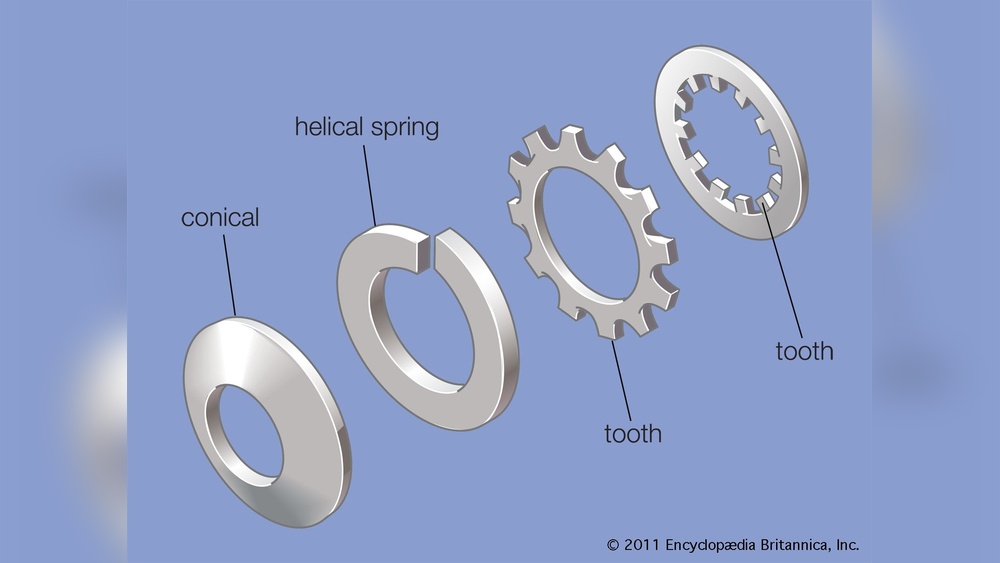
Nuts And Washers
Nuts fit on bolts to lock parts. Washers sit under nuts or heads. They spread force and stop damage. Nuts and washers work as a team.
Rivets And Pins
Rivets fasten by pressing metal ends. They hold parts permanently. Pins slide into holes to connect. Pins allow some movement between parts.
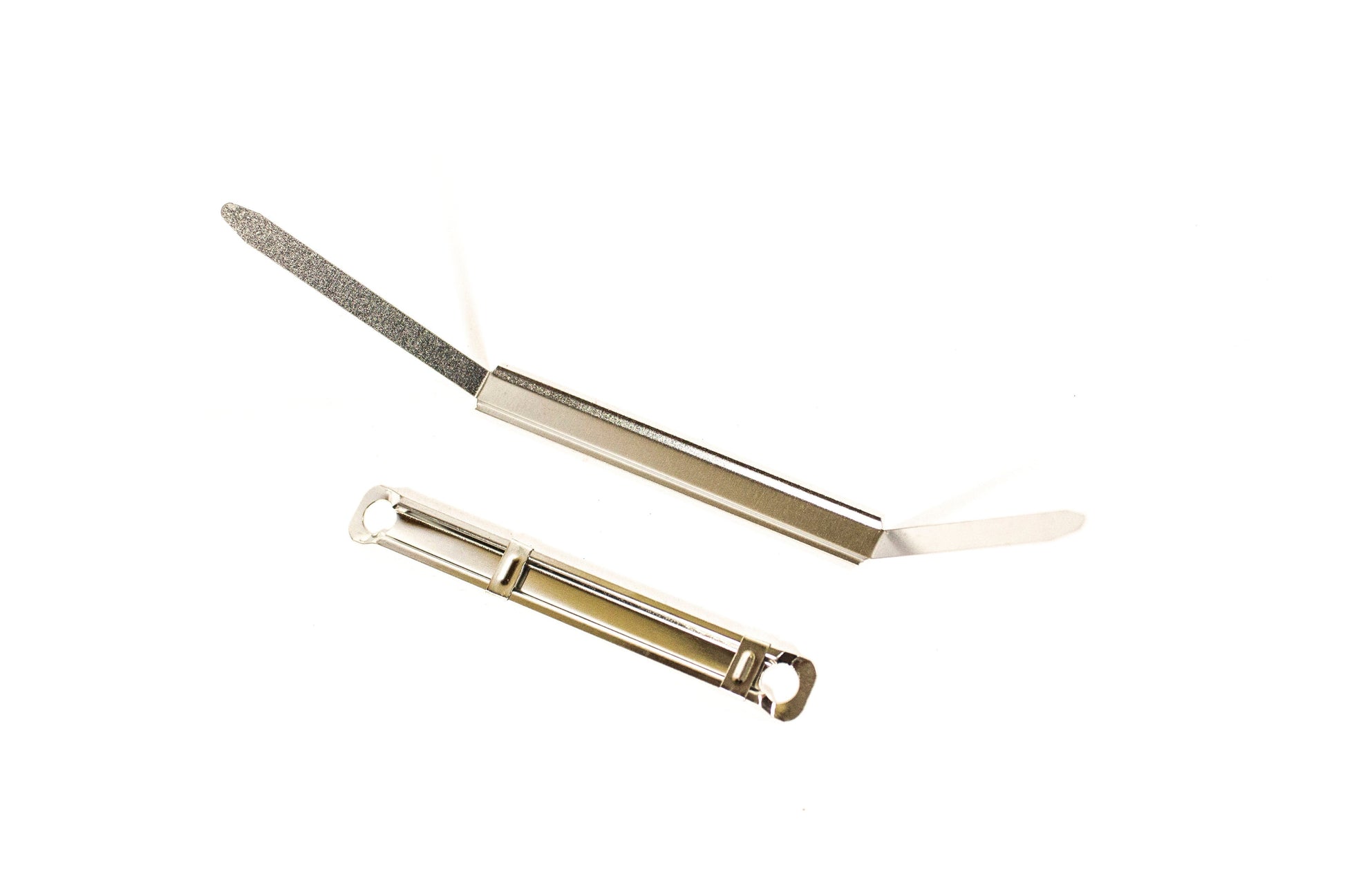
Clips And Clamps
Clips snap onto parts to hold them. Clamps use pressure to keep parts tight. Both are easy to remove and reuse. They are good for temporary holds.
Choosing The Right Fastener
Choosing the right metal fastener is key for any project. It ensures safety, strength, and durability. The wrong fastener can cause failures or damage. Several factors affect which fastener works best. Understanding these helps pick the ideal one for your needs.
Load And Strength Considerations
Fasteners must handle the forces they face. Consider the weight and stress on the joint. Heavy loads need strong fasteners made from high-grade materials. For light tasks, smaller or less strong fasteners work fine. Always match fastener strength with the job requirements.
Corrosion Resistance
Metal fasteners often face moisture and chemicals. This can cause rust and weaken the fastener. Choose fasteners with coatings or made from corrosion-resistant metals. Stainless steel and zinc-plated fasteners resist rust well. Corrosion resistance extends the fastener’s life.
Size And Thread Types
Fastener size affects fit and holding power. Use the right diameter and length for your materials. Thread type also matters. Coarse threads hold better in soft materials. Fine threads suit hard materials or precise adjustments. Select size and thread type for a secure fit.
Credit: papercart.ph
Applications Of Metal Fasteners
Metal fasteners play a vital role in many industries. They hold parts together and provide strength. Their durability and reliability make them essential for various applications. Understanding where metal fasteners are used helps appreciate their importance.
Construction Industry
Metal fasteners are crucial in building structures. They join steel beams, wood, and concrete components. Nails, screws, and bolts secure walls, roofs, and floors. These fasteners ensure safety and stability in buildings. Without them, construction would be weak and unsafe.
Automotive Sector
Cars and trucks rely on metal fasteners for assembly. Bolts and screws hold engines, doors, and frames together. Fasteners withstand vibrations and extreme conditions. They keep vehicles safe and functional on the road. Every part depends on strong, reliable fasteners.
Electronics And Appliances
Small metal fasteners secure electronic devices and home appliances. They hold circuit boards, panels, and casings firmly. These fasteners allow easy repair and maintenance. Precision and strength are key in these applications. Fasteners keep gadgets working well every day.
Furniture Assembly
Metal fasteners connect parts in furniture making. Screws, nails, and brackets join wood and metal pieces. They provide stability and support to chairs, tables, and beds. Fasteners make furniture sturdy and long-lasting. Assembly becomes simpler and more reliable with them.
Installation Tips
Installing metal fasteners correctly ensures strong and lasting joints. Proper installation helps avoid damage and saves time. Follow these simple tips for better results.
Tools Required
Gather the right tools before starting. Common tools include a screwdriver, wrench, and drill. Use a level to keep fasteners straight. Safety gear, like gloves and goggles, protects your hands and eyes. Having the correct tools makes the job easier and safer.
Common Installation Mistakes
Do not overtighten fasteners; it can strip threads or break parts. Avoid using the wrong size fastener; it may cause weak joints. Skipping pilot holes can split wood or other materials. Make sure surfaces are clean and dry before installation. These simple errors reduce the strength of your work.
Maintenance And Inspection
Check metal fasteners regularly for rust or loosening. Tighten any loose fasteners to keep structures secure. Replace fasteners showing signs of wear or corrosion. Clean fasteners to prevent dirt buildup and rust. Regular inspection extends the life of your metal fasteners.
Frequently Asked Questions
What Materials Are Metal Fasteners Made From?
Metal fasteners are typically made from steel, stainless steel, aluminum, brass, or copper. These materials offer strength, durability, and resistance to corrosion. The choice depends on the application, environment, and required mechanical properties.
How Do Metal Fasteners Work In Construction?
Metal fasteners join two or more materials securely by creating mechanical bonds. They provide structural stability and ease of assembly. Common types include screws, bolts, and nails, each designed for specific load and fastening needs.
What Are Common Types Of Metal Fasteners?
Common metal fasteners include screws, bolts, nuts, washers, rivets, and nails. Each type serves a specific purpose in joining materials. They vary in size, thread type, and head design to fit diverse construction and manufacturing needs.
Why Choose Metal Fasteners Over Plastic Ones?
Metal fasteners offer superior strength, durability, and heat resistance compared to plastic fasteners. They handle heavy loads and harsh environments better. Metal fasteners also provide long-lasting performance in construction and industrial applications.
Conclusion
Metal fasteners hold parts tightly and keep things strong. They come in many shapes and sizes. Each type fits different jobs and materials. Choosing the right fastener ensures safety and durability. Knowing their uses helps in building and repairs. These small parts play a big role in construction and everyday items.
Understanding metal fasteners makes projects easier and better. Simple but important.