If you’ve ever tackled a woodworking or crafting project, you might have come across something called a brad fastener. But what exactly is it, and why is it so popular among DIY enthusiasts and professionals alike?
Understanding what a brad fastener is can make a big difference in how you approach your next project. Whether you want a clean, subtle way to hold pieces together or need a fastener that won’t damage delicate materials, knowing the ins and outs of brads will help you achieve better results.
Keep reading to discover how this tiny tool can have a huge impact on your work.

Credit: www.shutterstock.com
Brad Fastener Basics
Brad fasteners are simple tools with many uses. They join materials without leaving big marks. Their design suits delicate tasks in woodworking and crafts. Understanding their basics helps you choose the right fastener for your project.
They work well for thin materials and light attachments. Their small size keeps surfaces neat and clean. Learning about brads starts with their origin and shape.
Origin And Name
The word “brad” comes from Old Norse “broddr.” It means “point” or “spike.” This name fits because brads have sharp tips. They have been used for centuries in various forms. The name stuck because of their pointed design.
Physical Characteristics
Brads are thin and lightweight nails. Their heads are very small or nearly flat. This helps hide them after insertion. The shank is slender, making it less likely to split wood. Brads come in different lengths for different needs.
Types Of Brads
There are several types of brads. Some have wire shafts, others are made from steel or brass. Wire brads are common for woodworking. Steel brads offer more strength. Brass brads are popular in crafts for their color. Each type suits a specific task or material.
Common Uses Of Brads
Brads are small, thin fasteners with many practical uses. They attach lightweight materials quickly and cleanly. Their thin design leaves minimal marks, making them ideal for delicate work. Brads are popular in both crafting and woodworking for their ease and subtlety.
Crafting Applications
Brads hold paper layers in scrapbooks and cards. They fasten thin materials without tearing or bending. Brads create movable joints in paper dolls and interactive cards. Crafters use them as decorative accents with colorful heads. They help add detail and function to paper projects.
Woodworking Applications
Brads secure trim and molding without splitting wood. They hold parts together while glue dries. Woodworkers use brads for light-duty fastening in soft woods. Brads leave small holes that are easy to fill and hide. They provide a clean finish for fine woodworking details.
Advantages In Diy Projects
Brad fasteners offer several benefits that make them popular in DIY projects. Their unique design helps achieve professional results with less effort. They work well for various materials and tasks, making them a versatile choice for hobbyists and home improvement enthusiasts.
Clean Finish
Brad fasteners leave a neat and tidy appearance. Their small heads barely show on the surface. This helps maintain the beauty of wood or other materials. No large holes or marks mean less filling and sanding afterward. Perfect for trim, molding, and detailed work.
Lightweight Holding Power
Despite their size, brads hold materials securely. They work best with light to medium weight pieces. This makes them ideal for delicate projects without causing damage. Brads avoid splitting thin wood or fragile surfaces. They keep parts stable while glue dries or during use.
Ease Of Use
Brad fasteners are simple to install. They fit most small nail guns and hand tools. This speeds up work and improves accuracy. Even beginners can quickly learn how to use them. No need for heavy equipment or complex setups. Just position, press, and fasten for quick results.
Choosing The Right Brad Fastener
Choosing the right brad fastener is key for any project. The right fastener ensures a strong hold and clean finish. Several factors affect the choice of a brad fastener. These include size, material, and tool compatibility. Understanding these points helps you pick the best fastener for your needs.
Size And Gauge
The size of a brad fastener matters a lot. Length affects how deep it goes into the material. Gauge shows the thickness of the brad. Thinner brads are good for delicate work. Thicker ones hold heavier materials. Choose a size that fits the thickness of your project pieces.
Material And Coating
Brad fasteners come in different materials. Steel brads offer good strength and durability. Brass brads resist rust and have a nice look. Some brads have coatings to prevent corrosion. Zinc-coated brads work well outdoors. Match the material to your project needs and environment.
Compatibility With Tools
Brad fasteners must fit your brad nailer or tool. Check the tool’s manual for the right size and type. Using the wrong fastener can cause jams or poor fastening. Some tools need collated brads, others use loose ones. Always pick brads made for your tool brand and model.
How To Use Brad Fasteners
Learning how to use brad fasteners correctly makes your projects neat and strong. Brad fasteners help attach thin materials without splitting or damaging them. They work well in woodworking and crafts like scrapbooking. This section explains three ways to use brad fasteners effectively.
Using A Brad Nailer
A brad nailer speeds up the fastening process. Load the brad nails into the nailer’s magazine. Position the nailer tip against the wood or material surface. Press the trigger gently to drive the brad nail in. Keep the nailer steady to avoid bending nails. Use light pressure for thin or delicate materials. Always check that the nail length fits your project. This tool gives clean, small holes that need little or no filling.
Manual Application Tips
When using brad fasteners by hand, select a thin nail and a small hammer. Place the brad at the desired spot carefully. Tap the nail slowly to avoid bending or breaking it. Hold the nail straight and steady for a strong hold. Use a nail set to push the brad below the surface. This method works well for small crafts or delicate tasks. Take your time for precise results.
Safety Precautions
Wear safety glasses to protect your eyes from flying nails. Keep fingers clear of the nail path during use. Use the brad nailer on a stable surface to avoid slips. Check the nailer for jams before starting work. Store brads and tools out of children’s reach. Follow all manufacturer instructions for safe operation. Working carefully prevents injuries and ensures good results.

Credit: www.amazon.com
Crafting Projects With Brads
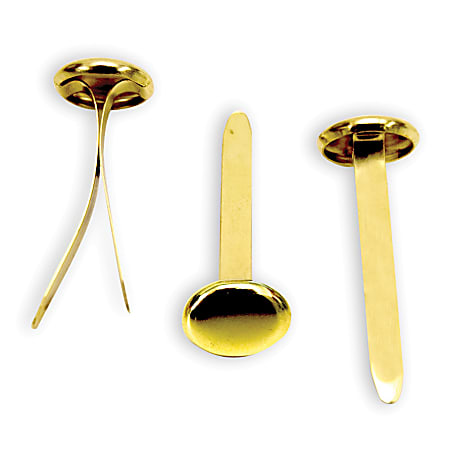
Crafting projects often need small but strong tools to hold materials together. Brad fasteners are perfect for such tasks. They are tiny metal pins with a flat head and two prongs that spread apart when pushed through paper or thin materials. These fasteners hold layers firmly without damaging delicate surfaces. Many crafters enjoy using brads to add both function and style to their work.
Securing Layers
Brads hold multiple sheets of paper or fabric in place. They keep layers neat and aligned. This is useful in scrapbooking, cardmaking, and paper crafts. The prongs of the brad pass through all layers and fold back to lock them. This method avoids glue mess or tape marks. Brads also allow easy separation if needed, making them ideal for interactive projects.
Creating Movable Elements
Brads can act as pivot points in craft designs. They enable parts to move or spin freely. Paper dolls, wheels, and rotating cards often use brads for joints. The prongs hold the pieces together while allowing smooth motion. This adds fun and interactivity to crafts. Using brads for movable parts is simple and does not require complex tools.
Decorative Uses
Brads come in many colors and shapes. They add style and detail to projects beyond just fastening. You can use decorative brads as accents on cards or scrapbook pages. They can mimic buttons, jewels, or other small embellishments. This dual purpose makes brads a favorite for crafters who want both function and flair. Their small size fits perfectly in tight spaces or delicate designs.
Woodworking Projects With Brads
Woodworking projects often require precise and delicate fastening methods. Brads serve as a perfect tool in these scenarios. Their thin, small-headed design makes them ideal for tasks that need a clean finish without damaging the wood. Many woodworkers rely on brads for both temporary and permanent attachments. They help keep parts aligned without leaving large holes or cracks.
Temporary Clamping
Brads work well to hold wood pieces together while glue dries. They act as small clamps that keep joints tight. Unlike clamps, brads are less bulky and easier to use on small projects. You can quickly insert them with a brad nailer or hammer. Once the glue sets, you can remove the brads or leave them in place for added strength.
Attaching Trim And Molding
Brads are the best choice for attaching trim or molding to walls and furniture. Their thin size reduces the risk of splitting delicate trim pieces. They also leave small holes that are easy to fill and hide. Using brads keeps the finish neat and professional-looking. This fastener ensures the trim stays firmly in place without visible damage.
Finishing Touches
Brads add the final detail to woodworking pieces. They fasten lightweight materials without distracting from the design. Small brads are perfect for securing thin panels or decorative elements. They help maintain a smooth surface ready for painting or staining. Using brads gives your project a polished, clean appearance.
Common Mistakes To Avoid
Using brad fasteners seems simple, but many make common mistakes. These errors can weaken your project and waste materials. Understanding what to avoid improves your results and saves time. Focus on how you use brads, the size you pick, and the wood type you work with. Each detail matters for a strong, clean finish.
Overdriving Brads
Overdriving happens when you push the brad too deep into the wood. It can damage the wood surface and ruin the finish. The brad may also bend or break inside the wood. Stop driving once the brad head is flush with the surface. Use a nail set for precise control.
Using Incorrect Sizes
Choosing the wrong brad size leads to poor holding power. Too short brads may not hold pieces together well. Too long brads can split the wood or poke through. Match the brad length to the thickness of your material. This prevents damage and ensures a tight fit.
Ignoring Wood Type
Different woods require different brads and techniques. Softwoods need lighter brads to avoid splitting. Hardwoods may need stronger, thicker brads for secure fastening. Always check the wood type before selecting your fastener. This helps keep your project intact and looking neat.
Credit: www.officedepot.com
Frequently Asked Questions
Why Is It Called A Brad Fastener?
It’s called a brad fastener because “brad” comes from Old Norse “broddr,” meaning “point” or “spike. ”
What Type Of Fasteners Are Brads?
Brads are thin, small-headed nails used mainly in finish carpentry. They attach lightweight trim or molding without splitting wood. Their fine gauge makes them less visible than larger nails, providing a clean, subtle finish ideal for delicate woodworking and craft projects.
What Are Brads Used For?
Brads fasten thin materials in crafts like scrapbooking and hold lightweight wood pieces temporarily. They secure layers, create movable joints, and provide a clean finish in woodworking by minimizing visible nail marks.
What Are The Four Types Of Fasteners?
The four types of fasteners are nails, screws, bolts, and rivets. Each serves different fastening needs.
Conclusion
Brad fasteners offer a simple way to join thin materials securely. They work well in crafts and light woodworking projects. Their small size keeps surfaces neat without damage. Using brads helps hold pieces while glue dries. They also add subtle decoration or allow parts to move.
Understanding brad fasteners can improve your project quality. Try them for precise, clean, and easy fastening tasks.