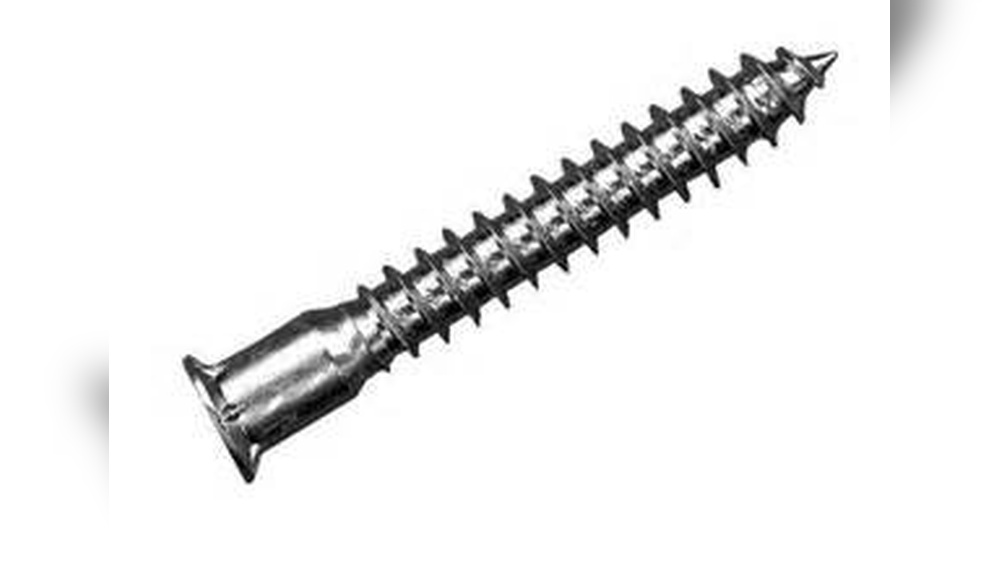
Have you ever struggled with fasteners that are tricky to use or hard to secure properly? Imagine a fastener that gives you a clear, satisfying click when it’s locked in place—no guesswork, no frustration.
Fasteners that click are designed to make your life easier, whether you’re fixing something at home, assembling furniture, or working on a project. You’ll discover what these clever fasteners are, how they work, and why they might be the perfect solution for your next task.
Keep reading to learn how a simple click can save you time and effort every single time.
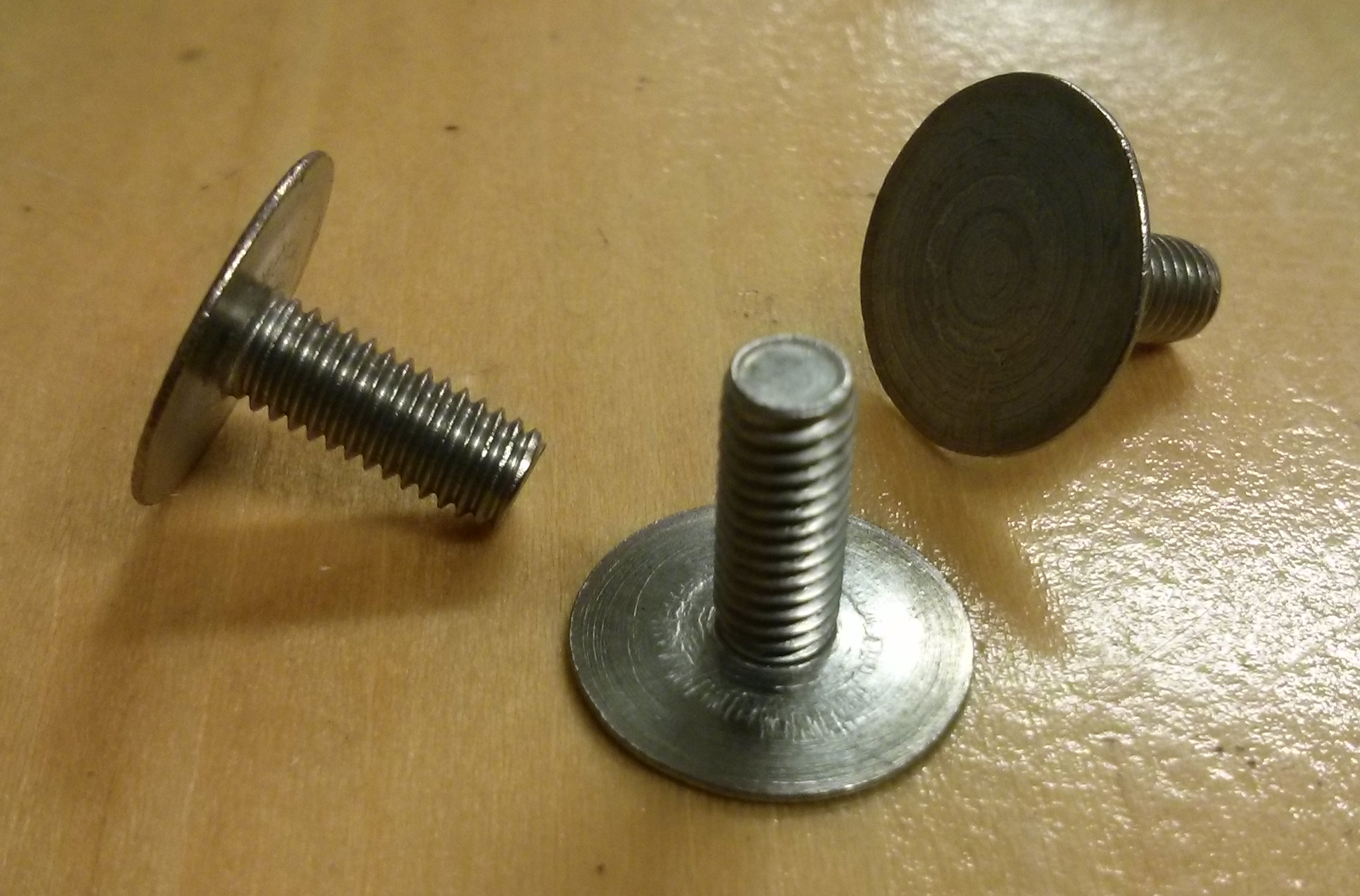
Credit: infinityaerospace.com
Fasteners That Click
Fasteners that click are small devices used to join or secure objects quickly. They make assembly and disassembly easier and faster. The clicking sound signals that the fastener is locked in place. These fasteners are common in many products, from clothing to electronics.
Definition And Purpose
Fasteners that click are designed to snap into position securely. The click sound confirms a tight fit. They help avoid loose connections or slipping parts. These fasteners save time and effort during installation. They also allow quick removal without tools.
Common Types
Snap fasteners are popular examples of fasteners that click. They include buttons, clips, and buckles that lock with a snap sound. Push buttons and snap hooks also belong to this group. These fasteners are often used in bags, shoes, and outerwear. Their simple design makes them reliable and easy to use.
Materials Used
Fasteners that click are made from plastic, metal, or a mix. Plastic fasteners are light and resist corrosion. Metal fasteners offer strength and durability. Some use stainless steel for rust resistance. The choice depends on the product’s needs and environment.
How Click Fasteners Work
Click fasteners are simple devices that hold things together with a clear sound. They make it easy to know when something is securely fastened. Understanding how these fasteners work helps you use them better.
Click Mechanism Explained
Click fasteners have two parts that snap together. One side has a small bump or ridge. The other side has a matching groove or socket. When pressed together, the bump fits into the groove.
This fitting creates a tight hold. A small spring or flexible material inside helps it snap into place. The snap holds the fastener firmly until pulled apart.
Benefits Of Audible Feedback
The click sound lets you know the fastener is secure. It gives instant confirmation without needing to check. This is useful in low light or tricky spots.
The sound also helps avoid mistakes. You can trust the fastener is locked properly. It adds confidence and speed to your work.
Applications Of Click Fasteners
Click fasteners are small devices that connect two parts quickly and securely. Their design allows easy attachment and detachment with a simple click. These fasteners are popular in many fields because of their reliability and ease of use.
Their applications cover a wide range of products and industries. Each use benefits from the fastener’s ability to provide strong, quick connections without tools.
Consumer Products
Click fasteners appear in everyday items like clothing, bags, and shoes. They help close pockets, attach straps, or fasten pieces of fabric. Kids’ toys and sports gear also use these fasteners for safety and convenience. The click sound confirms the parts are securely locked.
Industrial Uses
Factories use click fasteners to assemble machines and equipment. They speed up the building process and reduce errors. These fasteners hold panels, covers, and small parts firmly in place. Workers can easily remove parts for maintenance or repair without tools.
Medical Devices
In healthcare, click fasteners secure parts of medical tools and wearable devices. They ensure quick assembly and disassembly during treatments. These fasteners provide reliable connections needed for patient safety. Their design supports hygiene by allowing easy cleaning and replacement.
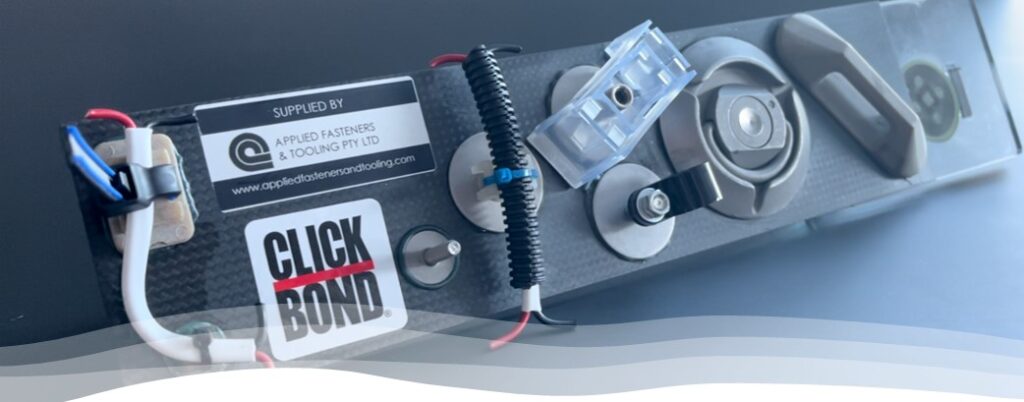
Credit: aft.systems
Choosing The Right Click Fastener
Choosing the right click fastener is key for your project’s success. Each fastener type offers unique benefits. Consider your needs carefully. The right choice ensures strength, ease, and fit for your task. Below are important factors to help you pick well.
Strength And Durability
Fasteners must hold parts together firmly. Check the material quality first. Metal fasteners usually offer high strength. Plastic ones may work for light tasks. Think about how much pressure the fastener will face. Choose one that can last through wear and tear.
Ease Of Use
Fasteners that click should be simple to attach and remove. Look for designs that snap easily without tools. This saves time and effort. Fasteners with clear clicks give a good signal when locked. Avoid those that are hard to close or open.
Environmental Considerations
Consider where the fastener will be used. Some fasteners resist water and rust better than others. Outdoor projects need weatherproof options. For indoor use, lightweight fasteners may work fine. Also, think about materials that are eco-friendly or recyclable.
Installation Tips
Installing fasteners that click is simple and effective. Proper installation ensures a secure fit and long-lasting hold. Follow these tips to make the process smooth and avoid common problems. Preparing well before starting saves time and effort.
Tools Required
Gather all necessary tools before installation. A screwdriver or drill with the right bit is essential. Measuring tape helps to place fasteners accurately. A pencil or marker is useful for marking spots. Some fasteners may need a hammer for extra pressure.
Common Mistakes To Avoid
Do not force fasteners into the wrong holes. Avoid over-tightening, which can damage materials. Skipping measurements causes misaligned fasteners. Using the wrong tool leads to poor installation. Ignoring manufacturer instructions often results in failure. Take your time and follow steps carefully.
Maintenance And Troubleshooting
Maintaining fasteners that click ensures they work smoothly and last longer. Regular care prevents common problems and keeps the clicking mechanism reliable. Troubleshooting helps fix issues early before damage occurs.
Cleaning Procedures
Start by wiping the fasteners with a dry cloth to remove dust. Use a soft brush to clean hard-to-reach areas gently. Avoid harsh chemicals; mild soap and water work well. Dry the fasteners thoroughly to stop rust and corrosion. Regular cleaning prevents dirt buildup that blocks the clicking sound.
Fixing Common Issues
If the fastener doesn’t click properly, check for dirt or damage. Tighten any loose parts carefully to restore the click. Lubricate the mechanism with a small amount of oil to reduce friction. Replace worn-out pieces to ensure a secure hold. Test the fastener after each fix to confirm it works well.
Future Trends In Smart Fasteners
The future of smart fasteners is bright and full of new possibilities. These fasteners will do more than just hold things together. They will connect, protect, and even communicate. Technology is shaping how these small but vital tools work. Expect many changes that will make fasteners smarter and more useful.
Integration With Iot
Smart fasteners will connect to the Internet of Things (IoT). They can send data about their condition and environment. This helps monitor structures and machines in real time. Problems can be detected early, preventing failures. IoT integration makes fasteners part of a larger smart system.
Innovative Materials
New materials will improve smart fasteners. Lightweight metals and strong polymers will be common. Some materials will resist heat, corrosion, and wear better. Others will allow fasteners to self-heal or change shape. These advances increase durability and lifespan.
Enhanced Security Features
Security will improve with smart fasteners. They will include sensors to detect tampering or unauthorized removal. Some may lock or unlock remotely. These features protect valuable equipment and sensitive areas. Enhanced security adds trust and peace of mind.
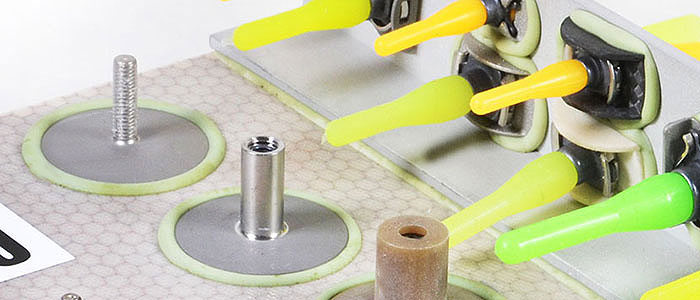
Credit: www.clickbond.com
Frequently Asked Questions
What Are Fasteners That Click Used For?
Fasteners that click provide a secure, audible connection in assembly processes. They ensure parts stay firmly joined. Common in automotive and electronics, they simplify installation and confirm proper fastening with a clear click sound.
How Do Fasteners That Click Work?
These fasteners use a locking mechanism that snaps into place. When fully engaged, they emit a click sound. This confirms the fastener is properly installed and locked, preventing loosening over time.
What Materials Are Fasteners That Click Made From?
Click fasteners are typically made from durable plastics or metals. Plastic types include nylon and polypropylene, while metal options often use stainless steel. Material choice depends on strength, environmental resistance, and application needs.
Are Fasteners That Click Reusable?
Many click fasteners are designed for single use to maintain secure locking. However, some models allow multiple uses without losing effectiveness. Always check the manufacturer’s guidelines for reuse instructions.
Conclusion
Fasteners that click provide quick and secure connections. They make assembly easier and save time. These fasteners are useful in many projects and repairs. You can trust them to hold parts tightly together. Choosing the right fastener helps your work last longer.
Simple, strong, and reliable—that’s what these fasteners offer. Try them in your next project for smooth results. They combine ease and strength in one product. Fasteners that click are a smart choice for many tasks.