Have you ever wondered how heavy materials are securely fastened in construction without bulky tools? If you’re involved in building or DIY projects, understanding what a powder actuated fastener is can change the way you work.
This simple yet powerful tool can save you time and effort, making your tasks easier and more efficient. Keep reading to discover how this tool works, why it’s trusted by professionals, and how it can help you get the job done right the first time.
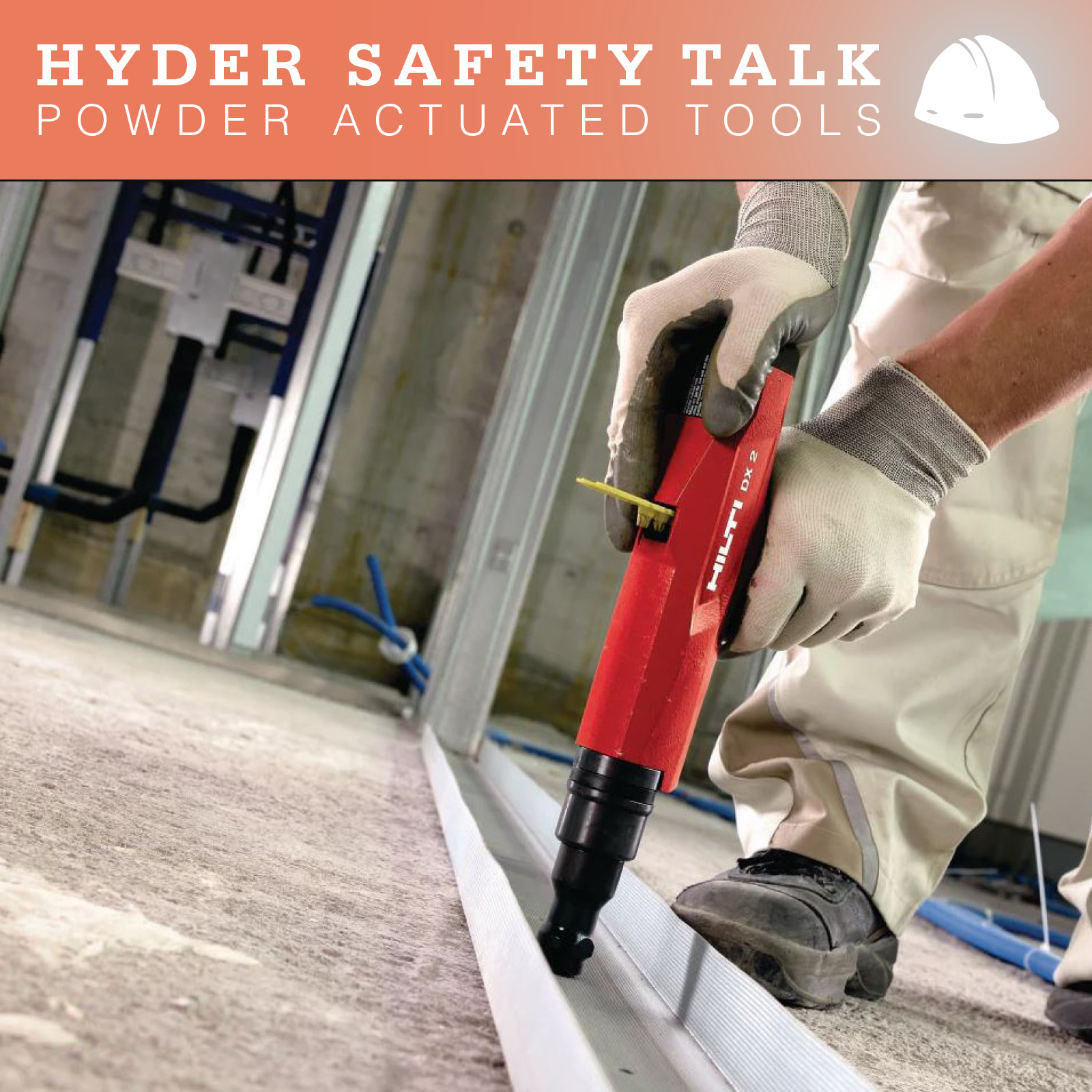
Credit: www.hyderinc.com
Powder Actuated Fasteners Basics
Powder actuated fasteners are special tools used to join materials quickly and firmly. They use a small explosion to drive nails or pins into hard surfaces like concrete or steel. These fasteners save time and effort in construction and repair work.
Understanding the basics helps to use these tools safely and effectively. The following sections explain how powder actuated fasteners work, the different types available, and where they are commonly used.
How They Work
Powder actuated fasteners use a small cartridge that contains gunpowder. When triggered, the gunpowder ignites and creates pressure. This pressure drives the fastener deep into hard materials. The tool works like a gun but is designed for construction use. It provides strong, lasting hold without needing pre-drilled holes.
Types Of Fasteners
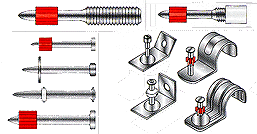
There are several types of powder actuated fasteners. Nails are the most common, used for wood or metal. Pins are thinner and used for lighter tasks. Some fasteners have special coatings to prevent rust. Fastener length and diameter vary to fit different materials and jobs. Choosing the right type ensures a secure fit.
Common Applications
Powder actuated fasteners are often used in building construction. They attach wood or metal to concrete walls or floors. Electricians use them to fix wiring and cables. They also secure insulation and drywall. These fasteners speed up work on job sites and reduce manual labor. They are ideal for tough surfaces where screws or nails fail.
Credit: www.almabolt.com
Tools And Equipment
Understanding the tools and equipment for powder actuated fasteners is important. These tools help drive nails and fasteners into hard surfaces like concrete and steel. Using the right equipment ensures the job is done quickly and safely. Safety gear protects you during use. Proper maintenance keeps tools working well for a long time.
Powder Actuated Tools
Powder actuated tools look like heavy-duty nail guns. They use small explosive charges to drive fasteners. These tools come in different types, such as single-shot and multi-shot. Single-shot tools need a new cartridge for every fastener. Multi-shot tools allow several shots before reloading. Choose a tool based on the project size and material.
Safety Gear Essentials
Safety gear is a must with powder actuated tools. Always wear safety glasses to protect your eyes. Ear protection is important because these tools are loud. Wear gloves to protect your hands from sharp fasteners. Use hard hats on construction sites for head safety. Proper gear reduces the risk of injury during work.
Maintenance Tips
Regular maintenance keeps powder actuated tools safe and efficient. Clean the tool after each use to remove dirt and debris. Check moving parts for wear and replace if needed. Store tools in a dry place to prevent rust. Follow the manufacturer’s instructions for lubrication. Proper care extends the tool’s life and ensures safety.
Installation Techniques
Installation techniques play a key role in using powder actuated fasteners safely and effectively. Proper steps ensure strong holds and prevent damage to materials. Following simple guidelines helps achieve the best results.
Preparing The Surface
Start by cleaning the surface where the fastener will go. Remove dust, dirt, and loose particles. A clean surface helps the fastener grip better. Check the material for cracks or weaknesses. Avoid installing on damaged areas to keep the hold secure.
Correct Fastener Placement
Place the fastener exactly where it is needed. Align the tool perpendicular to the surface. This ensures the fastener goes straight inside. Keep steady pressure while firing. Incorrect angles can cause poor fastening or damage.
Avoiding Common Mistakes
Do not use the wrong fastener size for the material. Avoid firing too close to edges or joints. Check the tool’s power level and adjust as needed. Never fire without proper safety gear. Avoid reusing fasteners as they may weaken.
Safety Precautions
Safety is the top priority when using a powder actuated fastener. These tools use controlled explosions to drive fasteners into hard surfaces. Mistakes can cause serious injuries. Following strict safety rules protects workers and those nearby. Understanding and practicing safety precautions reduces risks and ensures efficient work.
Handling And Storage
Always handle powder actuated tools with care. Keep them pointed away from people. Store the tools and fasteners in a cool, dry place. Avoid damp or hot environments that can damage them. Keep tools locked and out of reach of children. Check tools before use for any damage or dirt. Clean and maintain them regularly to ensure safe operation.
Proper Training Requirements
Only trained workers should use powder actuated fasteners. Training teaches correct use, safety rules, and tool maintenance. Users learn how to load, fire, and unload the tool safely. They also learn how to wear protective gear like goggles and gloves. Training includes understanding the tool’s limits and avoiding unsafe conditions. Proper training helps prevent accidents and improves work quality.
Emergency Procedures
Know what to do if an accident happens. Stop work immediately if the tool misfires or jams. Do not try to fix it without proper knowledge. Inform a supervisor or safety officer right away. Keep first aid kits and emergency contacts nearby. Learn how to treat minor injuries and when to call for medical help. Quick response can reduce injury severity and save lives.
Advantages And Limitations
Powder actuated fasteners offer unique strengths and some limits. Understanding these helps you decide if they fit your project. These fasteners use a small explosive charge to drive nails into hard surfaces. This method creates strong and quick connections.
Knowing the benefits and limits helps avoid mistakes and ensures safety. Here are key points about their use and care.
Benefits Over Traditional Fasteners
Powder actuated fasteners work very fast. They save time by driving nails in one shot. They hold better in hard materials like concrete and steel. Traditional nails often fail in these surfaces. These fasteners reduce the need for drilling or pre-holes. This lowers labor and tool costs. They also provide a clean, flush finish without extra work.
Material Compatibility
These fasteners work well with concrete, steel, and masonry. They are less effective in soft or brittle materials. Wood and drywall are not ideal for powder actuated nails. The fasteners may cause cracking or splitting. Knowing the right material ensures strong, safe holds. Always check the fastener type matches your base material.
Situations To Avoid
Avoid using powder actuated fasteners near edges or thin materials. The force may cause damage or break the surface. Do not use them in explosive or flammable environments. Safety is critical with powder charges. Avoid using them in places where precise control is needed. These fasteners can be too powerful for delicate tasks.
Choosing The Right Fastener
Choosing the right powder actuated fastener is key to a strong, lasting hold. The fastener must suit the material and the job’s demands. Incorrect choices can cause weak joints or damage.
Consider the material, load needs, and environment. These factors help pick the best fastener for safety and durability.
Matching Fastener To Material
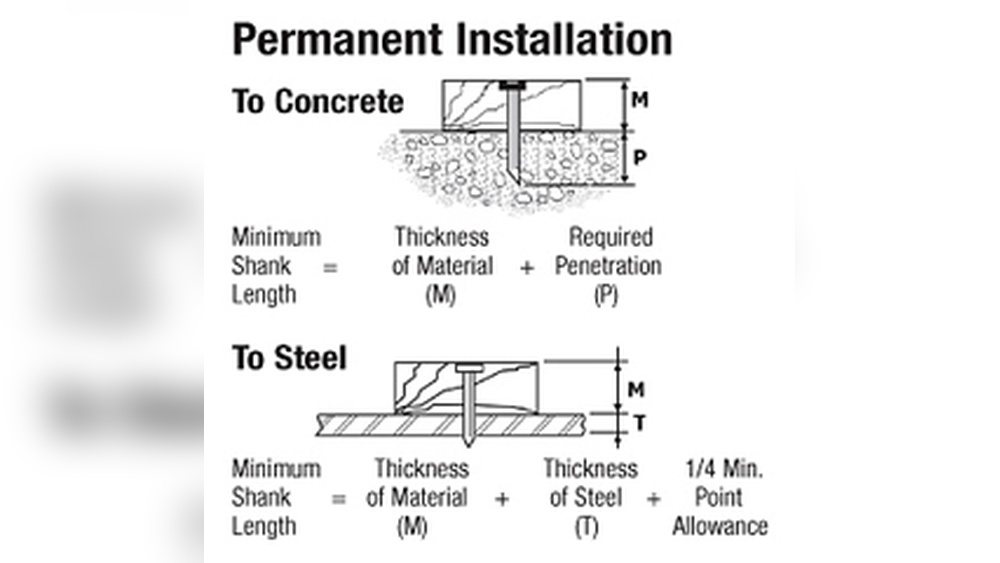
Different materials require different fasteners. Concrete needs a strong, penetrating fastener. Steel demands a fastener that can grip tightly without bending. Wood needs a fastener that won’t split or crack the surface. Check the material before choosing the fastener type and length.
Load Capacity Considerations
Think about how much weight the fastener must hold. Heavy loads need fasteners with high strength. Light loads can use smaller fasteners. Always select a fastener that can support the expected force without failing.
Environmental Factors
Consider where the fastener will be used. Moist or outdoor areas need rust-resistant fasteners. Indoor, dry environments allow standard fasteners. Extreme temperatures may affect fastener performance. Choose materials that withstand the conditions to avoid corrosion and failure.
Troubleshooting Tips
Troubleshooting powder actuated fasteners can be tricky. Problems may arise from the tool, fasteners, or the surface. Knowing common issues helps fix them fast.
Below are simple tips to solve typical problems. Follow these steps to keep your work smooth and safe.
Common Issues And Solutions
Fasteners may not drive fully into the material. This happens if the surface is too hard or the fastener is wrong size.
Use a stronger charge or a longer fastener for tough surfaces. Check the material type before starting.
Sometimes, the fastener bends or breaks. Choose the right fastener for the job. Avoid using damaged fasteners.
Tool Malfunctions
The tool may fail to fire or misfire. Dirt or debris inside the tool causes jams. Clean the tool regularly for best performance.
Check the firing pin and springs. Replace worn parts to prevent misfires. Always use the correct load cartridges for your tool.
Fastener Failures
Fasteners can pull out or loosen after installation. Poor surface preparation or wrong fastener size causes this.
Ensure the surface is clean and dry. Use the right fastener length and type. Tighten fasteners properly to avoid loosening.
Legal And Regulatory Aspects
Using powder actuated fasteners requires attention to legal and regulatory rules. These fasteners use controlled explosive force to drive pins or nails into hard materials. Safety and proper use are top priorities. Laws and standards ensure users follow safe practices and reduce accidents.
Industry Standards
Industry standards set clear rules for powder actuated fasteners. These rules cover design, performance, and safety. Organizations like ASTM and ISO publish these standards. They help manufacturers produce reliable and safe fasteners. Users rely on these standards for guidance and quality assurance.
Certification Requirements
Certifications prove that fasteners meet safety and quality rules. Some countries require certification before use. Training programs may be mandatory for operators. Certified tools and fasteners reduce risks on the job. Certification also helps companies follow the law and avoid fines.
Compliance Tips
Read and understand all local laws about powder actuated fasteners. Use only certified tools and approved fasteners. Follow manufacturer instructions carefully every time. Train all workers who use these fasteners. Keep records of training and maintenance. Regular checks ensure ongoing safety and compliance.

Credit: www.hilti.com
Frequently Asked Questions
What Is A Powder Actuated Fastener Used For?
A powder actuated fastener is used to attach materials to hard surfaces like concrete or steel. It provides strong, durable fastening for construction and industrial projects where traditional fasteners may fail.
How Does A Powder Actuated Fastener Work?
It works by using a small explosive charge to drive a fastener into a hard substrate. The charge creates rapid force, allowing quick and secure attachment without pre-drilling.
Are Powder Actuated Fasteners Safe To Use?
Yes, they are safe when used with proper training and protective gear. Following manufacturer guidelines and safety protocols minimizes risks during operation.
What Materials Can Powder Actuated Fasteners Join?
They effectively join wood, metal, and plastic to concrete or steel surfaces. This versatility makes them ideal for heavy-duty construction tasks.
Conclusion
Powder actuated fasteners hold materials firmly and quickly. They work by using a small explosive charge to drive the fastener into hard surfaces. This tool saves time and effort in construction and repair jobs. Safety is important when handling these fasteners.
Understanding how they work helps you use them properly. Choose the right fastener for your project to ensure strength and durability. Remember, these fasteners are best for tough materials like concrete or steel. Simple, strong, and efficient – that’s what powder actuated fasteners offer.