When you’re working on a project that involves bolts or nuts, one tool can make all the difference: the wrench that holds a fastener in place. But which wrench is the right one to keep your fastener steady while you tighten or loosen it?
Choosing the wrong tool can lead to frustration, stripped bolts, or wasted time. You’ll discover exactly what wrench you need to hold your fastener firmly and get the job done right. Keep reading, and you’ll never struggle with slipping or damaged fasteners again.
Credit: home.howstuffworks.com
Types Of Wrenches For Holding Fasteners
Wrenches are essential tools for holding fasteners firmly. They help keep nuts and bolts in place during tightening or loosening. Different types of wrenches serve this purpose in various ways. Each type fits specific fastener shapes and sizes. Understanding these types helps choose the right wrench for the job.
Open-end Wrenches
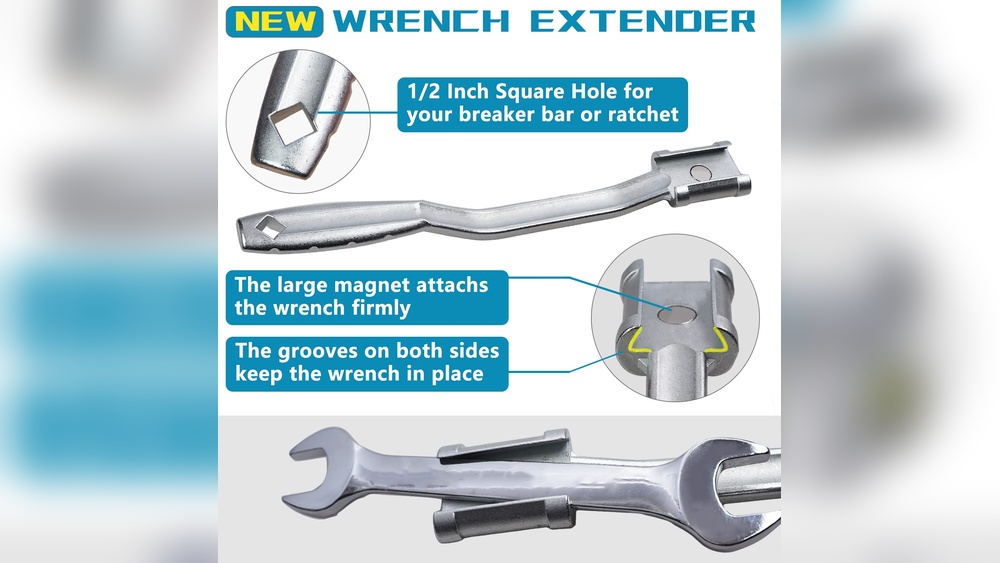
Open-end wrenches have two U-shaped openings. They fit fasteners from the sides. This design allows quick placement and removal. They work best on fasteners with easy access. The open ends come in different sizes for various fasteners.
Box-end Wrenches
Box-end wrenches surround the fastener completely. This provides a strong grip and prevents slipping. They are ideal for tight spaces and stubborn fasteners. Box-end wrenches usually have six or twelve points inside the loop.
Adjustable Wrenches
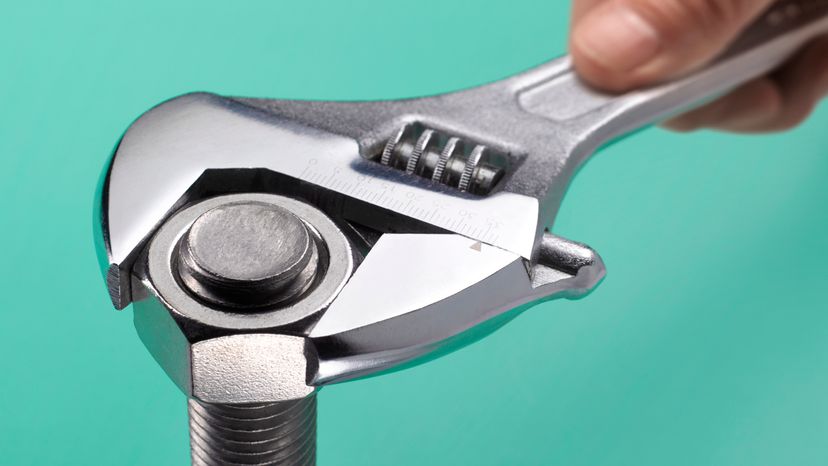
Adjustable wrenches have a movable jaw. This allows them to fit different fastener sizes. They are versatile and reduce the need for multiple tools. The jaws tighten securely to hold the fastener in place.
Combination Wrenches
Combination wrenches have both open-end and box-end sides. This dual design offers flexibility. Use the open-end for quick work and the box-end for strong grip. They come in many sizes for various fasteners.
Locking Pliers As Holding Tools
Locking pliers clamp onto fasteners tightly. They lock in place to hold the fastener firmly. These pliers work well when extra grip is needed. Their adjustable jaws fit many fastener sizes and shapes.
Credit: www.walmart.com
Specialized Holding Tools
Specialized holding tools are designed to grip fasteners tightly without causing damage. These tools provide control and precision. They hold fasteners in place during tightening or loosening. Using the right tool prevents slipping and rounding of fasteners. This section covers three common types of specialized holding wrenches.
Torque Wrenches
Torque wrenches control the exact tightness of fasteners. They measure the force applied to a bolt or nut. This prevents over-tightening or under-tightening. Mechanics use torque wrenches for engine parts and machinery. These tools ensure safety and proper function of fasteners.
Crowfoot Wrenches
Crowfoot wrenches have open ends shaped like a claw. They fit fasteners in tight spaces where regular wrenches cannot reach. These wrenches attach to a ratchet or torque wrench handle. This design allows access to bolts in narrow areas. Crowfoot wrenches are useful for plumbing and automotive work.
Flare Nut Wrenches
Flare nut wrenches grip nuts on soft metal pipes. They have a wider opening than regular wrenches. This reduces slipping and damage to fittings. These wrenches are ideal for brake lines and fuel lines. Using flare nut wrenches ensures a secure hold without rounding the nuts.
Choosing The Right Wrench For The Job
Choosing the right wrench for the job ensures the fastener stays secure. The proper tool fits the fastener perfectly. This avoids damage and makes work easier. Selecting a wrench depends on several important factors.
Fastener Type And Size
Different fasteners need different wrenches. Hex bolts require a hex wrench or socket. Square fasteners fit square wrenches. Always match wrench size to fastener size. A loose fit can strip the fastener head.
Access And Space Constraints
Some work areas have tight spaces. Use a wrench that fits where you work. An adjustable wrench works well in cramped spots. Long-handled wrenches give more reach in open spaces. Think about how much room you have.
Material And Strength Considerations
Choose a wrench made from strong materials like steel. Soft materials can bend or break. For heavy tasks, pick a durable, high-quality wrench. This helps apply more force without damage. The wrench must hold up to the job demands.

Credit: www.ebay.com
Techniques For Holding Fasteners Securely
Holding a fastener securely is key for many repair and assembly tasks. Using the right techniques helps prevent slipping and damage. It also makes the job faster and safer. Below are simple ways to hold fasteners firmly with a wrench.
Proper Grip And Positioning
Grip the wrench tightly but not too hard. Place the wrench jaws fully over the fastener. Align the wrench straight with the fastener’s sides. This gives better control and stops slipping. Keep your hand close to the wrench head. It helps apply even force without losing balance.
Using Two Wrenches Simultaneously
Hold the fastener with one wrench to keep it still. Use the second wrench to turn the nut or bolt. This method works well for tight or stuck fasteners. It stops the fastener from spinning freely. Make sure both wrenches fit well to avoid slipping.
Preventing Fastener Damage
Use the correct size wrench for the fastener. Avoid using pliers or adjustable wrenches on hard bolts. Turn the wrench slowly and steadily. Quick or jerky moves can strip the fastener. If the fastener is damaged, replace it to ensure safety and strength.
Common Mistakes To Avoid
Holding a fastener in place requires the right tool and proper technique. Many people make avoidable errors that damage the fastener or tool. Knowing common mistakes helps improve your work and tool life.
Using Incorrect Wrench Size
Using the wrong wrench size can strip the fastener’s edges. A loose fit slips and rounds the corners. A wrench too tight can break the fastener or tool. Always choose a wrench that fits snugly. Check the size before you start to avoid damage.
Over-tightening Or Under-tightening
Over-tightening can break the fastener or damage the material. It also makes future removal difficult. Under-tightening leaves the fastener loose and unsafe. Use proper force to keep the fastener secure. Follow recommended torque if available. Balance is key for safety and durability.
Ignoring Tool Maintenance
Dirty or worn tools reduce grip and increase damage risk. Rusty wrenches can slip or break. Clean your tools after use and store them properly. Regularly check for wear or damage. Well-maintained tools last longer and work better.
Maintenance And Care For Wrenches
Wrenches are essential tools for holding fasteners firmly. Proper maintenance keeps them working well. Caring for wrenches extends their life and improves performance. Simple steps can make a big difference.
Cleaning And Lubrication
Clean wrenches after each use. Remove dirt, grease, and debris with a cloth. Use mild soap and water for stubborn grime. Dry completely to stop rust formation. Apply light oil to moving parts. Lubrication keeps jaws smooth and prevents sticking.
Storage Tips
Store wrenches in a dry place. Use a toolbox or wall rack for organization. Avoid leaving them in damp or dirty areas. Keep wrenches separated to prevent damage. Proper storage stops rust and bending.
Regular Inspection For Wear
Check wrenches often for cracks or wear. Look at jaws and handles closely. Replace tools with worn or damaged parts. Using damaged wrenches risks slipping and injury. Routine inspections keep tools safe and reliable.
Frequently Asked Questions
What Wrench Is Best For Holding Fasteners?
A locking wrench, like a locking plier or adjustable wrench, is ideal for holding fasteners. It grips tightly to prevent movement during tightening or loosening.
How Does A Locking Wrench Hold Fasteners?
Locking wrenches use a mechanism to clamp firmly onto the fastener. This lock prevents slippage, allowing steady pressure without damaging the fastener.
Can A Torque Wrench Hold A Fastener In Place?
No, a torque wrench measures and applies specific torque but does not hold fasteners. Use locking or adjustable wrenches to hold fasteners securely.
What Size Wrench Fits A Fastener Best?
Choose a wrench size that matches the fastener’s head precisely. Proper fit prevents rounding or damage and ensures a secure grip during use.
Conclusion
A wrench helps keep fasteners steady and secure. It grips nuts or bolts firmly during work. Choosing the right wrench makes tasks easier and safer. Always match the wrench size to the fastener. This simple tool saves time and effort.
Understanding its use improves your DIY skills. A good wrench is key to strong, lasting connections. Keep your tools ready for any repair job.


