Have you ever picked up a bolt and wondered if it’s really a fastener? It might seem like a simple question, but the answer can change how you handle your projects and repairs.
Understanding what a bolt truly is can save you time, money, and frustration. You’ll discover the key differences between bolts and other fasteners, so you can make smarter choices for your work. Ready to clear up the confusion once and for all?
Let’s dive in.

Credit: www.tjlituo.com
What Makes A Bolt A Fastener
A bolt is a simple tool that holds things together. It joins parts tightly to stop them from moving apart. This function makes a bolt a fastener. Fasteners are items that connect two or more objects. They help build, repair, and maintain many products.
Bolts fit into holes in parts. A nut or threaded hole holds the bolt in place. This grip keeps parts fixed firmly. The strength of the bolt is key to its role as a fastener.
Basic Bolt Structure
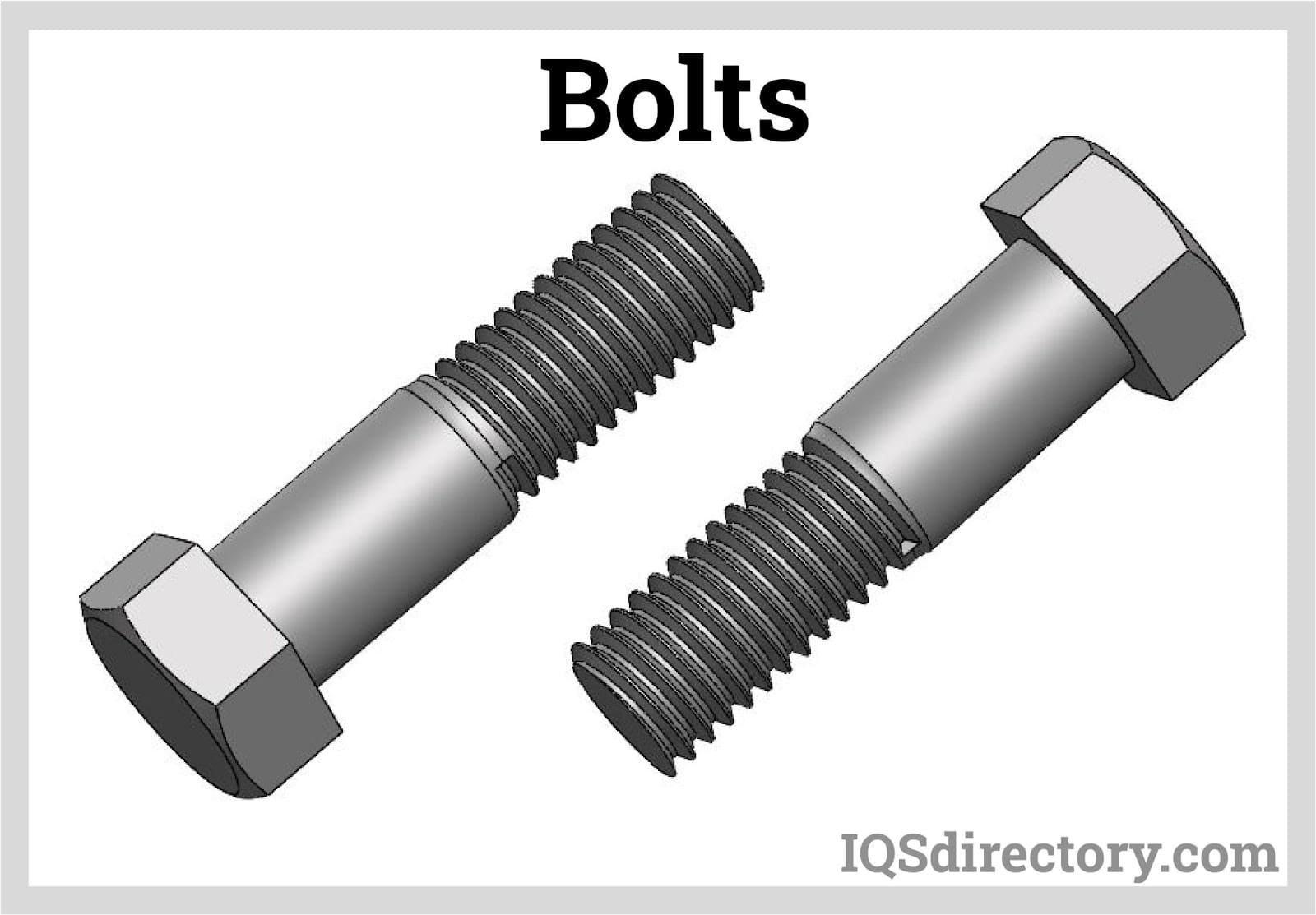
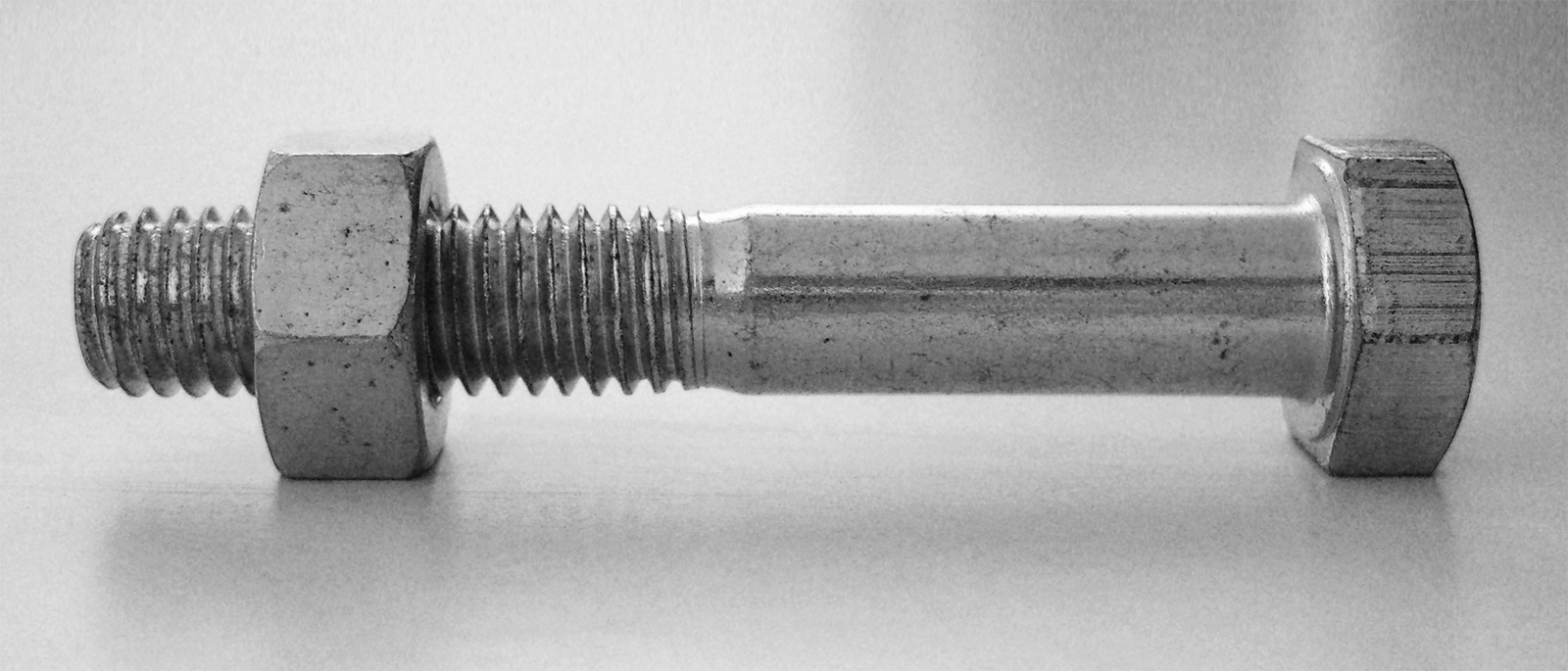
A bolt has three main parts: the head, the shank, and the threads. The head is the top part you turn with tools. The shank is the smooth middle section. Threads spiral around the shank’s end, allowing the bolt to screw in.
How Bolts Work
Bolts work by creating pressure between parts. When tightened, the bolt pulls parts together. The threads lock the bolt in place. This pressure stops parts from slipping or shaking loose.
Types Of Bolts
Bolts come in many shapes and sizes. Common types include hex bolts, carriage bolts, and eye bolts. Each type suits different jobs and materials. Choosing the right bolt ensures a strong, lasting hold.
Bolt Vs Other Fasteners
Bolt is a common fastener used in many projects. It holds parts tightly together. Yet, bolts are not the only option. Different fasteners serve different jobs. Understanding these helps pick the right one.
Each fastener type has its own shape and use. They work in various ways to keep things fixed. Some need tools, others do not. Let’s explore how bolts compare to other fasteners.
Bolts And Screws
Bolts and screws look similar but have key differences. Bolts are used with nuts to hold parts. Screws usually go directly into material. Screws have sharper tips for easy gripping. Bolts need pre-drilled holes for nuts. Screws often create their own hole. Bolts provide stronger, removable joints. Screws are good for lighter jobs.
Nuts And Washers
Nuts work with bolts to secure connections. They twist onto the bolt’s threaded end. Washers sit between the nut and surface. They spread pressure and protect surfaces. Washers also stop nuts from loosening. Nuts and washers improve bolt strength. Alone, nuts and washers cannot fasten parts.
Rivets And Clips
Rivets permanently join materials by deformation. They need special tools to install. Rivets do not allow easy removal. Clips snap parts together without screws or bolts. Clips are quick to use but less strong. Rivets suit heavy-duty, permanent fixes. Clips work well for light, temporary holds.
Common Uses Of Bolts
Bolts are essential fasteners used in many fields. They hold parts tightly and provide strength. Their design allows easy assembly and disassembly of materials. Various industries depend on bolts for secure connections.
Construction Applications
Bolts join steel beams and wooden frames. They provide strong support to buildings and bridges. Workers use bolts to fix heavy equipment in place. Bolts ensure safety and stability at construction sites.
Automotive Industry
Cars and trucks rely on bolts for assembly. Bolts attach engines, wheels, and chassis parts. They handle vibrations and heavy loads well. Mechanics use bolts for repairs and maintenance.
Home Repairs
Bolts fix furniture and appliances in homes. They secure shelves, cabinets, and doors firmly. Homeowners use bolts for DIY projects and fixes. Bolts offer a reliable grip for everyday repairs.
Credit: www.iqsdirectory.com
Materials And Grades Of Bolts
Bolts come in different materials and grades. These factors affect their strength and use. Choosing the right bolt depends on the job and environment. Understanding materials and grades helps pick the best bolt for any project.
Steel Bolts
Steel bolts are common and strong. They hold up well under pressure. These bolts often have a coating to stop rust. Carbon steel is a popular choice for many tasks. It provides good strength at a low cost.
Stainless Steel Bolts
Stainless steel bolts resist rust and corrosion. They work well outdoors or in wet places. These bolts last longer without needing extra care. They are less strong than some steel bolts but better for harsh conditions.
Specialty Bolts
Specialty bolts meet unique needs. Some are made from alloy steel for extra strength. Others have heat resistance or special coatings. These bolts suit tough jobs in machines and buildings. They ensure safety and durability in critical uses.
Selecting The Right Bolt
Selecting the right bolt is important for a strong and safe connection. Bolts come in many sizes, shapes, and strengths. Choosing the right one depends on your project needs. This helps avoid problems like loosening or breaking under pressure.
Understanding key factors like size, thread type, and load capacity makes the choice easier. Each factor affects how well the bolt will hold parts together. Let’s explore these points to guide your selection.
Size And Length
Size refers to the bolt’s diameter. Length is how long the bolt is from end to end. Both must match the parts you want to join. Too short a bolt won’t hold properly. Too long may stick out and cause issues.
Measure the thickness of materials carefully. Choose a bolt that fits snugly without extra space. Standard sizes help with easy replacement and compatibility.
Thread Types
Threads are the spirals on the bolt’s shaft. They grip the nut or material to hold parts tight. Bolts have coarse or fine threads. Coarse threads are thicker and good for soft materials.
Fine threads are thinner and better for hard materials. Pick the thread type that fits your materials and tools. This ensures a secure hold and easier installation.
Load Capacity
Load capacity is the maximum weight or force a bolt can handle. It depends on the bolt’s material and size. Stronger bolts carry heavier loads without breaking.
Check the load capacity before buying. Match it to the demands of your project. Using bolts with the right strength prevents accidents and damage.
Proper Installation Techniques
Proper installation techniques are key to using bolts effectively. Correct methods ensure strong, safe connections. Poor installation can cause failures and costly repairs.
Follow specific steps to install bolts properly. This helps keep joints tight and lasting longer. Understanding tools, torque, and common errors improves results.
Using The Correct Tools
Select tools made for bolts, such as wrenches or sockets. Avoid makeshift tools that slip or damage bolt heads. Use the right size to prevent rounding off the bolt.
Proper tools provide better grip and control. This reduces the risk of stripping threads or over-tightening. Keep tools clean and in good shape for best performance.
Torque Specifications
Torque means how tight the bolt is turned. Use a torque wrench to apply the exact force. Too little torque makes the joint loose. Too much torque can break the bolt or strip threads.
Check the manufacturer’s torque values for each bolt. Always follow these specs to ensure safety and durability. Recheck torque after some use, especially in critical joints.
Avoiding Common Mistakes
Do not reuse damaged bolts or nuts. Old bolts can lose strength and cause failures. Clean threads before installation to avoid dirt or rust interference.
Don’t overtighten bolts beyond recommended torque. Avoid cross-threading by starting bolts by hand. Tighten bolts evenly in a crisscross pattern for best results.
Credit: en.wikipedia.org
Frequently Asked Questions
What Is A Bolt In Fastener Terminology?
A bolt is a type of fastener with external threads. It secures objects by inserting through aligned holes and tightening with a nut. Bolts provide strong, removable connections in construction and machinery.
How Does A Bolt Differ From A Screw?
Bolts typically require a nut to fasten, while screws can fasten directly into materials. Bolts provide higher clamping force and are used for heavier loads than screws.
Are All Bolts Considered Fasteners?
Yes, all bolts are fasteners. They join materials by mechanical force. Bolts are essential components in fastening systems for durability and strength.
Can A Bolt Be Used Without A Nut?
Generally, bolts need nuts to secure joints. However, bolts may be used with threaded holes in some applications for fastening without nuts.
Conclusion
A bolt is indeed a type of fastener. It helps hold parts together tightly. Bolts work with nuts to secure objects firmly. They come in many shapes and sizes. Knowing this helps you choose the right tool. Fasteners like bolts keep structures safe and strong.
Simple, reliable, and easy to use. Now, you understand bolts better. Ready to spot them in your projects?