When it comes to upgrading your kitchen or bathroom cabinets, one detail often overlooked is where to place the hardware. You might think it’s just about picking a pretty knob or handle, but the placement can truly transform the look and feel of your space.
Are your cabinet handles awkward to reach? Do your drawers feel harder to open than they should? Getting the right spot for cabinet hardware makes everyday use smoother and your room more stylish. In this guide, you’ll discover simple, expert-backed tips on exactly where your cabinet knobs and pulls should go—so you can enjoy a kitchen that’s both beautiful and functional.
Keep reading, and find out how a small change can make a big difference in your home.
Hardware Placement Basics
Understanding hardware placement basics helps improve cabinet function and style. Proper placement makes opening doors and drawers easier. It also enhances the cabinet’s appearance. Hardware should be placed with both use and design in mind. Simple rules guide where knobs and pulls go. These rules differ for doors and drawers. Cabinet type also affects placement choices.
Doors Vs Drawers
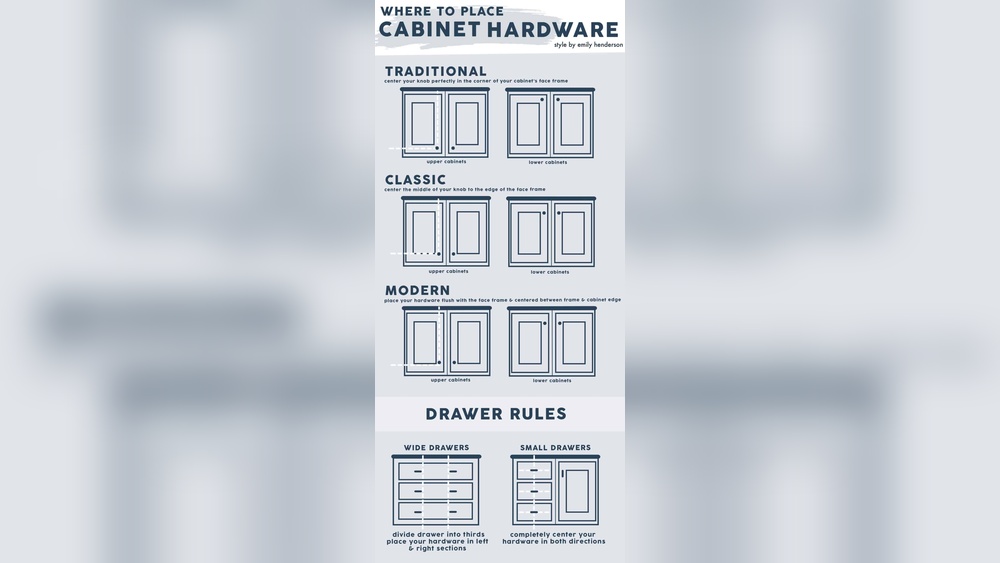
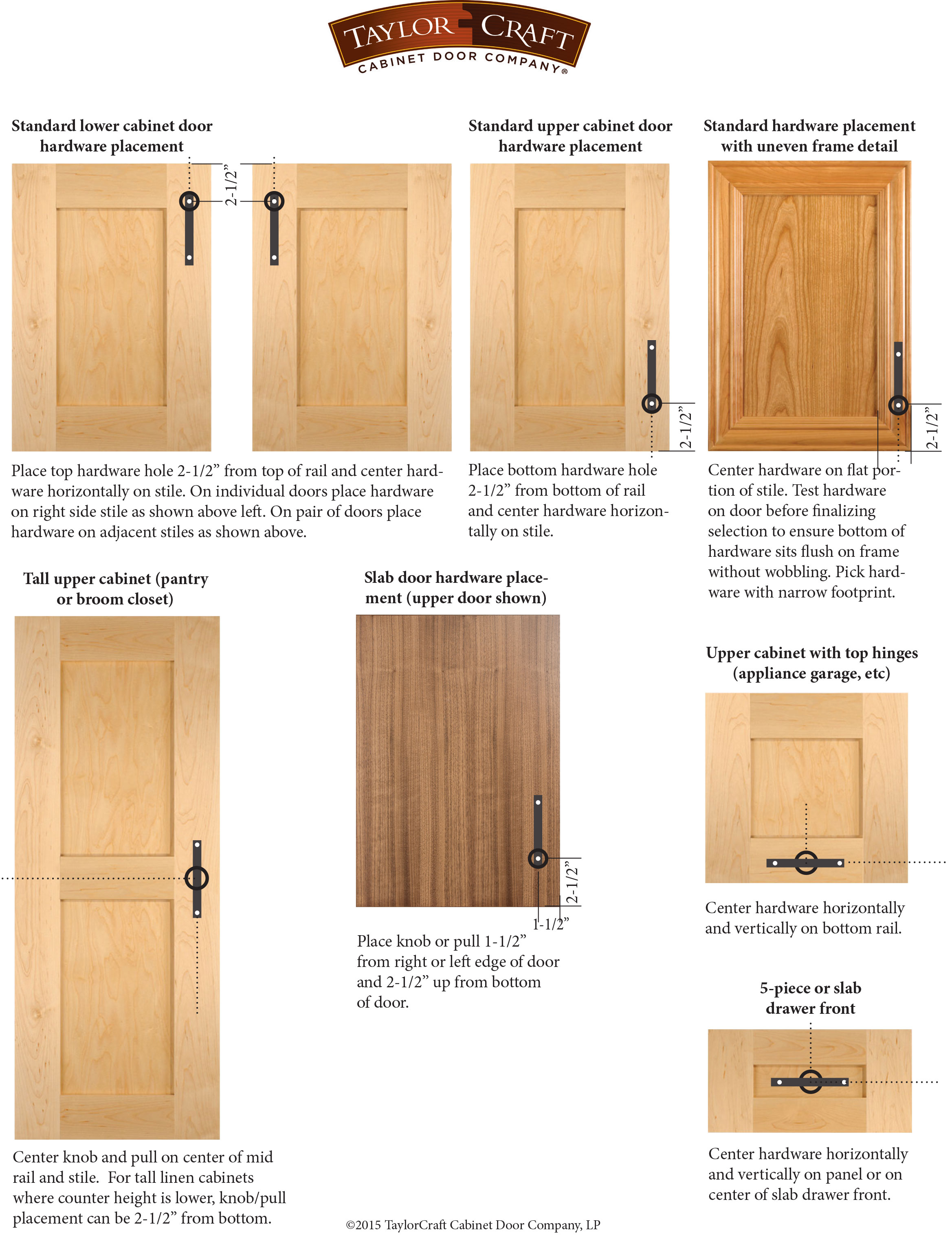
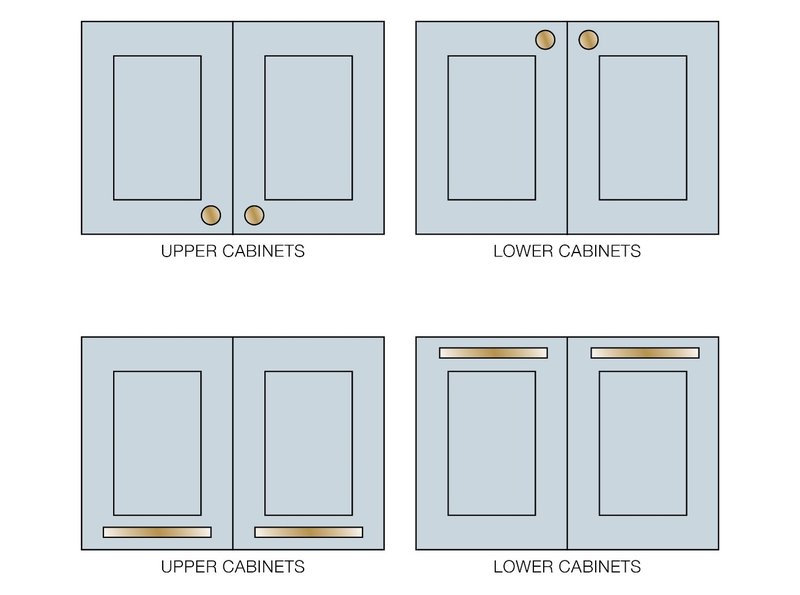
Cabinet doors usually get knobs or pulls on the edge. Place them near the opening corner for easy grip. For right-side hinges, hardware goes on the left edge. For left-side hinges, place hardware on the right edge. Drawers need hardware centered on the front panel. Centering makes pulling smooth and balanced. Knobs or pulls should be easy to reach and use.
Top, Base, And Tall Cabinets
Top cabinets often have hardware near the bottom corner. This placement keeps hardware within reach. Base cabinets get hardware near the top corner. This helps open doors without bending too much. Tall cabinets have hardware placed at a comfortable height. Usually, this is near the middle or slightly above. Consistent placement across similar cabinets keeps a clean look.
Knobs Placement Tips
Placing knobs correctly on cabinets improves both function and style. Proper knob placement makes opening doors and drawers easier. It also enhances the kitchen or bathroom’s overall look. Follow these tips for the best knob placement on various cabinet parts.
Ideal Spot On Cabinet Doors
Place knobs on the door’s vertical edge. Measure about 2 to 3 inches from the top corner. This spot is easy to reach and looks balanced. Keep the knob aligned with the door’s edge. Avoid placing knobs too close to the center or bottom.
Small To Medium Drawers
Position knobs in the center of the drawer front. This creates a neat, symmetrical look. Measure both width and height to find the exact center. Center placement gives the drawer a clean and simple appearance. It also makes opening the drawer smooth and natural.
Large Drawers And Multiple Knobs
For larger drawers, use two knobs for support. Place each knob about one-third from the drawer edges. This spacing balances the drawer visually. It also helps distribute the force when pulling. Make sure the knobs are level and evenly spaced.
Pulls Placement Tips
Choosing the right spot for cabinet pulls improves both look and function. Proper placement makes opening cabinets easier and adds style. Here are key tips for placing pulls correctly.
Length Selection Using One Third Rule
Pick a pull length about one third the width of the drawer or door. This size fits well and looks balanced. A pull too long or short can seem awkward.
Measure your cabinet front first. Then multiply the width by 0.33. Choose a pull close to that number for best fit and comfort.
Positioning For Better Leverage
Place pulls where you get the best grip and control. For drawers, position pulls near the top corners. This gives strong leverage to open them easily.
On cabinet doors, install pulls vertically near the opening edge. This placement helps open doors without strain. Avoid placing pulls too close to hinges.
Centered Appliance Pulls
Appliance pulls look best centered on the door or drawer front. Centering creates a clean, balanced appearance. It also makes pulling smoother and more natural.
Use a ruler to find the exact center point. Mark the spot before attaching the pull. This simple step ensures perfect alignment every time.
Credit: taylorcraftdoor.com
Leverage And Accessibility
Cabinet hardware placement affects how easily you open doors and drawers. Proper leverage reduces effort and prevents damage. Accessibility ensures smooth use for everyone in the home. Small adjustments in hardware position can make a big difference in comfort and function.
Placing Opposite Hinges
Place handles opposite the door hinges. This placement gives better leverage to pull the door open. It prevents awkward wrist movements. Opposite placement balances force and protects cabinet edges. It also helps keep hardware aligned and visually pleasing.
Comfortable Reach Height
Install hardware at a height easy for most people to reach. Around waist to chest level works best. Avoid placing knobs too high or too low. Comfortable height reduces strain and speeds up kitchen tasks. Consider the users’ height to choose the perfect spot.
Consistency And Style
Consistency and style play a key role in the placement of cabinet hardware. Proper alignment creates a polished look. Style ensures the hardware complements your cabinets and overall room design.
Uniform Hardware Placement
Place all knobs and pulls at the same height on each cabinet door. Align handles on drawers and doors for a neat appearance. Uniform placement helps the eye move smoothly across the cabinetry. This consistency improves both function and form. It also makes installation easier and reduces mistakes.
Matching Hardware To Cabinet Style
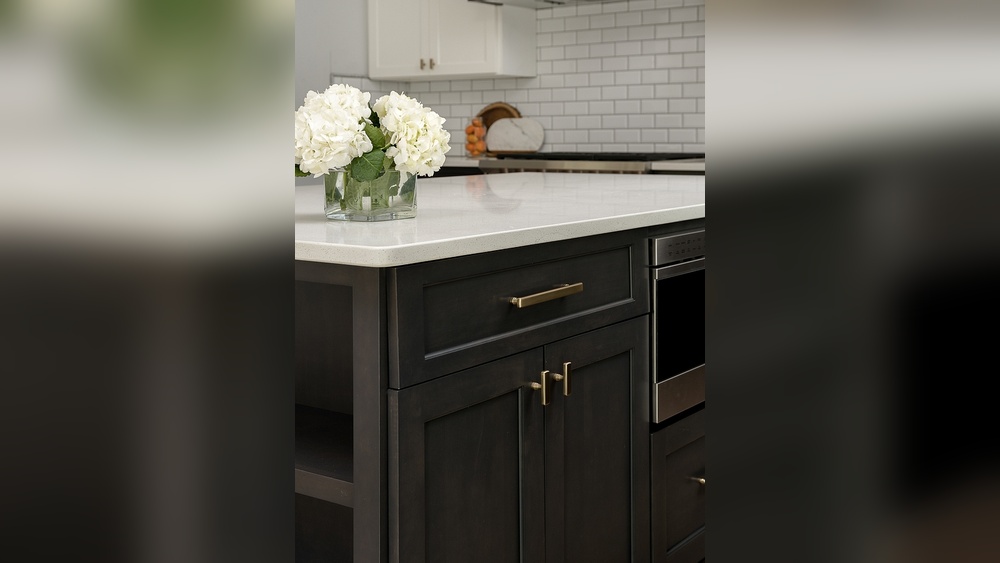
Choose hardware that fits the cabinet design. Sleek pulls suit modern, minimalist cabinets. Classic knobs work well with traditional or farmhouse styles. Hardware size should match the cabinet scale. Large cabinets need bigger handles to look balanced. Color and finish should blend with other room elements. This creates harmony and elevates the space’s feel.

Credit: www.fynesdesigns.com
Common Mistakes To Avoid
Placing cabinet hardware might seem simple. Yet, many people make avoidable errors. These mistakes affect both look and function. Recognizing common pitfalls helps in making better choices. Here are key errors to watch out for during installation.
Inconsistent Placement
Hardware should align across all cabinets. Uneven placement looks sloppy and distracts the eye. Mixing knob heights or pull locations creates confusion. Consistency builds a clean, polished appearance. Measure carefully and mark spots before drilling holes.
Ignoring Door And Drawer Size
Hardware size must suit the cabinet part. Large pulls on small drawers overwhelm the design. Small knobs on wide doors may feel awkward to use. Match hardware length and style to door and drawer dimensions. This ensures balance and ease of handling.
Tools And Techniques
Placing cabinet hardware correctly requires the right tools and techniques. Accurate placement ensures both function and style. Using proper tools helps avoid mistakes and saves time. It also creates a professional look that lasts.
Marking The Correct Spot
Start by deciding the exact position for your hardware. Use a pencil to mark light guide points on the cabinet. Check that marks align with design and function. Measure twice before making any permanent marks. Small errors can cause big problems later. Keep marks visible but easy to erase.
Using Templates And Measuring Tools
Templates help keep hardware placement consistent across cabinets. You can buy or make simple paper or plastic templates. Use a ruler or tape measure to check distances precisely. A combination square ensures right angles and level alignment. Measuring tools reduce guesswork and improve accuracy. Clamps or magnets hold templates steady while marking. This method speeds up the process and avoids misalignment.
Credit: www.emtek.com
Frequently Asked Questions
Where Should Cabinet Hardware Be Installed?
Install cabinet door hardware near the edge opposite hinges for easy grip. Place knobs or pulls at the vertical center and horizontal rail intersection. For drawers, center hardware on the drawer front. Larger drawers may need two pulls spaced evenly for balanced leverage and accessibility.
What Is The 1/3 Rule For Cabinet Hardware?
The 1/3 rule for cabinet hardware means choosing pulls one-third the drawer or door width. It ensures balanced, proportional hardware size for aesthetics and function.
What Is The Proper Etiquette For Cabinet Hardware?
Place cabinet hardware centered on drawers and at the vertical stile and horizontal rail intersection on doors. Position knobs opposite hinges for easy leverage. Use two pulls on large drawers for balance. Ensure consistent height and spacing for a uniform look.
Choose pull length using the one-third rule.
What Is The Rule Of Thumb For Cabinet Handles?
Place cabinet handles opposite hinges for leverage. Install knobs where vertical stile and horizontal rail intersect. Center hardware on drawer fronts. Use two pulls on large drawers for balance. Select pull length using the “one third” rule for cabinet and drawer size.
Conclusion
Proper cabinet hardware placement improves both look and function. Place knobs where the door’s vertical and horizontal lines meet. For drawers, center the hardware on the panel. Use consistent measurements for all cabinets to keep a neat style. Hardware should feel easy to reach and use every day.
Small changes make a big difference in kitchen or bathroom design. Follow these simple steps to get the perfect placement. This way, your cabinets look balanced and work well. A good hardware position adds style without making things hard to open.