Have you ever wondered how the lid on an open-head drum stays securely fastened? If you’re dealing with these drums, you know that keeping the lid tight is crucial for safety and preventing spills.
Understanding how the lid locks in place can save you time and hassle, whether you’re storing chemicals, oils, or other materials. You’ll discover the simple yet effective methods used to fasten these lids and why getting it right matters for your work and safety.
Keep reading to learn exactly how this small detail makes a big difference.
Types Of Open-head Drums
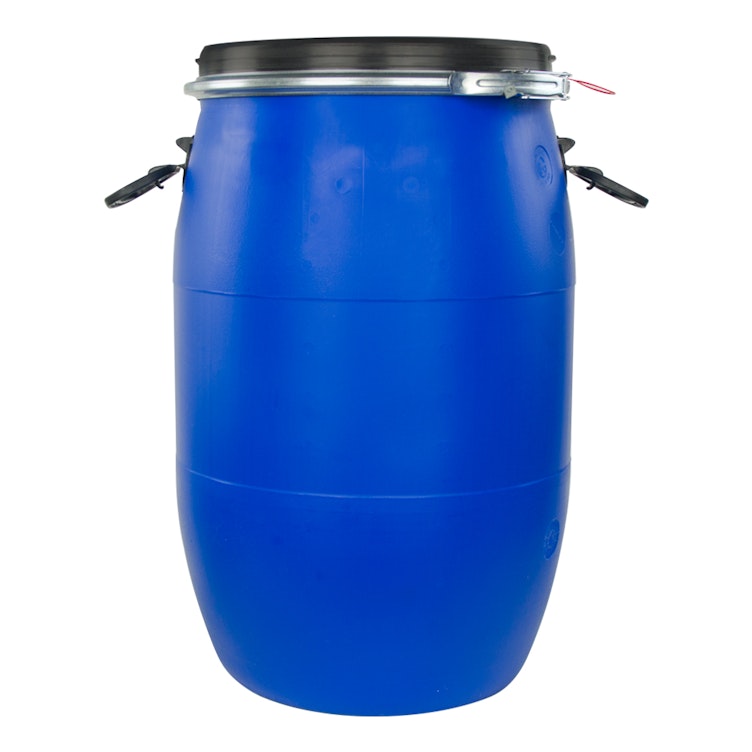
Open-head drums are common containers used in many industries. They have removable lids secured tightly to protect contents. Different materials create various types of open-head drums. Each type offers unique benefits and fastening methods.
Steel Drums
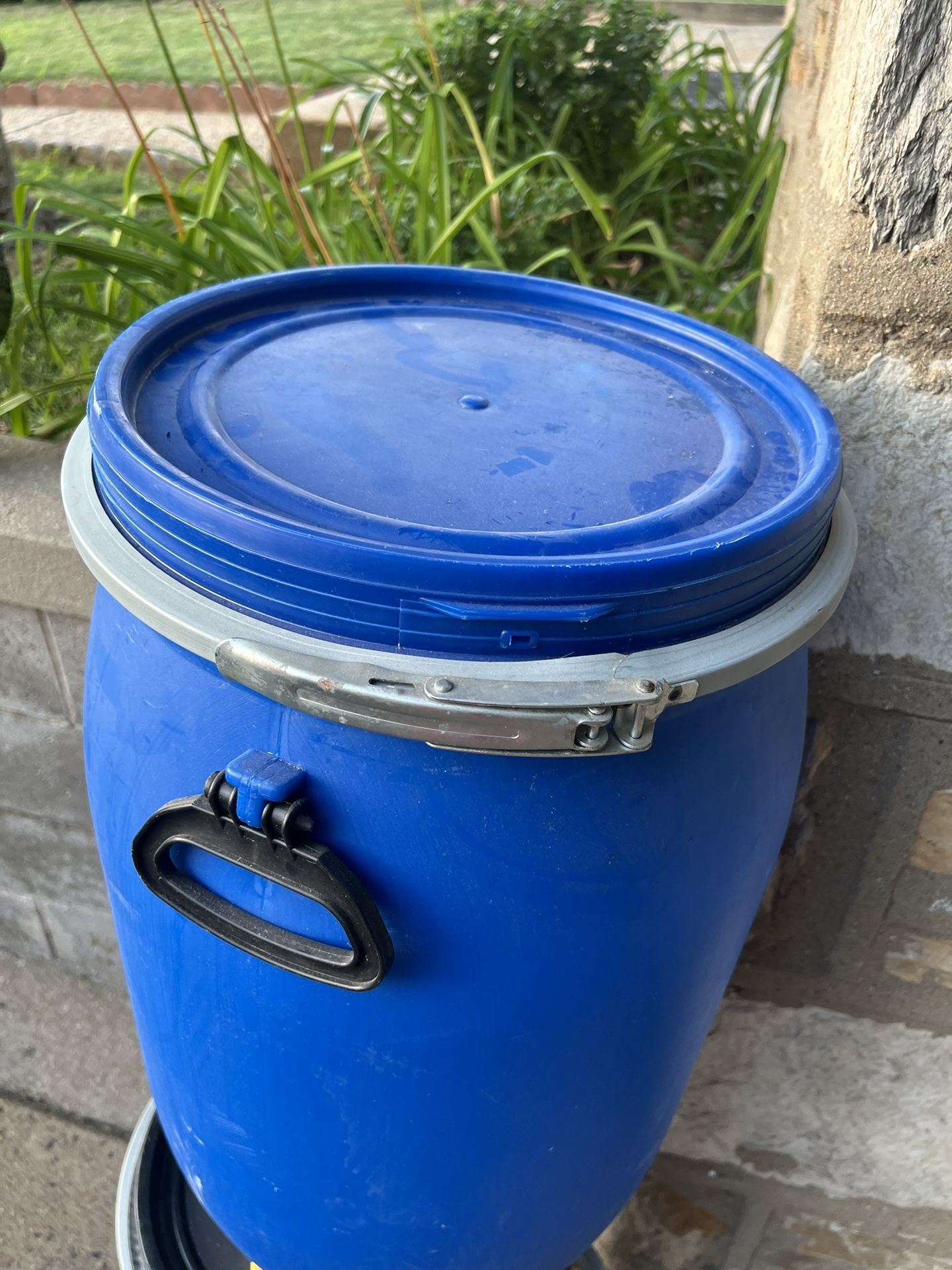
Steel drums are strong and durable. They resist impacts and harsh environments. The lid is fastened using a locking ring or bolt ring clamp. This ring fits around the drum’s top edge and lid. Tightening the ring secures the lid firmly. This makes steel drums ideal for chemicals and heavy materials.
Plastic Drums
Plastic drums are lightweight and resistant to corrosion. Their lids often use a snap-on or screw-on design. Some have a locking ring for extra security. The snap-on lid fits snugly, creating a tight seal. These drums work well for food, liquids, and chemicals.
Fiber Drums
Fiber drums are made from thick cardboard or fiberboard. They are eco-friendly and lightweight. The lid fastens with a metal or plastic locking ring. This ring holds the lid tightly in place. Fiber drums suit dry goods, powders, and less hazardous materials.
Credit: www.usplastic.com
Common Lid Fastening Methods
Open-head drums need secure lids to protect their contents. The lid fastening method must keep the drum sealed during transport and storage. Several common methods achieve this by firmly holding the lid in place. Each method suits different needs and drum types.
Bolt Ring Clamps
Bolt ring clamps use a metal band that wraps around the drum’s rim. A bolt tightens the band, pressing the lid down. This clamp offers a strong and reliable seal. It is easy to tighten and loosen with a wrench. Bolt ring clamps work well for heavy-duty use and long-term storage.
Lever Lock Rings
Lever lock rings use a lever to secure the lid quickly. The ring fits around the drum and locks by flipping the lever. This method allows fast opening and closing. It requires less effort than bolts or screws. Lever lock rings are common in industries needing frequent drum access.
Clamp Bands
Clamp bands are simple metal bands tightened by a screw or bolt. They wrap around the drum’s lid and body. Tightening the screw clamps the lid firmly. Clamp bands are versatile and cost-effective. They provide a good seal for many drum types and sizes.
Step-by-step Lid Securing Process
Securing the lid on an open-head drum is a simple process. It requires careful steps to ensure safety and prevent spills. Each step helps keep the contents safe and sealed tightly. Follow these clear instructions to fasten the lid correctly.
Preparing The Drum And Lid
First, check the drum for dirt or damage. Clean the rim to remove dust or debris. Inspect the lid for cracks or dents. Clean the sealing surface to ensure a good fit. Use a dry cloth or brush for cleaning. Proper preparation avoids leaks and keeps contents safe.
Positioning The Lid Correctly
Place the lid on top of the drum carefully. Align it evenly with the drum’s rim. Make sure the lid sits flat and straight. Avoid tilting or shifting the lid. Correct positioning helps the seal work properly. It also makes fastening easier and more secure.
Engaging The Fastening Mechanism
Most open-head drums use a lever-lock ring or bolt ring. Place the ring around the lid and drum rim. Tighten the fastener using the lever or bolts. Apply firm pressure but avoid over-tightening. The ring holds the lid in place securely. Check the mechanism to confirm it is locked properly.
Ensuring A Tight Seal
After fastening, press around the lid edges. Look for gaps or loose areas. If needed, tighten the ring more. Confirm the seal is even and firm. A tight seal prevents leaks and contamination. It also protects the drum’s contents during transport and storage.
Tools Needed For Fastening
Fastening the lid on an open-head drum requires specific tools to ensure a tight and secure seal. These tools help apply the right amount of pressure evenly around the lid. Choosing the correct tools can make the job easier and safer.
Wrenches And Spanners
Wrenches and spanners are common tools for fastening drum lids. They fit the bolts or nuts on the drum ring. These tools provide good grip and control. Using the right size prevents damage to the fasteners. They are simple and effective for most drums.
Lever Handles
Lever handles offer extra force with less effort. They help tighten or loosen the drum ring quickly. The long handle design increases leverage. This makes it easier to secure the lid tightly. Lever handles are handy for heavy-duty drums.
Torque Drivers
Torque drivers control the exact tightness of the lid. They prevent over-tightening or under-tightening. This tool is useful for drums that need specific pressure levels. Torque drivers ensure safety and maintain drum integrity. They are ideal for precise fastening jobs.
Safety Tips When Securing The Lid
Securing the lid on an open-head drum is important for safety. It helps prevent spills, leaks, and accidents. Following safety tips ensures the lid stays tight without causing damage. Proper handling protects both the user and the environment.
Checking For Damage
Always inspect the lid and drum rim before securing. Look for cracks, dents, or rust that could affect the seal. Damaged parts may cause leaks or make the lid fit poorly. Replace any damaged components to keep the drum secure and safe.
Avoiding Over-tightening
Tighten the lid enough to seal the drum, but not too much. Over-tightening can warp the lid or damage the clamp ring. Use steady, even pressure and stop when you feel resistance. Proper tightening prevents leaks and extends the life of the drum.
Using Personal Protective Equipment
Wear gloves to protect your hands from sharp edges and chemicals. Safety goggles shield your eyes from splashes during the process. Use protective clothing to avoid contact with hazardous materials. PPE keeps you safe while handling drums and lids.
Credit: www.studocu.com
Troubleshooting Lid Fastening Issues
Fastening the lid on an open-head drum can sometimes cause problems. These problems stop the lid from sealing properly. A lid that does not close tightly can lead to leaks or contamination. Fixing these issues quickly keeps the drum safe to use. Below are common problems and easy fixes for lid fastening.
Dealing With Stuck Clamps
Clamps can get stuck due to dirt or rust. Clean the clamps with a brush and some oil. This helps loosen the clamps and makes them easier to move. Avoid using too much force to prevent damage. Regular cleaning stops clamps from sticking again.
Replacing Worn Seals
Seals wear out over time and lose their grip. Check seals for cracks or tears before closing the lid. Replace seals that look old or damaged. Use a seal that fits the drum size exactly. A good seal keeps the lid tight and prevents leaks.
Adjusting Fastening Tension
Too much or too little tension causes problems. Tighten or loosen the fasteners carefully. The lid should feel snug but not hard to close. Adjust the tension evenly around the drum. Balanced tension improves the lid’s hold and safety.
Maintenance For Long-term Use
Proper maintenance of the lid on an open-head drum ensures safe and long-lasting use. Regular care keeps the fastening system working well. It prevents leaks and damage. This section covers key steps to maintain the lid’s fastening components and moving parts.
Cleaning Fastening Components
Clean the drum’s fastening parts regularly. Dirt and rust can cause the lid to stick or fail. Use a soft brush or cloth to remove dust and grime. Avoid harsh chemicals that may damage the metal. Keeping these parts clean helps the lid seal tightly.
Lubricating Moving Parts
Apply light lubricant to hinges and clamps. This prevents rust and allows smooth movement. Use oil designed for metal parts. Avoid over-lubricating, which can attract dirt. Lubrication reduces wear and helps the lid close properly.
Inspecting For Wear And Tear
Check the fastening system often for damage. Look for cracks, bends, or worn seals. Replace any broken parts quickly. Worn components can cause leaks or unsafe conditions. Regular inspections keep the drum lid secure and functional.
Choosing The Right Fastening Method
Choosing the right fastening method for the lid on an open-head drum is important. It ensures the drum stays secure and protects its contents. The right choice depends on several factors. These include the material of the drum, the type of content inside, and how often you need to open the drum.
Considering Drum Material
Drums come in different materials like steel, plastic, or fiber. Each material needs a suitable fastening method. Steel drums often use bolt rings or lever locks for a tight seal. Plastic drums may have snap-on lids or clamp rings that fit well. Fiber drums usually require metal or plastic bands to hold the lid firmly. Matching the fastening to the drum material prevents damage and keeps the lid secure.
Assessing Content Type
The content inside the drum affects the fastening choice. Liquids need very tight seals to stop leaks. Powders or solids need lids that prevent moisture and contamination. Hazardous materials require secure fastenings that meet safety rules. The right method protects the content and keeps it safe during transport and storage.
Evaluating Frequency Of Access
How often you open the drum matters. For frequent access, quick-release fasteners save time and effort. If the drum stays closed for long periods, more secure methods like bolt rings are better. Frequent opening also means the fastening must be durable and easy to use. Choose a fastening method that matches how often you access the drum.
Credit: www.iamanila.com
Frequently Asked Questions
How Is The Lid Secured On An Open-head Drum?
The lid on an open-head drum is fastened using a locking ring or clamp. This ring tightens around the drum’s rim, securing the lid firmly. It ensures a tight seal to prevent leaks and allows easy removal when needed.
What Materials Are Used For Open-head Drum Lids?
Open-head drum lids are typically made of steel or plastic. Steel lids offer durability and strength, while plastic lids provide chemical resistance. The choice depends on the drum’s contents and storage requirements.
Can The Lid Be Removed Without Tools?
Most open-head drum lids require a lever or drum wrench to loosen the locking ring. This ensures safety and a secure seal. Some lids have quick-release clamps for easier removal without specialized tools.
Why Is A Locking Ring Important For Drum Lids?
The locking ring keeps the lid tightly sealed to prevent spills and contamination. It maintains the drum’s integrity during transport and storage. This fastener also allows for controlled access to the drum contents.
Conclusion
Securing the lid on an open-head drum is simple but important. The metal ring clamp holds the lid tight and safe. It keeps the contents secure during transport or storage. Tightening the clamp properly prevents leaks and spills. Knowing how to fasten the lid helps avoid accidents.
Always check the clamp before moving the drum. This small step keeps your work safe and efficient. Understanding this process makes handling open-head drums easier. Safe handling protects both people and the environment.