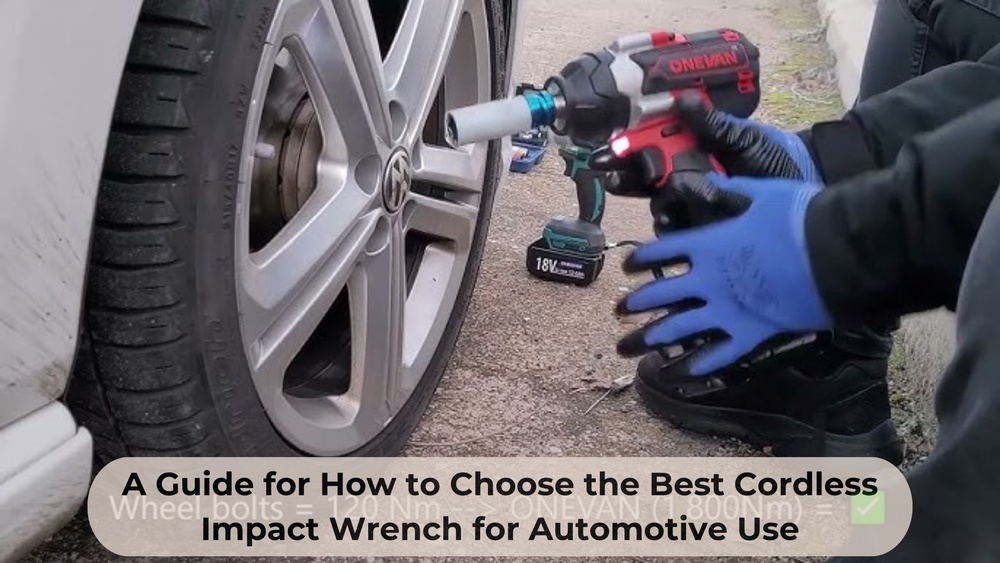
When tightening lug fasteners, an impact wrench should never be your only tool. You might think using it alone saves time and effort, but this common mistake can lead to serious problems for your vehicle and safety.
If you want to make sure your wheels stay secure without causing damage, understanding how and when to use an impact wrench is crucial. Keep reading to discover the key steps you need to follow, so you can avoid costly repairs and drive with confidence every time.

Credit: knowhow.napaonline.com
Risks Of Over-tightening
Over-tightening lug fasteners with an impact wrench can cause serious problems. It can harm the parts and create safety risks. Knowing these risks helps you avoid damage and keep your vehicle safe.
Damage To Lug Fasteners
Too much force can strip the threads of lug nuts. This makes them hard to remove later. The fasteners may crack or break under pressure. Damaged lug fasteners lose their ability to hold wheels securely.
Wheel And Hub Issues
Over-tightening can warp the wheel or brake rotor. This leads to vibrations while driving. The hub may also suffer stress damage. These problems affect the smooth rotation of the wheel.
Safety Concerns
Loose or over-tightened lug fasteners can cause wheel failure. Wheels may wobble or detach from the vehicle. This creates dangerous driving conditions. Proper torque ensures the wheel stays firmly in place.
Choosing The Right Impact Wrench
Choosing the right impact wrench is essential for tightening lug fasteners correctly. The right tool makes the job easier and safer. It helps avoid damage to the wheel or fastener. Understanding the different types and features guides the decision.
Types Of Impact Wrenches
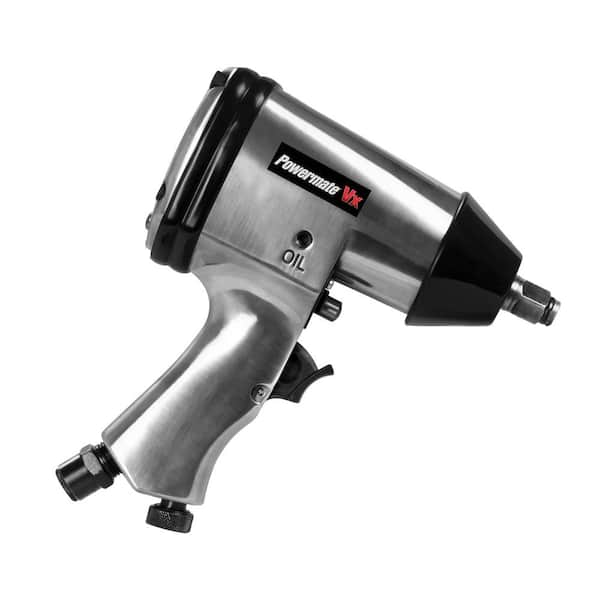
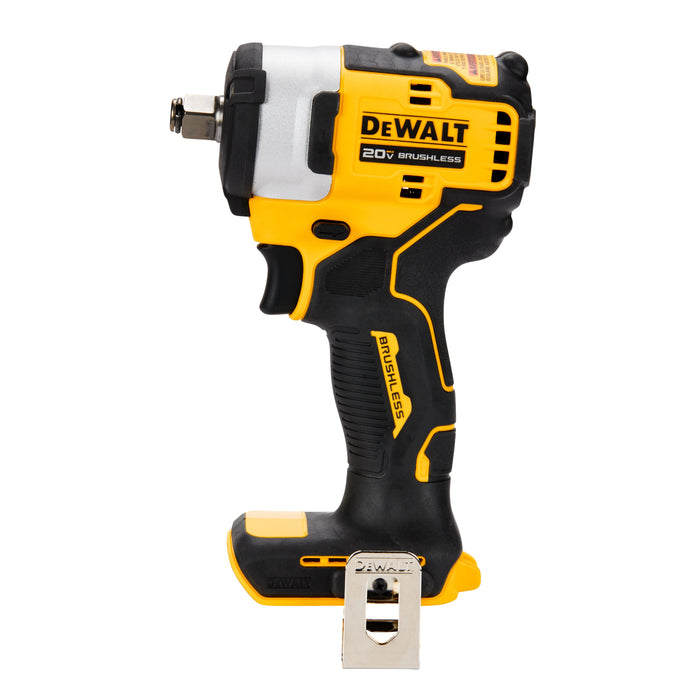
Impact wrenches come in three main types: electric, pneumatic, and cordless. Electric models plug into power outlets and offer steady power. Pneumatic wrenches use air compressors and deliver strong torque. Cordless wrenches run on batteries and provide good mobility. Each type suits different work environments and needs.
Torque Settings Importance
Torque settings control how much force the wrench applies. Correct torque prevents over-tightening or under-tightening lug fasteners. Many impact wrenches have adjustable torque settings. Choose a wrench with a clear, easy-to-use torque control. This feature helps protect fasteners and vehicle safety.
Power Source Options
Power sources affect the wrench’s convenience and power. Electric wrenches need a power outlet nearby. Pneumatic wrenches require an air compressor setup. Cordless wrenches offer freedom to move but depend on battery life. Consider the work location and power availability before choosing.
Proper Techniques For Use
Using an impact wrench to tighten lug fasteners requires care and the right method. Proper techniques help avoid damage and ensure safety on the road. Follow these steps to use the tool correctly and keep your wheels secure.
Pre-tightening Steps
Start by cleaning the lug fasteners and wheel studs. Dirt or rust can affect the fit and torque. Hand-tighten the lug nuts first. This helps align the fasteners and prevents cross-threading. Use a star pattern to tighten the nuts slightly by hand. This ensures even pressure on the wheel.
Correct Torque Application
Set the impact wrench to a low torque setting. This prevents over-tightening. Tighten the lug nuts in a star pattern. This balances the pressure on the wheel. After using the impact wrench, check the torque with a manual torque wrench. Adjust if needed to reach the manufacturer’s recommended torque.
Avoiding Common Mistakes
Do not rely on the impact wrench alone for final tightening. Over-tightening can damage fasteners or wheels. Avoid tightening lug nuts in a circular pattern. This can cause uneven pressure and wheel damage. Never use an impact wrench on damaged or rusted lug nuts. Replace them to ensure safety and proper fit.
Credit: www.homedepot.com
Tools To Complement Impact Wrenches
Impact wrenches speed up lug fastener tightening. But they do not always give the right tightness. Other tools help finish the job safely and correctly. These tools check and adjust the final tightness. Using them prevents damage and keeps wheels secure.
Choosing the right tools to complement an impact wrench is important. They help make sure each lug fastener is tightened just right. This keeps vehicles safe on the road.
Torque Wrenches For Final Tightening
Torque wrenches measure the exact force used on lug fasteners. After using an impact wrench, a torque wrench checks the tightness. It ensures bolts are not too loose or too tight. This avoids damage to wheel parts. Mechanics turn the torque wrench until it clicks. The click means the right torque is reached. This tool is key to safe wheel installation.
Use Of Calibrated Equipment
Calibrated tools give accurate torque readings. Over time, tools can lose accuracy. Calibration resets their precision. Using calibrated torque wrenches avoids errors in tightening. Many workshops schedule regular calibration checks. This keeps tools reliable and safe. Proper calibration protects both the vehicle and driver.
Maintenance And Inspection
Maintenance and inspection play a key role in using an impact wrench for tightening lug fasteners. Proper care keeps the tool working well and ensures safety. Neglecting these checks can lead to tool failure or improper fastener tightness.
Regular checks help catch problems early. They keep the impact wrench reliable and extend its life. This section explains important maintenance steps and what to watch for during inspections.
Regular Tool Calibration
Calibration ensures the impact wrench applies the correct torque. Tools lose accuracy over time. Check calibration at set intervals. Use a torque tester or visit a service center. Accurate torque prevents damage to lug fasteners and wheels.
Checking Lug Fasteners Condition
Inspect lug fasteners before and after use. Look for rust, dirt, or cracks. Clean them to avoid slipping or uneven tightening. Replace damaged fasteners promptly. Well-maintained fasteners improve wheel safety and performance.
Signs Of Wear And Damage
Watch for worn parts on the impact wrench. Listen for unusual sounds during operation. Check for cracks, loose components, or oil leaks. Replace or repair damaged parts quickly. Keeping the tool in good shape avoids accidents and costly repairs.
Safety Practices
Safety is key when tightening lug fasteners with an impact wrench. Using the tool incorrectly can cause injury or damage. Following safety practices helps protect you and others nearby. It also ensures the job is done right.
Protective Gear Recommendations
Wear safety glasses to shield your eyes from flying debris. Use gloves to protect your hands from cuts and vibrations. Ear protection is necessary because impact wrenches are loud. Choose sturdy footwear to prevent foot injuries if tools or wheels drop.
Work Environment Setup
Keep your work area clean and free of clutter. Ensure good lighting to see clearly. Use a stable surface to place your tools and wheels. Avoid wet or slippery floors to reduce slipping risks. Make sure no one stands too close during operation.
Training And Skill Development
Learn how to handle the impact wrench properly before use. Understand the correct torque settings for lug fasteners. Practice on old wheels to build confidence. Follow manufacturer instructions carefully. Regular training reduces accidents and improves efficiency.
Credit: www.coastaltool.com
Frequently Asked Questions
When Should You Stop Tightening Lug Fasteners With An Impact Wrench?
You should stop tightening when the lug fasteners are snug. Then, use a torque wrench for final tightening. This prevents over-tightening and damage to the wheel or fasteners.
Why Avoid Over-tightening Lug Fasteners With An Impact Wrench?
Over-tightening can strip threads or damage fasteners. It may also warp brake rotors. Using a torque wrench after the impact wrench ensures correct tightness.
Can Impact Wrenches Replace Torque Wrenches For Lug Nuts?
No, impact wrenches provide speed but not precise torque. Always finish lug nut tightening with a torque wrench for accuracy and safety.
How To Prevent Damaging Lug Fasteners With An Impact Wrench?
Use low torque settings on the impact wrench. Avoid continuous running after snug fit. Follow up with a torque wrench for exact tightness.
Conclusion
Using an impact wrench to tighten lug fasteners saves time and effort. Always set the correct torque to avoid damage or loose wheels. Start with hand-tightening, then use the wrench carefully. Check the tightness with a torque wrench afterward. Proper tightening keeps your wheels safe and secure.
Follow these steps to protect your vehicle and yourself. Safety matters most.