Are you struggling to find the right size snap fasteners for your project? Measuring snap fasteners might seem tricky at first, but it doesn’t have to be.
Getting the perfect fit is key to making your clothes, bags, or crafts look professional and work well. In this guide, you’ll discover simple, clear steps to measure snap fasteners accurately—saving you time, money, and frustration. Keep reading, and you’ll learn how to choose the right snaps every time, making your projects easier and more successful.

Credit: rito.com
Types Of Snap Fasteners
Snap fasteners come in many types. Choosing the right one depends on your project needs. They vary by material, size, and style. Knowing these differences helps you measure and pick the perfect snap fastener.
Some snaps are better for heavy fabrics. Others suit light materials. Understanding each type guides your selection and measuring process.
Metal Vs Plastic Snap Fasteners
Metal snap fasteners are strong and durable. They work well on thick fabrics like denim or leather. Metal snaps resist wear and tear better over time.
Plastic snap fasteners are lighter and more flexible. They fit well on soft fabrics like cotton or polyester. Plastic snaps are less likely to rust or corrode.
Choose metal snaps for toughness and plastic snaps for lightweight needs. Each type has its place in sewing and crafting.
Sizes And Styles
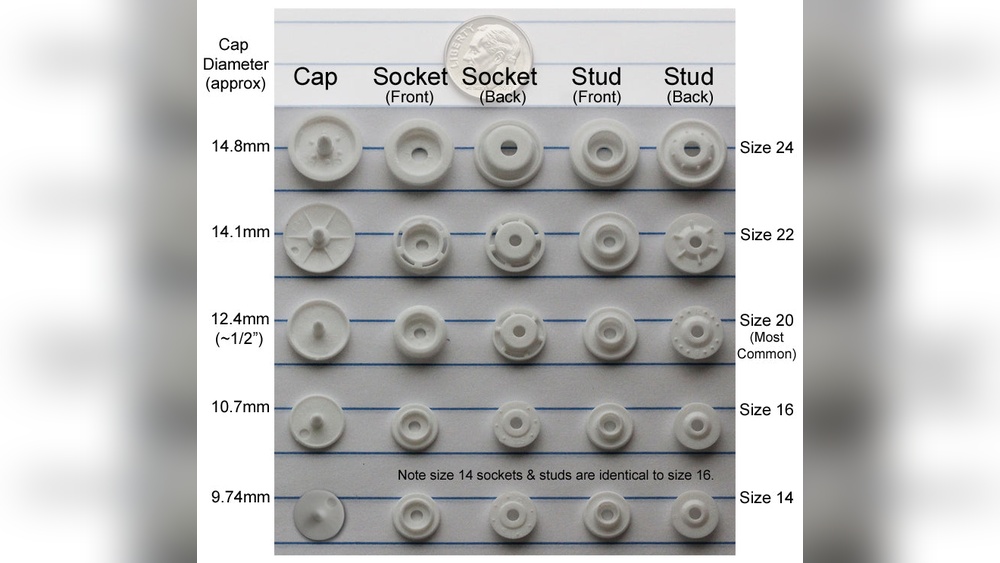
Snap fasteners come in different sizes. Sizes are measured in line numbers, like 16 or 20. Smaller numbers mean bigger snaps. Bigger snaps hold stronger but may be harder to sew.
Styles vary too. Some snaps have a smooth finish, while others are decorative. You can find snaps with shiny, matte, or textured surfaces. Pick a style that matches your project look and function.
Knowing the size and style helps you measure snap fasteners correctly. It ensures a good fit and secure hold on your fabric.
Tools Needed For Measuring
Measuring snap fasteners correctly needs the right tools. These tools help you get exact sizes. This is important for fitting and sewing projects. Using simple and precise tools makes the job easier and faster.
Measuring Tape And Ruler
A measuring tape is flexible and easy to use. It works well on curved surfaces or fabric. A ruler is good for straight, flat measurements. Both tools show the length in millimeters or inches. They help find the diameter and length of snap fasteners.
Calipers For Precision
Calipers give very accurate measurements. They can measure inside, outside, and depth sizes. This tool is perfect for small parts like snap fasteners. Digital calipers show results on a screen for easy reading. Using calipers ensures you pick the right size snap fastener every time.
Key Measurements To Take
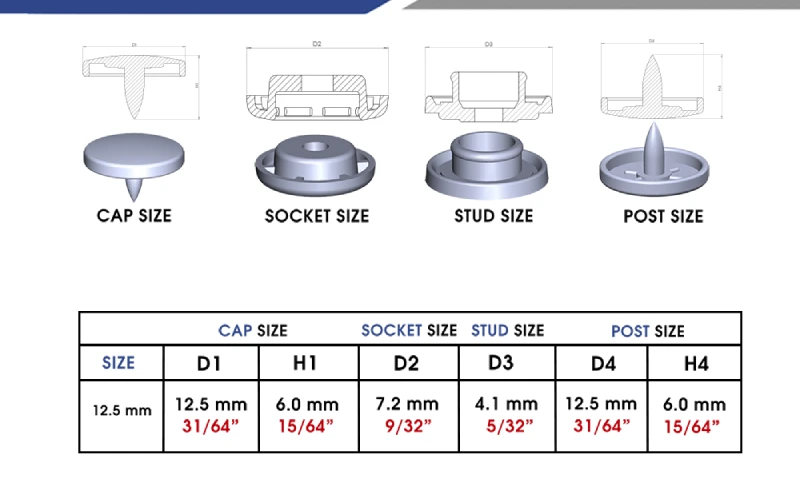
Measuring snap fasteners correctly is key to choosing the right size for your project. Precise measurements ensure a perfect fit and secure hold. Focus on the main parts of the snap fastener to get accurate results. These parts include the cap, socket, stud, and post.
Diameter Of Snap Components
Measure the diameter of each snap part carefully. The cap diameter is the most visible and often the biggest. Use a ruler or caliper for accuracy. The socket and stud diameters are usually smaller and must match each other. Proper diameter measurement avoids snapping problems later.
Thickness And Length
Check the thickness of the snap fastener parts. This affects how the snap fits through fabric or material. The post length is important too. It should be long enough to go through the fabric layers but not too long. Measure thickness and length with a caliper for best results.

Credit: www.amazon.com
Measuring Snap Fasteners On Fabric
Measuring snap fasteners on fabric is essential for a perfect fit. Accurate measurements ensure the fasteners sit well and function properly. It helps avoid mistakes during sewing or attaching. This section explains how to measure snap fasteners on fabric correctly.
Positioning The Fastener
Place the snap fastener on the fabric surface. Align it where you want it to be attached. Check the fabric’s fold or seam for proper placement. Hold the fastener steady without stretching the fabric. This step ensures the snaps fit evenly and look neat.
Marking Measurement Points
Use a fabric pencil or chalk to mark the fastener spots. Mark both the male and female parts of the snap. Keep marks light to avoid fabric damage. Double-check the distance between marks for symmetry. Clear marks guide you during sewing or fixing the fastener.
Common Measurement Mistakes
Measuring snap fasteners correctly is key to a good fit and function. Many people make simple mistakes that lead to wrong sizes. These errors cause problems in sewing or repairs. Learning about common measurement mistakes helps avoid these issues.
Small errors can cause big problems. Understanding these mistakes helps save time and materials. Focus on precision and care during each step of measurement.
Avoiding Inaccurate Readings
Use the right tool, like a caliper or ruler with clear marks. Do not guess or estimate sizes. Measure the snap fastener’s diameter carefully. Avoid measuring curved or uneven parts. Keep the measuring tool steady to prevent slipping. Take multiple readings to confirm accuracy. Avoid measuring in poor light or at an angle.
Ensuring Consistent Measurements
Measure the same part of the snap each time. Use the same tool for all measurements. Record sizes immediately to avoid confusion. Check measurements twice before cutting or sewing. Avoid mixing metric and imperial units in one project. Consistency helps maintain quality and fit. Train yourself to follow a clear measurement routine.
Tips For Choosing The Right Size
Choosing the right size for snap fasteners is key to a strong and neat finish. The wrong size can cause fabric damage or weak hold. This guide helps you pick the perfect snap size for your project. Consider fabric weight and how you plan to use the snaps.
Matching Fabric Weight
Heavy fabrics need larger, stronger snaps. Thin fabrics work better with small, light snaps. Use snaps that fit the fabric thickness. Too big snaps may pull or tear thin fabric. Too small snaps may not hold well on thick fabric. Check the fabric type before measuring snaps.
Considering Snap Usage
Think about how often you will open and close the snaps. Frequent use needs durable, larger snaps. For light use, smaller snaps are enough. Also, consider the snap’s purpose. Decorative snaps can be smaller. Functional snaps require the right size for strength.
Installing Snap Fasteners After Measurement
Installing snap fasteners after measurement is a key step for a neat finish. Precise measurement ensures the parts fit well and function properly. Take time to align the pieces carefully before attaching. This helps avoid mistakes and saves effort.
Using the right tools makes the process smooth and secure. Each tool has a specific role in fixing the snap fasteners firmly. Proper handling of tools protects the fabric and parts from damage.
Aligning Parts Correctly
Start by marking the exact spot for each snap part. Check that the male and female parts match perfectly. Place them flat on the fabric without overlapping. Hold the pieces steady to keep alignment during attachment. Double-check spacing to ensure comfort and durability. Correct alignment prevents fasteners from coming loose or breaking.
Tools For Attachment
Use a snap fastener tool or pliers designed for snaps. A hammer and setting tool can work for metal snaps. A small awl helps make holes if needed. Keep tools clean and in good condition. Press or tap gently to secure snaps without tearing fabric. Test the snap by opening and closing it a few times. Well-attached snaps last longer and hold better.
Credit: qcmachinery.com
Frequently Asked Questions
What Tools Are Needed To Measure Snap Fasteners Accurately?
To measure snap fasteners, use a caliper or a ruler for precise size. Accurate measurement ensures proper fit and function. Measuring both the cap diameter and post length is essential for correct snap fastener selection.
How Do I Measure The Diameter Of Snap Fasteners?
Use a caliper to measure the snap fastener’s cap diameter. Measure across the widest part of the cap for accuracy. This helps in selecting the right size for your project or garment.
Why Is Measuring Snap Fastener Size Important?
Measuring snap fasteners ensures compatibility with fabric and tools. Correct size prevents damage and ensures secure attachment. It also helps in ordering the right fasteners for replacements or new projects.
Can I Measure Snap Fasteners Without Specialized Tools?
Yes, you can use a ruler for rough measurement, but a caliper is best. A ruler may not be precise enough for small diameters. Accuracy is crucial for snap fastener functionality and appearance.
Conclusion
Measuring snap fasteners helps ensure a perfect fit for your project. Use a ruler or caliper to get accurate sizes. Check the diameter of both the cap and socket parts. Note the length and thickness for the best match. Accurate measurement saves time and avoids mistakes.
Keep your tools ready for easy measuring next time. Simple steps make your work neat and professional. Now, you can confidently choose snap fasteners that suit your needs.