When you’re working with pressure treated wood, choosing the right fasteners can make all the difference in how strong and long-lasting your project will be. Using the wrong nails or screws can lead to rust, weakening, and even damage to your wood over time.
You want your deck, fence, or outdoor furniture to stand firm through every season. You’ll discover exactly which fasteners work best with pressure treated wood, helping you avoid costly mistakes and build something that lasts. Keep reading to learn the simple choices that protect your investment and make your project a success.
Credit: us.sfs.com
Types Of Pressure Treated Wood
Pressure treated wood is popular for outdoor projects. It lasts longer and resists decay better than regular wood. Different types of pressure treated wood exist. Knowing these types helps you pick the right fasteners. Fasteners must match the wood’s treatment to avoid damage or rust.
Understanding the types of pressure treated wood improves your project results. It also protects your investment and ensures safety.
Common Wood Varieties
Pine is the most used wood for pressure treatment. It is affordable and absorbs chemicals well. Fir and spruce are also common. They have similar qualities to pine. These woods work well for decks, fences, and outdoor structures.
Chemical Treatments Used
Wood gets treated with chemicals to resist rot and insects. Alkaline copper quat (ACQ) is popular today. It is less toxic than older chemicals. Copper azole (CA) is another choice. It protects wood while being safe for the environment. Some wood uses micronized copper. This method coats tiny copper particles on wood.
Impact On Wood Properties
Treated wood can be wetter and softer than untreated wood. The chemicals can cause corrosion in regular nails and screws. This means fasteners must be corrosion-resistant. Treated wood may also shrink or swell more. Fasteners must hold tight despite these changes. Using the right fastener type helps maintain wood strength and appearance.
Challenges With Fastening Treated Wood
Fastening pressure treated wood presents unique challenges. This wood is chemically treated to resist rot and insects. The treatment changes how fasteners behave. Choosing the right fasteners is key to a strong, lasting project.
Corrosion Risks
Chemicals in treated wood can cause metal fasteners to rust quickly. Ordinary nails and screws may corrode and weaken. Corrosion leads to fastener failure and wood damage. Using stainless steel or coated fasteners helps prevent rust. These materials last longer in treated wood.
Wood Expansion And Contraction
Treated wood expands and contracts more than untreated wood. Changes in temperature and humidity cause this movement. Fasteners must allow slight wood movement without loosening. Rigid fasteners can crack the wood or pull out. Choosing flexible or ring-shank nails improves hold and durability.
Effect Of Moisture Content
Pressure treated wood holds more moisture than regular wood. High moisture can cause swelling and softening. Fasteners may loosen as the wood dries and shrinks. Using corrosion-resistant fasteners reduces damage from moisture. Properly sealing and drying the wood also protects fasteners.
Best Fastener Materials
Choosing the right fastener material is key for pressure treated wood projects. The wood contains chemicals that can cause metal to rust fast. Using proper fasteners extends the life of your build. It also keeps your structure safe and strong.
Stainless Steel Benefits
Stainless steel fasteners resist rust and corrosion very well. They last a long time in wet or humid areas. These fasteners do not react with the chemicals in treated wood. They keep your wood from staining or weakening. Stainless steel is a great choice for decks and outdoor furniture.
Hot-dip Galvanized Options
Hot-dip galvanized fasteners have a thick zinc coating. This coating protects the metal from moisture and rust. They cost less than stainless steel but still offer good protection. These fasteners work well for most outdoor wood projects. They are strong and durable for long-lasting use.
Coated Fasteners For Protection
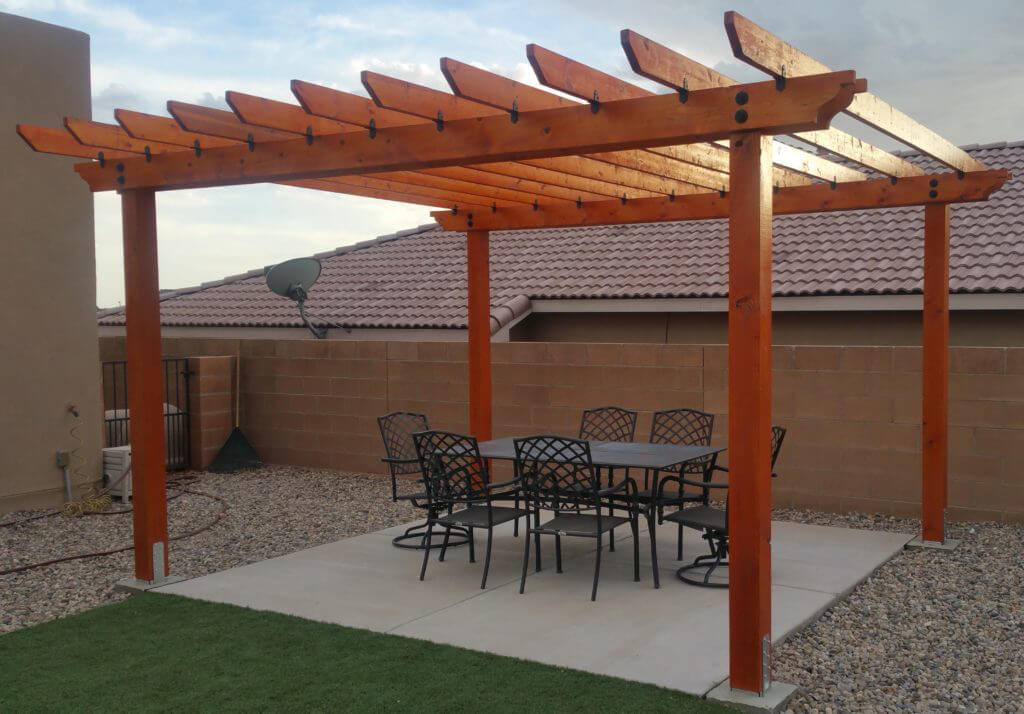
Coated fasteners have special layers that fight corrosion. These coatings include ceramic, epoxy, or other rust-resistant materials. They provide extra defense against harsh weather and wood chemicals. Coated fasteners can be easier to find and affordable. They help keep your wood structure intact over time.
Credit: ozcobp.com
Fastener Types For Treated Wood
Choosing the right fasteners for pressure treated wood is essential. These fasteners hold wood pieces together firmly. The wood’s chemical treatment can cause metal to corrode quickly. Picking the correct type of fastener helps avoid rust and damage. It also ensures the wood structure lasts longer and stays safe.
Screws Vs Nails
Screws provide a strong, lasting hold in treated wood. They resist pulling out better than nails. Screws also reduce wood splitting during installation. Nails are faster to install and cheaper. But nails may loosen over time in treated wood. Stainless steel or coated screws are best for treated wood.
Bolts And Lag Screws
Bolts and lag screws offer extra strength for heavy loads. They work well in large wooden structures. Lag screws have a thick thread for strong grip. Bolts need nuts and washers for secure fastening. Use corrosion-resistant bolts or lag screws to avoid rust. These fasteners are ideal for decks and beams.
Specialty Fasteners
Specialty fasteners include coated, galvanized, and stainless steel options. Coated fasteners resist chemicals in treated wood. Galvanized fasteners have a zinc layer to prevent rust. Stainless steel offers the highest corrosion resistance. Specialty fasteners increase durability and protect wood connections. Choose the right coating based on wood treatment type.
Fastener Size And Length Guidelines
Choosing the correct fastener size and length is key for pressure treated wood projects. Fasteners that are too small may fail to hold the wood securely. Fasteners that are too long or thick can split the wood or cause other issues. Follow these guidelines to select the right fasteners that provide strength and durability.
Choosing The Right Diameter
Pick a fastener diameter that matches the wood thickness. Thicker wood needs thicker fasteners for a strong grip. Thin wood requires smaller diameters to avoid splitting. A common choice is 8 or 10 screws for most pressure treated lumber.
Thicker fasteners resist corrosion better in treated wood. Use stainless steel or coated fasteners to prevent rust and wood damage.
Proper Fastener Length
Fasteners must be long enough to go through both pieces of wood. A good rule: use a fastener 2.5 times the thickness of the top piece. For example, a 1-inch board needs a fastener at least 2.5 inches long.
This length ensures a solid hold without piercing too far into the bottom wood. Avoid fasteners that are too short or too long to keep your structure safe.
Spacing And Placement Tips
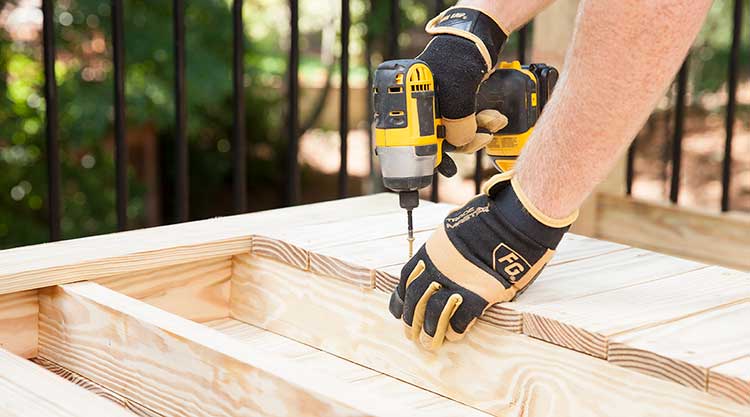
Space fasteners evenly along the wood to distribute pressure. Place screws or nails at least 1 inch from edges. This prevents wood from splitting under stress.
Use two fasteners per joint for better stability. Avoid placing fasteners too close together to reduce wood damage. Proper spacing keeps your wood strong and secure.
Credit: www.yellawood.com
Installation Tips For Durability
Installing fasteners in pressure treated wood requires care to ensure lasting strength. Proper techniques help prevent damage and maintain wood integrity. Follow these tips for durable and secure fastening.
Pre-drilling Techniques
Pre-drilling holes prevents wood from cracking. Use a drill bit slightly smaller than the fastener’s diameter. Drill straight and avoid going too deep. This step makes driving screws easier and reduces pressure on the wood.
Avoiding Wood Splitting
Split wood weakens the structure. Place fasteners away from edges and ends. Use pilot holes for all screws. Tap nails gently to avoid sudden splits. Keep fasteners spaced evenly for better support.
Fastening In Different Weather Conditions
Wood expands and contracts with weather changes. Avoid fastening in very wet or freezing conditions. Fasten when wood is dry for best hold. Allow space for wood to move naturally. Use corrosion-resistant fasteners for outdoor projects.
Maintenance And Inspection
Maintaining pressure treated wood means regular care for both the wood and fasteners. Proper inspection helps spot problems early. This prevents damage and keeps structures strong.
Checking For Corrosion
Corrosion weakens fasteners and affects wood stability. Look for rust or discoloration on screws and nails. Use a flashlight to see hidden areas. Early signs include orange or brown stains. Check fasteners at least twice a year.
Replacing Damaged Fasteners
Replace any fastener that shows corrosion or damage. Rusty fasteners lose grip and can fail under pressure. Use stainless steel or coated fasteners for replacements. Remove old fasteners carefully to avoid wood damage. Secure new fasteners tightly but avoid over-tightening.
Extending Wood And Fastener Life
Keep wood dry by ensuring proper drainage around structures. Clean debris and dirt off fasteners and wood regularly. Apply protective sealants to pressure treated wood surfaces. Avoid direct contact between soil and wood. Proper maintenance extends life of wood and fasteners.
Frequently Asked Questions
What Types Of Fasteners Work Best With Pressure Treated Wood?
Stainless steel and hot-dipped galvanized fasteners resist corrosion in pressure treated wood. These materials prevent rust and extend fastener life. Avoid plain steel as it corrodes quickly when in contact with treated wood.
Why Use Corrosion-resistant Fasteners For Treated Wood?
Pressure treated wood contains chemicals that promote corrosion. Corrosion-resistant fasteners prevent rust and maintain structural integrity. Using these fasteners ensures long-lasting, safe, and durable wood projects.
Can I Use Regular Nails With Pressure Treated Wood?
Regular nails are not recommended as they rust quickly. Rust weakens the connection and stains the wood. Choose corrosion-resistant nails or screws designed for pressure treated wood for better results.
Are Stainless Steel Screws Better Than Galvanized Ones?
Stainless steel screws offer superior corrosion resistance and durability. Galvanized screws are more affordable but may corrode over time. For long-term outdoor projects, stainless steel is the preferred choice.
Conclusion
Choosing the right fasteners keeps pressure treated wood strong and safe. Use stainless steel or coated screws to stop rust and decay. Nails may work, but screws hold better over time. Avoid plain steel fasteners, as they corrode quickly. Proper fasteners help your wood last longer outdoors.
Small details make a big difference in your project. Now you know how to pick fasteners that protect your wood well. Simple steps lead to sturdy, lasting results.