
Are you tired of your new cabinet hardware looking too shiny and out of place? What if you could give your cabinets a charming, worn-in look without spending a fortune?
Aging cabinet hardware is a simple trick that can instantly add character and warmth to your space. You’ll discover easy, step-by-step methods to age your hardware like a pro. Whether you want a subtle vintage touch or a bold rustic feel, you’ll learn how to make your cabinets stand out in the best way possible.
Keep reading, and transform your hardware into a stunning design feature today!
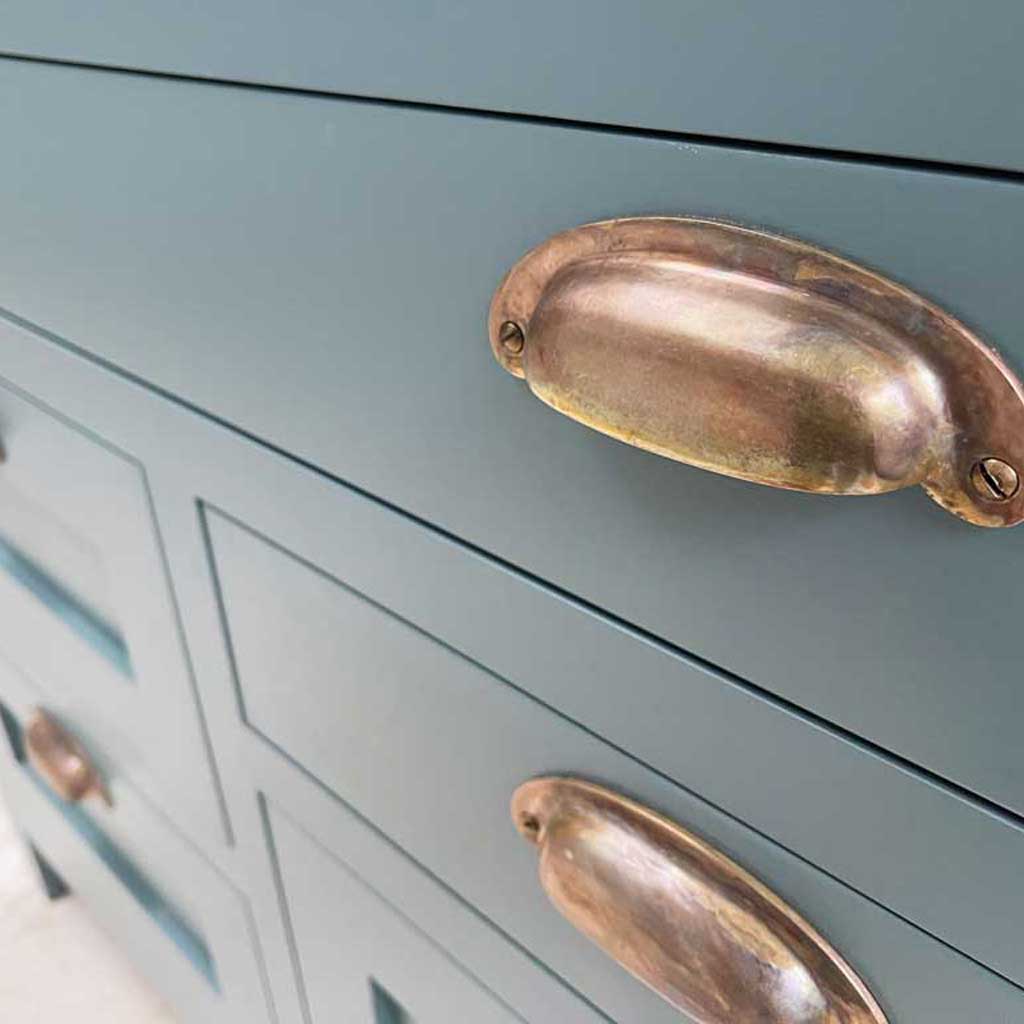
Credit: thelistedhome.co.uk
Choosing The Right Hardware
Choosing the right hardware is key to aging your cabinets beautifully. The right pieces add character and charm. They help create a warm, vintage look that suits many styles. Select materials and designs that naturally show age well. This makes your cabinets stand out with a timeless appeal.
Materials That Age Well
Metal hardware like brass and bronze ages with a rich patina. This natural change adds depth and history. Copper also develops a unique greenish hue over time. Iron and steel may rust, which can add rustic charm if sealed properly. Avoid plastic or cheap metals that look worn out too fast.
Styles For Vintage Appeal
Choose classic styles like cup pulls, drop handles, or round knobs. These shapes feel nostalgic and timeless. Designs with simple lines or slight ornamentation work well. Look for hardware with a slightly rough or matte finish. This finish hides scratches and enhances the aged look. Avoid shiny or modern pieces that clash with vintage styles.
Preparing Your Tools And Workspace
Preparing your tools and workspace is the first step in aging cabinet hardware. A clean, organized area helps you work safely and efficiently. Setting up correctly saves time and prevents mistakes.
Gathering the right supplies and taking safety precautions are key. This section explains what you need and how to stay safe while working.
Essential Supplies
Start with basic tools like sandpaper and steel wool. These help remove old finishes and roughen the surface.
Get a wire brush to add texture and create an aged look. Use vinegar or lemon juice for natural aging solutions.
Wear gloves to protect your skin from chemicals. Have clean rags or old cloths ready for wiping.
Use a small container to mix any aging liquids. Keep a soft brush handy for applying solutions evenly.
Safety Tips
Work in a well-ventilated area to avoid breathing fumes. Open windows or use a fan to keep air moving.
Wear gloves and eye protection to prevent irritation. Chemicals and small particles can harm your skin and eyes.
Keep your workspace clean and free of clutter. This reduces the risk of accidents or spills.
Dispose of used materials safely. Follow local rules for disposing of chemicals and cleaning waste.
Cleaning And Stripping Hardware
Cleaning and stripping cabinet hardware is the first step to give it a fresh, aged look. Old finishes must come off to reveal the raw metal underneath. This process helps the hardware absorb new patinas or stains better. Proper cleaning also removes dirt and oils that block aging treatments.
Removing Old Finish
Start by soaking hardware in a finish remover or paint stripper. Use a container large enough to hold the pieces comfortably. Follow product instructions closely for safety and best results. After soaking, use a soft brush to scrub off loosened paint or lacquer. Rinse parts thoroughly with water to remove all residue. Dry completely before moving to the next step.
Cleaning Methods
Use mild soap and warm water to clean hardware after stripping. A soft cloth or toothbrush can help reach small crevices. For stubborn dirt, try vinegar or baking soda paste. Avoid harsh chemicals that can damage metal. Dry hardware well to prevent rust. Clean pieces show better results when aged or refinished.
Techniques For Aging Metal Hardware
Aging metal cabinet hardware adds charm and character to any space. It makes new pieces look vintage and worn. Various techniques create this aged effect using simple materials and tools. These methods help you achieve a unique, antique look at home.
Using Vinegar And Salt
Vinegar and salt create natural rust on metal hardware. Start by mixing equal parts of vinegar and water. Add a tablespoon of salt to the solution. Soak the hardware in this mix for several hours. The acid in vinegar reacts with the metal, causing rust. Salt speeds up this reaction, giving a rough, aged look. Rinse the hardware and let it dry. Repeat for a stronger effect.
Applying Paint And Distressing
Paint and distressing add layers of color and wear. Apply a base coat in a dark color like black or brown. Let it dry completely. Then, paint a lighter color on top. Use sandpaper to rub off paint in spots. Focus on edges and areas that get touched often. This technique mimics natural wear and tear. It also creates depth and texture on the hardware surface.
Chemical Patinas
Chemical patinas change metal color quickly. These are special solutions designed for metal aging. Apply the patina with a brush or cloth to clean hardware. Watch the metal change colors from bright to dull tones. Different chemicals give different colors like green, blue, or brown. Always use gloves and work in a ventilated area. Patinas create a rich, aged finish that looks authentic.
Aging Wooden Hardware
Aging wooden hardware brings charm and character to cabinets. It creates a warm, vintage feel that suits many home styles. The process involves simple techniques anyone can try. These methods make new wood look old and worn naturally.
Sanding And Distressing
Start by sanding the hardware with medium-grit sandpaper. Focus on edges and corners where natural wear occurs. Use rough tools like chains or hammers to create dents and scratches. This adds authentic texture and signs of age. Sand lightly afterward to smooth rough spots but keep marks visible.
Staining For Antique Look
Choose a wood stain in dark brown or gray tones. Apply it evenly with a cloth or brush. Let the stain soak in for a few minutes, then wipe off excess. This highlights the wood grain and deepens the color. For an aged effect, use multiple thin coats rather than one thick layer. Finish with a clear matte sealant to protect the look.
.jpg)
Credit: themerrythought.com
Sealing And Protecting Finished Hardware
Sealing and protecting finished hardware is key to keeping that aged look intact. It stops rust, dirt, and wear from damaging the metal. A good seal also makes cleaning easier and keeps the hardware looking fresh longer. Taking time to seal your aged cabinet hardware ensures it stays beautiful and lasts through daily use.
Choosing The Right Sealant
Select a sealant that fits the metal type and finish. Clear lacquer works well for most metals. It dries fast and forms a strong protective layer. For a more natural look, try wax or oil-based sealants. These add shine without hiding the aged effect. Avoid thick or glossy sealants that cover the patina.
Application Tips
Clean hardware before applying any sealant. Use a soft cloth to remove dust and oils. Apply the sealant in thin, even coats. Let each coat dry fully before adding another. Use a brush or spray for even coverage. Avoid pooling or drips that can ruin the finish. Handle hardware gently to keep the aged look intact.
Installing Aged Hardware
Installing aged cabinet hardware adds charm and character to any kitchen or bathroom. It gives a vintage look that feels warm and inviting. Proper installation is key to keep the hardware both functional and beautiful. Careful steps ensure the hardware fits well and lasts long.
Proper Installation Techniques
Start by measuring the cabinet doors or drawers. Mark the exact spots for screws. Use a drill with the right bit size to avoid cracks. Insert screws gently to prevent stripping. Tighten screws until firm but do not over-tighten. Check that handles or knobs move smoothly. Align hardware evenly for a neat appearance.
Matching Hardware With Cabinets
Choose hardware that suits the cabinet style and color. Dark wood pairs well with bronze or black finishes. Light cabinets look great with brushed nickel or brass. Match the size of the hardware to the cabinet size. Small knobs on large doors may look odd. Consider the room’s overall style for a balanced look.
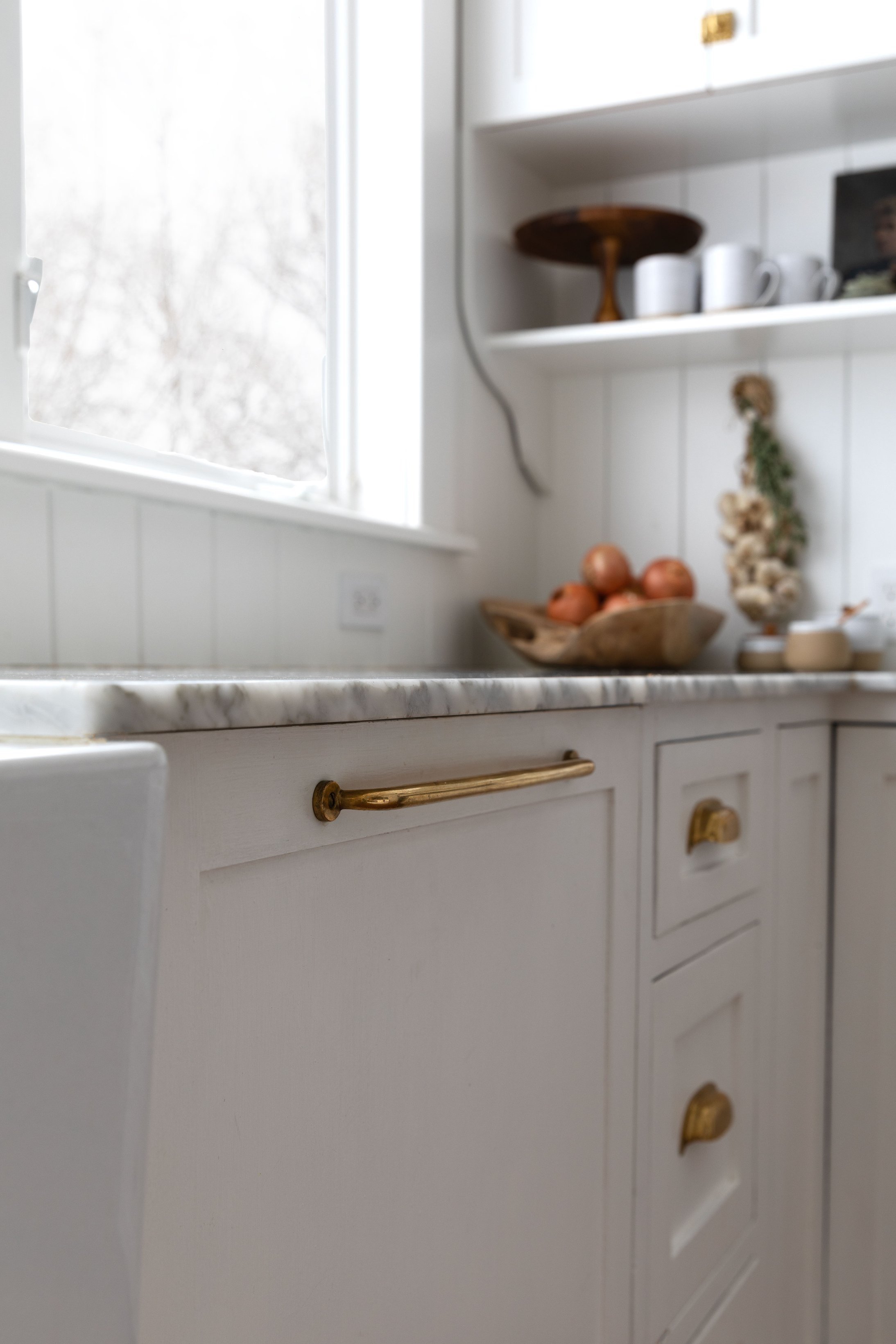
Credit: www.thegritandpolish.com
Maintaining Aged Hardware Over Time
Maintaining aged cabinet hardware keeps its charm and function. Over time, hardware can lose its look or stop working well. Regular care helps preserve its vintage feel. Small actions can make a big difference. This section covers cleaning and repairing tips to keep your hardware in good shape.
Cleaning Tips
Use a soft cloth to wipe away dust and dirt. Avoid harsh chemicals that can damage the finish. A mixture of mild soap and warm water works well. Dampen the cloth, then gently clean the hardware. Dry it right after to prevent water spots. For stubborn spots, use a soft brush. Clean hardware regularly to keep it looking fresh.
Repairing Wear And Tear
Check for loose screws and tighten them carefully. Replace missing or damaged screws with ones of the same size. Small scratches can be hidden with metal polish or wax. For broken parts, visit a hardware store for replacements. Avoid forcing parts that stick to prevent more damage. Regular checks help catch problems early and keep hardware working smoothly.
Frequently Asked Questions
How Can I Naturally Age Cabinet Hardware?
You can age cabinet hardware naturally by exposing it to air and moisture. Use vinegar or lemon juice to speed up the patina process. Allow hardware to dry completely between applications for the best aged look.
What Materials Work Best For Aging Cabinet Hardware?
Brass, copper, and iron are ideal for aging. These metals develop a desirable patina over time. Avoid stainless steel as it resists corrosion and won’t age naturally.
How Long Does It Take To Age Cabinet Hardware?
Aging hardware naturally can take several weeks to months. Chemical methods like vinegar or ammonia can reduce this to a few hours. The timing depends on the material and desired patina depth.
Can I Age Cabinet Hardware Without Damaging It?
Yes, you can age hardware safely by using gentle acids like vinegar. Avoid harsh chemicals that can corrode or weaken the metal. Test on a small area first to ensure no damage.
Conclusion
Aging cabinet hardware adds charm and character to your space. It gives cabinets a unique, vintage look. The process is simple and affordable. Use basic tools and materials you already have. Take your time and follow the steps carefully. Small changes can make a big difference.
Enjoy the new style your cabinets bring. Try aging hardware to refresh your kitchen or bathroom today. It’s a fun, creative project anyone can do.


