Installing large cabinet hardware can feel tricky, especially if you want it to look perfect and last long. But don’t worry—this guide will help you get it right the first time.
You’ll learn simple steps to measure, position, and secure your hardware with ease. By the end, your cabinets will not only look stunning but also function smoothly every day. Ready to upgrade your space and boost your confidence with this easy project?
Let’s dive in!
Choosing The Right Hardware
Choosing the right hardware for large cabinets is key to both style and function. It affects how the cabinet looks and how easy it is to use. The right hardware can make your cabinets stand out and last longer. Consider size, style, and material carefully. These factors help you pick hardware that fits well and works smoothly.
Types Of Cabinet Hardware
Cabinet hardware comes in many forms. Pulls and knobs are the most common. Pulls provide a strong grip for large cabinet doors. Knobs offer a simple, classic look. Handles with long bars suit big drawers or doors. Choose hardware that matches your cabinet size and design. It should feel comfortable and look balanced.
Measuring For Large Hardware
Measure your cabinet doors before buying hardware. Measure the distance between screw holes for existing hardware. This is called the center-to-center measurement. Large hardware needs more space. Check door thickness and width. Ensure the hardware fits without crowding. Accurate measurements prevent mistakes and extra work.
Selecting Materials And Finishes
Hardware materials affect durability and style. Common materials include metal, brass, and stainless steel. Metal is strong and lasts long. Brass adds a warm, classic touch. Stainless steel suits modern kitchens. Finishes like matte, polished, or brushed change the look. Pick finishes that match your cabinets and room decor.

Credit: www.amazon.com
Tools And Preparation
Installing large cabinet hardware requires careful tools selection and preparation. Proper setup saves time and prevents damage. Taking steps before starting ensures a smooth process.
Essential Tools Needed
Gather all tools before you begin. You will need a drill with drill bits, a screwdriver, a measuring tape, and a pencil. A level helps keep hardware straight. Clamps hold pieces steady. A center punch marks drill spots clearly. These tools make the job easier and more precise.
Preparing The Workspace
Clear the area around the cabinet. Remove clutter and provide good lighting. Lay down a protective cloth to avoid scratches. Keep tools and hardware within reach. A clean workspace reduces mistakes and keeps parts safe.
Marking Drill Points Accurately
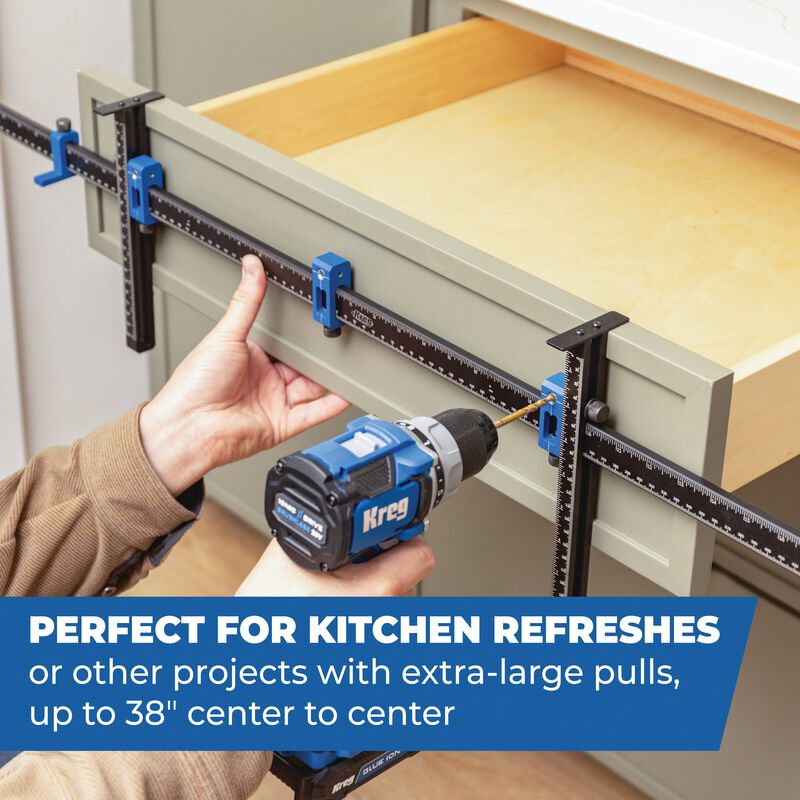
Measure carefully for hardware placement. Use a pencil to mark points on the cabinet. Double-check measurements for symmetry and alignment. Use a center punch to create small indentations. These marks guide the drill and prevent slipping. Accurate marks lead to perfect hardware fitting.
Installation Steps
Installing large cabinet hardware needs careful steps to ensure a perfect fit. Follow each stage closely for strong, neat results. This guide shows simple actions to mount handles and pulls right.
Start by preparing the door or drawer surface. Measure twice to avoid mistakes. Use the right tools and materials for best results.
Drilling Pilot Holes
Mark spots for screws using a pencil. Use a ruler or template for even marks. Drill small pilot holes first. These holes guide screws and stop wood from splitting. Choose a drill bit smaller than screw size.
Attaching Handles And Pulls
Place the hardware over pilot holes. Insert screws through the back side of the door. Tighten screws slowly with a screwdriver. Avoid over-tightening to prevent damage. Check that handles sit firmly without wobbling.
Ensuring Alignment And Spacing
Align handles so they look balanced and straight. Keep equal spacing between handles and edges. Use a level tool for perfect horizontal or vertical lines. Consistent spacing improves cabinet appearance and ease of use.

Credit: www.amazon.com
Troubleshooting Common Issues
Troubleshooting common issues can save time and frustration during cabinet hardware installation. Small problems like misalignment or uneven doors often appear. These issues affect the look and function of your cabinets.
Simple fixes usually solve these problems quickly. Understanding how to adjust hardware helps keep your cabinets neat and strong.
Fixing Misaligned Hardware
Misaligned hardware makes doors hard to open or close. Check if screws are loose or holes are off. Tighten screws first to see if hardware moves into place.
If holes are not aligned, use a filler like wood putty. Drill new holes carefully, using the hardware as a guide. Always measure twice before drilling.
Dealing With Uneven Doors
Uneven doors create gaps and spoil cabinet appearance. Check hinges for loose screws and tighten them. Adjust hinges using screws designed for fine-tuning alignment.
If doors still hang unevenly, use shims behind hinges. Shims help shift the door until it lines up with others. This method fixes minor height or depth differences.
Adjusting For Different Door Thicknesses
Door thickness affects hardware fit and function. Measure door thickness before buying hardware. Choose hardware designed to fit your door size.
Use longer screws for thicker doors. For thin doors, use shorter screws to avoid damage. Adjust hardware placement to keep handles comfortable and functional.
Maintenance Tips
Maintaining large cabinet hardware keeps it working well and looking good. Regular care helps prevent damage and saves money on repairs. Follow these simple tips to keep your hardware in top shape.
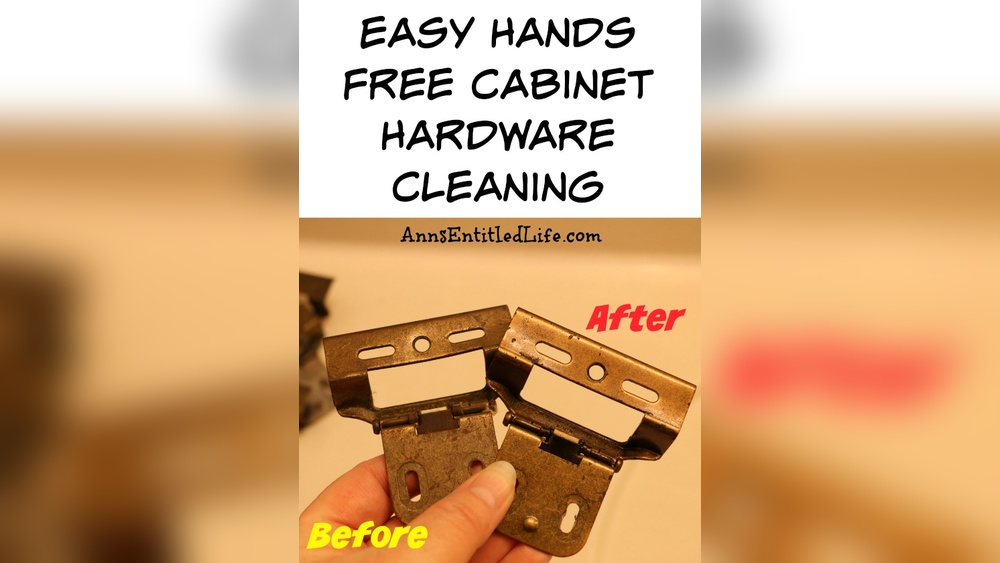
Cleaning And Care
Wipe hardware with a soft, damp cloth to remove dust and dirt. Avoid harsh chemicals that can damage the finish. Use mild soap and water for tougher spots. Dry thoroughly to stop water spots and rust.
Tightening Loose Hardware
Check screws and bolts often to catch looseness early. Use the right screwdriver to tighten them carefully. Avoid overtightening, which can strip screws or damage wood. Regular checks prevent rattling and keep doors secure.
Replacing Damaged Pieces
Remove damaged hardware carefully to avoid harming cabinets. Match new pieces to size and style for a uniform look. Use proper tools to install new hardware securely. Replace worn parts quickly to maintain function and appearance.
Credit: www.kregtool.com
Frequently Asked Questions
What Tools Are Needed To Install Large Cabinet Hardware?
You need a drill, measuring tape, screwdriver, level, pencil, and screws. These tools ensure precise and secure installation.
How Do I Measure For Large Cabinet Hardware Placement?
Measure the cabinet door width and height. Mark the center point for balanced hardware placement. Use a level for accuracy.
Can I Install Large Cabinet Hardware Myself?
Yes, with basic tools and careful measuring, you can install it yourself. Follow step-by-step instructions for best results.
What Screws Work Best For Large Cabinet Hardware?
Use screws that match the hardware’s size and cabinet material. Typically, 8 or 10 wood screws provide strong support.
Conclusion
Installing large cabinet hardware can be simple and quick. Measure carefully and mark spots before drilling. Use the right tools to avoid mistakes. Tighten screws firmly to keep hardware secure. Take your time to ensure a neat look. With patience, your cabinets will look great.
Enjoy the new style and function you added. Small steps make a big difference in your project. Keep practicing, and installation will become easier each time.