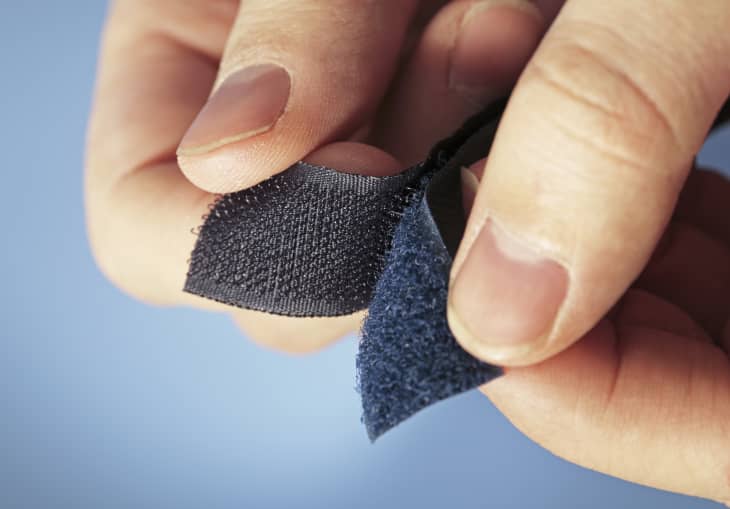
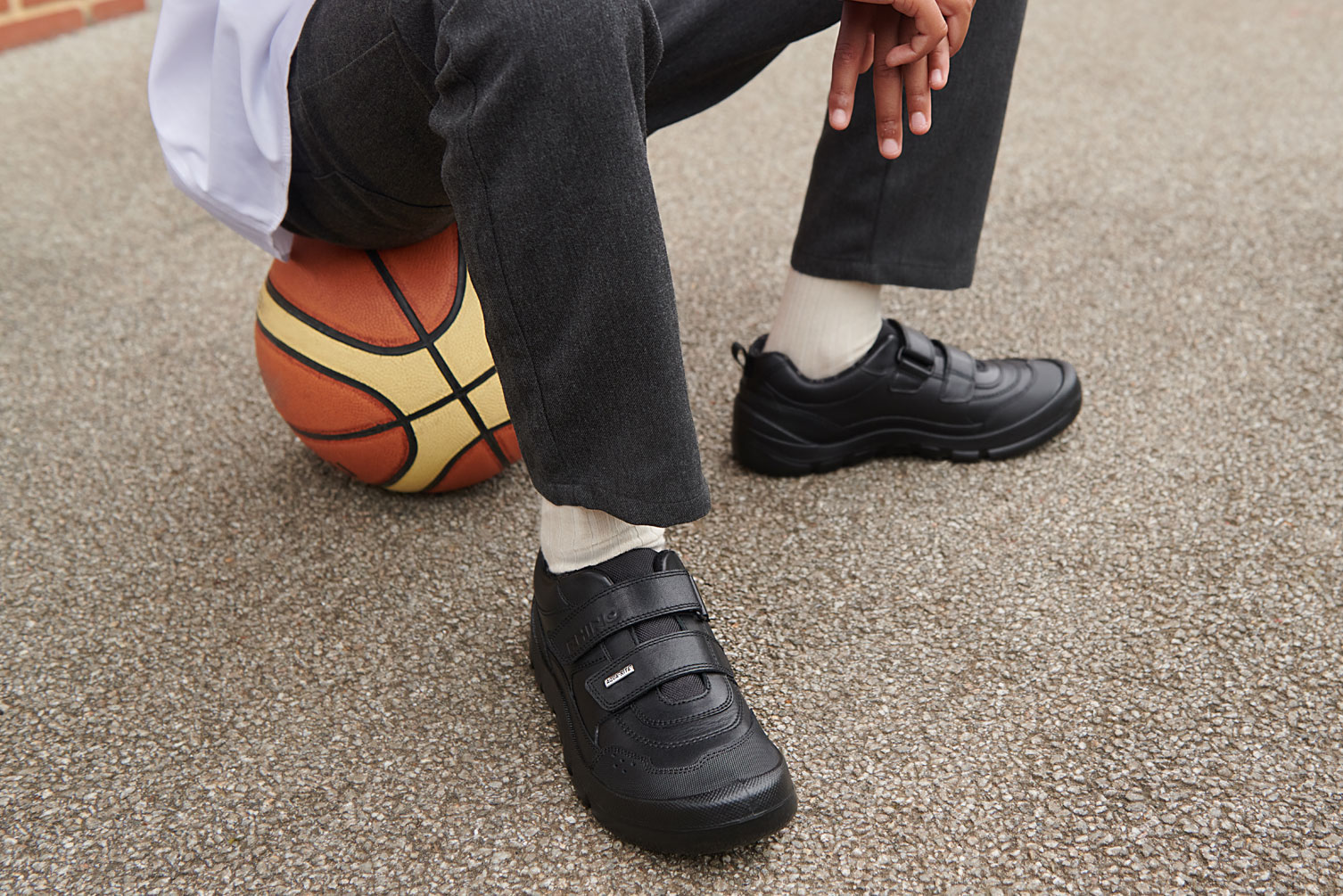
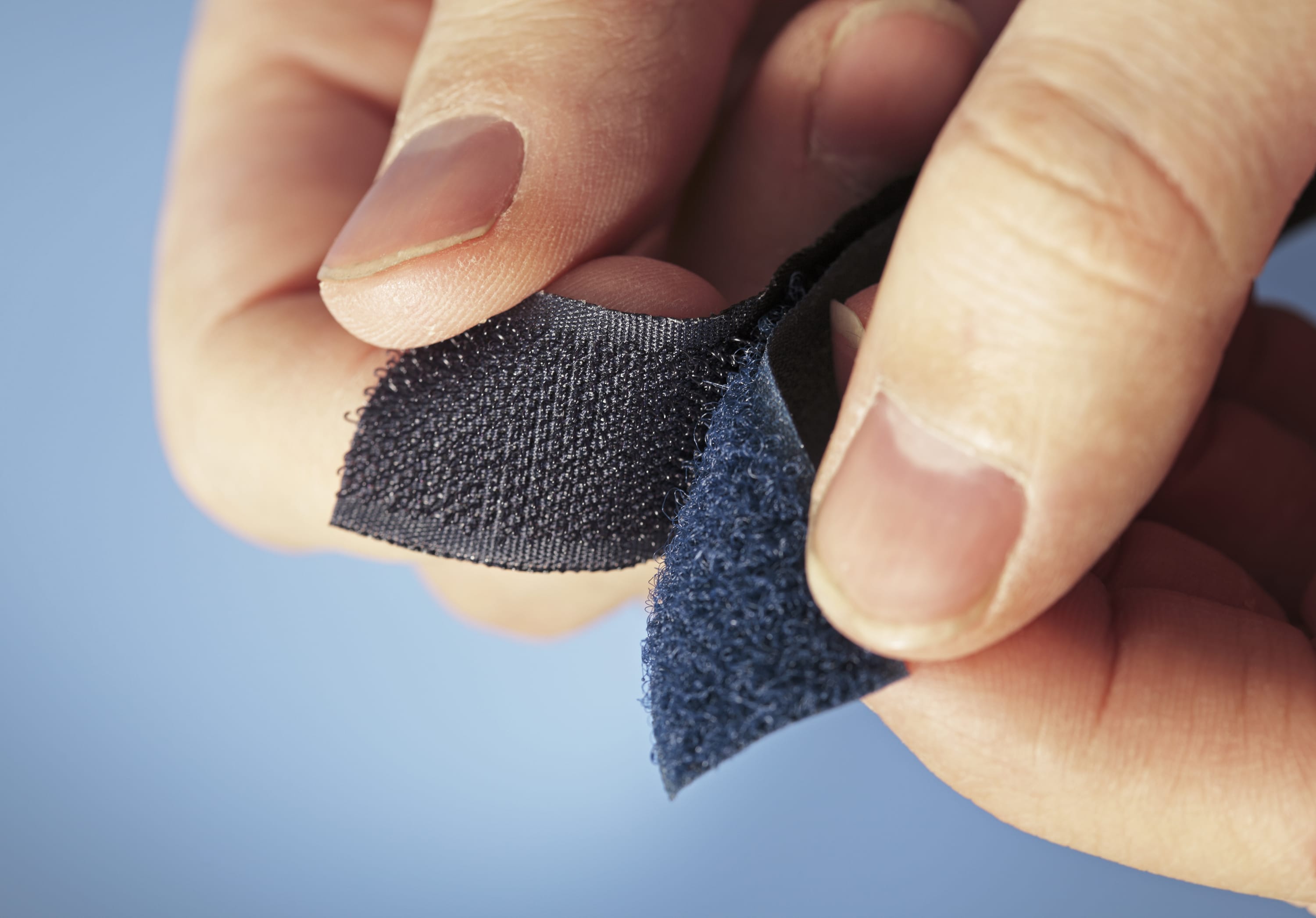
If you use hook and loop fasteners—whether on your shoes, bags, or gear—you know how quickly they can get clogged with dirt, lint, and pet hair. When this happens, your fastener loses its grip and becomes frustrating to use.
But don’t worry—cleaning your hook and loop fastener is easier than you think, and with the right tricks, you can restore its hold like new. In this guide, you’ll discover simple, effective ways to remove debris, tackle sticky residues, and keep your fasteners working perfectly every time.
Ready to bring back that strong, reliable grip? Let’s dive in.
Tools For Cleaning
Cleaning hook and loop fasteners requires the right tools. These tools help remove lint, dirt, and debris effectively. Using proper cleaning tools keeps the fastener working well and extends its life.
Brushes And Combs
A stiff toothbrush or fine-tooth comb works best to clean hook fasteners. Brush in short, firm strokes to lift out dirt and hair. A pet grooming brush also helps remove stubborn debris quickly. Regular brushing prevents buildup and keeps hooks sharp.
Lint Rollers And Tape
Lint rollers pull away loose fibers and dust from both hooks and loops. Press sticky tape firmly onto the fastener and peel it off to remove surface dirt. Repeat until the tape no longer picks up debris. These tools are easy and fast for light cleaning jobs.
Rubbing Alcohol
Rubbing alcohol dissolves sticky residues and oils on the fastener. Apply a small amount on a cotton swab and gently clean affected areas. Avoid soaking the fastener to prevent damage. Alcohol also disinfects, leaving the fastener fresh and clean.
Credit: www.apartmenttherapy.com
Removing Loose Debris
Removing loose debris from hook and loop fasteners is the first step in keeping them clean. Dirt, hair, and lint often get stuck in the hooks. These particles reduce the fastener’s grip and make it less effective. Cleaning these small bits is simple and quick. Using the right tools helps restore the fastener’s function.
Brushing Techniques
Use a stiff toothbrush or a fine-tooth comb to clean the hooks. Brush in short, firm strokes to lift dirt and lint out. A pet brush also works well for removing hair. Brush gently to avoid damaging the fastener. Repeat the process until most debris is gone.
Using A Lint Roller
A lint roller picks up loose particles easily. Roll it over the hook side several times. The sticky surface pulls out dirt and hair. This method is fast and very effective. Replace the roller sheet when it loses stickiness for better results.
Applying Tape
Press a piece of packing or duct tape onto the hook side. Peel it off slowly to remove trapped debris. Repeat as needed with fresh tape pieces. This technique works well for stubborn lint stuck deep in the hooks. It is a cheap and accessible cleaning option.
Handling Sticky Residue
Sticky residue on hook and loop fasteners can make them less effective. This residue often comes from adhesives, dirt, or other sticky substances. Removing it carefully restores the fastener’s grip and extends its life. The following methods help clean this residue without damaging the material.
Using Rubbing Alcohol
Dampen a cotton ball or cloth with rubbing alcohol. Gently rub the sticky area to break down the residue. Alcohol dissolves adhesives without harming the fastener. Avoid soaking the entire fastener to prevent damage. After cleaning, let it dry completely before use.
Scrubbing Tips
Use a soft-bristled brush to scrub the sticky spots. A toothbrush works well for this task. Brush gently to lift away residue without tearing the loops or hooks. Repeat scrubbing and wiping with alcohol as needed. Patience is key to a thorough clean.
Credit: www.startriteshoes.com
Deep Cleaning Methods
Deep cleaning hook and loop fasteners helps restore their grip and extends their life. Dirt, lint, and debris often get stuck in the tiny hooks and loops. Simple brushing removes surface dirt, but deep cleaning removes buildup and sticky residue. Use gentle methods to avoid damage. Below are effective deep cleaning techniques for hook and loop fasteners.
Washing With Soap And Water
Fill a bowl with warm water and add mild soap. Dip a soft brush into the soapy water. Gently scrub the hook and loop fastener to loosen dirt. Avoid harsh scrubbing to prevent damage. Rinse with clean water to remove soap. This method cleans deep dirt and sticky substances safely.
Using Laundry Bags
Place items with hook and loop fasteners inside a laundry bag. The bag protects the fastener during machine washing. Use a gentle cycle with mild detergent. Avoid high heat or harsh chemicals. Laundry bags reduce wear and prevent the fastener from catching on other clothes.
Air-drying Best Practices
After cleaning, air-dry the fastener naturally. Lay flat or hang in a well-ventilated area. Avoid direct sunlight or heat sources like dryers. Heat can warp or weaken the fastener. Air-drying keeps the hooks and loops strong and ready to use.
Maintaining Hook And Loop Fasteners
Maintaining hook and loop fasteners keeps them working well for a long time. Dirt, lint, and pet hair can stick in the hooks and loops. This reduces their grip and makes them less effective. Simple care steps help keep them clean and strong. Follow these easy tips to maintain your fasteners.
Regular Brushing
Brush hook and loop fasteners often to remove dirt. Use a stiff toothbrush or a fine-tooth comb. Brush in short, firm strokes to pull out lint and hair. A pet brush also works well for stubborn debris. Regular brushing stops buildup and keeps the fastener sticky.
Keeping Fasteners Closed
Always close hook and loop fasteners when not in use. This prevents dirt from collecting in the hooks and loops. Closed fasteners avoid catching unwanted materials on other fabrics. Store items with fasteners sealed to keep them clean and ready.
Common Mistakes To Avoid
Cleaning hook and loop fasteners is simple but easy to mess up. Knowing common mistakes helps keep your fasteners working well longer. Avoid errors that can damage the material or reduce its stickiness.
Many people overlook small details that harm the fastener’s performance. Careful cleaning keeps the hooks sharp and the loops free from fuzz. Here are the key mistakes to avoid during cleaning.
Avoiding Heat Damage
Heat can ruin hook and loop fasteners quickly. Avoid using hot water or dryers. High temperatures melt the hooks or warp the loops. Always wash with cold or lukewarm water. Air drying is the safest method. Keep the fastener away from direct sunlight or heaters. Heat weakens the grip and shortens the fastener’s life.
Preventing Lint Build-up
Lint clogs the hooks and reduces stickiness. Avoid ignoring lint on the fastener. Clean regularly to stop buildup. Use a stiff brush or fine comb to remove lint. Sticky tape or a lint roller also works well. Do not use sharp tools that can break the hooks. Keeping the fastener lint-free ensures a strong hold every time.
Tips For Longevity
Maintaining the quality of your hook and loop fasteners extends their life. Simple care steps keep them working well and strong. Follow these tips to avoid damage and maintain grip.
Proper Storage
Store hook and loop fasteners in a clean, dry place. Avoid folding or crushing them under heavy objects. Keep the hook and loop sides closed to prevent dirt buildup. Separate them from sharp items that could snag the material. Proper storage helps keep the fastener clean and effective.
Routine Inspection
Check fasteners regularly for dirt, lint, or damage. Use a soft brush or comb to remove debris gently. Look for worn hooks or loops that may need replacement. Early detection prevents further damage. Routine inspection ensures the fastener stays strong and reliable.
Credit: www.apartmenttherapy.com
Frequently Asked Questions
How To Clean Hook And Loop Fasteners?
Remove debris using a stiff brush, comb, or lint roller. For sticky residue, apply rubbing alcohol and scrub gently. Wash with mild soap and water for deep cleaning. Always air-dry to prevent lint buildup. Keep fasteners closed when not in use to maintain cleanliness.
How Do You Clean Velcro So It Sticks Again?
Use a stiff brush or fine-tooth comb to remove debris from the Velcro hooks. Roll a lint roller or tape over the surface to pick up lint. For sticky residue, dab rubbing alcohol and scrub gently. Wash with mild soap and water if needed, then air-dry completely before use.
How To Make Velcro Sticky Again Without Nail Polish?
Clean Velcro by removing debris with a brush or lint roller. Use rubbing alcohol on sticky spots. Wash with mild soap and air-dry to restore stickiness.
How Do You Clean Fuzz Out Of Velcro?
Use a stiff brush or fine-tooth comb to remove fuzz from Velcro hooks. Roll a lint roller or press tape to lift debris. For sticky spots, dab with rubbing alcohol and scrub gently. Wash with mild soap and water if needed, then air-dry completely.
Conclusion
Cleaning hook and loop fasteners keeps them working well and lasting longer. Use simple tools like brushes and lint rollers for daily care. For tough dirt, rubbing alcohol helps remove sticky spots safely. Washing with mild soap and water refreshes fasteners but always air-dry them afterward.
Regular cleaning prevents buildup and ensures strong grip every time. Small efforts maintain your fasteners’ performance and extend their life. Keep your hook and loop fasteners clean to enjoy hassle-free use. Easy steps make a big difference in fastener upkeep.