If you’ve ever struggled to tighten a bolt just right, you know it’s not as simple as turning it until it feels tight. Applying the correct torque to a fastener is crucial—it ensures your connection is secure without damaging the parts or risking failure.
But how do you know exactly how much torque to use? That’s where knowing how to calculate fastener torque comes in. You’ll discover straightforward methods and formulas that take the guesswork out of tightening bolts and screws. Keep reading, and you’ll gain the confidence to get your fasteners just right every time—saving you time, money, and frustration.
Credit: www.calctool.org
Fastener Torque Basics
Understanding fastener torque is essential for safe and effective assembly. Applying the right torque ensures bolts and screws hold parts securely. Too little torque can cause loosening, while too much can damage components. Learning the basics helps in calculating and applying the correct torque.
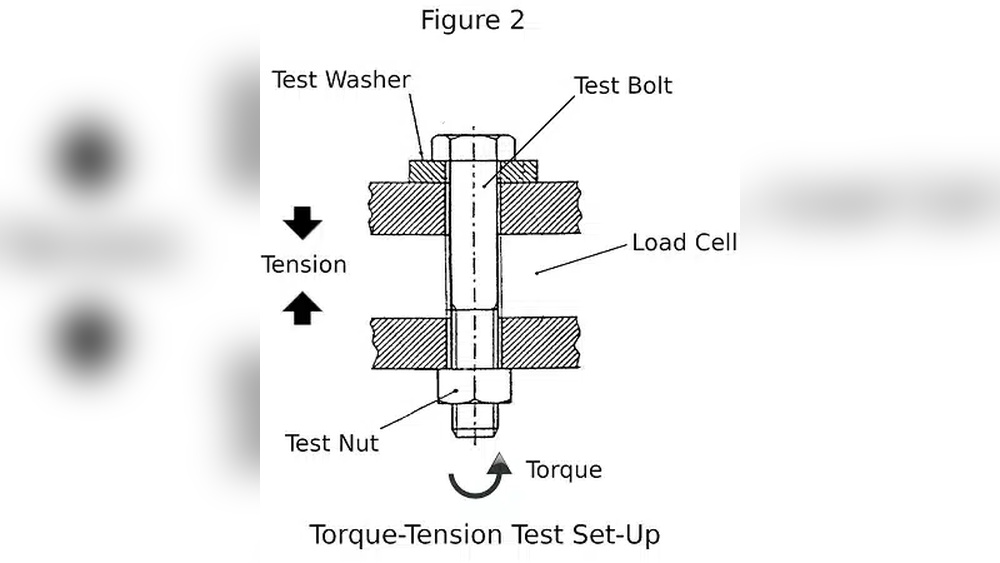
Fastener torque involves force and rotation. It measures how tightly a fastener is turned. This section explains the core concepts and important factors that affect torque values.
Torque Definition And Units
Torque is the twisting force applied to a fastener. It causes the fastener to rotate and clamp parts together. The formula for torque is T = F × r, where F is force and r is the distance from the pivot point.
Torque is measured in units like Newton-meters (Nm) or pound-feet (lb-ft). Newton-meters are common in metric systems, while pound-feet are used in imperial units. Correct units are vital for accurate torque application.
Key Factors Affecting Torque
Several factors influence the torque needed for a fastener. The fastener’s diameter affects the force required to turn it. Larger diameters need more torque.
Friction between the fastener threads and the surface also changes torque. Lubrication can reduce friction and the torque needed. Surface roughness and material type play roles as well.
Lastly, the desired clamping force or preload is important. This force holds parts together and prevents movement. Correct torque ensures the preload is neither too low nor too high.
Essential Torque Formulas
Understanding essential torque formulas is key to calculating fastener torque correctly. Torque affects how tightly a bolt or nut is secured. Accurate torque ensures safety and durability in mechanical assemblies.
These formulas help you estimate the torque needed based on different factors. They also explain how force, friction, and angles affect torque. Learning these basics improves your ability to apply the right torque every time.
Basic Torque Equation
The basic torque equation is simple: T = F × r. Here, T means torque, F is the force applied, and r is the lever arm length. The lever arm is the distance from the pivot point to where the force is applied.
This formula shows that torque increases if you apply more force or increase the lever arm length. It is the starting point for understanding how torque works in fasteners.
Coefficient Of Friction Impact
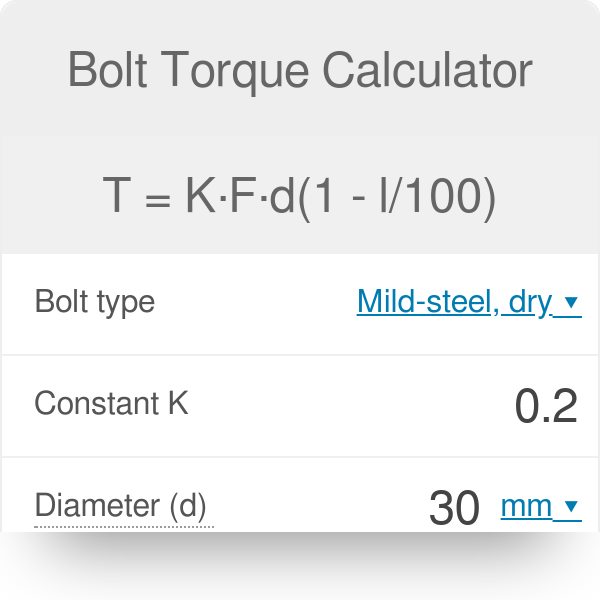
Friction plays a big role in torque calculation. The coefficient of friction, k, affects how much torque is needed to turn a fastener. The formula used is T = k × D × P. Here, D is the fastener diameter, and P is the preload force.
Higher friction means more torque is needed. If friction is ignored, the fastener may be under or over-tightened, risking failure or damage.
Lever Arm And Force Angle
The angle between the force and lever arm changes the effective torque. The full torque formula is τ = r × F × sin(θ). Here, θ is the angle between force direction and lever arm.
If the force is applied at an angle, only the part of the force perpendicular to the lever arm creates torque. When the angle is 90°, sin(θ) equals 1, giving maximum torque.
Calculating Torque Step-by-step
Calculating the torque for fasteners ensures proper tightening and safety. Follow these clear steps to find the correct torque value. Understanding each step helps prevent damage or failure of the fastener.
Measuring Fastener Diameter
Start by measuring the diameter of the fastener. Use a caliper or a ruler for accuracy. Measure the outer thread diameter in millimeters or inches. This size is essential for torque calculation.
Determining Required Torque
Next, find the required torque value for your fastener. Check the manufacturer’s specifications or engineering tables. The torque depends on the fastener size and material strength. Use these values as a guideline.
Using Torque Coefficient
The torque coefficient accounts for friction between the threads. It is usually a number between 0.1 and 0.3. Multiply the fastener diameter, required tension, and torque coefficient to get torque. The formula is T = k × D × P, where T is torque, k is the coefficient, D is diameter, and P is tension.

Credit: www.youtube.com
Tools For Torque Measurement
Measuring torque accurately is crucial to ensure fasteners hold properly without damage. The right tools help apply and check torque values with precision. Various instruments serve different needs and budgets. Understanding these tools aids in selecting the best fit for your task.
Torque Wrenches Types
Torque wrenches come in several types. Click-type wrenches click when the preset torque is reached. Beam wrenches have a scale and pointer for reading torque as you turn. Digital wrenches display torque values on a screen for high accuracy. Each type fits specific jobs and user preferences.
Calibration Importance
Calibration keeps torque tools accurate over time. Without it, readings can drift, causing under or over-tightening. Regular calibration follows standards and ensures reliability. Always check calibration dates before use. Proper calibration improves safety and fastener life.
Marking And Re-tightening Method
Marking fasteners after tightening shows torque status. Use paint or a marker to indicate tightened bolts. This method helps identify loose fasteners during inspections. Re-tightening at set intervals prevents loosening from vibration. It is a simple way to maintain torque integrity.
Ensuring Proper Torque Application
Applying the correct torque to fasteners is vital for safety and performance. Proper torque ensures parts are securely joined without damage. It also prevents loosening during use. Understanding how to identify and maintain the right torque level protects equipment and extends its life.
Using the right tools and techniques improves accuracy. Careful attention to torque avoids common problems like over-tightening or under-tightening. Both can cause failures or costly repairs.
Signs Of Correct Torque
Correct torque tightens the fastener firmly without strain. The joint feels solid and stable. No movement or gaps appear between parts. The fastener head shows no signs of damage or deformation. Torque tools click or stop exactly at the preset value. Parts align perfectly, indicating even pressure. Proper torque helps maintain safety and function.
Avoiding Over-tightening
Over-tightening stretches or damages fasteners and parts. Threads may strip or break under excess force. Metal can deform, causing leaks or cracks. Use calibrated torque wrenches to control force. Stop tightening once the tool signals the target torque. Avoid using impact tools for final tightening. Over-tightening reduces fastener lifespan and risks failure.
Preventing Under-tightening
Under-tightening leaves joints loose and unstable. Vibrations can cause fasteners to back out or loosen. Connections may leak or separate under load. Always follow torque specifications in manuals or datasheets. Check torque with a calibrated wrench after installation. Re-tighten if torque falls below recommended levels. Proper torque prevents accidents and maintains equipment reliability.
Advanced Tips For Precision
Achieving precise fastener torque ensures strong, reliable joints. Advanced tips help improve accuracy beyond basic calculations. These techniques consider factors often overlooked. Precision reduces risks of fastener failure and damage. Focus on adjusting torque for materials, safety factors, and environment.
Adjusting For Material Properties
Materials affect how much torque a fastener needs. Softer metals require less torque to avoid damage. Harder materials can handle higher torque levels safely. Always check the material’s strength and elasticity. Use torque values that match the fastener and the connected parts. Ignoring material differences can cause stripping or loosening.
Using Safety Factors
Include safety factors to protect against unexpected stresses. Safety factors add a margin to the calculated torque value. They compensate for variations in material quality and load conditions. Common safety factors range from 1.25 to 2 times the basic torque. Using safety factors prevents joint failure under real working loads.
Impact Of Environmental Conditions
Environmental factors influence torque accuracy and fastener performance. Temperature changes can expand or contract materials, altering torque tension. Corrosion or dirt on threads increases friction, requiring torque adjustments. Moisture or chemicals may weaken fasteners over time. Regular inspection and recalibration help maintain correct torque in tough conditions.

Credit: www.youtube.com
Frequently Asked Questions
What Is The Formula For Fastener Torque?
The fastener torque formula is T = k × D × P, where T is torque, k is friction coefficient, D is diameter, and P is preload.
What Is The Formula For Calculating Torque?
The torque formula is τ = r × F × sin(θ), where τ is torque, r is lever arm length, F is force, and θ is the angle.
How To Check Torque On A Fastener?
Use a calibrated torque wrench to tighten the fastener to the specified value. Check torque by aligning markings after loosening and retightening.
What Is A Fastener Torqued Correctly?
A fastener torqued correctly reaches the specified torque value, ensuring proper clamping force without damage. Use a torque wrench for accuracy.
Conclusion
Calculating fastener torque ensures bolts hold parts securely. Use the right formula and measure carefully. Always consider the fastener size and friction coefficient. Proper torque prevents damage and keeps machines safe. Practice these steps to tighten bolts correctly every time.
Good torque control improves performance and avoids costly repairs. Keep tools calibrated and check torque regularly. Simple math and careful work make a big difference.