
Is your kitchen feeling outdated because of old, worn cabinet hardware? You don’t have to replace the entire kitchen to give it a fresh new look.
Refinishing your kitchen cabinet hardware is an easy, affordable way to transform your space and add a touch of style. Whether your knobs and pulls are scratched, faded, or just plain dull, this simple project can make them look brand new again.
Ready to learn how to refinish kitchen cabinet hardware step-by-step and bring new life to your kitchen? Keep reading, and you’ll discover the best tips and tricks to get professional-looking results without breaking the bank.

Credit: www.youtube.com
Gather Supplies
Preparing the surface is the first important step in refinishing kitchen cabinet hardware. This step ensures the new finish sticks well and looks smooth. Proper surface preparation removes old paint, dirt, and oils that can prevent proper adhesion. Taking time here saves effort later and improves the final result.
Light Sanding Techniques
Light sanding removes the old finish without damaging the hardware. Use fine-grit sandpaper, around 220 grit. Sand gently in circular motions to avoid scratches. Focus on areas with chipped paint or rough spots. Sanding creates a slightly rough surface that helps paint or finish stick better.
Wipe Away Dust
After sanding, dust and particles cover the hardware. Use a clean, damp cloth to wipe away dust completely. Avoid leaving any residue or moisture. Let the hardware dry fully before applying primer or paint. Removing dust helps avoid bumps and uneven finishes in the next steps.

Credit: porchdaydreamer.com
Remove Hardware
Applying primer is a key step in refinishing kitchen cabinet hardware. It creates a smooth base for paint to stick to. Primer helps prevent rust and ensures the finish lasts longer. Skipping this step can cause uneven color and peeling later.
Choose Suitable Primer
Pick a primer made for metal surfaces. Look for rust-inhibiting formulas. Spray primers work best for small hardware pieces. They cover tight spots evenly. Water-based primers dry quickly and are easy to clean. Oil-based primers offer strong adhesion but take longer to dry.
Even Coating Tips
Apply primer in thin, light coats. Hold the spray can about 8 to 12 inches away. Move your hand steadily to avoid drips. Let each coat dry fully before applying the next. Two to three coats usually give the best coverage. Avoid heavy layers that can hide details or cause runs.
Clean Thoroughly
Painting your kitchen cabinet hardware is a simple way to refresh its look. It can give old knobs and pulls a brand-new finish without buying replacements. Proper painting protects the hardware and ensures a smooth, lasting surface. Choose the right paint and apply it carefully for the best results.
Use Spray Paint Or Brush
Spray paint offers an even coat and saves time. It reaches small details easily, creating a smooth finish. Choose spray paint made for metal surfaces to avoid chipping.
Using a brush allows more control over the paint. It works well for small areas or if you want a textured look. Use a soft, fine brush to avoid streaks and bubbles.
Multiple Thin Layers
Apply several thin paint layers instead of one thick coat. Thin layers dry faster and reduce drips or runs. Let each layer dry fully before adding the next.
This technique builds a durable surface and avoids peeling. Multiple thin coats create a richer color and better protection. Take time and patience for the best finish.
Prepare Surface
After refinishing your kitchen cabinet hardware, sealing and protecting the finish is crucial. This step preserves your hard work and keeps the hardware looking fresh. A good seal prevents scratches, tarnish, and moisture damage. It also adds shine and durability to your hardware. Follow simple steps to choose and apply the right sealer for lasting results.
Select Clear Sealer
Pick a clear sealer that matches your hardware type. For metal knobs and pulls, a clear lacquer or polyurethane works well. These sealers dry fast and offer strong protection. Choose a spray sealer for even coverage and ease of use. Make sure the sealer is non-yellowing to keep the original finish. Read product labels to confirm suitability for kitchen use.
Apply For Durability
Apply the clear sealer in thin, light coats. Hold the spray can about 6 to 8 inches away from the hardware. Spray evenly to avoid drips and bubbles. Let each coat dry fully before adding another. Usually, two to three coats give the best protection. After sealing, allow the hardware to cure for 24 hours. This step ensures the finish is tough and long-lasting.
Apply Primer
The curing time is a crucial step in refinishing kitchen cabinet hardware. It allows the paint or finish to harden fully. This step ensures durability and a smooth look. Rushing this process can cause smudges or chips. Patience here pays off with a professional result.
Allow Proper Drying
After applying the finish, set the hardware on a clean surface. Keep them in a dust-free area with good air flow. Let the pieces dry for at least 24 hours. Some paints or sealers need even longer. Check the product label for exact drying times. Avoid stacking or touching the items during this period.
Avoid Handling Early
Hold off on reinstalling or using the hardware until fully cured. Handling too soon can leave fingerprints or damage the finish. Even slight pressure can cause dents or scratches. Use gloves if you must move the pieces. Wait at least 48 hours for best results. This careful approach protects your hard work.
Paint Hardware
Reinstalling your kitchen cabinet hardware completes the refinishing project. This step requires care to keep everything aligned and secure. Proper reinstallation ensures your cabinets look polished and function well.
Match Labels To Doors
Match each hardware piece to its correct door or drawer. Labels help avoid confusion during reinstallation. Check the numbers or marks you made before removing the hardware. This saves time and keeps your kitchen organized.
Secure Screws Firmly
Use a screwdriver to tighten screws firmly but gently. Avoid over-tightening to prevent stripping the holes. Make sure each piece feels secure and does not wiggle. Properly secured hardware lasts longer and works smoothly.
Seal And Protect
Proper maintenance keeps your refinished kitchen cabinet hardware looking fresh. Regular care prevents chips, scratches, and dullness. Small efforts extend the life of your hardware and preserve its beauty.
Cleaning Painted Hardware
Use a soft cloth with mild soap and water to clean painted hardware. Avoid harsh chemicals or abrasive scrubbing pads. Gently wipe to remove dirt and grease without damaging the paint. Dry with a clean, soft towel to prevent water spots.
Clean hardware regularly to stop buildup that can wear down the finish. Light cleaning after cooking or daily use keeps the paint intact. Handle your hardware with care to avoid scratches and chips.
Touch-up Techniques
Keep matching paint on hand for quick touch-ups. Small chips or scratches can appear over time, but fixing them fast stops further damage. Use a fine brush to apply paint only to the damaged area.
Allow the touch-up paint to dry fully before using the hardware. For best results, lightly sand rough edges before painting. Touch-ups maintain a smooth, uniform look and keep hardware looking new longer.
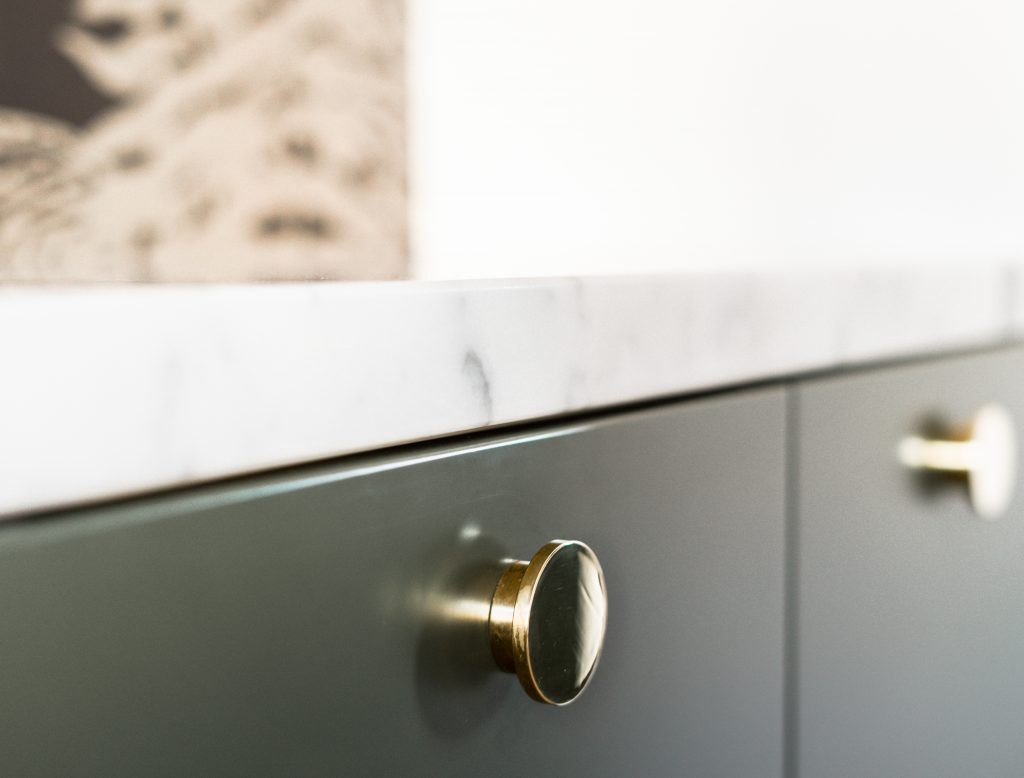
Credit: www.fastcabinetdoors.com
Frequently Asked Questions
How Do I Make My Cabinet Hardware Look New?
Remove hardware, clean with degreaser, rinse and dry. Apply primer, paint, then sealer. Let cure fully for a fresh look.
How To Refinish Kitchen Hardware?
Remove hardware, clean with degreaser, rinse and dry. Apply primer, paint with spray or brush, then seal. Let cure fully before reinstalling.
Can You Refinish Metal Hardware?
Yes, you can refinish metal hardware by cleaning, sanding, priming, painting, and sealing it for a fresh look.
Can You Use Rub And Buff On Hardware?
Yes, Rub and Buff works well on hardware, especially on pieces rarely touched. Avoid using it on high-touch areas like door handles.
Conclusion
Refinishing your kitchen cabinet hardware saves money and refreshes your space. Clean, sand, and prime each piece carefully for best results. Choose paint that matches your kitchen style and use thin coats to avoid drips. Let the hardware dry fully before reinstalling.
Small updates like this bring big changes without much effort. Enjoy your renewed kitchen look with hardware that shines like new.


