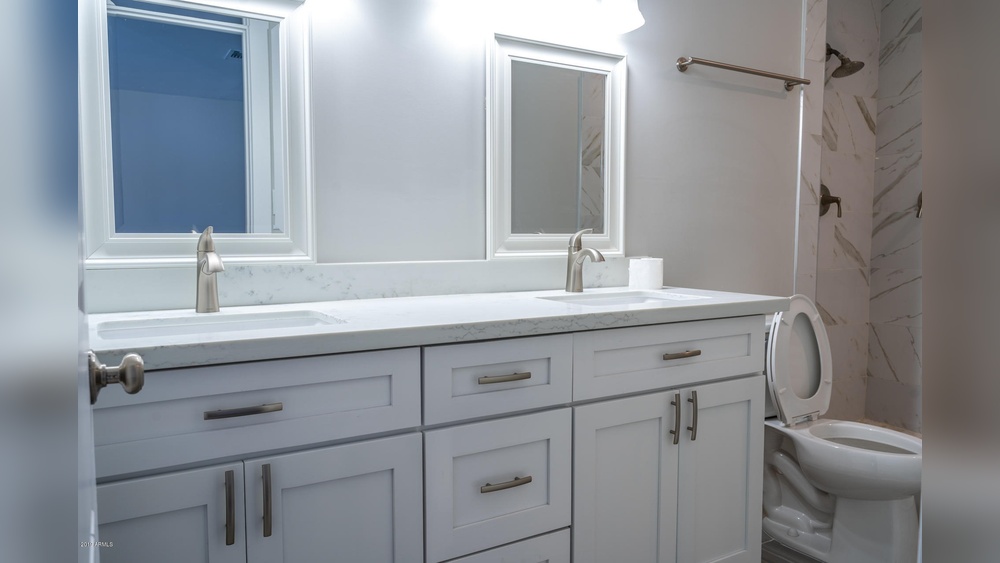
Are your cabinet handles looking dull or sticky? You might be wondering if vinegar can clean cabinet hardware effectively without causing damage.
If you want a simple, natural way to restore the shine and remove grime, you’re in the right place. This article will reveal how vinegar works on your cabinet hardware and what you need to know before using it. Keep reading to discover a quick and safe cleaning trick that could save you time and money!
Why Use Vinegar For Cleaning
Vinegar is a popular choice for cleaning cabinet hardware. It works well to remove dirt, grease, and grime. Many people prefer it because it is simple and natural. Vinegar does not contain harsh chemicals. It cleans effectively without damaging surfaces.
Natural Cleaning Benefits
Vinegar is made from acetic acid, a natural ingredient. It breaks down grease and buildup easily. It kills some types of bacteria and mold. Using vinegar means fewer chemicals in your home. It is biodegradable and safe for the environment. You can clean many surfaces with just vinegar and water.
Safe For Most Materials
Vinegar is gentle on metals like brass, chrome, and stainless steel. It removes tarnish without scratching. It also works well on plastic and glass knobs. Avoid using vinegar on natural stone or waxed wood. Test a small spot first to be sure. Vinegar cleans without leaving strong smells or residue.
:max_bytes(150000):strip_icc()/how-to-clean-wood-kitchen-cabinets-0123-2000-641e7e2dcbdc4518a80417c66e2e9194.jpg)
Credit: www.marthastewart.com
Types Of Cabinet Hardware
Cabinet hardware comes in many types. Each type has unique features and cleaning needs. Understanding these types helps keep your cabinets looking fresh and new. Below are the main types of cabinet hardware and how vinegar works on them.
Metal Hardware
Metal hardware is common in many kitchens and bathrooms. It includes handles, knobs, and hinges made of steel, brass, or aluminum. Vinegar is effective for cleaning metal because it removes dirt and grease. It also helps shine the metal without harsh chemicals. Always test vinegar on a small area first to avoid damage.
Wooden Hardware
Wooden hardware offers a natural look. It can be carved knobs or decorative accents. Vinegar can clean wooden hardware but must be diluted with water. Pure vinegar can dry out the wood and cause damage. A gentle wipe with a vinegar solution can remove dirt and bacteria safely.
Plastic Hardware
Plastic hardware is lightweight and affordable. It often appears in modern and budget-friendly cabinets. Vinegar is safe for plastic surfaces and removes grime easily. Use a soft cloth soaked in vinegar to clean plastic hardware. Avoid abrasive scrubbing to prevent scratches.
Preparing Vinegar Cleaning Solution
Preparing a vinegar cleaning solution for cabinet hardware is simple and effective. Vinegar works well to remove grime and buildup without harsh chemicals. It is safe for many types of cabinet hardware but requires proper dilution. Mixing the right amount of vinegar and water ensures a gentle yet powerful cleaner. You can also add natural scents to make the solution more pleasant. This section explains how to prepare the vinegar solution correctly.
Dilution Ratios
Use a 1:1 ratio of white vinegar to water for general cleaning. This means equal parts vinegar and water in a spray bottle or bowl. For delicate or antique hardware, dilute more by using 1 part vinegar to 2 parts water. Always test the solution on a small, hidden area first. This prevents damage or discoloration. Proper dilution keeps hardware safe and helps clean effectively.
Adding Essential Oils
Add 5 to 10 drops of essential oils to the vinegar solution. Oils like lemon, lavender, or tea tree improve the smell. They also add natural antibacterial properties. Stir the solution well after adding oils. The scent helps mask vinegar’s strong odor. Essential oils make cleaning a fresher experience and add a touch of natural care.
:strip_icc()/cleaning-tips-how-to-clean-your-home-with-vinegar-01-fbf462dbe68b4f62b8ad61e3fd63b72b.jpg)
Credit: www.bhg.com
Step-by-step Cleaning Process
Cleaning cabinet hardware with vinegar is simple and effective. Follow these steps to get shiny, clean handles and knobs. The process is safe and uses common household items. It removes dirt and grime without harsh chemicals.
Removing Hardware Safely
Start by turning off the cabinet doors gently. Use a screwdriver to unscrew the hardware. Place screws and knobs in a small bowl to keep them safe. Handle pieces carefully to avoid damage or scratches.
Applying Vinegar Solution
Mix equal parts white vinegar and water in a bowl. Soak a soft cloth or sponge in the solution. Wipe each piece of hardware thoroughly. For tough stains, let the hardware soak in vinegar for 10 minutes. The vinegar breaks down grease and dirt effectively.
Rinsing And Drying
Rinse hardware under warm water to remove vinegar and grime. Use a clean cloth to dry each piece completely. Drying prevents water spots and rust. Once dry, reattach the hardware to your cabinets carefully.
Precautions And Limitations
Vinegar is a popular natural cleaner for cabinet hardware. It removes dirt and grime well. Still, it is important to know its limits. Using vinegar without care can cause damage. This section covers key precautions and when to avoid vinegar.
Avoiding Damage To Sensitive Materials
Cabinet hardware comes in many materials. Some metals like brass or aluminum can react badly with vinegar. Vinegar’s acidity may dull or corrode these surfaces. Avoid soaking delicate pieces in vinegar. Instead, use a soft cloth dampened with diluted vinegar. Always test on a small hidden area first. Rinse and dry hardware thoroughly after cleaning. This step prevents vinegar from sitting too long and causing harm.
When Not To Use Vinegar
Never use vinegar on natural stone or marble hardware. The acid can etch and ruin the surface. Avoid vinegar on wood cabinets with finished or painted hardware. It may strip paint or finish. Also, stay away from vinegar on electronic or battery-operated hardware parts. Water and acid can damage these components. Choose gentler cleaners for these materials to keep hardware safe and looking good.
Alternative Cleaning Methods
Cleaning cabinet hardware can be tricky. Vinegar is popular, but it may not work for all finishes. Alternative cleaning methods can help keep your hardware shiny and safe. These methods include commercial cleaners and natural options. Both have benefits and drawbacks. Choose the one that fits your needs and hardware type.
Commercial Cleaners
Commercial cleaners are made specifically for metals. They often remove grease, dirt, and tarnish quickly. Some products work on brass, chrome, or nickel finishes. Always read the label to ensure the cleaner suits your hardware. Use gloves to protect your skin. Test a small area first to avoid damage.
Natural Alternatives
Natural alternatives use ingredients found at home. Baking soda mixed with water creates a gentle paste. It can scrub away grime without harsh chemicals. Lemon juice and olive oil work well for polishing. These options are safer for delicate finishes. They also reduce chemical exposure and waste. Natural cleaners need more effort but are eco-friendly and gentle.
Maintaining Clean Cabinet Hardware
Maintaining clean cabinet hardware keeps your kitchen or bathroom looking fresh. Dirt and grease can build up on handles and knobs. Regular care helps hardware last longer and look new.
Regular Cleaning Tips
Wipe hardware with a soft cloth every few days. Use warm water mixed with mild soap for better cleaning. Avoid harsh cleaners that can damage the finish. Dry thoroughly to stop water spots and rust. For tough grime, use a soft toothbrush gently. Clean hardware before it gets too dirty for easy upkeep.
Protective Coatings
Applying a protective coating can keep hardware shiny and clean. Use a clear wax or polish made for metal surfaces. This layer blocks dirt and moisture. Reapply the coating every few months. It also prevents scratches and rust. Always test coating on a small spot first. Protecting hardware reduces the need for deep cleaning.
Credit: hapnyhome.com
Frequently Asked Questions
Can Vinegar Safely Clean Cabinet Hardware?
Yes, vinegar is a safe and natural cleaner for most cabinet hardware. It effectively removes grime and tarnish without harsh chemicals. However, avoid using vinegar on hardware with delicate finishes, as it may cause damage or discoloration over time.
How Do I Use Vinegar To Clean Cabinet Hardware?
Mix equal parts white vinegar and water in a spray bottle. Spray onto hardware, let sit for 5 minutes, then wipe with a soft cloth. For stubborn grime, gently scrub with a toothbrush. Rinse with water and dry thoroughly to prevent damage.
Will Vinegar Damage Metal Cabinet Handles?
Vinegar is generally safe for metals like brass, stainless steel, and chrome. However, prolonged exposure can corrode softer metals or finishes. Always test on a small, hidden area first and avoid soaking hardware in vinegar to prevent damage.
Can Vinegar Remove Rust From Cabinet Hardware?
Yes, vinegar’s acidity can dissolve light rust on metal hardware. Soak the rusty parts in vinegar for a few hours, then scrub gently with a brush. Rinse and dry completely to stop further rusting and restore the hardware’s appearance.
Conclusion
Vinegar can clean cabinet hardware safely and effectively. It removes dirt, grease, and grime without harsh chemicals. Always test vinegar on a small area first. Avoid using vinegar on delicate finishes or metals that may corrode. A soft cloth or brush helps clean hard-to-reach spots.
Regular cleaning keeps hardware looking fresh and new. Simple, natural, and affordable—vinegar works well for many cabinets. Try it and see the difference yourself.