
Are you tired of struggling with loose parts or shaky furniture? Knowing how to use a fastener the right way can save you time, frustration, and even money.
Whether you’re fixing something around the house or working on a DIY project, mastering this simple skill will make your work stronger and more reliable. You’ll discover easy steps and tips that anyone can follow, no matter your experience level.
Keep reading to unlock the secrets that will make your projects stick together perfectly every time.
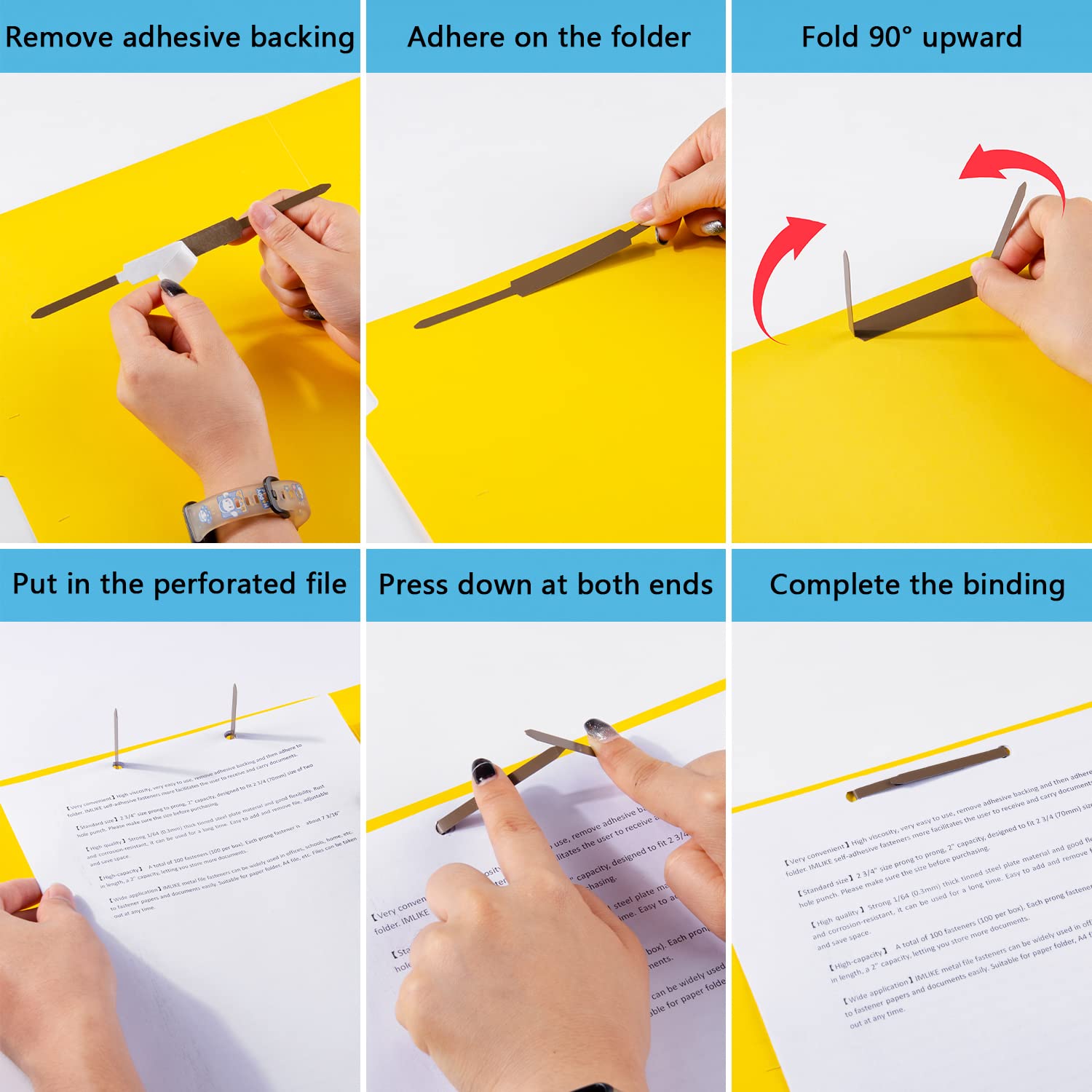
Credit: www.amazon.sa
Types Of Fasteners
Fasteners hold objects together. They are essential in building and fixing things. Different projects need different fasteners. Knowing the types helps you pick the right one. This section explains the common types of fasteners.
Screws And Bolts
Screws have a sharp point and spiral threads. They dig into materials like wood or plastic. Screws can be removed and reused. Bolts have flat ends and need nuts to tighten. They are strong and used for heavy parts. Both provide firm and lasting holds.
Nails And Pins
Nails are thin metal rods with a flat head. They are hammered into wood to join pieces. Nails are quick to use but harder to remove. Pins are smaller and used for light holding tasks. Both are simple and effective for many projects.
Rivets And Clips
Rivets join materials permanently by expanding inside holes. They are common in metal and plastic work. Clips hold parts together without damage. They are easy to attach and remove. Rivets and clips offer strong and flexible fastening options.
Choosing The Right Fastener
Choosing the right fastener is key to any project’s success. The wrong fastener can cause damage or fail over time. Picking the right one depends on several factors. Knowing these helps ensure strong and lasting connections.
Material Compatibility
Fasteners must match the materials they join. Some metals react badly together. This can cause rust or corrosion. Use fasteners made from materials like stainless steel for metal parts. For wood, choose nails or screws designed for wood. This prevents damage and keeps joints secure.
Load And Strength Requirements
Fasteners must handle the weight and force on the joint. Heavy loads need strong bolts or screws. Small loads may only need light nails. Check the weight the fastener can hold. Use stronger fasteners for safety and durability.
Environmental Considerations
Think about where the fastener will be used. Outdoor fasteners face rain, sun, and cold. Use weather-resistant materials like galvanized or stainless steel. Indoor fasteners can be less resistant. Avoid rust and wear by choosing the right type for the environment.
Tools Needed For Fastening
Fastening requires the right tools to do the job well. Choosing the correct tools makes the process easier and safer. Different fasteners need different tools to work properly.
Some tools work by hand, while others use power. Certain jobs need special equipment to handle unique fasteners. Understanding these tools helps you pick the best one for your task.
Hand Tools
Hand tools are simple and easy to use. Screwdrivers, wrenches, and pliers are common examples. They work well for small jobs and tight spaces. Hand tools give good control and precision during fastening.
Power Tools
Power tools save time and effort. Electric drills and impact drivers speed up fastening. They handle tougher materials and larger fasteners easily. Power tools need a power source like batteries or cords.
Specialized Equipment
Some fasteners need special tools for proper installation. Rivet guns, torque wrenches, and nail guns fit this need. These tools ensure strong and secure fastening. Using the right specialized tool avoids damage to materials.
Credit: theblogstar-94.webself.net
Preparation Before Fastening
Proper preparation makes fastening easier and stronger. It helps avoid mistakes and damage. Taking time to prepare ensures a clean, precise, and secure hold. Follow these key steps before using any fastener.
Surface Cleaning
Clean the area where you will fasten. Remove dust, dirt, grease, or rust. Use a cloth or brush for cleaning. A clean surface helps the fastener grip better. It stops slipping and loosening over time.
Pre-drilling Techniques
Pre-drill holes for screws and bolts. Use a drill bit slightly smaller than the fastener. This prevents wood or material from splitting. It also guides the fastener into place. Pre-drilling saves effort and keeps the job neat.
Measuring And Marking
Measure carefully before fastening. Mark the exact spot with a pencil or marker. Double-check measurements to avoid errors. Clear marks help guide drilling or nailing. Accurate marking ensures parts fit together well.
Step-by-step Fastening Process
The step-by-step fastening process is important for a strong hold. It ensures parts fit well and stay secure. Following clear steps helps avoid mistakes and saves time.
This process includes aligning parts, inserting fasteners, and checking tightness. Each step plays a key role in the overall strength of the connection. Careful work here prevents future problems.
Aligning Components
Start by placing the parts in the right position. Check that holes line up perfectly. Misaligned parts can cause weak joints or damage. Use clamps or supports to hold parts steady if needed.
Inserting And Driving Fasteners
Choose the correct fastener type and size for your project. Insert the fastener into the aligned holes carefully. Use the proper tool to drive it in straight. Avoid forcing or tilting the fastener to prevent damage.
Checking Tightness
After fastening, check how tight the fastener is. Use a torque wrench or hand tool for accuracy. Tighten until firm but avoid over-tightening. Loose fasteners may fall out, and too much force can strip threads.
Common Mistakes To Avoid
Using fasteners correctly is key for strong and safe projects. Small errors can cause big problems. Avoid these common mistakes to ensure your fasteners work well and last longer.
Over-tightening
Too much force can damage fasteners and the materials. Over-tightening may strip threads or crack surfaces. Tighten just enough to hold parts firmly without forcing.
Using Wrong Fastener Size
Fasteners come in many sizes for a reason. Using too small or large fasteners weakens the joint. Always choose the correct size for your specific task.
Ignoring Material Properties
Different materials react differently to fasteners. Soft materials need gentle handling to avoid damage. Hard materials may require stronger fasteners. Match the fastener to the material type.
Maintenance And Inspection
Proper maintenance and inspection of fasteners are vital for safety and durability. Regular care keeps fasteners working well and prevents accidents. Neglect can lead to failures and costly repairs. Simple checks and timely replacements extend the life of fasteners and the structures they hold together.
Regular Checks
Check fasteners often for signs of wear or damage. Look for loose, bent, or cracked parts. Tighten any loose fasteners carefully. Make sure they fit correctly and hold firmly. Regular checks catch problems early before they grow worse.
Replacing Worn Fasteners
Remove fasteners that show rust, cracks, or stripping. Replace them with the same type and size. Using worn fasteners risks joint failure and safety hazards. Keep spare fasteners handy for quick replacements. Proper replacement ensures strong, secure connections.
Corrosion Prevention
Protect fasteners from rust by keeping them dry and clean. Use anti-corrosion sprays or coatings when needed. Avoid exposing fasteners to harsh chemicals or salty air. Corrosion weakens fasteners and reduces their holding power. Prevent corrosion to keep fasteners reliable and long-lasting.
Advanced Fastening Techniques
Advanced fastening techniques improve the strength and reliability of your projects. These methods help prevent loosening, damage, and failure. Using the right technique makes your fasteners last longer. It also ensures safety and stability in assemblies.
Thread Locking Methods
Thread locking prevents screws or bolts from coming loose. Apply a thread-locking fluid or paste to the fastener threads. This fluid hardens and keeps the fastener tight. Choose the right strength based on your project’s needs. Some thread lockers allow easy removal, while others are permanent.
Use Of Washers And Spacers
Washers spread the load of the fastener over a larger area. They protect surfaces from damage and prevent loosening. Use flat washers under the fastener head or nut. Spacers create space between parts and align components. Both washers and spacers improve fastening stability and accuracy.
Torque Specifications
Torque is the amount of force used to tighten fasteners. Using the correct torque prevents over-tightening or under-tightening. Over-tightening can strip threads or break fasteners. Under-tightening may cause parts to loosen or separate. Use a torque wrench to apply the correct force every time.

Credit: m.made-in-china.com
Frequently Asked Questions
What Are The Basic Types Of Fasteners?
Fasteners include screws, bolts, nuts, washers, and rivets. Each type serves a unique purpose for joining materials securely.
How Do You Choose The Right Fastener?
Select fasteners based on material type, load requirements, and environment. Consider size, strength, and corrosion resistance for durability.
Can I Reuse Fasteners Safely?
Reusing fasteners depends on their condition. Inspect for damage or wear; if intact, reuse is generally safe and cost-effective.
What Tools Do I Need For Fastener Installation?
Common tools include screwdrivers, wrenches, pliers, and drills. Choose tools matching the fastener type for proper installation.
Conclusion
Using a fastener correctly makes your work stronger and safer. Choose the right type for your project. Tighten it properly to avoid loosening. Check your work often to keep everything secure. Small steps can make a big difference. Practice helps you get better each time.
Now, you can handle fasteners with more confidence. Keep these tips in mind for your next task.

