Have you ever wondered how machines, buildings, and everyday objects stay firmly together? The secret lies in something small but incredibly important: fasteners.
In engineering, fasteners play a key role in holding parts securely, ensuring everything works smoothly and safely. Understanding what a fastener is can change the way you see the world around you—and might even help you tackle your next project with confidence.
Keep reading to discover how these tiny components make a big difference in engineering.
Credit: www.huyett.com
Fasteners In Engineering
Fasteners are small but essential parts in engineering. They hold pieces of a machine together. Without fasteners, machines would not work properly. They keep parts connected firmly and safely. Fasteners are used in cars, bridges, electronics, and many other fields.
Role In Mechanical Assemblies
Fasteners join parts to form a complete machine. They allow easy assembly and disassembly. This helps in repair and maintenance. Fasteners ensure parts stay aligned and stable. They carry loads and resist movement between parts. Without fasteners, machines could fall apart or fail.
Materials Used
Fasteners are made from metals like steel and aluminum. Steel is strong and used often. Aluminum is light and resists rust. Some fasteners use brass or plastic for special needs. The material choice depends on strength and environment. Corrosion resistance is important in outdoor or wet areas.
Common Shapes And Sizes
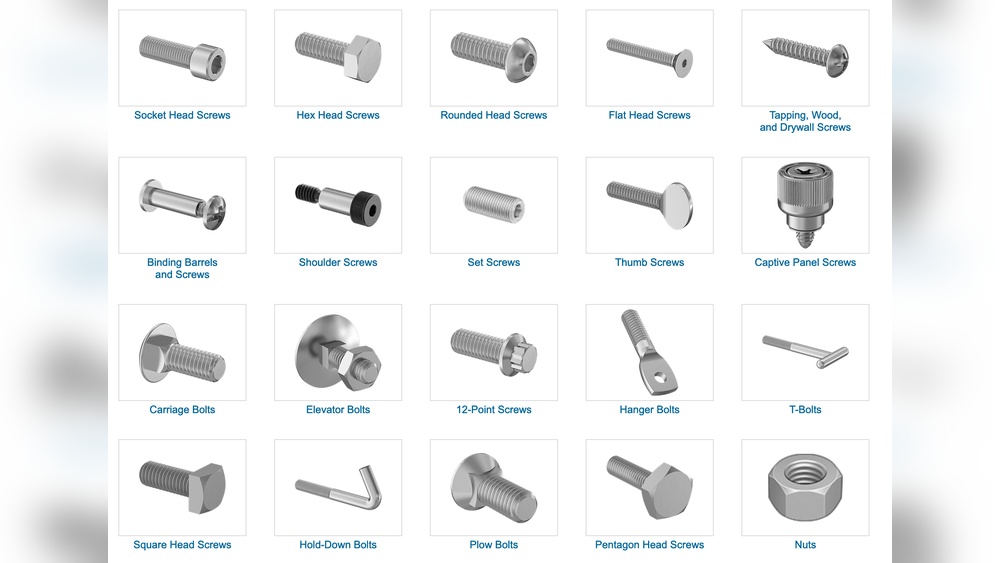
Fasteners come in many shapes and sizes. Screws, bolts, nuts, and washers are common types. Screws have pointed ends to dig into materials. Bolts need nuts to hold parts tightly. Washers spread the load and protect surfaces. Sizes vary to fit different parts and loads.
Types Of Fasteners
Fasteners hold parts together in machines, buildings, and many devices. They come in different shapes and sizes. Each type has a special job. Choosing the right fastener is key for strong and safe connections.
Bolts And Screws
Bolts and screws join two or more parts tightly. Bolts need nuts to hold parts. Screws cut their own threads in materials. Both are easy to install and remove. They work well in metal, wood, and plastic.
Nuts And Washers
Nuts fasten onto bolts to lock parts in place. Washers spread the load evenly and protect surfaces. They stop nuts from loosening due to vibration. Together, they improve the strength of joints.
Rivets
Rivets permanently join parts by deforming one end. Used in aircraft, bridges, and metal sheets. They create strong, vibration-resistant joints. Once set, rivets cannot be removed without damage.
Pins
Pins hold parts in fixed positions without threads. Common types include cotter pins and spring pins. They allow quick assembly and disassembly. Pins are useful in machines and tools.
Clips And Clamps
Clips and clamps grip parts together without drilling. Clips snap into place quickly. Clamps apply pressure to hold parts firmly. Both are reusable and handy for temporary holds.
Selection Criteria
Choosing the right fastener is key in engineering projects. It ensures safety, durability, and proper function. Several factors guide this choice. These factors help match the fastener to the job’s needs and conditions.
Load And Strength Requirements
Fasteners must hold the load without breaking or bending. The strength needed depends on the forces in the joint. Tensile strength and shear strength are common measures. Overestimating strength is safer than underestimating. The fastener material and size affect its strength. Engineers must know the load type and amount before selection.
Environmental Factors
Fasteners face different environments. Some work indoors, others outdoors or underwater. Moisture, temperature, and chemicals impact fastener life. Corrosion resistance is critical in wet or salty conditions. Stainless steel or coated fasteners resist rust better. Consider the environment to avoid fastener failure.
Ease Of Installation And Removal
Fasteners should be easy to install and remove. This saves time and reduces labor costs. Some fasteners require special tools or techniques. Choose fasteners compatible with available tools. Quick installation suits temporary joints. Permanent joints may need stronger, harder-to-remove fasteners.
Applications In Various Industries
Fasteners play a crucial role in many industries. They join parts securely to keep machines and structures strong. Different fields use fasteners in unique ways. Each industry has specific needs and challenges that fasteners help solve.
Automotive
Cars and trucks need many fasteners to hold parts together. Engines, wheels, and doors all rely on bolts and screws. Fasteners must resist vibration and heat in vehicles. They keep cars safe and running smoothly every day.
Aerospace
Aircraft require fasteners that are lightweight and strong. They must withstand high pressure and extreme temperatures. Fasteners in aerospace ensure safety during flights. They connect wings, engines, and cabin parts securely.
Construction
Buildings and bridges use fasteners to join beams and panels. They hold structures steady against wind and weather. Construction fasteners come in many sizes and materials. They help create safe and lasting buildings.
Electronics
Small fasteners secure parts in phones, computers, and gadgets. They keep circuit boards and screens in place. Fasteners in electronics must be precise and tiny. They allow devices to work correctly and last longer.
Fastener Standards And Specifications
Fastener standards and specifications ensure safety and quality in engineering projects. They define the size, material, and strength of fasteners. These rules help engineers choose the right fastener for their work. Following standards prevents failures and improves product life. Understanding these standards is key to using fasteners correctly.
Iso And Ansi Standards
ISO stands for the International Organization for Standardization. It sets global rules for fasteners. ISO standards cover dimensions, mechanical properties, and testing methods. ANSI, the American National Standards Institute, sets standards mainly used in the USA. Both ISO and ANSI standards help engineers select compatible and reliable fasteners. Using these standards avoids mismatches and ensures proper fit.
Material Grades
Fasteners come in many material grades. These grades show the strength and durability of the fastener. Common materials include steel, stainless steel, and brass. Each material grade suits different environments and loads. Choosing the right grade prevents rust and breakage. Material grades also affect cost and weight of the fastener.
Thread Types
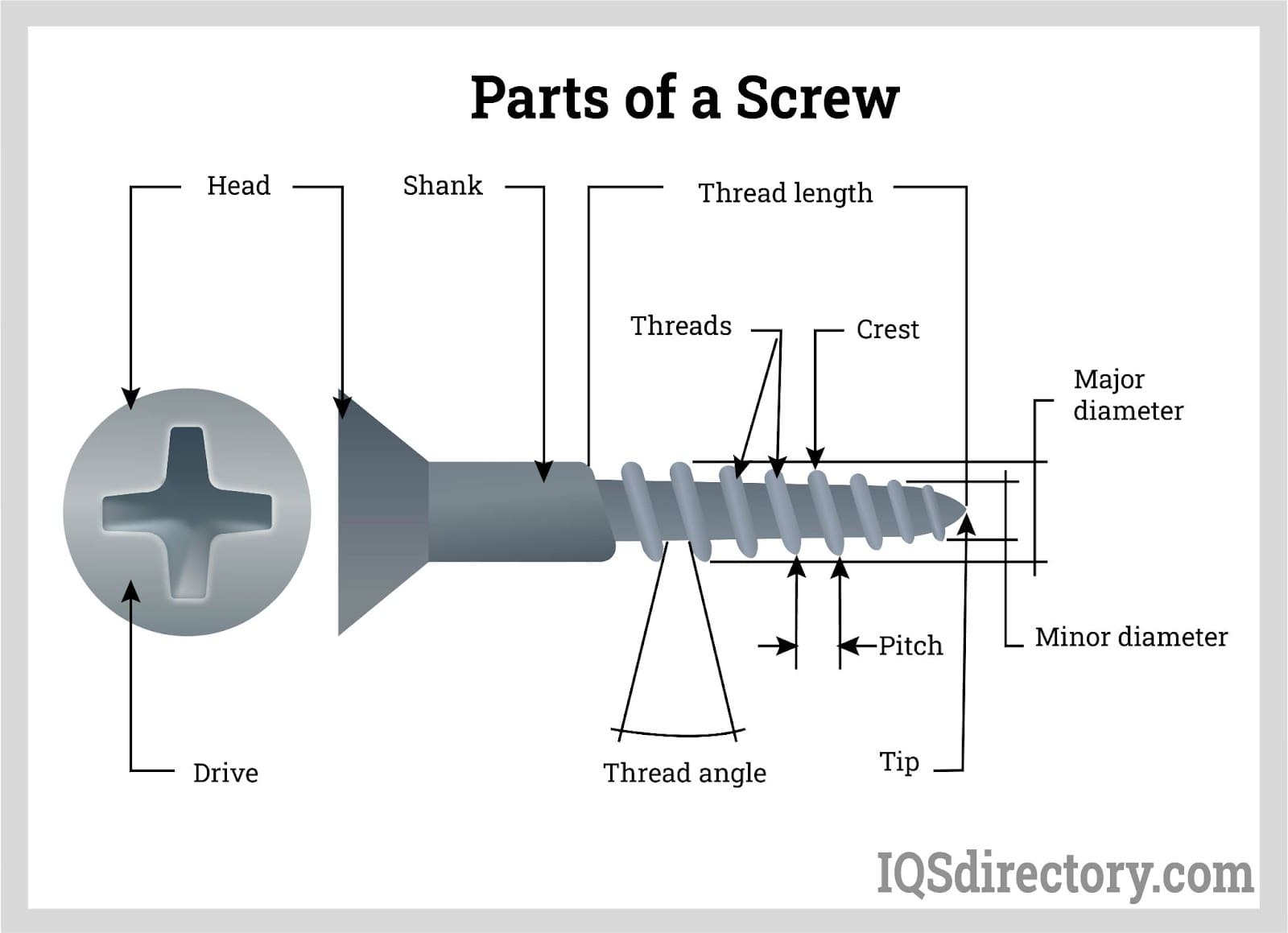
Threads join fasteners securely to parts. Different thread types fit different applications. Common threads include coarse, fine, and metric. Coarse threads are easier to assemble and resist damage. Fine threads hold better in thin materials. Metric threads follow ISO standards and are popular worldwide. Knowing thread types helps pick the best fastener for the job.

Credit: www.engineeringexpress.com
Maintenance And Inspection
Maintenance and inspection play a key role in ensuring fasteners work well. Regular checks help find problems early. This stops machine failures and costly repairs. Fasteners need care to keep joints strong and safe.
Common Failures
Fasteners can fail in many ways. Threads may strip or wear out. Nuts and bolts can loosen from vibration. Corrosion can weaken metal parts. Cracks or breaks happen under heavy load. Identifying these issues prevents accidents and downtime.
Inspection Techniques
Visual inspection is the simplest method. Look for rust, cracks, or loose parts. Use a torque wrench to check tightness. Dye penetrant tests reveal surface cracks. Ultrasonic tests find internal flaws. Regular inspections keep fasteners reliable and safe.
Replacement Guidelines
Replace fasteners if damaged or worn. Use the same size and grade for strength. Avoid mixing metals to prevent corrosion. Follow manufacturer recommendations for replacement intervals. Proper replacement keeps machines running smoothly and safely.
Credit: www.iqsdirectory.com
Frequently Asked Questions
What Is The Main Purpose Of A Fastener In Engineering?
A fastener joins two or more components securely. It ensures structural integrity and stability in assemblies. Fasteners allow easy disassembly and maintenance. Common types include bolts, screws, nuts, and rivets.
How Do Fasteners Differ From Adhesives?
Fasteners provide mechanical joining, while adhesives bond chemically. Fasteners allow easy removal and reassembly. Adhesives create permanent bonds but may lack strength in some applications. Fasteners are preferred for load-bearing and high-stress environments.
What Are Common Types Of Fasteners Used In Engineering?
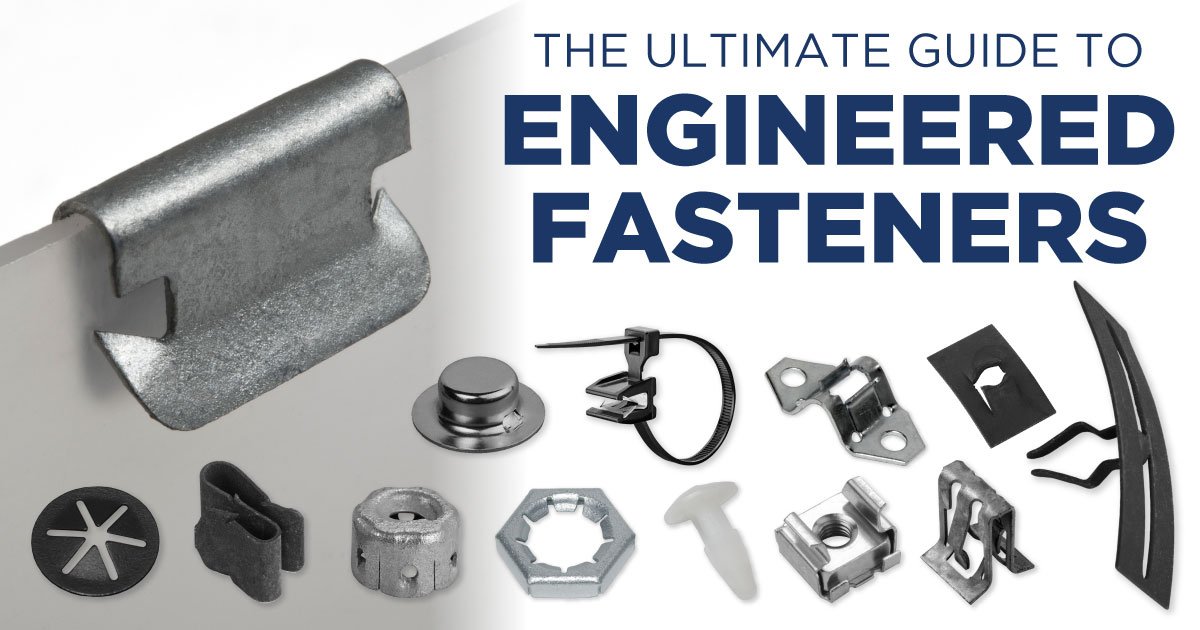
Common fasteners include bolts, screws, nuts, washers, rivets, and pins. Each type serves specific functions based on application needs. Material and design vary to suit different environments and loads. Selection depends on strength, reusability, and installation method.
Why Is Material Choice Important For Fasteners?
Material affects fastener strength, corrosion resistance, and durability. Steel is common for strength; stainless steel resists corrosion. Aluminum and brass are lightweight options. Choosing the right material ensures safety and longevity in engineering projects.
Conclusion
Fasteners play a key role in engineering projects. They join parts firmly and safely. Choosing the right fastener ensures strong and lasting connections. Different fasteners serve different purposes and materials. Understanding fasteners helps in building better machines and structures. Simple yet essential, fasteners keep everything working well.
Remember, good fasteners make a big difference in engineering success.