Have you ever wondered what happens when a 14.5 kg mass is fastened securely? Whether you’re dealing with physics problems, engineering tasks, or just curious about forces and motion, understanding this simple setup can reveal surprising insights.
You’ll discover how this mass behaves, what forces act on it, and why it matters in real-life situations. Keep reading to unlock the secrets behind this common yet fascinating scenario—you won’t want to miss the practical tips and clear explanations coming up next.
Choosing The Right Fastener
Choosing the right fastener for a 14.5 kg mass is important. It ensures safety and holds the weight securely. The right fastener depends on several factors. These include the type of fastener, material used, and load capacity. Each factor plays a key role in making the best choice.
Types Of Fasteners
Fasteners come in many types. Bolts, screws, and nails are common choices. Bolts provide strong support and are easy to remove. Screws offer good grip in wood and metal. Nails work well for light loads and quick fixes. Select a type that fits your project needs.
Material Compatibility
The fastener material must match the surface material. Steel fasteners suit metal or hard surfaces. Stainless steel resists rust and works outdoors. Plastic fasteners fit lightweight or soft materials. Choosing compatible materials prevents damage and wear. It also extends the life of the fastening.
Load Capacity Considerations
Every fastener has a load limit. The fastener must hold more than 14.5 kg safely. Check the load rating before use. Using a weak fastener risks failure and accidents. Choose fasteners with higher capacity for extra safety. This ensures the mass stays secure over time.

Credit: www.sarthaks.com
Preparing The Surface
Preparing the surface is a crucial step for fastening a 14.5 kg mass securely. A clean and well-prepared surface ensures strong adhesion and stability. Neglecting this step can cause weak bonding or slippage. Follow simple techniques to get the surface ready.
Cleaning Techniques
Remove all dirt, dust, and grease from the surface. Use a clean cloth with mild soap and water. For stubborn grime, try a gentle scrub with a soft brush. Avoid harsh chemicals that may damage the material. Let the surface dry completely before moving on.
Surface Inspection
Check the surface for cracks, rust, or uneven spots. These defects reduce the strength of the bond. Smooth out rough areas with sandpaper or a file. Replace any parts that are too damaged to fix. A smooth and intact surface provides better support for the mass.
Ensuring Proper Alignment
Align the mass carefully with the surface before fastening. Use a level or measuring tools to check position. Misalignment can cause stress and imbalance. Hold the mass steady while securing it. Proper alignment increases safety and durability.
Fastening Methods
Fastening a 14.5 kg mass requires strong and reliable methods. Choosing the right fastening method ensures safety and stability. Different materials and conditions affect which method works best.
Consider the weight, surface, and environment when selecting fastening options. Some methods offer permanent holds, while others allow easy removal or adjustment. Here are common fastening methods for a heavy mass like 14.5 kg.
Bolts And Screws
Bolts and screws provide a strong mechanical hold. They work well with metal, wood, and plastic surfaces. Use the right size and type for the weight and material. Tightening bolts securely prevents loosening over time. Washers help spread the load and protect surfaces. This method offers a durable and stable fastening solution.
Adhesives And Epoxies
Adhesives and epoxies bond surfaces without drilling holes. They distribute the load evenly and resist vibrations. Epoxies are especially strong and good for heavy items. Surfaces must be clean and dry before applying. Cure time varies, so wait before applying stress. This method works well on smooth, flat surfaces.
Clamps And Straps
Clamps and straps hold items tightly without permanent changes. They allow easy repositioning or removal of the mass. Use strong materials like metal or heavy-duty plastic. Ratchet straps provide adjustable tension and secure hold. Clamps work well for temporary setups or testing. This method suits situations needing flexibility and quick adjustments.
Credit: askfilo.com
Safety Measures
Safety is very important when handling a 14.5 kg mass fastened in place. Taking proper safety steps helps avoid accidents and damage. This section explains key safety measures to follow.
Each step makes sure the mass stays secure and does not cause harm. Simple actions can protect you and others around the equipment.
Weight Distribution
Distribute the weight evenly to keep balance. Uneven weight can cause tipping or falling. Use supports or braces to hold the mass steady. Check that the surface below can hold the weight safely.
Regular Inspection
Inspect the fastening points often. Look for signs of wear, rust, or loosening. Tighten bolts and replace damaged parts right away. Regular checks prevent failures before they happen.
Using Safety Gear
Wear gloves to protect your hands. Use safety goggles to shield your eyes. Wear sturdy shoes to guard your feet. Safety gear reduces injury risks during handling and inspection.
Troubleshooting Common Issues
Troubleshooting common issues with a 14.5 kg mass fastened properly is important. Problems can affect safety and performance. Identifying these issues early helps keep the setup stable and secure.
Below are frequent problems and how to address them effectively.
Loose Attachments
Loose attachments cause instability and risk falling. Check all bolts, screws, and clamps regularly. Tighten any parts that feel loose. Use a wrench or screwdriver for better grip. Avoid overtightening to prevent damage.
Material Fatigue
Material fatigue appears as cracks or bends in the fastened parts. Metal and plastic can weaken over time. Inspect the mass and its supports for signs of wear. Replace any damaged components quickly. This prevents sudden failure during use.
Environmental Factors
Environmental factors like moisture and temperature affect fastening. Rust can form on metal parts in humid areas. Cold can make materials brittle and prone to breakage. Store the mass in a dry, stable place. Use protective coatings to reduce rust and corrosion.

Credit: www.youtube.com
Frequently Asked Questions
What Is The Significance Of A 14.5 Kg Mass Fastened Securely?
A 14. 5 kg mass fastened securely ensures stability and safety in experiments or mechanical setups. It prevents unwanted movement, improving accuracy and reliability in measurements or operations involving the mass.
How Does Fastening Affect The Motion Of A 14.5 Kg Mass?
Fastening a 14. 5 kg mass restricts its motion, reducing vibrations or swinging. This control helps maintain consistent force application and precise results in dynamic systems or physics demonstrations.
What Materials Are Best For Fastening A 14.5 Kg Mass?
Strong, durable materials like steel clamps, heavy-duty ropes, or industrial-grade bolts are ideal for fastening a 14. 5 kg mass. These materials provide firm grip and resist wear, ensuring long-term safety and stability.
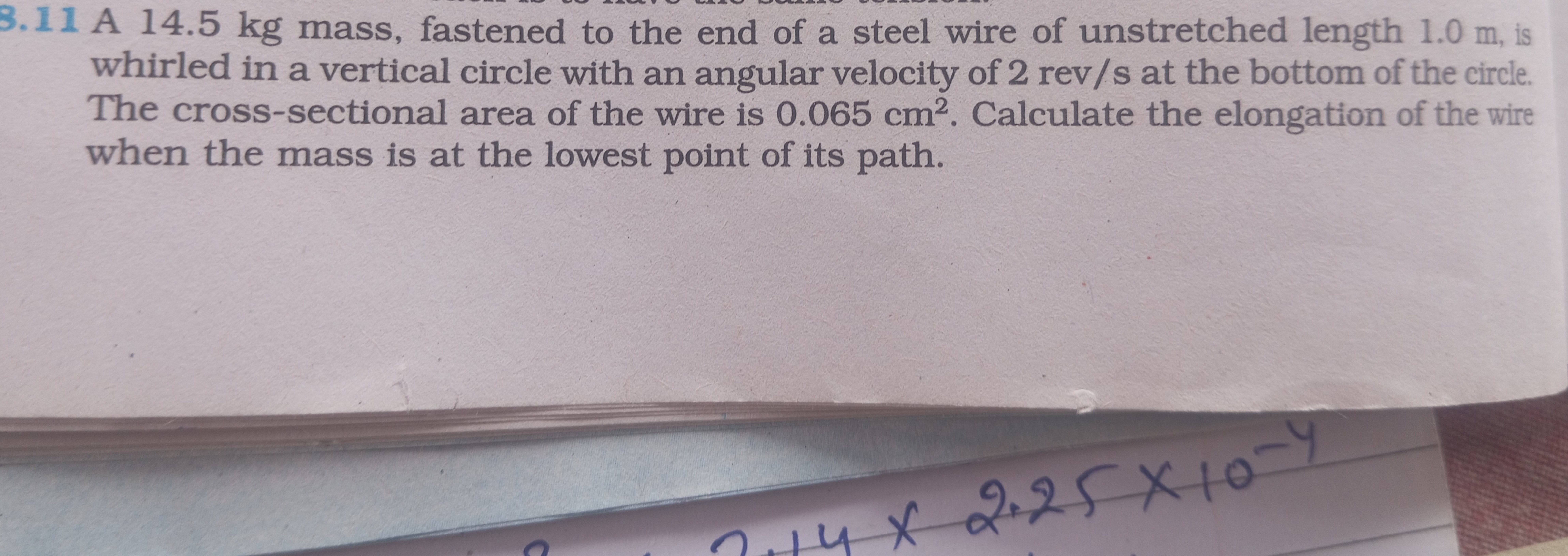
How To Calculate The Force On A 14.5 Kg Mass When Fastened?
The force on a 14. 5 kg mass fastened depends on gravity and acceleration. Use F = m × a, where m is 14. 5 kg and a is acceleration. For static cases, force equals the weight, approximately 142. 25 N.
Conclusion
A 14. 5 kg mass fastened firmly stays steady and safe. This weight affects balance and motion clearly. Knowing how it works helps in many tasks. It shows how force and weight play roles together. Understanding this concept is useful in daily life.
Simple ideas like this build strong science skills. Keep practicing with such examples to learn more. Small steps lead to greater knowledge and success.