Have you ever wondered what holds together the machines, buildings, and products you use every day? The answer lies in something small but incredibly powerful: industrial fasteners.
These tiny components play a huge role in keeping everything secure and functioning smoothly. If you want to understand how things stay connected and why fasteners matter to your work or projects, this article is made for you. Keep reading to discover what industrial fasteners are and why they could be the key to your next successful build or repair.
Credit: www.industrialfastenersandsupply.com
Types Of Industrial Fasteners
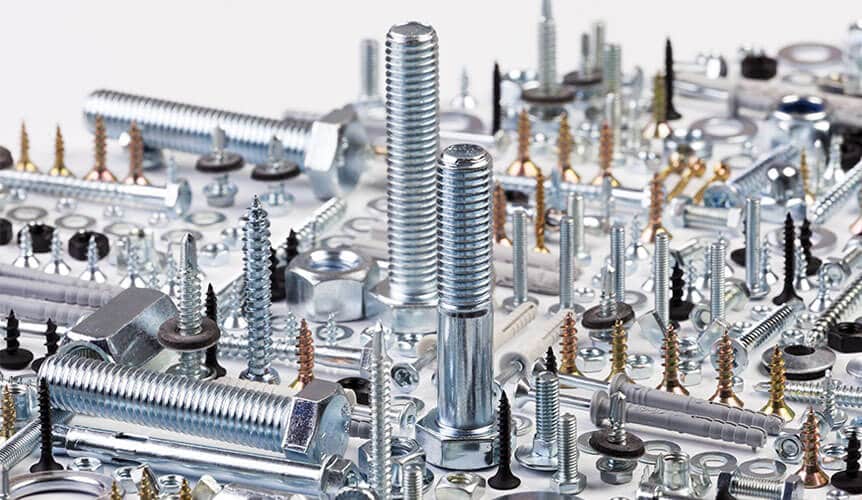
Industrial fasteners hold parts together in machines, structures, and equipment. They come in many shapes and sizes. Each type serves a unique purpose. Knowing these types helps in choosing the right one for any job. Here are the main types of industrial fasteners.
Bolts And Screws
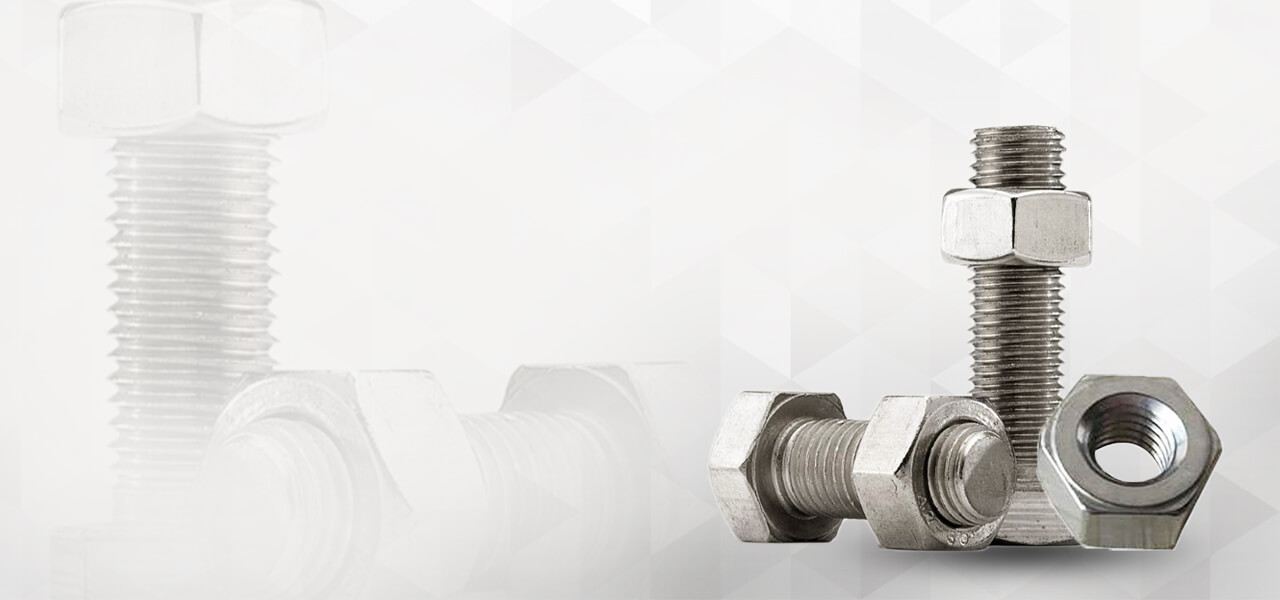
Bolts and screws are the most common fasteners. Bolts need nuts to hold parts tightly. Screws screw directly into materials like wood or metal. They provide strong, reliable joints. They come in various head shapes and sizes.
Nuts And Washers
Nuts pair with bolts to secure connections. Washers sit between the nut and surface. They spread pressure and protect surfaces from damage. Washers also reduce loosening caused by vibration. Both nuts and washers improve fastener strength.
Pins And Clips
Pins fit into holes to keep parts aligned. Clips hold pins or other parts firmly in place. They allow quick assembly and disassembly. Pins and clips are ideal for moving or temporary parts. They come in several styles, like cotter pins or spring clips.
Rivets And Anchors
Rivets join materials permanently by deforming one end. They create strong, vibration-resistant joints. Anchors secure fasteners in materials like concrete or brick. They expand inside holes to provide firm grip. Both are used where bolts or screws cannot work well.
Specialty Fasteners
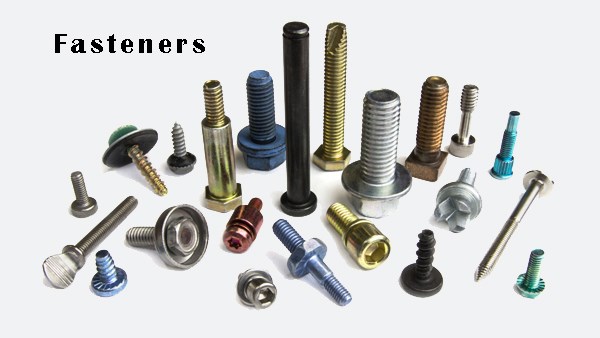
Specialty fasteners serve unique needs in industries. Examples include thread inserts, toggle bolts, and eye bolts. These fasteners solve specific problems or fit unusual parts. They enhance safety, strength, or ease of use. Specialty fasteners adapt to many challenging conditions.
Credit: www.shreeindustrialfasteners.com
Materials Used In Fasteners
Industrial fasteners come in many materials. The choice depends on strength, weight, and environment. Different materials offer unique benefits for various applications.
Understanding materials helps pick the right fastener. This improves safety and durability in any project.
Steel And Stainless Steel
Steel is strong and widely used in fasteners. It handles heavy loads and high stress well. Stainless steel resists rust and corrosion. It suits outdoor and wet environments. Both provide excellent durability and reliability.
Aluminum And Brass
Aluminum is lightweight and resists corrosion. It suits applications where weight matters. Brass offers good corrosion resistance and is easy to machine. It works well in decorative and electrical uses. Both metals add value with specific strengths.
Plastic And Nylon
Plastic fasteners are light and resist chemicals. Nylon is strong and flexible. These materials avoid rust and conduct electricity poorly. They are ideal for non-metallic and low-load uses. Plastic fasteners often lower costs and improve insulation.
Coatings And Finishes
Coatings protect fasteners from rust and wear. Zinc plating is common for corrosion resistance. Black oxide adds mild protection and reduces glare. Other finishes improve appearance and lifespan. Proper coatings extend fastener life significantly.
Applications In Various Industries
Industrial fasteners play a key role across many industries. They hold parts together and ensure safety and strength. Different sectors use fasteners in unique ways to meet their needs. The right fastener helps machines work better and last longer.
Automotive
Fasteners keep car parts fixed tightly. They connect engines, wheels, and doors. Strong bolts resist vibrations and heat. This keeps vehicles safe and reliable on roads.
Construction
In buildings, fasteners hold steel beams and concrete forms. Nails, screws, and anchors secure walls and roofs. They help structures stand firm against wind and weight.
Aerospace
Fasteners in airplanes must be light but strong. They join wings, fuselage, and engines. Precision fasteners keep flights safe at high speeds and altitudes.
Electronics
Small screws and clips hold circuit boards and cases. They protect delicate parts from damage. Fasteners ensure gadgets work without loose connections.
Marine
Fasteners used in ships resist rust and saltwater. They secure decks, engines, and cabins. Durable fasteners help vessels survive harsh sea conditions.
Credit: www.warwickfasteners.com
Choosing The Right Fastener
Choosing the right industrial fastener is key to a strong and safe assembly. Fasteners hold parts together. The wrong type can cause failure or damage. Consider several factors before making a choice. Each factor affects the fastener’s performance and life.
Load And Strength Requirements
Fasteners must match the load they will carry. Heavy loads need strong, durable fasteners. Light loads allow smaller or simpler fasteners. Check the fastener’s tensile strength and shear strength. These values show how much force the fastener can handle.
Choose a fastener with strength above your maximum load. This ensures safety and avoids breakage.
Environmental Factors
Conditions like moisture, temperature, and chemicals affect fastener choice. Rust can weaken metal fasteners in wet places. Use stainless steel or coated fasteners to resist corrosion. High temperatures require heat-resistant materials. For chemical exposure, select fasteners that resist corrosion and damage.
Compatibility With Materials
Fasteners must work well with the materials they join. Different metals can cause corrosion when touching each other. Use compatible metals or add insulation between them. Soft materials like plastic need fasteners that won’t crack or damage them. The fastener size and thread type must match the material’s needs.
Cost Considerations
Balance cost and quality. Cheap fasteners may fail early. High-quality fasteners last longer and reduce maintenance. Calculate the total cost of fasteners and repairs. Bulk buying can reduce costs. Choose fasteners that fit your budget but do not compromise safety or performance.
Installation Techniques
Installing industrial fasteners correctly is vital for strong and safe connections. Proper techniques ensure parts stay secure under stress and vibrations. Choosing the right tools and methods affects the fastener’s performance and lifespan.
Understanding installation steps helps avoid costly errors and repairs. It also improves productivity and safety on site. Below are key points to consider when installing industrial fasteners.
Hand Tools Vs. Power Tools
Hand tools give better control over tightness and feel. They are useful for small jobs and delicate materials.
Power tools speed up installation and reduce worker fatigue. They suit large projects and tough fasteners.
Select tools based on job size, fastener type, and workspace conditions. Avoid over-tightening with power tools by using adjustable settings.
Torque Specifications
Torque is the force used to tighten fasteners. Following torque specs prevents damage or loosening.
Use a torque wrench to measure and apply exact torque. Check manufacturer guidelines for each fastener type.
Consistent torque ensures even stress distribution and long-lasting joints. Never guess torque values; always verify them.
Safety Precautions
Wear safety glasses and gloves during installation. Protect hands from sharp edges and hot tools.
Secure workpieces to prevent slipping or movement. Keep tools in good condition and inspect before use.
Follow proper lifting techniques when handling heavy parts. Clear work area to avoid trips and falls.
Maintenance Tips
Regularly inspect fasteners for looseness or corrosion. Tighten or replace damaged fasteners promptly.
Lubricate threads if recommended to reduce wear and rust. Store fasteners in dry, clean environments.
Keep installation tools calibrated and clean for accurate use. Track maintenance schedules to ensure safety and reliability.
Frequently Asked Questions
What Are Industrial Fasteners Used For?
Industrial fasteners join or secure materials in machinery and construction. They provide strength, durability, and easy assembly for various industrial applications.
Which Materials Are Common For Industrial Fasteners?
Steel, stainless steel, brass, and aluminum are common materials. These metals offer strength, corrosion resistance, and suitability for different environments.
How Do Industrial Fasteners Differ From Regular Fasteners?
Industrial fasteners are designed for heavy-duty use and high-stress conditions. They meet stricter standards for strength, size, and durability compared to regular fasteners.
What Types Of Industrial Fasteners Exist?
Common types include bolts, screws, nuts, washers, rivets, and pins. Each type serves specific fastening needs in industrial settings.
Conclusion
Industrial fasteners hold parts tightly and ensure strong connections. They come in many types and sizes to fit different needs. Choosing the right fastener improves safety and performance. These small tools play a big role in building machines and structures.
Understanding their use helps in picking the best option. Keep in mind, quality fasteners save time and reduce repairs. Simple but important.