Are you looking for a fast and reliable way to secure materials to tough surfaces like concrete or steel? A powder actuated fastener might be exactly what you need.
This powerful tool uses a small controlled explosion to drive nails or pins deep into hard materials, making your work faster and stronger. If you want to understand how it works and why it could be the game-changer for your projects, keep reading.
This guide will clear up any confusion and help you decide if a powder actuated fastener is right for you.
Credit: pwu.gr
Powder Actuated Fastener Basics
Understanding the basics of powder actuated fasteners helps with safe and effective use. These fasteners are common in construction and industrial work. They provide a strong hold in hard materials like concrete and steel. Knowing how they work and their types makes choosing the right one easier.
What Is A Powder Actuated Fastener
A powder actuated fastener is a special nail or pin. It uses a small explosive charge to drive into tough surfaces. The fastener is attached to a tool that fires the charge. This method saves time and effort compared to traditional nailing.
How It Works
The tool contains a cartridge with powder inside. When triggered, the powder ignites quickly. This creates gas pressure that pushes the fastener into the material. The fastener locks firmly in place. The process is fast and requires little physical force.
Types Of Powder Actuated Fasteners
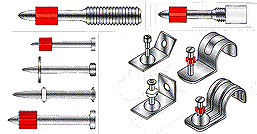
There are several types of powder actuated fasteners. Nails are common for wood and concrete. Pins are used for attaching thin materials. Studs offer strong hold in metal surfaces. Choosing the right type depends on the job and material.
Key Components
Understanding the key components of a powder actuated fastener helps to see how it works. These parts work together to drive the fastener into hard materials quickly and firmly. Each component plays a unique role in the process.
Fastener Design
The fastener looks like a heavy-duty nail or pin. It has a sharp tip to penetrate concrete or steel. The shaft is strong to hold materials tightly. Some fasteners have special coatings to resist rust.
Powder Loads
Powder loads are small cartridges filled with explosive powder. When fired, they create a controlled explosion. This explosion pushes the fastener out with great force. Different powder loads have varying power levels for different jobs.
Tool Mechanism
The tool holds the powder load and fastener together. It uses the explosion to drive the fastener into the base material. The mechanism controls the power to ensure safe and accurate firing. It also helps reduce recoil for better handling.
Applications In Construction
Powder actuated fasteners have many uses in construction. They help join materials quickly and firmly. Their power comes from a small explosive charge. This charge drives the fastener into hard surfaces with force. Builders value these tools for saving time and effort. They work well on tough materials that regular nails cannot penetrate.
Concrete And Steel Fastening
These fasteners are ideal for concrete and steel. They attach wood or metal to these hard surfaces. This method is stronger and faster than drilling and bolting. Workers use them to fix frames, electrical boxes, and pipes. The fasteners hold tight even under heavy loads. They reduce the need for extra tools on site.
Masonry Uses
Powder actuated fasteners work well with bricks and blocks. They secure panels, insulation, and drywall to masonry walls. The fasteners resist vibration and weather effects. This makes them reliable for outdoor and indoor projects. Installation takes less time than traditional anchors or screws.
Industrial Settings
Factories and warehouses often use these fasteners for assembly. They fix machinery, shelving, and safety barriers quickly. The fasteners reduce downtime and labor costs. They perform well on steel beams and concrete floors. Their strong hold supports heavy equipment and structures safely.
Safety Considerations
Safety is the top priority when using a powder actuated fastener. These tools are powerful and can cause serious injury if handled wrongly. Understanding safety rules helps protect you and others on the worksite. Follow clear steps to ensure safe use every time.
Proper Handling
Always hold the tool firmly and point it away from yourself and others. Never use the tool without checking that it is clean and working well. Load the fastener only when ready to use. Keep fingers away from the firing end. Store the tool in a safe place when not in use.
Personal Protective Equipment
Wear safety glasses to protect your eyes from flying debris. Use hearing protection to guard against loud noises. Gloves help protect your hands from sharp materials and accidental firing. Wear sturdy clothing and closed-toe shoes for extra safety. Proper gear reduces the risk of injury significantly.
Training Requirements
Only trained workers should operate powder actuated fasteners. Training teaches safe handling, tool maintenance, and proper use. Know how to load, fire, and unload the tool safely. Understand the risks and emergency procedures. Keep training up to date with regular refreshers.
Advantages Over Traditional Fasteners
Powder actuated fasteners offer clear benefits over traditional fasteners. They provide faster work, strong hold, and flexible use. These advantages make them a popular choice in construction and industrial tasks.
Speed And Efficiency
Powder actuated fasteners install much quicker than screws or nails. The tool drives the fastener instantly with a small explosion. This cuts down the time spent on each task. Workers can finish jobs faster and move to the next step.
Holding Strength
These fasteners create a very tight grip in hard materials. The force used pushes them deep into concrete or steel. This strong hold is hard to match with regular nails or screws. It helps keep structures safe and stable.
Versatility
Powder actuated fasteners work on many surfaces. They attach wood, metal, and concrete easily. The tool comes with different fasteners for various jobs. This flexibility means fewer tools are needed on site.

Credit: www.hilti.com
Limitations And Challenges
Powder actuated fasteners offer strong and quick fastening. Yet, they come with some limits and challenges. Understanding these helps in using them safely and effectively.
Material Restrictions
Powder actuated fasteners work best on hard materials like concrete and steel. They do not work well on soft or brittle surfaces. Wood and drywall often cannot hold these fasteners. Using them on wrong materials can cause damage or weak holds. Always check the surface before using these fasteners.
Noise And Vibration
Firing powder actuated tools creates loud noise and strong vibration. This can disturb workers and nearby people. The noise can also cause hearing damage without protection. Vibration may lead to hand fatigue or injury. Using ear protection and taking breaks is important for safety.
Regulatory Compliance
Many places have strict rules for powder actuated tools. Operators often need special training or licenses. Following safety guidelines is a must. Ignoring these rules can cause legal problems or accidents. Always know and follow local laws and standards before use.
Maintenance And Care
Proper maintenance and care keep your powder actuated fastener working well. Neglect can cause jams or unsafe use. Simple steps extend the tool’s life and ensure safety. Regular care helps avoid costly repairs and downtime.
Cleaning Tips
Clean your fastener after each use. Remove dirt and debris with a soft brush. Use a cloth to wipe away powder residue. Avoid harsh chemicals; they can damage parts. Light oil helps prevent rust on metal surfaces. Keep the barrel clear to avoid misfires.
Storage Guidelines
Store the fastener in a dry place. Avoid damp or dusty environments. Use a case or box to protect it from damage. Keep it away from children and pets. Check the tool regularly for signs of wear. Store powder loads separately in a safe area.
Troubleshooting
Check for powder residue if the tool jams. Clean the barrel and firing pin thoroughly. Inspect fasteners for damage before use. Replace worn or broken parts immediately. If misfires occur, check the load size matches the material. Follow the manufacturer’s instructions for repairs.
Choosing The Right Fastener
Choosing the right powder actuated fastener is key for a strong and safe hold. It depends on many factors. You need to think about the job and the materials you use. The correct fastener ensures the work lasts long and stays secure.
Assessing Project Needs
First, understand what the project requires. Is the fastener for light or heavy duty? Will it hold wood, metal, or concrete? Knowing the load and purpose helps pick the right size and type. Consider the environment too. Some jobs need rust-resistant fasteners.
Matching Fastener To Materials
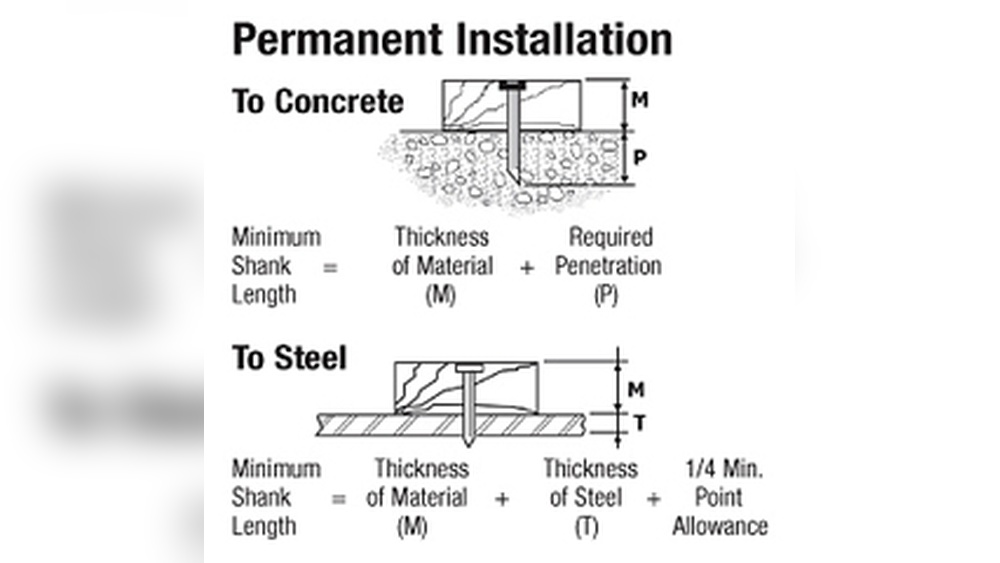
Choose fasteners that suit the materials you join. Hard materials like concrete need strong, durable fasteners. Softer materials like drywall need less force. The length and diameter of the fastener must fit the thickness of the materials. This prevents damage and ensures a tight fit.
Selecting Powder Loads
Powder loads control the power behind the fastener. Low loads work well for thin materials. Higher loads push fasteners into tough surfaces. Pick a load that matches the material strength. Too much force can cause cracks. Too little may lead to weak holding.
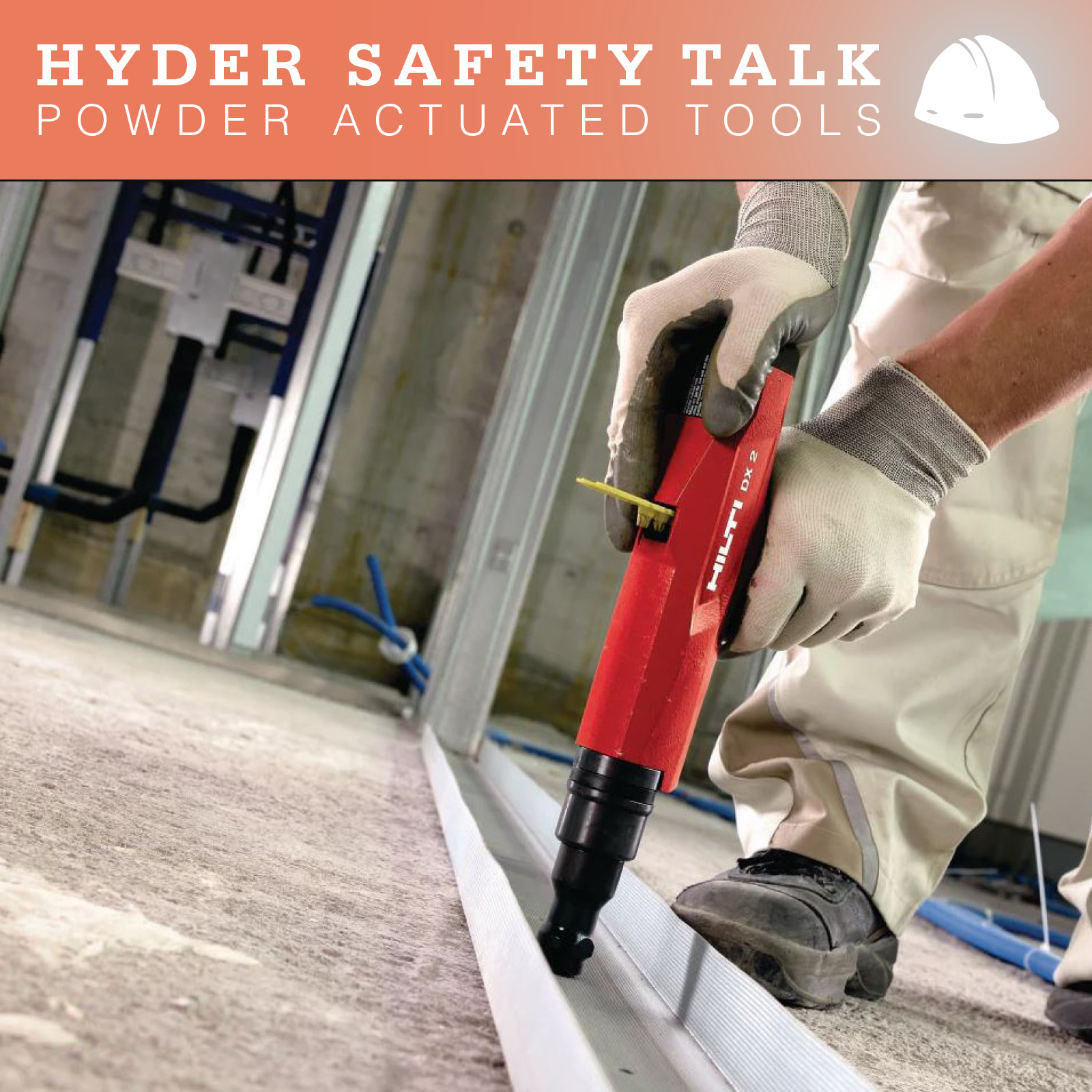
Credit: www.hyderinc.com
Frequently Asked Questions
What Is A Powder Actuated Fastener Used For?
A powder actuated fastener secures materials to hard surfaces like concrete or steel. It uses controlled explosive force to drive nails or pins quickly and firmly. This tool is common in construction for strong, durable attachments where traditional fasteners fail.
How Does A Powder Actuated Fastener Work?
It works by igniting a small powder charge, creating a rapid force that drives the fastener into hard materials. This method allows quick, secure fastening without pre-drilling. The tool offers precision and power for tough construction tasks.
Is A Powder Actuated Fastener Safe To Use?
Yes, when used properly with safety gear, it is safe. Operators must follow instructions and wear eye and ear protection. Proper training ensures safe handling, minimizing risks associated with the explosive charge.
What Materials Can Powder Actuated Fasteners Attach?
They can attach wood, metal, or framing materials to concrete, steel, or masonry. This versatility makes them ideal for fastening in heavy-duty construction environments where strong, reliable connections are needed.
Conclusion
Powder actuated fasteners help join hard materials quickly and securely. They use small explosive charges to drive nails into concrete or steel. This method saves time and effort on tough jobs. Safety is important, so always follow instructions carefully. Understanding these fasteners makes construction tasks easier and more efficient.
Keep this tool in mind for strong, lasting fixes.