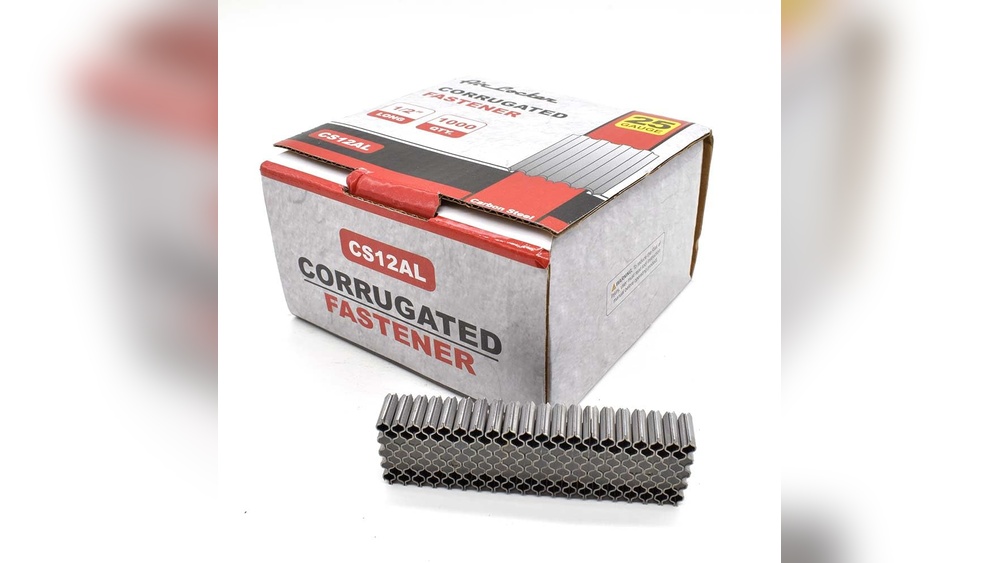
If you’re working on a DIY project or fixing something around your home, you might have come across corrugated fasteners. But how do you use them with a hammer the right way?
Getting it wrong can lead to weak joints or damaged materials, which nobody wants. You’ll learn simple, step-by-step tips to make sure your fasteners hold strong and your project looks professional. Keep reading to discover the easy tricks that can save you time, effort, and frustration.
Choosing The Right Corrugated Fasteners
Choosing the right corrugated fasteners is important for a strong hold. The right fastener ensures your project stays secure and lasts long. It also makes using a hammer easier and safer. Several factors affect the choice of fasteners. These include type, material, size, and length. Understanding these factors helps you pick the best fastener for your task.
Types Of Corrugated Fasteners
Corrugated fasteners come in different types. Some common ones include staples, nails, and clips. Staples work well for thin materials. Nails are good for heavier materials. Clips provide extra grip for corrugated surfaces. Choose the type based on the material you fasten and the hold needed.
Material Considerations
Fasteners come in various materials like steel, stainless steel, and galvanized metal. Steel fasteners are strong but can rust. Stainless steel resists rust and lasts longer. Galvanized fasteners have a protective coating to prevent corrosion. Match fastener material to your project environment for durability.
Size And Length Selection
Fastener size affects how well it holds. Length should be enough to go through all layers. Too short fasteners may not hold properly. Too long fasteners can damage the material. Pick the right size and length based on material thickness and type.
Preparing The Work Surface
Preparing the work surface is an important step before using corrugated fasteners with a hammer. It helps ensure a strong and secure hold. Taking time to prepare makes the fastening process easier and safer. Clean, aligned, and supported materials give the best results.
Cleaning And Aligning Materials
Start by cleaning the surfaces where you will place the fasteners. Remove dust, dirt, and debris. This helps the fasteners grip better. Align the materials carefully to avoid gaps. Make sure edges match up evenly for a neat finish.
Marking Fastener Placement
Mark the spots where you will hammer the fasteners. Use a pencil or chalk for clear marks. Space the marks evenly for strong hold. Proper marking prevents mistakes and saves time during nailing.
Ensuring Proper Support
Support the materials firmly before hammering. Use clamps or ask for help to hold pieces steady. Proper support stops materials from moving or bending. This keeps the fasteners straight and secure in place.
Selecting The Correct Hammer
Choosing the right hammer is key to using corrugated fasteners well. The right tool helps you drive fasteners smoothly and safely. It also reduces hand strain and improves accuracy. Knowing what type of hammer to pick makes your work easier and faster.
Hammer Types For Fastening
Claw hammers are common for many tasks. Their flat face works well with corrugated fasteners. Framing hammers are heavier and good for tougher jobs. They deliver more power with fewer swings. Ball-peen hammers are less common but useful for metal work. Pick a hammer that fits the material and the job size.
Weight And Grip Factors
Heavier hammers give more force but can tire you quickly. Lighter hammers are easier to handle but need more swings. A balance is best for comfort and efficiency. The grip should feel secure and not slip in your hand. Rubber or textured grips offer better control and reduce vibration.
Safety Features To Consider
Look for hammers with shock-absorbing handles. This reduces strain on your wrist and arm. A smooth face helps avoid damaging fasteners. Check that the hammer head is firmly attached to the handle. Loose heads can cause accidents. Safety glasses are a must to protect your eyes from debris.

Credit: www.ironwirenails.com
Step-by-step Fastener Installation
Installing corrugated fasteners with a hammer requires careful steps. Following a clear process helps ensure the fastener holds tightly. This section breaks down the installation into simple steps. Each step focuses on key actions for a strong, lasting hold.
Positioning The Fastener
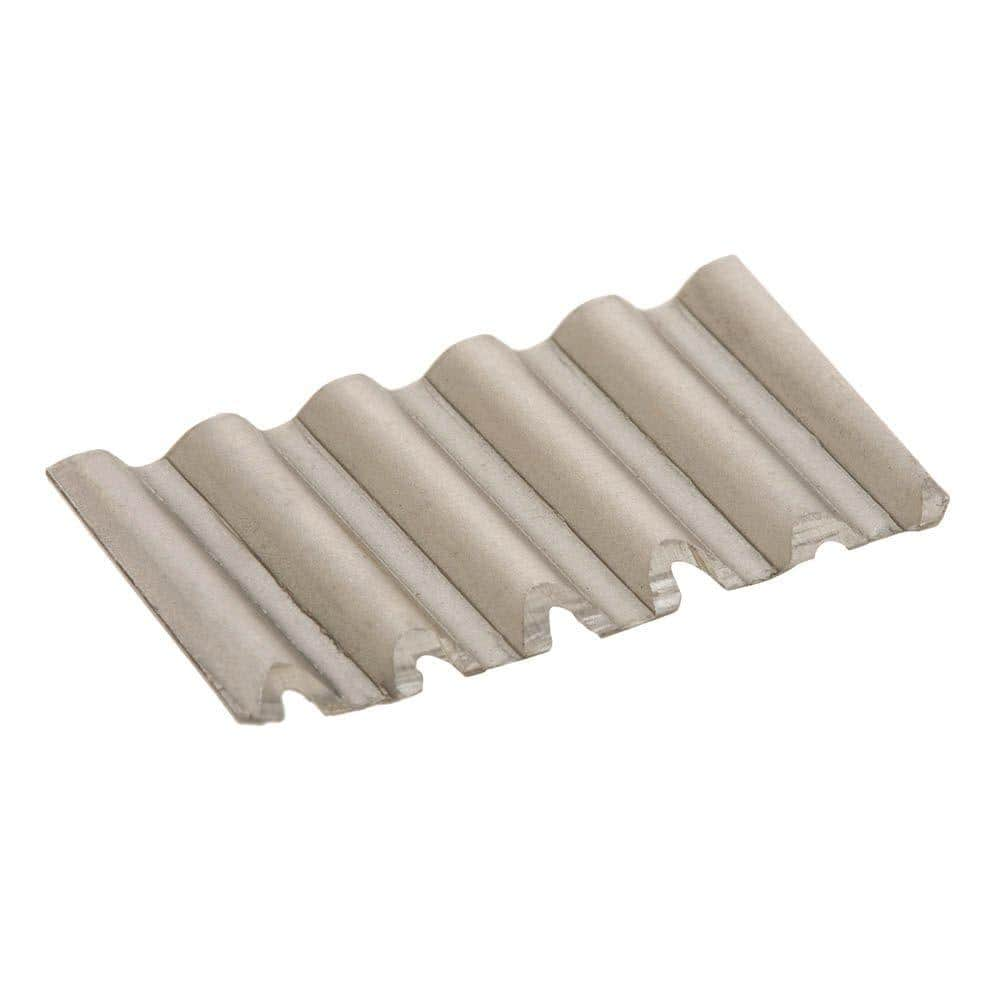
Place the fastener flat on the wood surface. Align it where the two boards meet. Make sure the corrugated teeth face the board to grip. Hold the fastener steady with your fingers. Avoid bending it before hammering.
Techniques For Effective Striking
Use a hammer with a smooth face for even strikes. Hit the fastener’s top center squarely. Start with light taps to set it in place. Increase force gradually to drive it fully. Keep your wrist firm but relaxed.
Avoiding Common Mistakes
Do not strike at an angle or edge of the fastener. Avoid hitting too hard at once to prevent bending. Never hold the fastener with your fingers near the hammer. Check the fastener remains flat and aligned. Replace bent fasteners to ensure strong grip.
Finishing Touches And Inspection
After driving corrugated fasteners with a hammer, the final step is finishing touches and inspection. This step ensures the fasteners hold securely and the project looks clean. Careful checking prevents future issues and keeps surfaces safe.
Checking Fastener Security
Look closely at each fastener. Make sure it sits flush with the surface. None should be loose or sticking out. Give a gentle wiggle to test strength. Secure fasteners keep materials tightly joined.
Adjustments And Corrections
If any fastener feels loose, tap it lightly with the hammer. Avoid hitting too hard to prevent damage. Remove and replace bent or misplaced fasteners. Correct placement improves the overall hold and appearance.
Maintaining Fastened Surfaces
Clean the surface around the fasteners. Remove any debris or dust. This prevents rust and keeps the fasteners strong. Regular checks help catch problems early. Good maintenance extends the life of your work.
Credit: www.homedepot.com
Safety Tips For Hammering
Using corrugated fasteners with a hammer can be simple and effective. Safety is very important during this task. Following safety tips helps prevent injuries and ensures smooth work. Here are some key safety tips for hammering.
Protective Gear Recommendations
Always wear safety glasses to protect your eyes. Use gloves to avoid hand injuries and improve grip. Wear closed-toe shoes to protect your feet from falling objects. Consider a hard hat if working in a busy area. Proper gear keeps you safe and confident.
Safe Hammer Handling
Hold the hammer near the end of the handle for better control. Keep your wrist straight and swing with your elbow. Strike the fastener squarely to avoid glancing blows. Check the hammer for damage before use. Use a hammer with the right weight for the job.
Preventing Worksite Injuries
Keep your work area clean and free of clutter. Secure the materials before hammering to avoid slips. Stay focused and avoid distractions. Work in good lighting to see clearly. Take breaks to avoid fatigue and maintain precision.
Troubleshooting Common Issues
Troubles with corrugated fasteners and a hammer can slow your work. Fixing these issues saves time and effort. Learn simple ways to solve common problems quickly. This helps keep your project on track and your materials safe.
Dealing With Bent Or Damaged Fasteners
Bent fasteners do not hold materials well. Replace any fastener that looks twisted or broken. Lightly tap straight fasteners back into shape if needed. Avoid using too much force to prevent more damage. Always check fasteners before starting your work.
Addressing Misalignment Problems
Fasteners must line up correctly with materials. Misalignment causes weak joints and uneven surfaces. Use a guide or mark spots before hammering. Tap gently at first to adjust the fastener’s position. Correct alignment improves strength and appearance.
Handling Difficult Materials
Some materials are hard to fasten with a hammer. Dense wood or metal may resist fasteners. Choose the right fastener size and type for these materials. Tap slowly and steadily to avoid slipping or damage. Patience and care make tough materials easier to work with.
Credit: www.betcofasteners.com
Frequently Asked Questions
What Are Corrugated Fasteners Used For?
Corrugated fasteners secure wood joints and panels. They provide strong, reliable connections in construction and woodworking projects. These fasteners are ideal for reinforcing plywood and drywall.
How Do You Position Corrugated Fasteners Before Hammering?
Place the fastener flat against the wood surface. Align it over the joint or area to be secured. Ensure it lies flush before gently tapping with a hammer.
What Hammer Is Best For Corrugated Fasteners?
Use a claw or framing hammer with a smooth face. This helps drive the fastener without bending or damaging it. A hammer with moderate weight offers better control.
How To Avoid Bending Corrugated Fasteners?
Tap the fastener gently at first to set it in place. Then use stronger, consistent strikes to drive it fully. Avoid hitting the edges to prevent bending.
Conclusion
Using corrugated fasteners with a hammer is simple and effective. Hold the fastener steady and tap gently at first. Increase force as needed to secure materials tightly. Always wear safety gear to protect your hands and eyes. Practice makes perfect.
With time, you will work faster and cleaner. This method saves time and keeps your project strong. Try these steps on your next task for best results.


