Are you struggling to finish your fastening tasks within just 8 hours? Imagine cutting down your work time without sacrificing quality or safety.
You’ll discover simple, practical steps to speed up your fastening process and boost your productivity. Whether you’re new to fastening or looking to improve your skills, these tips will help you work smarter, not harder. Keep reading to unlock the secrets that can transform your workday and make every second count.

Credit: www.youtube.com
Choosing The Right Tools
Choosing the right tools is key for fastening tasks within eight hours. Good tools improve speed and reduce mistakes. They make work easier and keep you safe. Selecting the right tool depends on the job type and material. Use tools that fit your hand and feel comfortable. Proper tools help finish work faster and better.
Types Of Fastening Tools
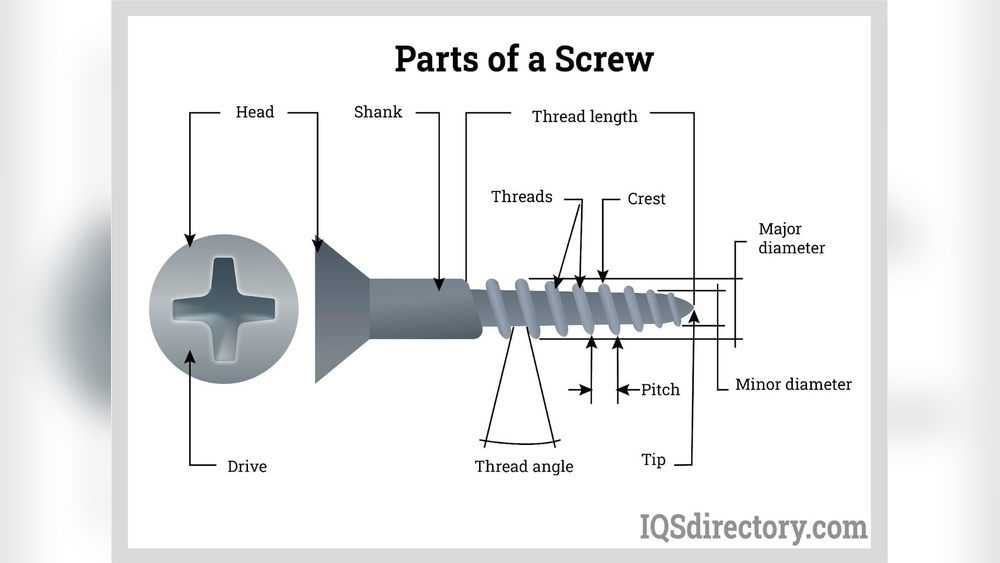
Fastening tools come in many types. Screwdrivers, wrenches, and pliers are common. Power drills and impact drivers speed up work. Nail guns help with wood projects. Rivet guns join metal pieces quickly. Pick tools that suit your project needs and materials.
Tool Maintenance Tips
Keep tools clean and dry after use. Check for wear and damage regularly. Sharpen blades and bits to keep them effective. Lubricate moving parts to avoid rust. Store tools in a dry, safe place. Well-maintained tools last longer and work better.
Ergonomic Considerations
Choose tools with comfortable handles. Soft grips reduce hand strain and fatigue. Use tools with proper weight balance. Avoid tools that cause awkward hand positions. Take breaks to rest your hands and wrists. Ergonomic tools help prevent injuries and improve work quality.

Credit: www.youtube.com
Preparing Your Workspace
Preparing your workspace is the first step to fasten effectively for 8 hours. A clean and organized area helps you work faster and avoid mistakes. It also keeps you safe and comfortable throughout the day.
Proper preparation reduces stress and makes the job more enjoyable. Spend time setting up before you start. This effort will pay off in better results and less fatigue.
Organizing Materials
Gather all tools and parts needed for fastening. Sort screws, nails, and bolts by size and type. Place them within easy reach to avoid searching later. Use containers or trays to keep small items tidy. Check tools for damage and clean them if necessary.
Setting Up Workstations
Arrange your workstation for comfort and efficiency. Position your table or bench at the right height. Make sure lighting is bright and covers all work areas. Keep tools and materials close but not cluttered. Create space to move parts and tools easily.
Ensuring Safety Measures
Wear proper safety gear like gloves and glasses. Clear the floor of any obstacles or spills. Keep cords and cables away from walk paths. Use guards and shields on machines if available. Know the location of first aid kits and fire extinguishers.
Fastening Techniques For Speed
Fastening tasks can take a lot of time if not done correctly. Speed matters, especially when working under tight schedules. Using the right techniques helps finish jobs faster and keeps quality high. Focus on simple changes that improve your fastening speed without extra effort. These methods save time and reduce fatigue during long work hours.
Proper Hand Positioning
Hold tools firmly but not too tight. Keep your wrist straight to avoid strain. Position your hand close to the fastening point. This gives better control and faster movement. Use your whole arm, not just your wrist, for more power. A steady grip reduces slips and mistakes. Practice this to build muscle memory and speed.
Using Power Tools Efficiently
Choose the right power tool for the job. Check battery levels before starting work. Use the correct drill bit or driver bit size. Set the tool speed according to material type. Let the tool do the work; avoid pressing too hard. Keep the tool perpendicular to the surface. This prevents damage and speeds up fastening.
Batch Fastening Methods
Group similar fastening tasks together. Prepare all screws or nails before starting. Work on multiple points in one go, not one by one. This reduces tool changes and saves time. Use magnetic trays or holders to keep fasteners handy. Plan your steps to avoid unnecessary movements. Batch work creates a smooth, fast workflow.

Credit: one-juice.com
Ensuring Precision In Fastening
Ensuring precision in fastening is key to a strong and safe assembly. Precise fastening prevents damage and keeps parts stable. It saves time and reduces the need for rework. Focus on careful alignment, avoiding mistakes, and thorough quality checks. This approach leads to reliable, long-lasting results.
Alignment And Measurement Tips
Start by checking all parts for proper alignment. Use measuring tools like rulers or calipers for accuracy. Mark drill points clearly before fastening. Tighten screws or bolts evenly to avoid shifting. Keep tools steady during use to maintain control. Small adjustments early prevent bigger problems later.
Avoiding Common Errors
Do not overtighten fasteners; this can strip threads or break parts. Avoid using wrong-sized screws or bolts. Clean surfaces before fastening to remove dirt or oil. Ensure the correct fastener type matches the material. Double-check fastener length to prevent damage beyond the surface. Take time to follow instructions carefully.
Quality Control Checks
Inspect each fastened joint for tightness and alignment. Test stability by gently applying pressure. Use a torque wrench for consistent force application. Look for gaps or misaligned components. Keep records of checks for future reference. Regular quality control ensures lasting, safe assemblies.
Time Management Strategies
Managing your time well is key to completing fastening tasks within eight hours. Good time management helps you work smarter, not harder. It reduces stress and improves efficiency. Follow simple strategies to stay on track and finish your work on time.
Planning Your Workflow
Start by listing all tasks you need to complete. Arrange them in the order they should be done. Break big jobs into smaller steps. This makes the work easier to handle. Use a checklist to keep track of progress. Planning helps you avoid missing important steps.
Setting Realistic Targets
Set clear goals for each part of the job. Make sure your targets match the time available. Avoid trying to do too much at once. Small, achievable goals keep you motivated. Adjust targets if the work pace changes. Realistic goals prevent frustration and delays.
Minimizing Downtime
Reduce waiting times between tasks. Prepare tools and materials before starting. Keep your workspace organized to find items quickly. Avoid distractions and stay focused on the task. Use short breaks to rest but don’t lose momentum. Less downtime means more work gets done.
Troubleshooting Common Issues
Troubleshooting common issues during fastening can save time and reduce frustration. Fastening tasks often face small problems that stop progress. Knowing how to fix these issues helps keep the work steady and efficient.
This section covers three frequent problems: stuck fasteners, tool malfunctions, and misalignments. Each solution is simple and clear for easy understanding.
Dealing With Stuck Fasteners
Stuck fasteners slow down any fastening job. Dirt, rust, or over-tightening causes them to jam. Use penetrating oil to loosen rusted fasteners. Let the oil sit for a few minutes. Gently tap the fastener with a hammer to break the rust bond. Avoid using too much force to prevent damage.
Handling Tool Malfunctions
Tools can fail at any moment. Check the power source first for cordless tools. Replace batteries or plug in the charger if needed. Clean the tool regularly to stop dirt buildup. Tighten loose parts and replace worn-out bits. Keep a backup tool ready to avoid delays.
Correcting Misalignments
Misaligned parts cause weak or failed fastenings. Check the parts before fastening. Adjust the position to match holes or slots. Use clamps to hold parts steady during fastening. Measure twice to ensure correct alignment. Small corrections prevent big problems later.
Advanced Tips For Experts
Advanced experts in fastening 8 hour focus on efficiency and precision. They use special methods that save time and reduce errors. These tips help experts work smarter, not harder. Small changes can bring big results in daily tasks.
Experts always look for ways to improve their tools and skills. They adapt to new technology and techniques. This keeps their work top quality and fast.
Customizing Tools For Tasks
Experts change their tools to fit the job perfectly. They add or remove parts to improve comfort and control. Custom tools reduce fatigue and increase speed. They also choose materials that last longer and work better. A well-set tool cuts down mistakes and helps finish tasks faster.
Integrating Automation
Automation helps experts save time on routine work. Machines and software handle simple tasks quickly. Experts use automation for measuring, tightening, and tracking progress. This reduces manual effort and error. It frees up time to focus on complex parts of the project. Automation also keeps the work consistent and reliable.
Continuous Skill Improvement
Experts never stop learning. They practice new techniques to stay sharp. Regular training builds faster and more accurate skills. They watch videos, attend workshops, and learn from others. Feedback helps them fix weak spots. Improving skills leads to better results and less wasted time.
Frequently Asked Questions
What Is The Best Way To Start An 8-hour Fast?
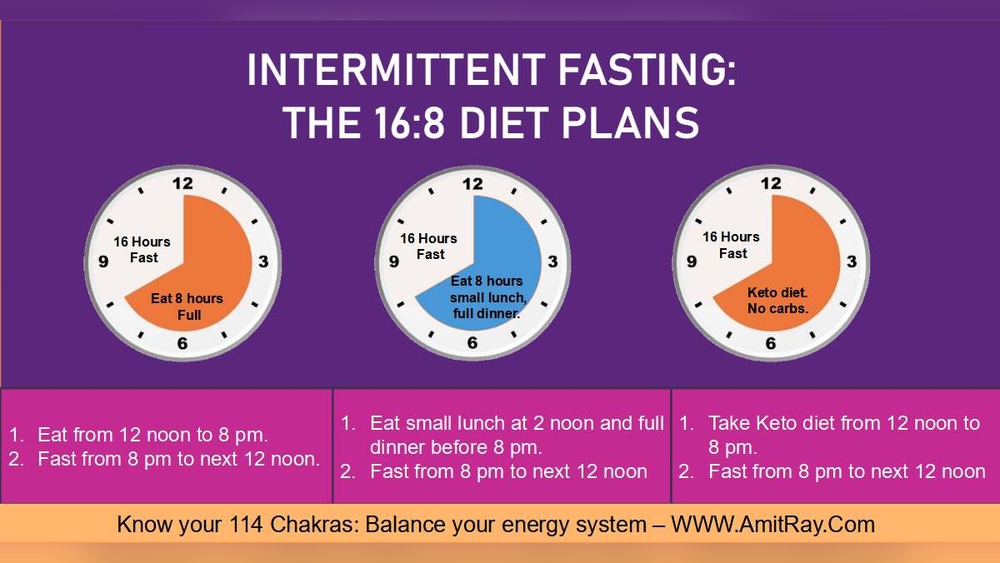
Begin by drinking plenty of water and avoiding heavy meals. Choose a fasting window that fits your lifestyle. Prepare mentally by setting clear goals and planning light activities during the fast.
How Can I Manage Hunger During An 8-hour Fast?
Stay hydrated with water, herbal tea, or black coffee. Distract yourself with light activities or work. Remember, hunger comes in waves and usually passes within a few minutes.
Is It Safe To Fast For 8 Hours Daily?
Yes, an 8-hour fast is generally safe for most healthy adults. It can improve metabolism and support weight management. Consult a doctor if you have medical conditions or concerns.
What Should I Eat After Completing An 8-hour Fast?
Choose nutrient-dense foods like lean proteins, healthy fats, and vegetables. Avoid heavy, sugary, or processed foods to prevent energy crashes. Eat slowly and mindfully to support digestion.
Conclusion
Fastening within 8 hours takes focus and good planning. Break tasks into small steps and follow them carefully. Use the right tools to save time and effort. Stay organized and check your progress often. Avoid rushing to keep work safe and strong.
Practice makes the process quicker and easier. Keep these tips in mind for better results. You can finish your fastening work well and on time. Simple actions lead to great outcomes.