If you’ve ever needed to lift your car safely, knowing how to raise a car floor jack is a skill you can’t afford to miss. Whether you’re changing a tire or doing basic maintenance, using your floor jack correctly keeps you and your vehicle safe.
In this guide, you’ll learn simple, step-by-step instructions that anyone can follow. By the end, you’ll feel confident handling your floor jack like a pro—no guesswork, no stress. Ready to make your next car task easier and safer? Keep reading.
Choosing The Right Floor Jack
Choosing the right floor jack is important for safety and ease. A good floor jack lifts your car smoothly and holds it steady. Picking the correct type and size makes your work easier. This guide helps you find the right floor jack for your needs.
Types Of Floor Jacks
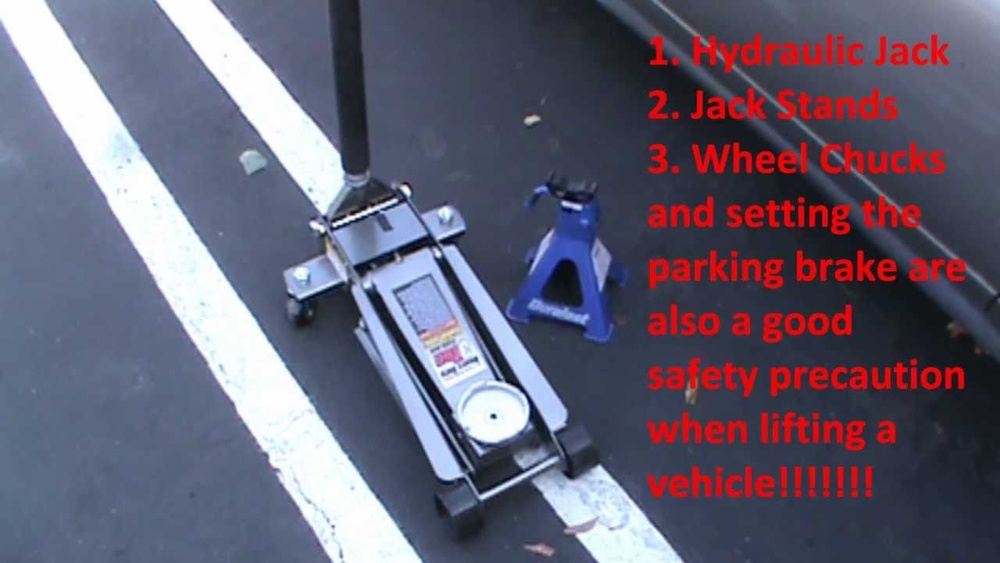
There are several types of floor jacks. Hydraulic jacks use fluid pressure to lift heavy loads. They are common and easy to use. Bottle jacks are small and powerful but need more space. Scissor jacks are lightweight and portable but lift less weight. Choose a type that fits your car and space.
Weight Capacity Considerations
Check the weight capacity before buying a floor jack. The jack must support your car’s weight safely. Look at your vehicle’s weight in the manual or online. Choose a jack with a higher capacity than your car’s weight. This adds a safety margin and prevents accidents.
Material And Build Quality
Material affects the jack’s strength and durability. Steel jacks are strong but heavy. Aluminum jacks are lighter and resist rust. Good build quality means stable lifting and longer use. Avoid cheap jacks that bend or leak. Choose a jack made with solid materials and strong parts.
Credit: www.redlinestands.com
Preparing Your Vehicle
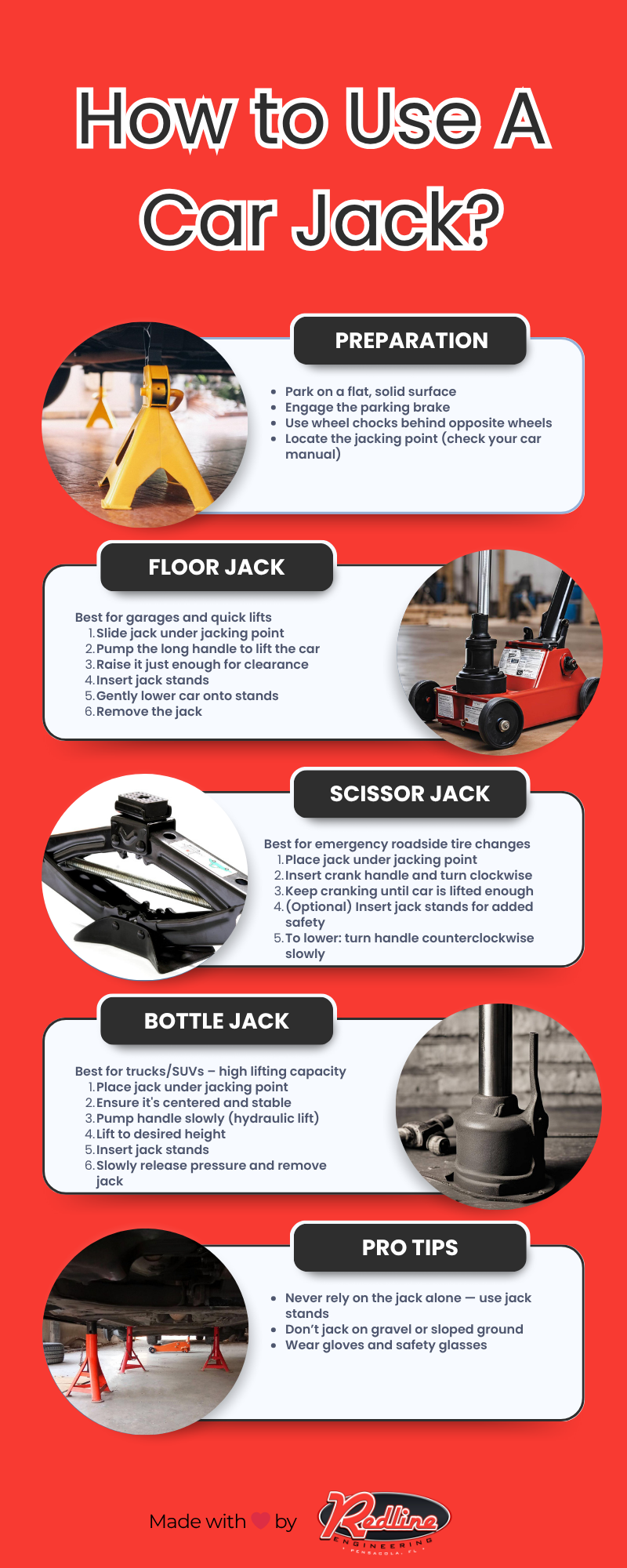
Before raising a car floor jack, prepare your vehicle carefully. This step ensures safety and stability during the lifting process. Take time to follow each precaution. It helps avoid accidents and damage to your car.
Selecting A Safe Lifting Spot
Choose a flat, solid surface to place the jack. Avoid soft ground or slopes. Concrete or asphalt works best. Look for a spot clear of debris and obstacles. This keeps the jack steady and prevents slipping.
Engaging The Parking Brake
Set the parking brake firmly before lifting. This stops the car from rolling. Engage the brake even on flat ground. It adds an extra layer of safety while working under the car.
Chocking The Wheels
Place wheel chocks on the wheels opposite the one you lift. This blocks the car from moving. Use wooden blocks or rubber chocks for best grip. Chocking the wheels is a simple step that prevents accidents.
Positioning The Floor Jack
Positioning the floor jack correctly is key for safe and effective lifting. A well-placed jack keeps the car steady and prevents accidents. Follow simple steps to find the right spot and keep the jack stable throughout the process.
Locating The Jack Points
Look under the car for the designated jack points. These spots are made to hold the jack safely. Check the owner’s manual if unsure. Avoid placing the jack on soft or uneven surfaces.
Aligning The Jack Correctly
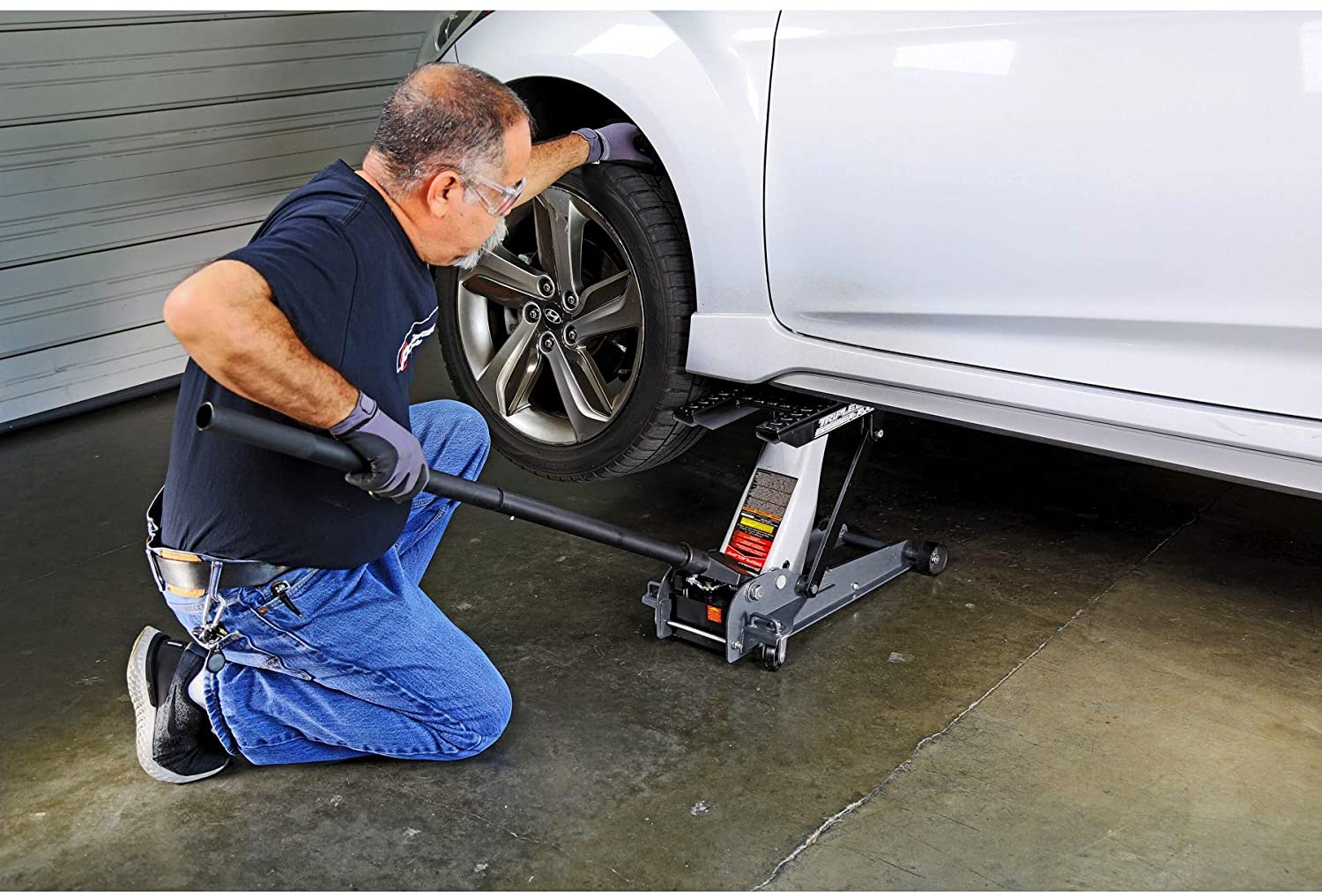
Place the jack so its lifting pad sits directly under the jack point. Make sure the jack is straight and centered. Misalignment can cause slipping or damage to the car. Adjust the jack until it fits snugly under the point.
Ensuring Stability
Before lifting, press down on the jack handle slowly. Watch for any movement or wobbling. Use wheel chocks on the tires to stop the car from rolling. Keep the ground flat and solid for best stability.
Raising The Vehicle Safely
Raising a vehicle with a floor jack needs careful attention. Safety is the top priority. Taking the right steps helps avoid accidents and damage. Always prepare the area and check the jack before lifting.
Operating The Jack Handle
Place the jack handle firmly in the pump socket. Turn the handle slowly to start raising the jack. Use steady, smooth movements to control the lift. Avoid quick or jerky turns. This helps keep the vehicle stable and the jack secure.
Lifting At A Steady Pace
Lift the vehicle slowly and evenly. Stop often to check the jack’s position. Do not rush the process. A steady pace prevents sudden shifts or slips. Take your time to ensure the vehicle rises safely.
Monitoring Vehicle Stability
Watch the vehicle as it lifts. Look for any signs of tilting or wobbling. The vehicle should stay firm on the jack. If it moves or feels unstable, lower it and adjust the jack. Keeping the vehicle stable protects you and your car.
Securing The Vehicle After Lifting
Securing the vehicle after lifting is a critical step in using a car floor jack safely. It prevents the car from moving or falling. This keeps you safe while working under the vehicle. Always take time to secure the car before starting any repairs.
Using Jack Stands
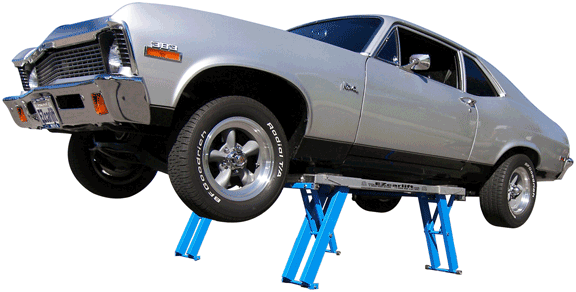
Place jack stands under the car at strong points. These points are usually near the wheels or frame. Lower the car slowly onto the stands. Never rely only on the floor jack to hold the car up. Jack stands provide stable support and reduce the risk of accidents.
Double Checking Stability
After placing the jack stands, shake the car gently. Check if it moves or feels unstable. If it moves, reposition the stands and check again. Make sure the car sits firmly and evenly on the stands. Stability is key for safe work below the vehicle.
Avoiding Common Mistakes
Do not lift the car on soft or uneven ground. Avoid placing jack stands on weak parts of the vehicle. Never work under a car held only by a jack. Always use wheel chocks to stop the car from rolling. These simple steps prevent serious injuries and damage.
Lowering The Vehicle Properly
Lowering the vehicle properly is very important for safety and to avoid damage. Taking your time and following the right steps helps prevent accidents. This part of the process needs care and attention.
Releasing The Jack Slowly
Turn the jack handle slowly to release pressure. Do it little by little. This helps the car lower smoothly and safely. Quick release can cause the car to drop suddenly. Always watch the vehicle as it lowers. Stop if it moves unevenly.
Removing Jack Stands Safely
Make sure the car is stable before removing jack stands. Remove them one at a time. Lower the car slightly with the jack to take weight off the stands. Never remove stands while the car is fully supported by them. Keep your hands and feet clear of the car.
Final Safety Checks
Check that the car sits firmly on the ground. Ensure the jack is fully lowered and removed. Look around to confirm no tools or parts remain under the vehicle. Test the car’s stability by gently shaking it. Only drive after these checks are complete.
Maintaining Your Floor Jack
Maintaining your floor jack is key to its safe and smooth operation. Regular care helps avoid breakdowns and extends its life. Simple steps keep your jack ready whenever you need it.
Regular Inspection
Check the floor jack before each use. Look for cracks, leaks, or rust on the body. Test the lifting arm for smooth movement. Ensure the release valve works well. Spotting problems early keeps you safe and prevents damage.
Lubrication Tips
Keep moving parts well-lubricated. Use light machine oil on wheels, joints, and hinges. Avoid excess oil; wipe off any spills. Proper lubrication reduces wear and keeps the jack working smoothly. Oil the pump piston occasionally to maintain lift power.
Storage Best Practices
Store the floor jack in a dry, clean place. Keep it in a lowered position to protect seals. Cover it with a cloth or plastic to prevent dust buildup. Avoid damp areas that cause rust. Proper storage ensures your jack lasts longer and stays ready.
Credit: www.powerbuilt.com
Credit: www.garageenvy.com
Frequently Asked Questions
What Is The Correct Way To Position A Car Floor Jack?
Position the floor jack under the vehicle’s designated lift point. Ensure it’s on a flat, stable surface before lifting to avoid accidents.
How Do You Safely Raise A Car With A Floor Jack?
Engage the parking brake, place wheel chocks, and slowly pump the jack handle. Lift the car until desired height is reached, then secure with jack stands.
When Should You Use Jack Stands With A Floor Jack?
Always use jack stands after raising the car. They provide stable support and prevent the vehicle from falling if the jack fails.
How High Can A Car Floor Jack Safely Lift?
Most floor jacks lift between 12 to 20 inches. Check your jack’s maximum height rating in the manual to ensure safe operation.
Conclusion
Raising a car floor jack safely is important. Always place the jack on a flat surface. Position it under the car’s lifting point. Pump the handle slowly and steadily. Stop when the car is high enough to work on. Lower the jack carefully after finishing.
Keep safety first to avoid accidents. Practice these steps to feel confident. Your car maintenance becomes easier and safer. Simple steps, great results.