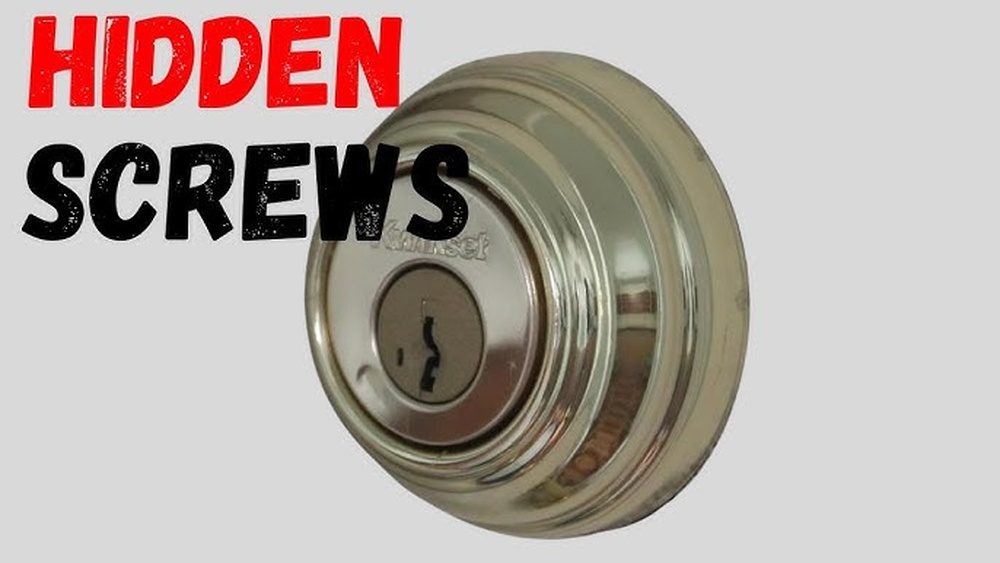
Struggling to remove a deadbolt that hides its screws? You’re not alone.
Deadbolts without visible screws can feel like a puzzle, leaving you stuck and unsure where to start. But don’t worry—there’s a simple way to get it off without damaging your door or lock. Keep reading, and you’ll discover easy steps that anyone can follow, even if you don’t have a toolbox full of gadgets.
By the end, you’ll have the confidence to handle this tricky task yourself. Ready to unlock the secret? Let’s dive in.

Credit: diy.stackexchange.com
Tools Needed
Removing a deadbolt without visible screws requires specific tools. These tools help you work carefully and avoid damage to your door. Having the right tools makes the task easier and faster.
Gathering these tools before you start saves time. It also keeps you safe while working.
Flathead Screwdriver
A flathead screwdriver helps pry off covers or plates. It fits into small gaps to loosen parts gently. Choose one with a thin, sturdy blade for better control.
Allen Wrench
Some deadbolts use hidden hex screws. An Allen wrench fits these screws to remove them. Carry a set with different sizes to match your lock.
Drill With Small Bits
A drill with small bits helps access hidden fasteners. Use it carefully to avoid damaging the door. Small bits work best for delicate parts.
Putty Knife
A putty knife slides between the lock and door surface. It helps pry apart stuck parts without scratching. Pick a flexible, thin knife for smooth work.
Needle-nose Pliers
Needle-nose pliers grip small pieces inside the lock. They pull out pins or clips with precision. Their slim shape fits into tight spaces easily.

Credit: diy.stackexchange.com
Identify Deadbolt Type
Identifying the type of deadbolt is the first step to remove it without visible screws. Different deadbolts have unique designs and mechanisms. Knowing your deadbolt type helps to find the right removal method. This process saves time and avoids damage to the door.
Single Cylinder Deadbolt
Single cylinder deadbolts have a keyhole on the outside. Inside, they have a thumb turn to lock or unlock. These deadbolts are common on many residential doors. They usually do not show screws on the faceplate. The lack of visible screws means hidden fasteners hold the lock.
Double Cylinder Deadbolt
Double cylinder deadbolts have keyholes on both sides of the door. They require a key to lock or unlock from either side. This type improves security but can be tricky to remove. No visible screws mean you must find hidden screws or clips.
Keyless Or Electronic Deadbolt
Keyless deadbolts use a keypad or fingerprint scanner. These models often hide screws under decorative covers. Removing covers reveals the fasteners. Identifying this type means looking for battery compartments or panels.
Mortise Deadbolt
Mortise deadbolts fit inside a pocket in the door edge. They have a larger faceplate than standard deadbolts. Screws may be hidden under the faceplate or trim. Recognizing this type helps to carefully remove the trim first.
Locate Hidden Screws
Removing a deadbolt without visible screws can be tricky. Many deadbolts hide their screws to keep a clean look. Finding these hidden screws is the first step to take the lock apart.
Hidden screws are often under small covers or parts of the lock. You need to carefully check these areas to find and remove the screws. This section will guide you on where to locate them.
Check Faceplate
The faceplate is the metal piece on the edge of the door. Sometimes screws hide under small stickers or paint on it. Look closely for any tiny holes or covers on the faceplate.
Use a flat tool to gently lift any covers. This can reveal the screws holding the lock to the door. Removing these screws helps to free the deadbolt mechanism.
Inspect Thumbturn
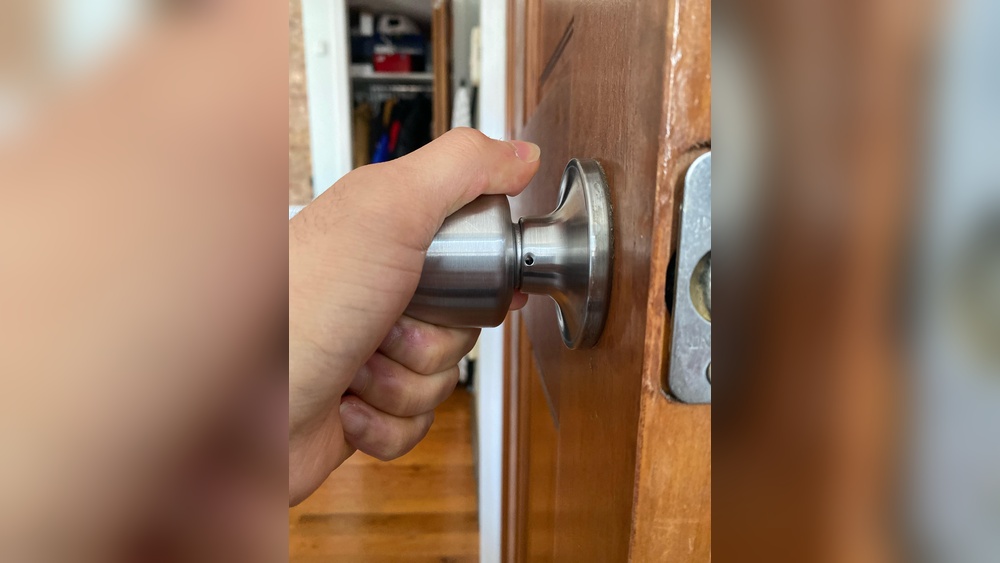
The thumbturn is the small knob inside the door that locks or unlocks the bolt. Many deadbolts hide screws behind this knob. Try twisting or pulling the thumbturn gently.
If it does not come off easily, check for a small slot or hole. A tiny flathead screwdriver can push into the slot to release the thumbturn. Once removed, you may see hidden screws underneath.
Look Behind Covers
Many locks have decorative covers or plates hiding screws. These covers snap or slide off. Use a thin tool to pry the cover carefully without damage.
Once the cover is removed, look for screws securing the deadbolt. Removing these screws allows you to take apart the lock parts safely and smoothly.
Remove Deadbolt Cover
Start by locating a small hole or slot on the deadbolt cover’s edge. Use a thin tool to press inside and gently pry the cover off. This method works well when no screws are visible.
Removing the deadbolt cover is the first step to take off a deadbolt without visible screws. The cover hides the internal parts and must come off carefully. This lets you access the screws or clips underneath. Doing this gently prevents damage to your door or lock.
Use Flathead Screwdriver
A flathead screwdriver works well to lift the deadbolt cover. Slide the tip of the screwdriver under the edge of the cover. Press lightly to create a small gap. Move the screwdriver slowly around the cover edge to loosen it. The cover should begin to pop off in pieces.
Pry Gently To Avoid Damage
Apply gentle pressure while prying to avoid scratches or dents. Too much force can damage the door or lock parts. Work your way around the cover bit by bit. Take your time to keep the door surface smooth and intact. This careful method makes removing the deadbolt easier later.
Release Deadbolt Mechanism
Removing a deadbolt without visible screws requires careful steps. The key is to release the internal mechanism first. This allows you to access hidden screws or parts. Understanding how the mechanism works makes the process easier.
Start by locating the internal components that hold the deadbolt in place. Releasing these parts helps you take the lock apart smoothly. Stay patient and follow each step carefully for best results.
Access Internal Screws
Look closely at the deadbolt’s interior side. Often, screws hide behind the thumbturn or a small cover plate. Gently pry off any covers with a flat tool. Use a flashlight for better visibility inside the lock.
Once the cover is removed, find the screws holding the deadbolt together. Use a screwdriver to loosen them slowly. Keep all screws safe for reassembly or replacement.
Turn Thumbturn To Align
Next, turn the thumbturn to a specific position. This often aligns the internal parts for easy removal. Rotate the thumbturn fully or halfway, depending on the lock model.
Aligning the thumbturn helps unlock hidden clips or latches inside. This step frees the deadbolt mechanism from the door. Turn gently to avoid breaking any pieces.

Credit: www.youtube.com
Pull Out Deadbolt
Removing a deadbolt without visible screws can seem tricky. The pull out deadbolt method works well in this case. It lets you take the lock apart carefully and safely.
This method focuses on pulling the deadbolt out from the door. It avoids damage and keeps the door intact. Follow the steps below to do it right.
Locate The Deadbolt Faceplate
First, find the metal plate on the door edge. This is the deadbolt faceplate. It covers the deadbolt mechanism inside the door.
Look closely for small holes or indentations. They can help you pull the deadbolt out. Sometimes, the faceplate is flush with the door. Use a flashlight to see clearly.
Use A Flat Tool To Pry
Take a flathead screwdriver or a putty knife. Insert it gently between the faceplate and the door edge. Work carefully to avoid scratching the door.
Push or wiggle the tool to loosen the faceplate. The deadbolt will start to move out a little. Keep prying slowly until you can grab the deadbolt.
Pull The Deadbolt Straight Out
Grab the deadbolt firmly with your hand or pliers. Pull it straight out from the door edge. Do not twist or bend it as you pull.
The deadbolt should slide out smoothly if loosened well. If it feels stuck, stop and try prying more. Patience helps prevent damage.
Handle Stuck Deadbolt
A deadbolt handle can get stuck for many reasons. Dirt, rust, or lack of use often cause it to jam. This problem can make removing the deadbolt tricky. It needs gentle handling and simple fixes. These steps help loosen the handle without damage.
Apply Lubricant
Spray a small amount of lubricant into the keyhole and around the handle. Use a lubricant made for locks, like WD-40 or graphite powder. Wait a few minutes to let it work inside the mechanism. Try to move the handle slowly. The lubricant should help free up stuck parts.
Use Gentle Tapping
Lightly tap the handle and surrounding area with a small hammer or a screwdriver handle. Tap gently to avoid damage. This can help loosen rust or dirt inside the lock. After tapping, try moving the handle again. Repeat the process if needed, with care each time.
Replace Or Reinstall Deadbolt
Removing a deadbolt without visible screws can be tricky. After removal, you may want to replace or reinstall the deadbolt for security. This section covers key steps to ensure your deadbolt fits well and works properly.
Choose Compatible Lock
Pick a deadbolt that fits your door’s thickness. Check the backset measurement carefully. Make sure the new lock matches the hole size. Choose a lock with a similar style for easy installation. Compatibility avoids extra drilling or adjustments.
Secure Properly
Align the deadbolt with the door holes precisely. Use the included screws or bolts for firm attachment. Tighten screws evenly to avoid misalignment. Test the lock several times to ensure smooth operation. A secure deadbolt improves home safety and lasts longer.
Frequently Asked Questions
How Do You Remove A Deadbolt Without Visible Screws?
To remove a deadbolt without visible screws, look for a hidden release slot or clip. Use a flathead screwdriver to press the release and slide off the faceplate carefully.
What Tools Are Needed To Remove A Screwless Deadbolt?
You typically need a flathead screwdriver or a small pry tool. These help access hidden clips or tabs holding the deadbolt in place.
Can I Remove A Deadbolt Without Damaging The Door?
Yes, by carefully locating and pressing hidden release mechanisms, you can remove the deadbolt without damaging the door or hardware.
Why Are Some Deadbolts Installed Without Visible Screws?
Manufacturers hide screws for aesthetic reasons and added security. This design prevents easy tampering and gives a cleaner look.
Conclusion
Removing a deadbolt without visible screws can seem tricky at first. Focus on finding hidden fasteners or using gentle prying tools. Take your time to avoid damage. With patience, the lock will come off smoothly. This method saves you from drilling or extra work.
Keep safety in mind throughout the process. You can handle this task with simple steps and care. Now, you are ready to remove those tricky deadbolts with ease.