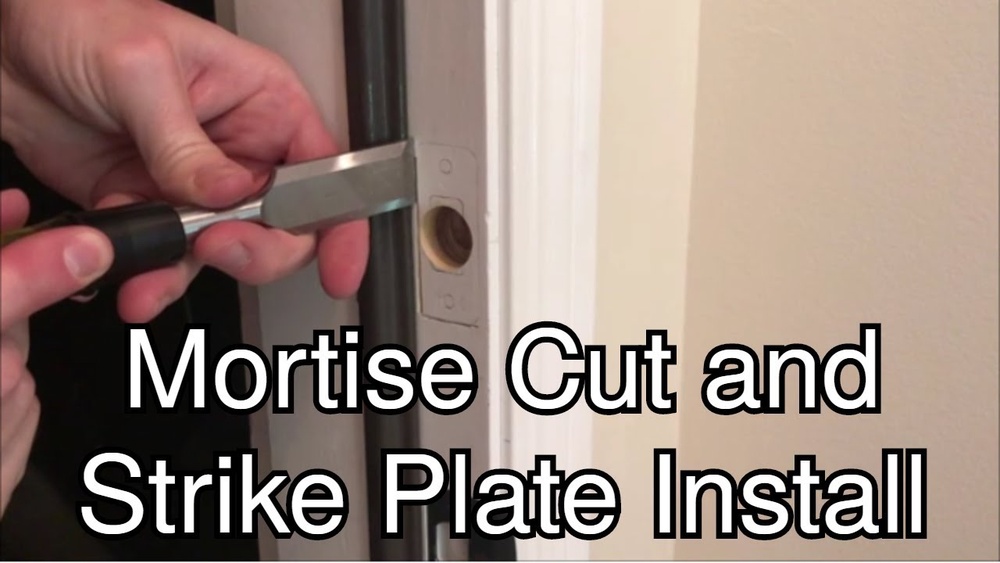
Is your metal door’s deadbolt lock no longer working? Replacing it might seem tricky, but you can do it yourself with the right steps.
Imagine feeling safer without waiting for a locksmith or paying extra fees. This guide will walk you through each simple step, saving you time and money. Keep reading, and you’ll have your new lock installed quickly and securely—giving you peace of mind in no time.
Tools And Materials Needed
Choosing the right deadbolt is key to securing a metal door. A good deadbolt offers strength and peace of mind. It must fit your door and meet your security needs. Not all deadbolts are the same. Knowing the options helps pick the best one.
Types Of Deadbolts
Single-cylinder deadbolts work with a key outside and a thumb turn inside. They are easy to use but need a solid door frame. Double-cylinder deadbolts need a key on both sides. They offer extra security but can be tricky in emergencies. Keyless deadbolts use codes or fingerprints. They add convenience but need batteries or power.
Material And Build Quality
Choose deadbolts made from strong metals like steel or brass. These resist drilling and weather damage. Check for a solid bolt at least one inch long. A thick bolt means better protection. Look for good finishing to prevent rust and wear.
Security Ratings
Look for deadbolts rated by ANSI or BHMA. Grade 1 is the highest for residential locks. Grade 2 offers good security at a lower cost. Grade 3 is basic and less secure. A higher grade means tougher locks and better protection.
Compatibility With Metal Doors
Deadbolts must fit metal door thickness and frame type. Some locks need special screws or plates for metal doors. Measure your door’s thickness before buying. Check if the lock supports metal door installation. Proper fit ensures smooth operation and security.

Credit: www.youtube.com
Choosing The Right Deadbolt
Preparing the door is the first step to replace a deadbolt lock on a metal door. This process ensures the new lock fits well and works smoothly. It involves removing the old lock and cleaning the door surface. Both tasks make the installation easier and help the lock last longer.
Removing The Old Lock
Start by unscrewing the screws on the inside of the door. These screws hold the deadbolt in place. Pull the lock parts gently from both sides of the door. Remove the latch from the edge of the door by unscrewing it. Keep the screws safe; you might use them later. Check the door edge and holes for any damage or rust. Fix small problems before installing the new lock.
Cleaning The Door Surface
Use a clean cloth to wipe dust and dirt from the door surface. Clean inside the holes and around the edges. Remove any rust with fine sandpaper or a wire brush. Wipe the area again to remove loose particles. A clean surface helps the new lock fit tight and work well. This step also improves the door’s look and stops rust from spreading.
Preparing The Door
Installing the new deadbolt on a metal door requires careful steps. This ensures the lock works smoothly and keeps your door secure. Follow the instructions closely for a proper fit.
Aligning The Lock Components
Start by placing the exterior part of the deadbolt through the hole in the door. Make sure the tailpiece lines up with the inside mechanism. Check that the lock cylinder sits flush against the door surface. The parts must fit together without gaps or force. Proper alignment prevents the lock from sticking or jamming.
Securing The Lock To The Door
Hold the interior assembly over the tailpiece on the inside of the door. Insert the screws into the holes and tighten them evenly. Use a screwdriver to avoid stripping the screws. Tighten just enough to hold the lock firmly. Over-tightening can bend or damage the door or lock. Test the deadbolt by turning the key and thumb turn to ensure smooth movement.
Credit: www.reddit.com
Installing The New Deadbolt
Testing the lock function is a key step after replacing a deadbolt on a metal door. It ensures the lock works well and keeps the door secure. This process checks both the key and the bolt. Take time to test carefully. A working lock gives peace of mind.
Checking The Key Operation
Insert the key into the lock smoothly. Turn the key slowly to the right and left. The key should move without force or sticking. Try the key several times. It must turn easily in both directions. If the key is hard to turn, the lock may need adjustment. A smooth key operation means the lock is ready to use.
Ensuring Smooth Bolt Movement
Next, check the bolt inside the door. Turn the key or thumb turn to move the bolt in and out. The bolt should slide smoothly into the door frame. No jamming or resistance should occur. Test this several times. The bolt’s motion is crucial for proper locking. A smooth bolt means the lock fits well and works correctly.
Testing The Lock Function
Replacing a deadbolt lock on a metal door can sometimes lead to common problems. These issues can stop the lock from working properly. Fixing them quickly helps keep your door secure and easy to use. Below are some common problems and how to solve them.
Misaligned Bolt
The bolt must fit into the strike plate correctly. If it does not, the door will not lock or unlock smoothly. Check if the bolt lines up with the hole in the strike plate. If it is off, loosen the screws on the strike plate. Move it slightly until the bolt fits well. Tighten the screws and test the lock. Sometimes, the door frame may need slight adjustment to fix alignment.
Loose Lock Components
Loose parts can cause the lock to feel wobbly or not work right. Check all screws on the lock and door handle. Tighten any that are loose. Look inside the lock for parts that may be out of place. If the lock feels loose, remove it carefully and check the mounting plate. Secure any loose parts before reinstalling. This keeps the lock stable and working smoothly.
Troubleshooting Common Issues
Keeping your deadbolt lock in good shape helps it last longer. Regular care stops problems before they start. Simple steps can keep your lock working smoothly and safely. Follow these tips to protect your metal door’s lock.
Cleaning The Lock Regularly
Dirt and dust can block the lock’s mechanism. Use a soft cloth to wipe the lock surface. Avoid water or harsh chemicals that can cause rust. Clean inside the keyhole with compressed air to remove debris.
Lubricating The Deadbolt
Lubrication helps the lock parts move easily. Use a graphite or silicone-based lubricant. Spray a small amount into the keyhole and moving parts. Avoid oil-based lubricants that attract dirt and gum up the lock.
Checking For Loose Screws
Loose screws can make the lock weak. Tighten screws on the lock and strike plate. Use a screwdriver to check every few months. This keeps the lock secure and prevents damage.
Testing The Lock Operation
Test the lock often to catch problems early. Insert and turn the key smoothly. Make sure the deadbolt slides in and out easily. Fix any sticking or hard turning right away to avoid bigger issues.

Credit: www.parkavenuelocks.com
Frequently Asked Questions
How Do I Remove A Deadbolt From A Metal Door?
Start by unscrewing the interior screws of the deadbolt. Remove the interior and exterior lock parts. Then, pull out the latch mechanism from the edge of the door carefully.
What Tools Are Needed To Replace A Deadbolt Lock?
You will need a screwdriver, new deadbolt lock, tape measure, and possibly a drill. These tools help remove the old lock and install the new one accurately.
Can I Install A Deadbolt Lock Myself?
Yes, installing a deadbolt lock yourself is possible with basic tools. Follow instructions carefully, measure precisely, and ensure the lock fits your metal door properly.
How Do I Choose The Right Deadbolt For A Metal Door?
Select a deadbolt designed for metal doors with strong materials. Ensure it has a reinforced strike plate and fits your door’s thickness.
Conclusion
Replacing a deadbolt lock on a metal door is simple with the right steps. Take your time and follow each instruction carefully. Use basic tools you already have at home. Double-check the fit before tightening screws. This helps keep your door secure and safe.
Doing it yourself saves money and builds confidence. A working lock gives peace of mind every day. Keep your home protected with this easy fix. Try it once—you might find it easier than you thought.