Are you planning to hang something on your wall but unsure if a plastic wall anchor can hold the weight? Knowing how much weight a plastic wall anchor can support is crucial to keep your items safe and your walls damage-free.
Whether it’s a heavy mirror, a shelf, or a picture frame, using the right anchor makes all the difference. You’ll discover exactly how much weight these anchors can bear and what factors affect their strength. Keep reading to avoid costly mistakes and make your wall projects strong and secure.
Types Of Plastic Wall Anchors
Understanding the weight capacity of plastic wall anchors is essential for safe and effective use. Several factors affect how much weight an anchor can hold. Knowing these can help you choose the right anchor for your project. Below are the key elements that influence weight capacity.
Anchor Size And Design
Larger anchors generally hold more weight than smaller ones. The design also matters. Some anchors expand or grip the wall better. This grip increases strength. Thicker plastic or special shapes often mean higher weight limits.
Wall Material
The type of wall affects anchor strength. Drywall, plaster, and concrete all hold anchors differently. Solid walls like concrete support more weight. Hollow walls need anchors that spread the load. Weak walls reduce the anchor’s holding power.
Installation Quality
Proper installation is critical for weight capacity. The hole size must match the anchor size. Inserting the anchor fully and straight helps. Loose or damaged anchors hold less weight. Careful installation ensures maximum strength.

Credit: www.picturehangsolutions.com
Factors Affecting Weight Capacity
Plastic wall anchors come in different types, each designed to hold a specific weight range. Knowing the weight limits by anchor type helps you choose the right one for your project. Using the correct anchor prevents damage and keeps your items secure.
Light-duty Anchors
Light-duty anchors hold small loads, usually up to 10 pounds. They work well for hanging picture frames, small mirrors, or lightweight decorations. These anchors are easy to install in drywall and plaster.
Medium-duty Anchors
Medium-duty anchors support weights between 10 and 25 pounds. They suit shelves, curtain rods, and small cabinets. These anchors offer better grip in drywall and provide more strength than light-duty types.
Heavy-duty Anchors
Heavy-duty anchors hold 25 pounds or more. Use them for heavy shelves, large mirrors, or TV mounts. These anchors require more careful installation but provide strong support in drywall and masonry walls.
Weight Limits By Anchor Type
Proper installation of plastic wall anchors is key for holding weight safely. Following specific tips ensures the anchor stays strong and secure. This helps avoid damage to walls and keeps your items stable.
Below are important steps for installing plastic wall anchors with maximum strength.
Pre-drilling Techniques
Choose the right drill bit size for the anchor. The hole should be slightly smaller than the anchor. Drill straight into the wall to avoid a loose fit. Clean out dust from the hole before inserting the anchor. This helps the anchor grip better.
Proper Anchor Placement
Find a solid spot in the wall for the anchor. Avoid weak areas like drywall seams. Place anchors away from edges to prevent cracking. Mark the spot clearly before drilling. This ensures accuracy and better support.
Avoiding Common Mistakes
Do not force the anchor into a too-small hole. This can break the anchor or damage the wall. Avoid over-tightening screws, which can strip the anchor. Use the correct anchor type for the wall material. Follow weight limits specified by the manufacturer.

Credit: www.youtube.com
Installation Tips For Maximum Strength
Testing the strength of plastic wall anchors is important for safety. It helps avoid accidents and damage. You can check how much weight the anchor holds before use. This process needs careful steps to protect yourself and your walls.
Load Testing Methods
Start with a light load to see if the anchor holds. Gradually add weight in small steps. Use a spring scale or weight set for accuracy. Avoid sudden or heavy loads that can break the anchor. Test only on a small, hidden area if possible.
Apply the load slowly and watch for any movement. Stop immediately if the anchor shifts or the wall cracks. This method shows the maximum safe weight the anchor can support.
Signs Of Anchor Failure
Watch for cracks around the anchor hole. The anchor may wiggle or pull out slightly. Walls may show small holes or crumbling near the anchor. Listen for creaking or popping sounds during load testing. These are signs the anchor is not secure.
Any sign of damage means the anchor should not hold heavy weight. Replace weak anchors with stronger or different types for safety.
Testing Anchor Strength Safely
Plastic wall anchors work well for light loads, but sometimes stronger support is needed. Choosing the right anchor depends on the weight of the item and the wall type. Several alternatives offer better strength and durability for heavier objects. These options provide more secure holds and reduce the risk of damage.
Metal Anchors
Metal anchors are stronger than plastic ones. They resist bending and breaking under pressure. These anchors work well with drywall and plaster walls. Metal anchors expand inside the wall, gripping tightly. They hold medium-weight items like shelves and mirrors securely.
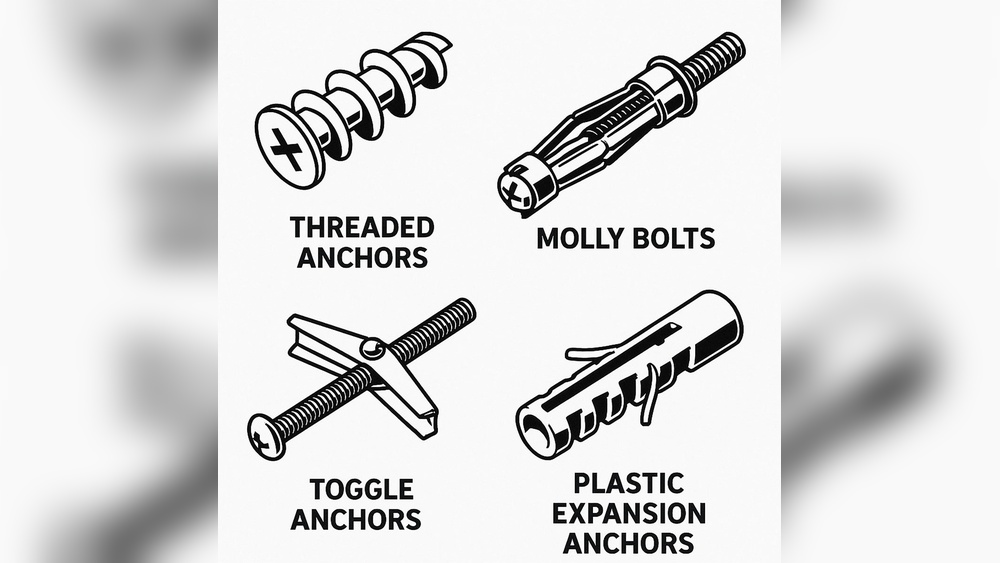
Molly Bolts
Molly bolts are hollow metal anchors with expandable legs. When tightened, they spread inside the wall for a firm grip. They work best in drywall and hollow walls. Molly bolts can support heavier objects than plastic anchors. Ideal for mounting cabinets, heavy mirrors, and large frames.
Toggle Bolts
Toggle bolts have metal wings that open inside the wall. This creates a strong anchor point behind the drywall. They hold the most weight among common anchors. Use toggle bolts for very heavy items like large shelves or TVs. They require a larger hole but offer excellent support.
Alternatives To Plastic Wall Anchors
Choosing the right plastic wall anchor is key to a safe and strong hold. The wrong anchor can fail and cause damage. Each project needs a specific anchor type based on weight, wall material, and environment. Understanding these factors helps you pick the best anchor.
Assessing Weight Requirements
Know the weight your anchor must support. Light items like picture frames need small anchors. Heavy shelves or cabinets need strong anchors. Always check the weight limits on anchor packaging. Add extra strength for safety.
Matching Anchor To Wall Type
Walls vary: drywall, plaster, brick, or concrete. Plastic anchors work well in drywall and plaster. For brick or concrete, use specialized anchors. Using the wrong anchor can cause slipping or damage. Choose anchors designed for your wall type.
Considering Environmental Factors
Think about moisture and temperature near the wall. Bathrooms or kitchens have more moisture. Some plastic anchors resist water better than others. Avoid anchors that weaken in humid areas. Use corrosion-resistant anchors for outdoor walls.

Credit: www.angi.com
Frequently Asked Questions
How Much Weight Can A Plastic Wall Anchor Hold?
Plastic wall anchors typically hold between 10 to 25 pounds. The weight depends on the anchor size and wall material. Larger anchors and solid walls support more weight. Always check manufacturer guidelines for exact weight limits before use.
Are Plastic Wall Anchors Suitable For Heavy Items?
Plastic wall anchors are best for light to medium loads. For heavy items, consider metal anchors or toggle bolts. Using plastic anchors beyond their capacity risks damage to walls and fixtures. Choose anchors based on the weight and type of your item.
How Does Wall Type Affect Plastic Anchor Weight Capacity?
Weight capacity varies with wall type: drywall, plaster, or masonry. Drywall anchors hold less weight than anchors used in brick or concrete. Always match the anchor to your wall material to ensure maximum holding strength and safety.
Can Plastic Wall Anchors Be Reused Safely?
Plastic wall anchors are generally not reusable. Removing them can damage the anchor and reduce holding power. It’s best to use a new anchor for each installation to maintain secure fastening and prevent wall damage.
Conclusion
Plastic wall anchors hold different weights depending on size and type. Small anchors support light items like pictures or clocks. Larger anchors can hold heavier things such as shelves or mirrors. Always check the anchor’s weight rating before use. Use the right anchor for your wall material too.
This helps keep your items safe and secure. Choosing the correct anchor avoids damage to walls and objects. Simple steps lead to strong, lasting wall support. Keep these points in mind for your next project.