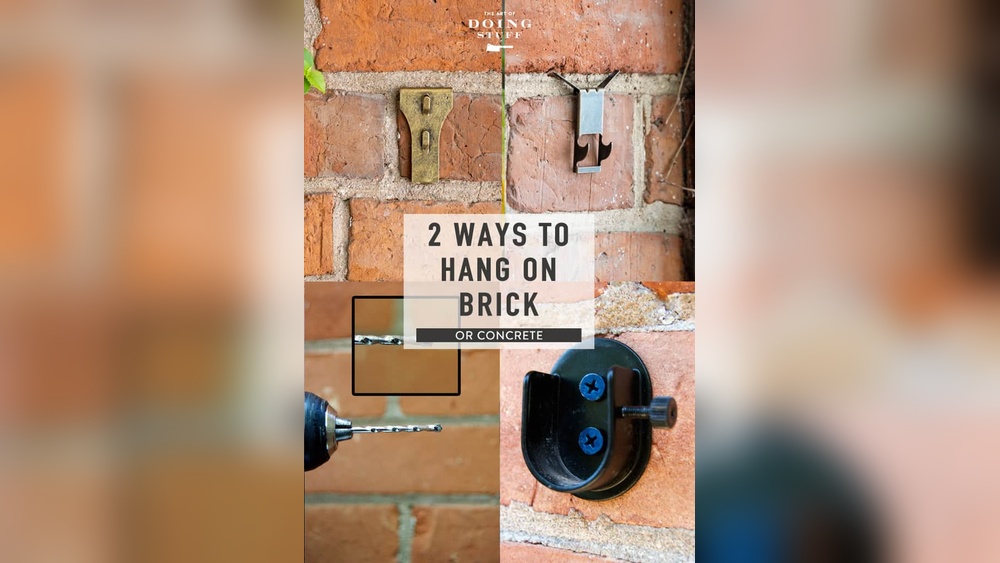
If you’ve ever tried to hang something on a brick wall, you know it’s not as simple as just screwing in a hook. The hard surface can be tricky, and using the wrong tools might damage your wall or leave your hook loose.
But don’t worry—this guide will show you exactly how to screw a hook into a brick wall the right way. By following a few easy steps, you’ll secure your hook firmly and avoid common mistakes that waste time and effort.
Ready to get your wall hook perfectly in place? Keep reading and you’ll have it done in no time.

Credit: www.youtube.com
Choosing The Right Hook
Choosing the right hook is very important for a brick wall. The hook must fit the wall and the item you want to hang. It should hold the weight safely without damaging the wall. Picking the correct hook makes the job easier and safer.
Types Of Hooks For Brick Walls
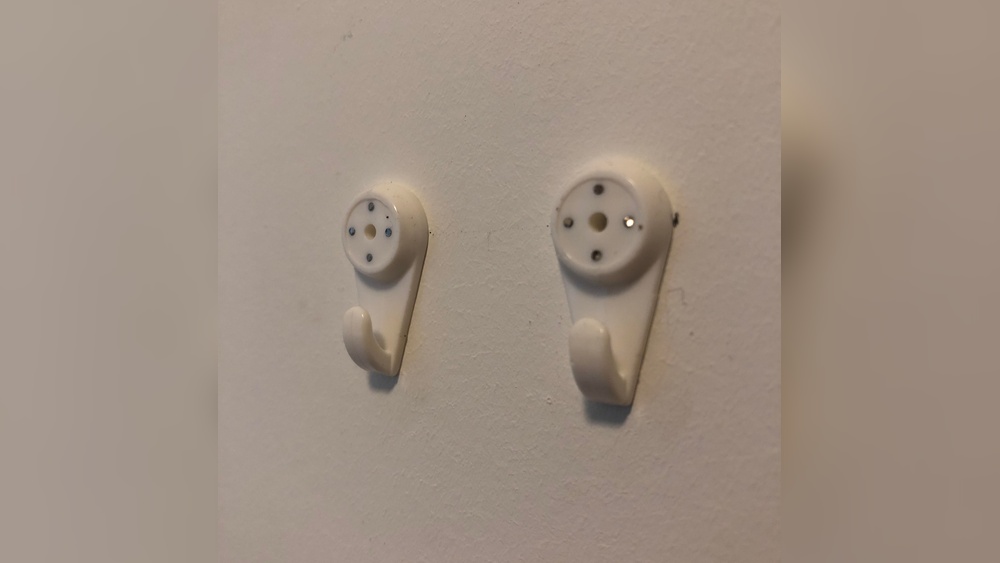
There are many hooks made for brick walls. Masonry hooks have a sharp tip to go into the mortar. Screw hooks are good for light items and easy to install. Heavy-duty hooks have special anchors to hold more weight. Choose a hook that matches the wall and your needs.
Weight Capacity Considerations
Check how much weight the hook can hold. Light hooks fit small plants or pictures. Heavy hooks support shelves or large decorations. Use a hook with a weight limit higher than your item. This keeps the hook secure and prevents accidents.

Credit: www.youtube.com
Tools And Materials Needed
Before screwing a hook into a brick wall, gather the right tools and materials. The right equipment makes the job easier and safer. This section lists the essential items needed for the task. Each tool and material has its own role in the process.
Drill And Masonry Bits
A power drill is necessary to create holes in the brick. Use a drill with good power for tough surfaces. Masonry bits are special drill bits for bricks and stones. These bits help make clean holes without cracking the brick. Choose the correct size bit for the wall anchor you will use.
Wall Anchors And Screws
Wall anchors provide support inside the brick. They stop screws from loosening or falling out. Use anchors made for masonry or brick walls. Pick screws that fit the anchors and the hook. The right screw length ensures the hook holds firmly.
Safety Gear
Safety gear protects you during drilling. Use safety glasses to shield your eyes from dust and debris. Wear gloves to protect your hands from sharp edges. A dust mask helps prevent inhaling brick dust. Safety first keeps the work safe and comfortable.
Preparing The Brick Wall
Preparing the brick wall is an important step before screwing in a hook. It helps you avoid damage and ensures the hook holds well. A well-prepared wall makes your work easier and safer. Follow clear steps to get the best results.
Locating The Right Spot
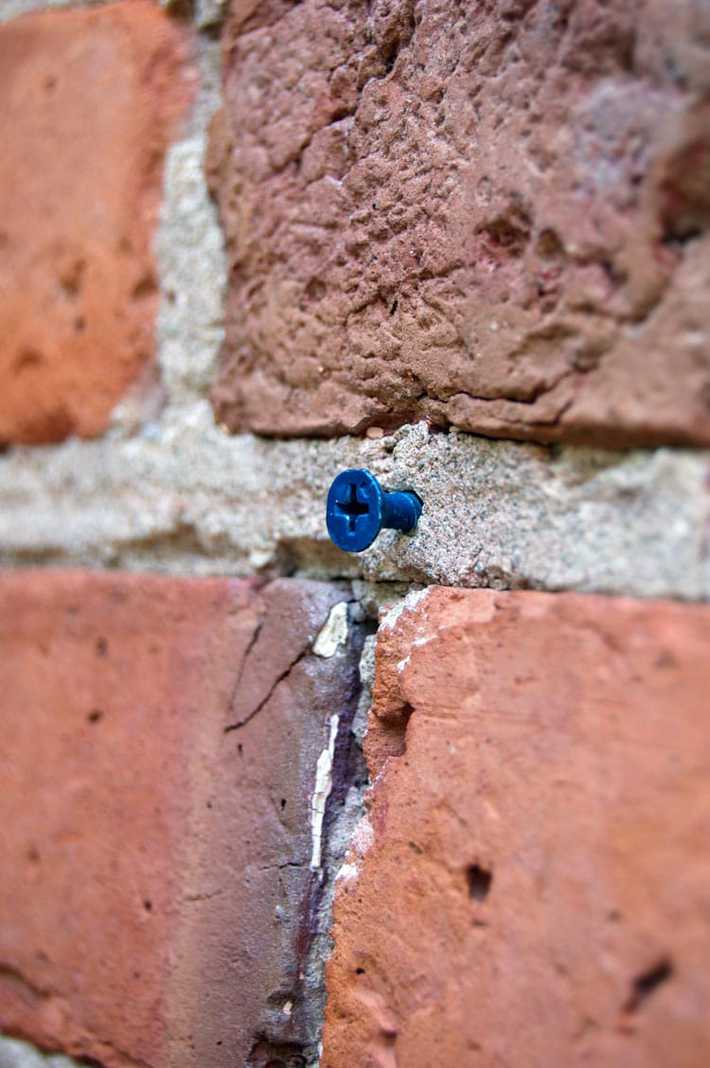
Find a solid part of the brick, not the mortar between bricks. Brick is stronger and holds screws better. Choose a spot that supports the hook’s weight. Avoid cracks or loose bricks. Check the area carefully with your hands to feel for firmness.
Marking The Drilling Point
Use a pencil or marker to mark the exact spot. Marking helps you drill in the right place. Double-check the mark before drilling. Keep the mark small but clear. This step guides your drill and prevents mistakes.
Drilling Into The Brick
Drilling into brick requires care and the right tools. It is different from drilling into wood or drywall. Brick is hard and can crack if you drill too fast or use the wrong technique. Proper drilling helps create a clean hole for the hook to hold firmly. This step is important for safety and durability. Follow simple rules to drill into brick safely and effectively.
Choosing The Drill Speed
Use a slow to medium drill speed. High speed can overheat the drill bit. Overheating weakens the bit and damages the brick. A slower speed lets the bit cut smoothly. It also prevents dust from flying everywhere. For best results, use a hammer drill with a speed setting below 1000 RPM. This balance helps control the drill and keeps the hole neat.
Drilling Technique For Clean Holes
Start by marking the spot clearly. Hold the drill steady and straight. Apply gentle, steady pressure. Let the drill bit do the work. Don’t push too hard. Pull the bit out occasionally to clear dust. This keeps the hole clean and prevents jamming. Drill slowly until you reach the desired depth. Clean holes ensure the hook fits well and stays secure.
Installing The Anchor
Installing the anchor is a key step when screwing a hook into a brick wall. The anchor holds the hook firmly in place. It stops the hook from loosening or falling out over time. Proper installation makes your hook strong and safe.
Follow the steps carefully to ensure a secure hold. Use the right tools and materials for the best results.
Inserting The Wall Plug
First, choose a wall plug that fits the hole size. The hole must be drilled slightly smaller than the plug. Gently push the wall plug into the hole. Use a hammer softly if needed. The plug should sit flush with the wall surface. Avoid forcing it too hard to prevent damage.
Ensuring A Tight Fit
Check the wall plug is tight and does not move. A loose plug weakens the hold of the hook. If the plug feels loose, try a larger size. The plug must grip the brick firmly inside the hole. This grip keeps the screw steady and secure.
Credit: www.theartofdoingstuff.com
Screwing In The Hook
Screwing a hook into a brick wall requires careful steps to ensure it holds firmly. The process starts by positioning the hook correctly and ends with securing it tightly. Each step matters for a durable hold.
Aligning The Hook
Place the hook on the wall where you want it. Check that it is straight and level. Mark the spot with a pencil through the hook’s hole. Proper alignment helps the hook hold weight evenly.
Securing For A Strong Hold
Insert a wall plug into the drilled hole for extra grip. Then, place the hook and screw it in slowly. Use a screwdriver or drill at low speed. Tighten the screw until the hook feels firm but avoid overtightening. This prevents damage to the brick and ensures stability.
Testing The Hook’s Strength
Testing the hook’s strength is a vital step after screwing it into a brick wall. It ensures the hook can hold the weight you plan to hang. This prevents accidents and damage to your wall or items.
Take time to test carefully. This will give you confidence in the hook’s hold and safety.
Applying Weight Gradually
Start by adding a small weight to the hook. Watch closely how the hook and wall react. Increase the weight slowly in steps. Each time, check if the hook stays firm. This slow process helps avoid sudden failure.
Stop adding weight once the hook feels secure and stable. This step is key to avoid overloading the hook.
Checking For Stability
Look for any movement or wobbling in the hook. Press gently on the hook from different angles. If it shifts or loosens, it needs to be reinstalled or supported better. Check the brick around the hook for cracks or damage. Any sign of damage means the hook is not safe to use.
Only use the hook after you confirm it is stable and solid. Safety comes first for all hanging projects.
Troubleshooting Common Issues
Troubleshooting common issues is key when screwing a hook into a brick wall. Problems can slow you down or cause damage. Knowing how to fix these issues saves time and effort. This section helps you handle two typical problems with clear steps.
Dealing With Cracks And Loose Bricks
Cracks or loose bricks make hooks less stable. Check the brick before drilling. Avoid drilling into cracked or crumbly spots.
If a brick moves or feels loose, do not use it for support. Find a solid brick nearby. Use a masonry adhesive or mortar to fix small cracks first.
For large cracks or very loose bricks, call a professional. Trying to fix it yourself may cause more damage. Always work on a strong surface for safety.
When Hooks Don’t Hold Firmly
Hooks that don’t hold may mean the anchor is wrong or the hole is too big. Use a hammer drill for a tight, clean hole. The hole should match the anchor size exactly.
Plastic anchors work well for small hooks. For heavy items, use metal anchors or sleeve anchors. Push the anchor fully into the hole before screwing the hook.
Try tightening the hook slowly. If it still feels loose, remove it and check the hole. You may need to drill a new hole in a stronger spot.
Frequently Asked Questions
How Do I Choose The Right Hook For Brick Walls?
Select a hook designed for masonry or brick. Use metal or heavy-duty plastic hooks. Ensure the hook size matches the weight of the item you plan to hang. Proper hook type prevents damage and ensures stability.
What Tools Are Needed To Screw A Hook Into Brick?
You need a drill with a masonry bit, wall plugs, screws, a screwdriver, and a hammer. These tools help create a secure hole and fix the hook firmly into the brick.
Can I Drill Directly Into Brick Without A Wall Plug?
No, drilling directly without a wall plug risks weak support. Wall plugs expand inside the hole, securing screws firmly. This prevents the hook from loosening or falling off the brick surface.
How Deep Should I Drill For A Hook In Brick?
Drill a hole about 1 to 1. 5 inches deep or slightly longer than the wall plug. This depth ensures the plug fits well and holds the screw tightly for a strong hook attachment.
Conclusion
Screwing a hook into a brick wall is simple with the right steps. Choose the correct drill bit and anchor for a strong hold. Take your time to mark and drill carefully. This ensures the hook stays secure and safe.
With practice, you will feel confident doing it yourself. Enjoy hanging your items without worry or damage. Keep these tips in mind for future projects. Easy, effective, and reliable—just how it should be.