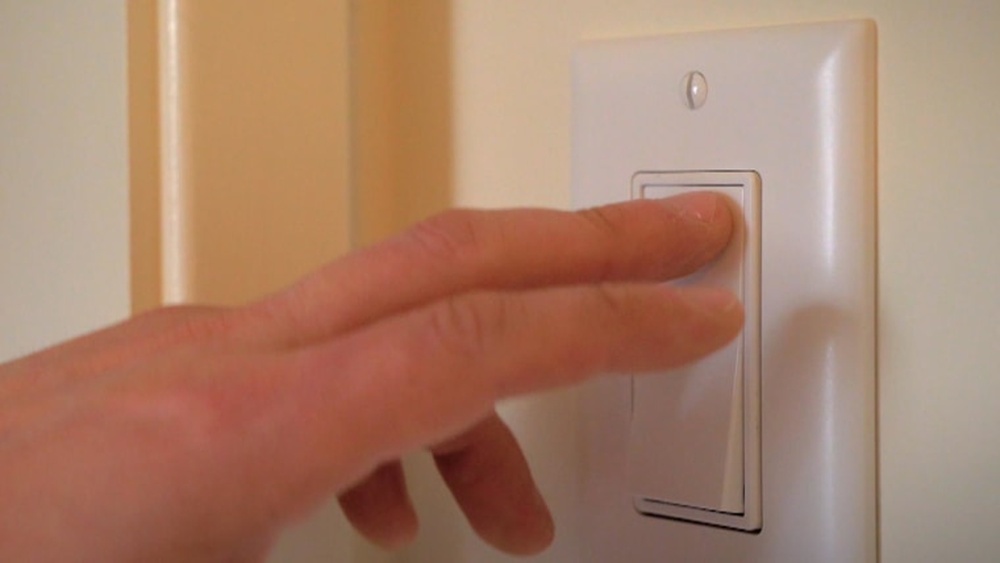
Your light switch plates are touched countless times every day, making them a hotspot for dirt, grime, and germs. Yet, they often get overlooked during cleaning.
If you want your home to feel truly fresh and safe, knowing how to clean light switch plates the right way is essential. You’ll discover simple, effective steps to make your switch plates shine without causing any damage. Keep reading—you’ll be surprised how easy it is to bring back that clean, polished look!
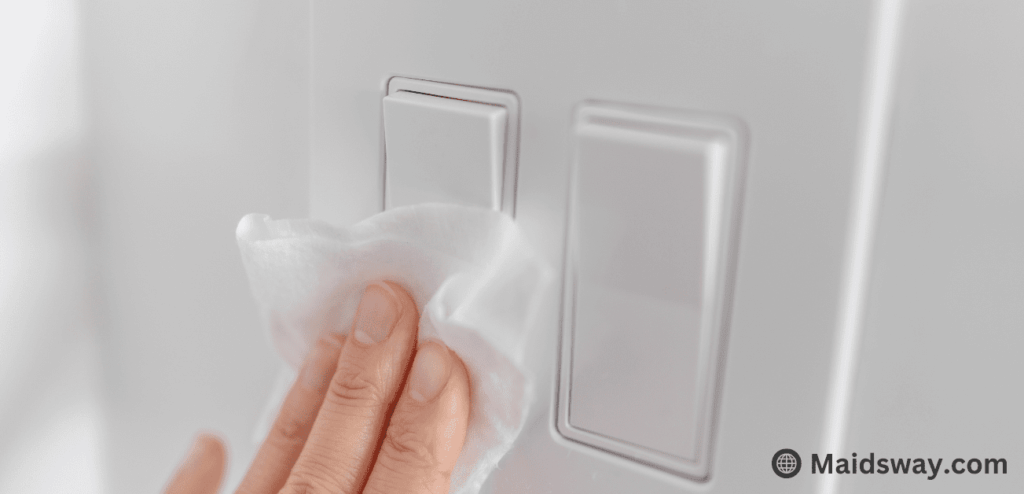
Credit: maidsway.com
Choosing The Right Cleaning Supplies
Choosing the right cleaning supplies is key to keeping light switch plates spotless. The wrong products can damage their surface or leave streaks. Safe cleaners and the right tools make the job easier and protect your home.
Safe Cleaners For Switch Plates
Use mild cleaners to avoid damage. A mix of warm water and a few drops of dish soap works well. Avoid harsh chemicals like bleach or ammonia. These can discolor or crack the plastic. For stubborn stains, try a small amount of white vinegar diluted with water. Always test cleaners on a hidden spot first.
Tools You’ll Need
Soft cloths are best for cleaning switch plates. Microfiber cloths trap dirt without scratching. Cotton swabs help reach corners and edges. Avoid abrasive scrubbers or brushes. They can leave marks. A small bowl for mixing your cleaning solution is handy. Keep a dry cloth nearby to wipe off excess moisture.
Preparing For Cleaning
Preparing to clean light switch plates is important for safety and effectiveness. Taking a few simple steps helps avoid accidents and makes cleaning easier. Start by ensuring the power is off to prevent electric shocks. Then, carefully remove the switch plates for a thorough clean.
These steps set the stage for a smooth cleaning process. Follow the instructions below to prepare properly.
Turning Off The Power
Find your home’s circuit breaker panel. Switch off the breaker that controls the light switch you want to clean. This stops electricity from flowing to the switch. Use a voltage tester to double-check no power remains. Safety first.
Removing The Switch Plates
Use a screwdriver to remove the screws holding the switch plate. Keep the screws in a safe place. Gently pull the plate away from the wall. Avoid forcing it to prevent damage. Now, the plates are ready for cleaning.
Cleaning Different Materials
Switch plates come in different materials. Each type needs a special way to clean. Using the wrong cleaner can damage the plate. Understanding how to clean each material helps keep plates nice and safe.
Plastic Switch Plates
Plastic plates are common and easy to clean. Use a soft cloth with warm soapy water. Wipe gently to remove dirt and grime. Avoid harsh chemicals that can cause yellowing. Dry with a clean cloth to prevent water spots.
Metal Switch Plates
Metal plates need careful cleaning to avoid scratches. Use a damp cloth with mild soap. For stubborn stains, a small amount of vinegar works well. Do not use abrasive pads or cleaners. Dry the metal fully to stop rust or water marks.
Wooden Switch Plates
Wood needs gentle cleaning to keep its finish. Use a soft cloth slightly dampened with water. Avoid soaking the wood to prevent damage. A small amount of wood cleaner or polish can be used. Always dry quickly and avoid harsh chemicals.
Removing Stubborn Stains
Stubborn stains on light switch plates can be tough to remove. Dirt, grease, and marks often build up over time. Simple cleaning may not work well. Using natural cleaning solutions helps lift these stains safely. Try easy methods at home before buying harsh chemicals.
Using Baking Soda Paste
Baking soda is a gentle but strong cleaner. Mix baking soda with water to make a thick paste. Apply the paste to the stained areas of the switch plate. Let it sit for 10 minutes to break down the grime. Use a soft cloth or old toothbrush to scrub gently. Wipe off the paste with a damp cloth. Dry the plate with a clean towel.
Applying Vinegar Solution
White vinegar works well to remove tough stains. Combine equal parts vinegar and water in a spray bottle. Spray the solution on the switch plate surface. Let it sit for 5 to 7 minutes to dissolve the stains. Use a soft cloth to wipe away the marks. Rinse with a damp cloth if needed. Dry the plate completely to avoid streaks.
Drying And Reinstalling
After cleaning your light switch plates, drying and reinstalling them is important. Proper drying prevents moisture damage. Reinstalling them safely keeps your switches working well. Follow these steps carefully to avoid problems.
Proper Drying Techniques
Use a soft towel to wipe off excess water. Let the plates air dry completely. Place them on a clean, dry surface. Avoid direct sunlight to prevent warping. Wait at least 30 minutes before reinstalling. Make sure no moisture remains in corners or crevices. Dry plates help avoid electrical risks and damage.
Reattaching Switch Plates Safely
Turn off the power to the switch at the breaker. Align the plate with the switch carefully. Insert screws gently to avoid cracking the plate. Tighten screws just enough to hold the plate firmly. Do not overtighten; it can cause damage. Restore power and test the switch for proper function. Safe reinstallation keeps your home secure and neat.

Credit: maidsbytrade.com
Maintaining Clean Switch Plates
Keeping switch plates clean helps your home look neat and fresh. Dirt and fingerprints build up quickly on these small surfaces. Regular care stops grime from becoming hard to remove. Clean switch plates also lower germs in busy areas.
Regular Cleaning Tips
Use a soft cloth to wipe switch plates weekly. Slightly dampen the cloth with water or mild soap. Avoid harsh chemicals that can damage the finish. Dry the plate with a clean cloth after wiping. For stubborn spots, use a cotton swab dipped in soapy water. Always turn off the switch before cleaning to stay safe.
Preventing Future Dirt Build-up
Wash hands often to reduce oils on switch plates. Avoid touching switches with dirty or wet hands. Place switch plates away from areas prone to splashes. Use a small brush to clean edges and corners regularly. Consider switch plate covers that are easy to wipe clean. These steps keep your switch plates looking fresh longer.
Credit: www.reddit.com
Frequently Asked Questions
How Often Should I Clean Light Switch Plates?
Clean light switch plates every two weeks to prevent dirt buildup. Frequent cleaning keeps them hygienic and looking new.
What Is The Safest Cleaner For Switch Plates?
Use a mild soap solution or a mixture of vinegar and water. Avoid harsh chemicals to protect the plate’s finish.
Can I Clean Switch Plates Without Removing Them?
Yes, wipe switch plates gently with a damp cloth. For deep cleaning, remove the plates carefully before washing.
How Do I Remove Stubborn Stains On Switch Plates?
Use a soft toothbrush with mild soap to scrub stains gently. Avoid abrasive materials to prevent surface damage.
Conclusion
Cleaning light switch plates keeps your home looking fresh and neat. Use gentle cleaners to avoid damage. Regular wiping prevents dirt build-up and germs. Remember to turn off power before cleaning for safety. Small efforts make a big difference in home hygiene.
Keep your switch plates clean to brighten up any room. Simple steps, great results. Try these tips today and enjoy a cleaner space.