Are you ready to hang shelves, pictures, or hooks on your drywall but unsure how to make them stay secure? Using the right anchor can make all the difference between a sturdy hold and a wall full of holes.
In this guide, you’ll learn exactly how to apply anchors to drywall step-by-step, so your items stay firmly in place without damage. Keep reading, and you’ll gain the confidence to tackle this simple home improvement task like a pro.
Credit: www.bobvila.com
Choosing The Right Anchor
Choosing the right anchor is key to a strong and lasting hold on drywall. Different anchors suit different weights and wall types. Picking the correct one makes your project safer and easier. Understanding the options helps you avoid damage and wasted effort.
Types Of Drywall Anchors
Plastic expansion anchors are common for light loads. They expand as you insert the screw, gripping the drywall. Self-drilling anchors, or threaded anchors, screw directly into drywall. They hold medium weights and need no pre-drilling. Toggle bolts work best for heavy items. They use metal wings that spread behind the wall for strong support.
Anchor Weight Limits
Light anchors hold up to 20 pounds. Medium anchors can support 30 to 50 pounds. Heavy-duty anchors hold more than 50 pounds. Know the weight of your item before choosing an anchor. Overloading anchors causes damage and unsafe mounts.
Tools Needed
You need a drill or screwdriver to install anchors. A tape measure helps mark the spot accurately. A pencil marks the drilling point. For toggle bolts, a drill bit is essential to make the hole. Having the right tools makes the job smooth and precise.

Credit: www.picturehangsolutions.com
Preparing The Wall
Preparing the wall is an important step before applying anchors to drywall. It ensures the anchor holds firmly and the item stays secure. Taking time to prepare the wall prevents damage and makes the job easier. Follow simple steps to get ready for drilling and fixing anchors.
Locating Studs And Marking Spots
Find studs behind the drywall using a stud finder or tapping method. Studs provide strong support for heavy items. Mark the spots clearly with a pencil. If no stud is available, choose a proper anchor for drywall. Accurate marking helps in drilling the right place. Measure twice to avoid mistakes.
Cleaning The Surface
Clean the wall area where you will place the anchor. Remove dust, dirt, and grease with a damp cloth. Dry the surface completely before drilling. A clean surface helps anchors stick better and prevents slipping. This step improves the overall strength of the anchor hold.
Installing The Anchor
Installing an anchor in drywall is a simple process. It needs some care to ensure a strong hold. Follow the steps to place the anchor correctly. This will help your item stay secure on the wall.
Drilling The Pilot Hole
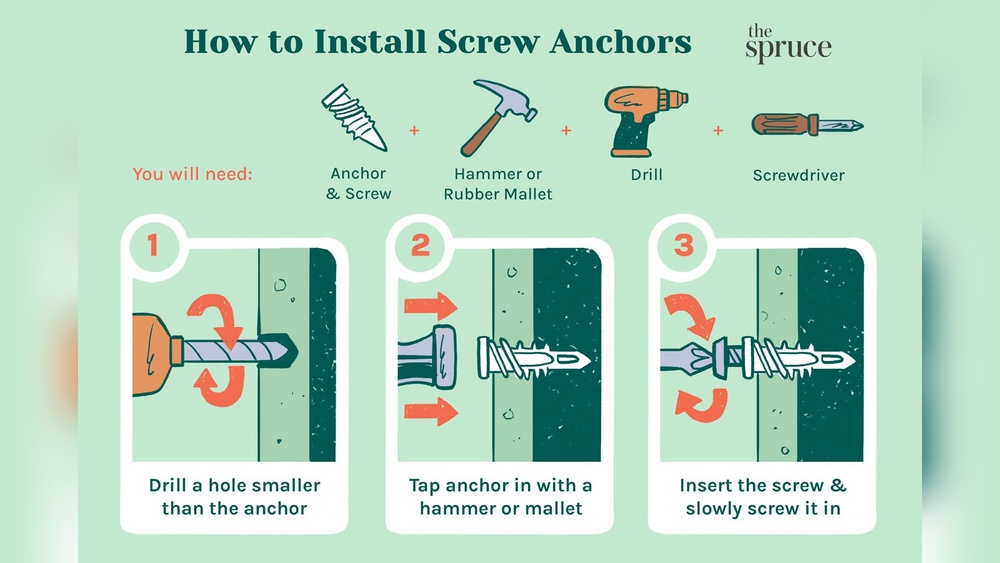
Start by choosing the right drill bit size. It should match the anchor’s width. Mark the spot on the drywall where the anchor goes. Hold the drill straight and drill slowly. Make a clean hole without cracking the drywall.
Inserting The Anchor
Push the anchor into the hole gently. Use your fingers or a small hammer to tap it in. The anchor should fit snugly, flush with the wall. Avoid forcing it too hard to prevent damage.
Securing The Anchor
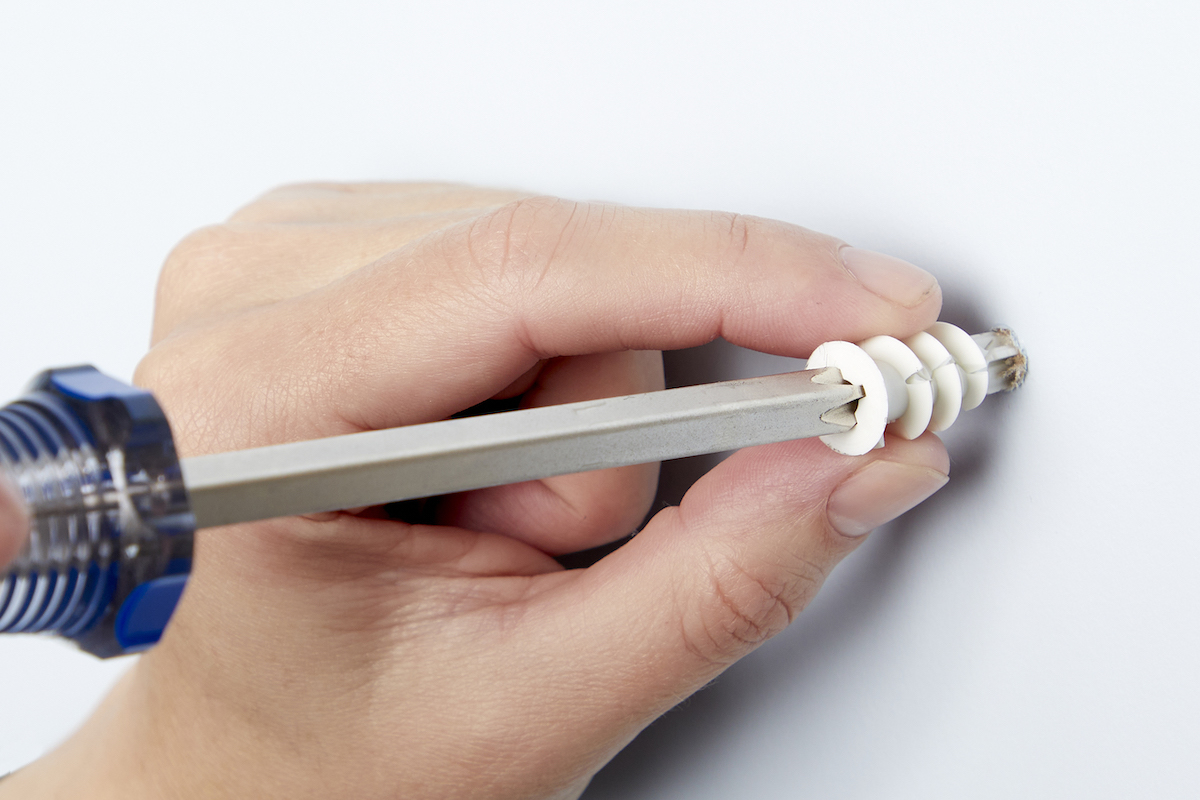
Place the screw into the anchor. Turn it slowly with a screwdriver. Tighten until the screw feels firm and stable. Do not over-tighten to avoid stripping the anchor. Check that the anchor holds tightly in the wall.
Testing Anchor Strength
Testing anchor strength is a key step after installation. It helps confirm the anchor can hold the weight safely. This process prevents damage to your walls and avoids accidents.
Checking the anchor’s strength takes just a few moments. Use gentle but firm actions to test its grip. This ensures your fixture stays secure over time.
Applying Pressure
Apply steady pressure to the anchor. Push or pull slowly to feel its hold. Avoid sudden or harsh moves that might break the wall.
Use your hand or a tool for this test. The goal is to see if the anchor stays firm under force.
Checking For Movement
Look closely for any wiggle or shift in the anchor. Even small movements mean the anchor is not secure. Tighten or reinstall the anchor if you spot any looseness.
A strong anchor will stay stable without any visible motion. Test several times to be sure.
Common Mistakes To Avoid
Applying anchors to drywall seems simple but has pitfalls. Avoiding common mistakes ensures strong, lasting support. These errors reduce anchor strength and can damage your wall. Learn about frequent problems and how to steer clear of them.
Using Incorrect Anchor Types
Drywall anchors come in many types. Plastic, metal, toggle, and molly anchors fit different needs. Using the wrong one weakens the hold. For light items, plastic anchors work well. Heavy objects need metal or toggle anchors. Match the anchor to the weight and wall thickness. Avoid guessing or using leftover anchors from other projects.
Overtightening Screws
Tightening screws too much breaks the anchor or damages drywall. It causes cracks or holes to widen. Turn screws slowly and stop when firm. Screws should be snug but not forced. Over-tightening weakens the anchor’s grip and can cause failure. Use just enough pressure to hold the item safely.
:max_bytes(150000):strip_icc()/how-to-use-and-discard-anchor-screws-1822671-Final-ec8091ccf65241b1b1f888549f25003a.jpg)
Credit: www.thespruce.com
Tips For Heavy Items
Heavy items need strong support on drywall. Using the right methods keeps your walls safe and your items secure. Simple drywall anchors might not hold well for heavy loads. Follow these tips to improve strength and safety.
Using Multiple Anchors
Spread the weight by using more than one anchor. Place anchors evenly across the item’s width. This reduces stress on each anchor point. It also helps the drywall carry the load better. Use the right size anchors for heavy items. More anchors mean better balance and less chance of damage.
Combining Anchors With Studs
Find wall studs to add strong support. Studs hold much more weight than drywall alone. Use anchors only if you cannot find studs. Drill screws directly into studs for heavy items. Combine anchors and studs to share the load. This method offers the best stability and safety for heavy objects.
Frequently Asked Questions
What Tools Are Needed To Apply Anchors To Drywall?
You need a drill, screwdriver, drywall anchors, and screws. A measuring tape and pencil help mark the spot accurately. These tools ensure proper installation and secure hold for your anchors.
How Do You Choose The Right Anchor For Drywall?
Select anchors based on weight and drywall thickness. Plastic anchors suit light loads, while metal or toggle anchors handle heavier items. Always check the anchor’s weight rating before use for safety.
Can I Install Drywall Anchors Without A Drill?
Yes, some anchors like self-drilling anchors can be installed without a drill. They screw directly into drywall using a screwdriver. However, using a drill usually makes the process faster and easier.
How Deep Should I Drill Holes For Drywall Anchors?
Drill holes slightly smaller than the anchor diameter. This ensures a tight fit and prevents damage. Follow the anchor manufacturer’s instructions for exact hole size recommendations.
Conclusion
Applying anchors to drywall is simple with the right steps. Choose the proper anchor for your wall type. Mark the spot carefully before drilling a hole. Insert the anchor firmly and then attach your item. Take your time and work with care.
This method keeps your wall strong and secure. Try it yourself for a neat, lasting hold. Drywall anchors make hanging things much easier. You’ll feel confident with each project you complete.