Have you ever tried to remove sticky hooks from your wall, only to find paint peeling off with them? It’s frustrating and can ruin the look of your room.
But what if you could take those hooks down without damaging your walls at all? You’ll learn simple and effective ways to get sticky hooks off your wall without chipping the paint. Keep reading, and you’ll save time, avoid costly repairs, and protect your walls like a pro.
Types Of Sticky Hooks
Sticky hooks are useful tools for hanging items without nails or screws. They come in different types, each made for specific jobs. Knowing these types helps you pick the right hook for your needs. It also helps you remove them without damaging paint or walls.
Choosing the correct hook means less risk of peeling paint or leaving marks. Some hooks hold light items, while others support heavy loads. Some are easy to remove, and others are more permanent. Understanding these differences makes wall care easier.
Common Adhesive Hooks
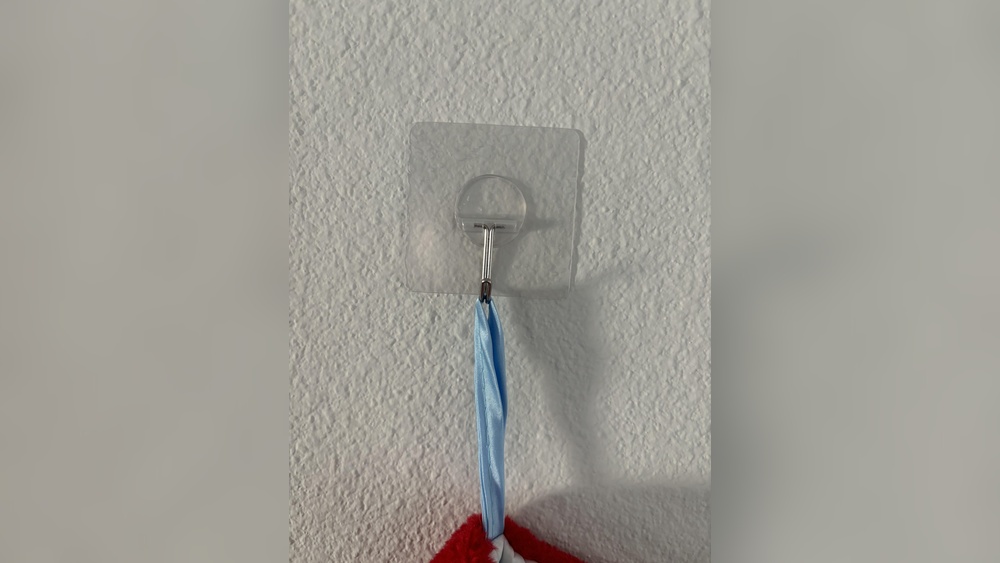
Common adhesive hooks are small and light. They hold keys, pictures, or small decorations. Their adhesive sticks well but can be gentle on walls. These hooks are great for temporary use. They usually peel off with little effort.
Heavy-duty Hooks
Heavy-duty hooks hold larger or heavier items. These include coats, bags, or tools. They use stronger glue or adhesive strips. They stick firmly to surfaces but may require careful removal. Removing them quickly can cause paint to chip.
Removable Vs Permanent Hooks
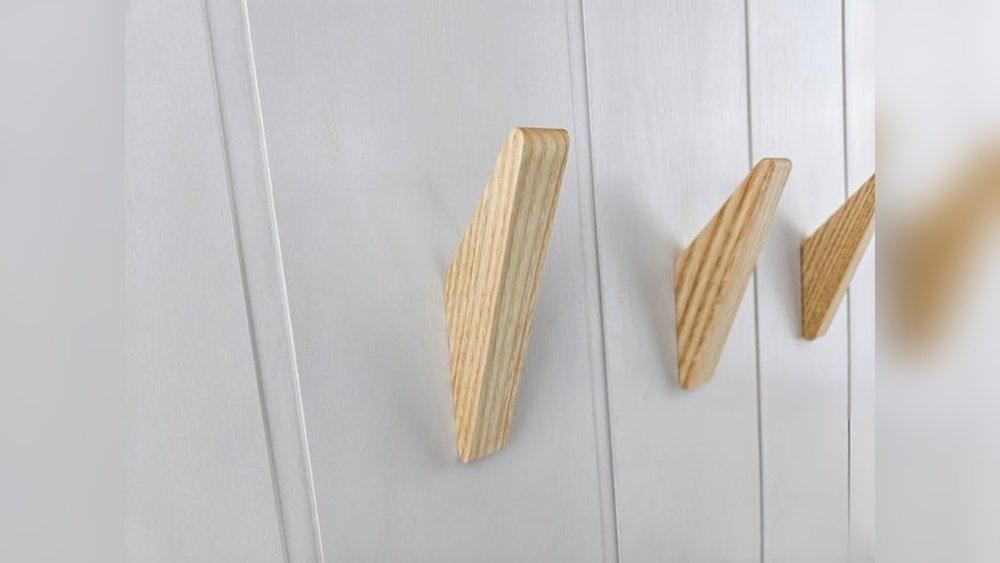
Removable hooks are made to come off easily. They use special adhesive that peels away cleanly. Permanent hooks use stronger glue for a long hold. They are harder to remove without damage. Choosing removable hooks protects your paint better.
Credit: premiumdoorstripping.co.uk
Risks Of Removing Hooks
Removing sticky hooks from walls can seem easy. Yet, it carries risks. These risks might cause damage to your wall or paint. Knowing the problems helps you avoid costly repairs. Take care during removal to keep your wall safe.
Paint Damage
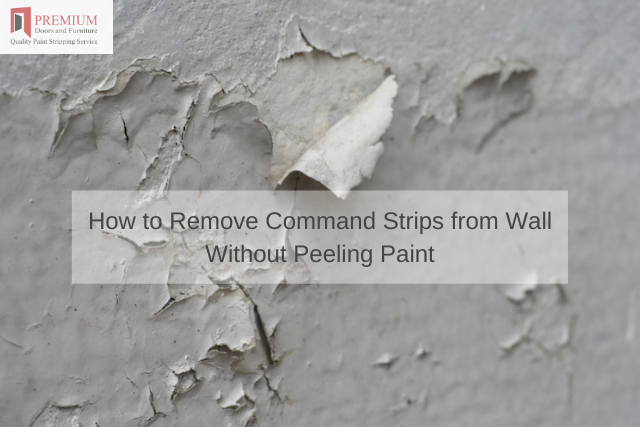
Peeling or chipping paint is a common problem. Sticky hooks can pull paint off when removed too fast. Old or weak paint is more likely to come off. This leaves ugly spots on your wall. Repairing paint damage can take time and money.
Wall Surface Issues
Wall surfaces like drywall or plaster can break. Pulling hooks harshly may cause dents or holes. Some walls are thin and fragile under paint. Small cracks can grow bigger after hook removal. This weakens the wall and looks bad.
Residue And Stains
Sticky hooks leave behind sticky glue or marks. This residue can attract dirt and grime. Stains from adhesive are hard to clean. Using harsh chemicals may damage paint or wall further. Residue can ruin the smooth look of your wall.
Preparation Before Removal
Removing sticky hooks from a wall needs care. Preparation helps avoid paint damage. Taking a few simple steps makes the removal smooth and safe. This section explains how to prepare before you remove sticky hooks.
Gathering Tools
Start by collecting all tools needed for the task. You will need a hairdryer or heat gun, dental floss or fishing line, a plastic card, and a soft cloth. Having these ready keeps the process quick and easy.
Cleaning The Area
Clean the wall around the hook gently. Use a damp cloth to remove dust and dirt. A clean surface helps the adhesive soften evenly. Avoid strong cleaners that might harm the paint.
Testing On A Small Spot
Try the removal method on a hidden spot first. This test checks if the paint holds up. Heat the adhesive slightly and pull gently. If paint peels or bubbles appear, stop and choose another method.

Credit: www.reddit.com
Safe Removal Techniques
Removing sticky hooks from walls can be tricky. The goal is to take them off without damaging the paint. Safe removal methods help keep your walls smooth and clean. Use gentle techniques to avoid chipping or peeling paint. Patience and care work best for this task.
Using Dental Floss Or Fishing Line
Take a piece of dental floss or fishing line. Slide it behind the sticky hook. Use a gentle sawing motion to cut through the adhesive. Move slowly to avoid pulling off paint. This method works well on flat surfaces and delicate paint.
Applying Heat With A Hairdryer
Use a hairdryer on low or medium heat. Warm the sticky area for about 30 seconds. Heat softens the glue, making it easier to remove. Keep the dryer moving to avoid overheating the paint. After warming, gently peel the hook away from the wall.
Slow And Steady Pull Method
Hold the hook close to the wall. Pull it slowly and steadily at a low angle. Avoid quick or sharp pulls that may damage paint. This slow method helps the adhesive release without peeling. Take your time and use steady pressure for best results.
Removing Residue After Hook Removal
Removing sticky hook residue is important to keep your walls clean and undamaged. Leftover glue can attract dirt and look messy. It can also make painting or hanging new decorations difficult. Use gentle methods to remove the sticky bits without harming the paint or wall surface.
Using Rubbing Alcohol
Rubbing alcohol works well to dissolve sticky residue. Soak a cotton ball with rubbing alcohol. Gently rub the residue until it starts to lift. Avoid scrubbing too hard to protect the paint. After the residue is gone, wipe the area with a damp cloth.
Applying Vinegar Or Oil
White vinegar or cooking oil can soften the sticky glue. Dab a cloth with vinegar or oil and press it on the residue. Let it sit for a few minutes to loosen the adhesive. Wipe away the residue carefully. Clean the wall with soap and water after to remove any oily or sour smell.
Commercial Adhesive Removers
Special adhesive removers are available in stores. Choose one safe for painted walls. Apply a small amount on the sticky area. Follow the product instructions closely. Usually, you let it sit, then wipe the residue off. Test in a hidden spot first to avoid damage.
Preventing Paint Damage
Sticky hooks are useful but can damage paint when removed. Preventing paint damage protects your walls and saves repainting costs. Careful methods help keep paint intact during hook removal. This section shares simple steps to avoid paint chipping or peeling.
Avoiding Sharp Tools
Sharp tools can easily scratch or chip paint. Use plastic scrapers or your fingernail instead. Gently slide under the hook’s edge to lift it. Avoid metal knives or razor blades near painted surfaces. Slow, careful work reduces the risk of damage.
Testing Adhesives Before Use
Test new sticky hooks on a small hidden area first. This shows how strong the adhesive is. Some adhesives pull paint off when removed. Choose hooks with gentle, removable adhesives for painted walls. Testing prevents surprises and protects your paint.
Using Painter’s Tape As A Barrier
Place painter’s tape on the wall before applying hooks. The tape acts as a shield between hook and paint. It helps remove hooks easily without pulling paint. Make sure tape is flat with no bubbles. This simple step adds a layer of protection.
Alternative Solutions To Sticky Hooks
Sticky hooks are useful but can damage paint when removed. Many people want strong hooks without risking chipped walls. Some alternatives offer good hold and easy removal. These options protect your paint and keep walls clean.
Magnetic Hooks
Magnetic hooks stick well on metal surfaces. They do not need glue or nails. Perfect for refrigerators, metal doors, or filing cabinets. Easy to move and reuse. No paint damage at all.
Command Strips With Paint-safe Adhesive
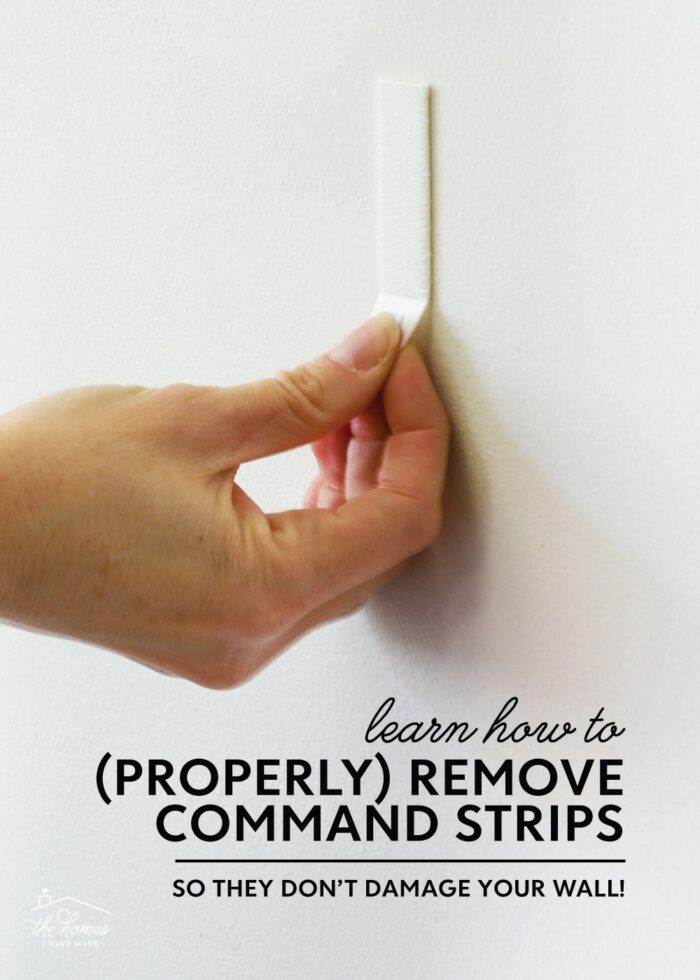
Command strips hold strongly and peel off cleanly. Their adhesive is safe for most painted walls. Remove strips slowly for no paint damage. Great for hanging pictures or lightweight items. They come in various sizes and weights.
Nail Or Screw Options
Nails or screws provide a strong, stable hold. Small holes cause less damage than sticky hooks. Fixing holes is simple with putty or paint. Best for heavy items or long-term use. Use wall anchors for extra support on drywall.
Credit: thehomesihavemade.com
Tips For Maintaining Walls After Removal
Removing sticky hooks can leave your walls looking dull or damaged. Taking care of your walls after removal helps keep them smooth and clean. Simple steps can restore their look and protect the paint.
These tips will help you maintain your walls and avoid future problems. Small efforts go a long way in keeping your space fresh and neat.
Touch-up Paint Tips
Use matching paint to cover small marks or scratches. Dab the paint gently with a small brush. Avoid thick layers to keep the wall even. Let the paint dry fully before touching the area again. This keeps the wall looking smooth and fresh.
Cleaning And Polishing
Wipe the wall with a soft, damp cloth to remove dust and dirt. Use mild soap if needed, but avoid harsh chemicals. Dry the wall with a clean towel to stop water marks. Polishing with a gentle product can bring back the wall’s shine without harming the paint.
Regular Wall Inspection
Check your walls often for any new marks or damage. Early spotting helps fix problems before they grow. Look closely around areas where hooks were placed. Quick action keeps your walls in good shape over time.
Frequently Asked Questions
How Can I Remove Sticky Hooks Without Damaging Paint?
Use heat from a hairdryer to soften the adhesive. Gently peel the hook off at a low angle. Clean residue with rubbing alcohol to avoid paint damage.
What Household Items Help Remove Sticky Hooks Safely?
Hairdryers and rubbing alcohol are effective household items. Heat loosens adhesive, and alcohol cleans sticky residue without harming paint.
Will Peeling Sticky Hooks Chip My Wall Paint?
Peeling too quickly or at a steep angle can chip paint. Use slow, gentle pulling and heat to protect the surface.
How Do I Clean Adhesive Residue After Removing Hooks?
Apply rubbing alcohol or a mild adhesive remover. Wipe gently with a soft cloth to prevent paint damage.
Conclusion
Removing sticky hooks without damaging paint is simple. Use gentle heat or oil to loosen the adhesive. Peel slowly and carefully to protect your wall. Clean leftover residue with mild soap and water. Take your time and avoid sharp tools.
This method keeps your walls safe and neat. You can change decorations without worry. Small steps make a big difference here. Enjoy a damage-free wall every time you remove hooks.