Have you ever struggled with a deadbolt that just won’t stay put? It’s frustrating when your lock turns too easily or slips, leaving you worried about your home’s security.
But don’t worry—keeping your deadbolt from turning unexpectedly is easier than you think. You’ll discover simple, effective ways to make sure your lock stays exactly where it should. Keep reading, and you’ll soon feel confident that your door is secure and your peace of mind is restored.

Credit: www.youtube.com
Common Causes Of Deadbolt Jamming
Deadbolt jamming is a common problem that frustrates many homeowners. Understanding the causes helps fix the issue faster. Several factors can stop a deadbolt from turning smoothly. This section covers the most common reasons for deadbolt jamming.
Misaligned Strike Plate
The strike plate is the metal piece on the door frame. It catches the deadbolt when locked. Misalignment causes the bolt to hit the plate incorrectly. This makes it hard or impossible to turn the deadbolt. Doors shifting or settling often cause misalignment. Checking the strike plate alignment can solve the jamming problem.
Loose Or Worn Hardware
Deadbolts have many moving parts inside. Over time, screws can loosen, or parts wear out. Loose hardware creates extra space, causing the bolt to stick. Worn pins or springs inside the lock also cause jamming. Tightening screws or replacing worn parts restores smooth deadbolt action.
Debris Inside The Lock
Dirt, dust, and small particles can enter the lock cylinder. This debris blocks the pins and stops the bolt from turning. Moist environments increase debris buildup. Cleaning the lock with compressed air or lubricant removes blockages. Regular cleaning keeps the deadbolt working well.
Temperature And Weather Effects
Cold weather can cause metal parts to contract and freeze. Ice inside the lock or on the door frame stops the deadbolt. Heat causes expansion, which can misalign parts. Moisture leads to rust and corrosion inside the lock. Protecting the lock from extreme weather prevents jamming.
Tools Needed For Deadbolt Repair
Repairing a deadbolt often requires specific tools. Having the right tools makes the job easier and faster. It helps to fix the problem without damaging the lock or door. Below are the essential tools needed to keep a deadbolt from turning.
Screwdrivers
Screwdrivers are vital for deadbolt repair. Use them to remove or tighten screws on the lock. A Phillips head screwdriver fits most deadbolt screws. A flathead screwdriver may be useful for prying or adjusting parts. Keep both types handy for different tasks.
Lubricants
Lubricants help the deadbolt move smoothly. Use a graphite or silicone spray lubricant. Avoid oil-based lubricants because they attract dirt. Apply a small amount inside the keyhole and on the bolt. This reduces friction and prevents sticking.
Replacement Parts
Sometimes, parts inside the deadbolt wear out. Having replacement parts ready saves time. Common parts include springs, screws, and the bolt itself. Check your lock model to buy the correct pieces. Replace damaged parts to restore proper function.
Cleaning Supplies
Cleaning supplies remove dirt and grime inside the lock. Use a soft brush or compressed air to clean debris. A cloth can wipe the surface and keyhole area. Clean locks work better and last longer. Keep cleaning supplies nearby during repair.
Realigning The Strike Plate
Realigning the strike plate is a simple fix for a deadbolt that won’t turn smoothly. The strike plate is the metal piece on the door frame where the deadbolt slides in. If it is out of place, the deadbolt can get stuck or feel hard to turn. Adjusting this plate helps the deadbolt lock and unlock without trouble.
Checking Alignment
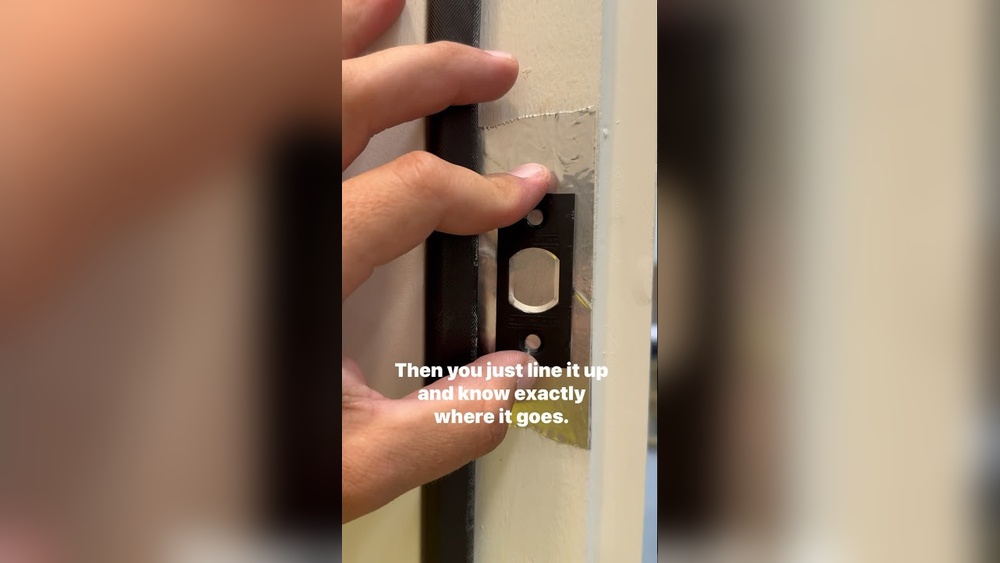
First, check if the strike plate lines up with the deadbolt. Close the door slowly and watch the deadbolt’s path. The bolt should slide directly into the strike plate hole. If it hits the metal edges or does not fit well, the plate is misaligned.
Adjusting Plate Position
Loosen the screws on the strike plate carefully. Move the plate up, down, or sideways to match the deadbolt’s path. Test the deadbolt by turning it after each move. Make small adjustments until the bolt fits smoothly into the plate.
Securing Screws Properly
Once the plate is in the right place, tighten the screws firmly. Use longer screws if the current ones are loose. Secure screws keep the plate from moving over time. This ensures the deadbolt turns easily every time you use it.
Tightening And Replacing Hardware
Tightening and replacing hardware is key to stop a deadbolt from turning on its own. Over time, screws can loosen and parts can wear out. Fixing these issues keeps your lock secure and working smoothly.
Checking and fixing hardware is simple. It only takes a few steps to make your deadbolt strong again.
Identifying Loose Screws
Loose screws cause the deadbolt to move inside the door. Use a screwdriver to check all screws on the lock and strike plate. Tighten any screws that feel loose. Make sure screws are snug but not too tight.
Replacing Worn Components
Parts like the latch, bolt, or strike plate can wear out. Worn parts may not hold the deadbolt firmly. Remove old, damaged pieces and replace them with new ones. Use parts that fit your lock model for best results.
Ensuring Proper Fit
The deadbolt and strike plate must fit well together. Check if the bolt slides smoothly into the strike plate hole. Adjust the strike plate or door alignment if needed. A proper fit stops the deadbolt from turning by itself.
Cleaning And Lubricating The Lock
Keeping a deadbolt working smoothly requires regular cleaning and lubrication. Dirt and dust can build up inside the lock. This buildup can make the lock hard to turn. Cleaning removes grime that blocks the lock mechanism. Lubrication reduces friction, helping the deadbolt move easily. Both steps protect the lock and extend its life.
Removing Dirt And Debris
Start by opening the lock fully. Use a soft brush or compressed air to clear dust and dirt. Avoid using water or harsh chemicals, as they can cause rust. A clean lock surface helps lubricant reach all parts. Repeat this cleaning regularly to prevent buildup.
Choosing The Right Lubricant
Select a lubricant made for locks or fine machinery. Graphite powder and silicone spray work well. Avoid oil-based lubricants; they attract more dirt. A good lubricant stays dry and does not gum up inside the lock. This choice keeps the deadbolt turning smoothly for longer.
Applying Lubricant Safely
Apply a small amount of lubricant into the keyhole. Insert and turn the key several times to spread it inside. Wipe off any excess lubricant from the surface. Do not over-lubricate; too much can cause problems. Regular lubrication keeps the lock easy to operate and secure.

Credit: www.reddit.com
Preventing Future Deadbolt Issues
Preventing future deadbolt issues helps keep your door secure and working well. Small steps can stop problems before they start. Regular care makes your deadbolt last longer and work smoothly.
Regular Maintenance Tips
Check your deadbolt every few months. Clean the keyhole with a dry cloth. Use graphite powder to lubricate the lock. Avoid oil sprays that attract dust. Tighten loose screws on the lock and door frame. Test the lock by turning the key gently. Fix small problems early to avoid bigger repairs.
Seasonal Adjustments
Weather changes can affect your deadbolt’s function. Cold weather may cause metal parts to shrink. Heat can make wood expand and block the bolt. Adjust the strike plate if the bolt sticks. Use a screwdriver to realign the lock parts. Keep an eye on the door’s fit during winter and summer. Make small fixes to keep the deadbolt turning smoothly.
When To Call A Professional
Call a locksmith if the deadbolt still sticks after maintenance. Avoid forcing the key or bolt to turn. A professional can check for hidden damage. They can replace worn parts safely. If the lock feels loose or breaks, get expert help. Timely service saves time and money. Trust experts for complex deadbolt problems.

Credit: www.amazon.com
Frequently Asked Questions
Why Does My Deadbolt Keep Turning Freely?
A loose or worn-out strike plate or latch can cause free turning. Tighten screws and lubricate the lock mechanism to fix it. If parts are damaged, replace them to ensure proper lock function and security.
How Can I Prevent A Deadbolt From Turning Unintentionally?
Install longer screws in the strike plate to secure the frame. Lubricate the lock regularly to maintain smooth operation. Tighten all components to prevent looseness that causes unwanted turning.
What Tools Help Fix A Deadbolt That Turns Too Easily?
Use a screwdriver to tighten screws and a lubricant like graphite powder. A wrench or pliers can adjust any loose parts. These tools ensure the lock fits tightly and turns only when intended.
Can Weather Affect Deadbolt Turning Issues?
Yes, temperature changes can cause metal parts to expand or contract, affecting lock tightness. Regular maintenance and lubrication help counteract weather impacts and keep the deadbolt functioning properly.
Conclusion
Keeping a deadbolt from turning takes simple steps. Regularly clean and oil the lock to keep it smooth. Tighten screws and check alignment often. Avoid forcing the key to prevent damage. Small fixes stop big problems later. A well-maintained lock keeps your home safe and easy to secure.
Try these tips to keep your deadbolt working well every day. Simple care makes a big difference.